

P0030 on 2016-2018 Land Rover Range Rover: Heater Circuit Fault Causes and Fixes
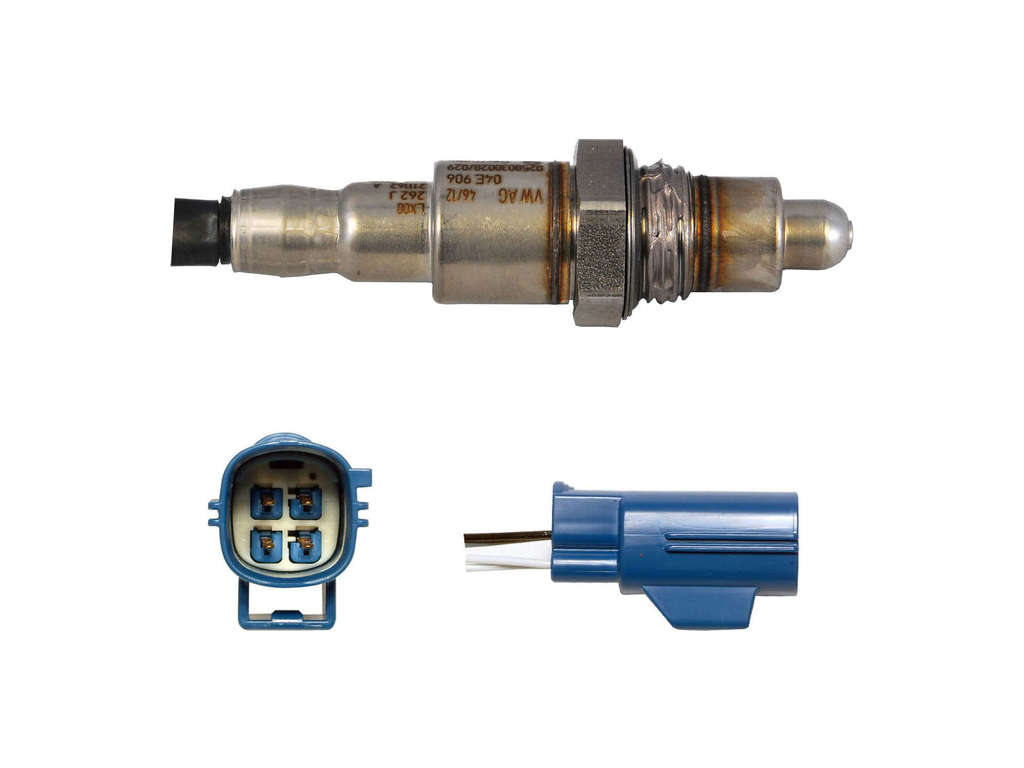
For a 2016-2018 Range Rover, code P0030 almost always means the heater element inside the Bank 1, Sensor 1 oxygen sensor has failed. This is the upstream sensor on the passenger-side exhaust. Replacing the sensor, OEM part number LR035750, is the most common fix. The issue is well-documented by Land Rover.
- P0030 on your Range Rover points to a fault in the heater circuit for the upstream oxygen sensor on the passenger side.
- The most likely cause is a failed oxygen sensor (Part #LR035750), which needs to be replaced.
- Land Rover has issued TSBs acknowledging this problem, citing component failure and 'thermal shock' as potential causes.
- Before replacing the sensor, always check the fuse and verify 12V power and ground at the sensor's electrical connector.
What's Unique About the 2016-2018 Land Rover RANGE ROVER

On this generation of Range Rover (and its platform mates with the same engines), the P0030 code is a well-documented issue. Land Rover has released multiple Technical Service Bulletins (TSBs). LTB01191NAS2 specifically acknowledges that the Malfunction Indicator Lamp (MIL) may illuminate with DTC P0030-29 stored. Another TSB, LTB00923NAS1, suggests the cause can be 'thermal shock' when water from the road splashes onto the hot sensor, causing the internal element to fail. The existence of these TSBs means dealers are equipped with a specific diagnostic path: inspect wiring, replace the affected sensor, and in some cases, perform a PCM software update.
Diagnostic Flowchart
Tap your situation to follow the diagnostic path that matches what you're seeing on this vehicle.
Symptoms You May Notice
- Check Engine Light (Malfunction Indicator Lamp) is on.
- Reduced fuel economy.
- Vehicle may have a slightly rough idle on a cold start.
- Failure to pass a state emissions inspection.
- Possible rotten egg smell from the exhaust due to inefficient catalytic converter operation.
- Replacing the wrong oxygen sensor (e.g., Bank 2 or a downstream sensor). P0030 is exclusively for Bank 1, Sensor 1, which is upstream of the catalytic converter on the passenger side (for LHD vehicles).
- Overlooking a wiring issue and replacing a good sensor. Always check for power and ground at the connector before condemning the sensor.
Most Likely Causes

- Failed Bank 1, Sensor 1 Oxygen Sensor 🔴 High Probability The internal heater element is a common failure point due to constant heat cycles and is susceptible to 'thermal shock' from water splashing on the hot exhaust, a known issue cited in Land Rover TSBs. The manufacturer has acknowledged this with TSB LTB01191NAS2, indicating a known component fault.
How to confirm: With a multimeter, disconnect the sensor and measure the resistance across the two heater circuit pins (often the two same-colored wires). A reading of infinite resistance (open) or near-zero resistance (short) indicates a failed sensor. A typical good reading for a cold sensor is between 2-14 ohms. 🎬 See how to test an oxygen sensor heater circuit with a multimeter.
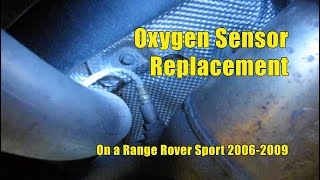
Typical fix: Replace the Bank 1, Sensor 1 (upstream, passenger side) Heated Oxygen Sensor. Using an OEM-supplier part like Bosch or Denso is highly recommended, as these vehicles can be sensitive to aftermarket sensor tolerances. A 22mm or 7/8" offset oxygen sensor socket is the recommended tool for removal. 🎬 Watch: A complete walkthrough for replacing Range Rover oxygen sensors.
Est. part cost: $70-$220 - Damaged Wiring or Connector 🟡 Medium Probability The wiring harness is routed near the hot exhaust manifold and can become brittle, frayed, or melted over time. Connectors can also fill with moisture and corrode, or pins can back out. TSB LTB01191NAS2 explicitly instructs technicians to check for a short or open circuit in the wiring first.
How to confirm: Visually inspect the entire wiring harness from the sensor to the main engine harness. Check the connector for corrosion, melted plastic, or pushed-out pins. With the sensor disconnected and ignition on (engine off), use a multimeter to confirm battery voltage (~12V) on the power supply wire and a good ground (<0.1 Ω) on the ground wire of the harness-side connector.
Typical fix: Repair the damaged section of wiring or replace the connector pigtail. Secure the harness away from heat sources.
Est. part cost: $10-$50 - Blown Fuse ⚪ Low Probability Not a vehicle-specific issue, but a short circuit in the sensor or wiring can cause the related fuse to blow as a protective measure. The heater circuit is often labeled 'O2 HTR', 'AF heater', or similar in the fuse box diagram.
How to confirm: Locate the fuse for the O2 sensor heaters in the vehicle's fuse box (consult the owner's manual or wiring diagram). Visually inspect the fuse or test it for continuity.
Typical fix: Replace the blown fuse. If the new fuse blows immediately, it confirms a persistent short circuit in the wiring or the sensor itself that must be found and fixed.
Est. part cost: $1-$5
Rare But Worth Checking
- Faulty Powertrain Control Module (PCM): This is extremely rare. The PCM's internal driver for the heater circuit can fail. This should only be considered after all other possibilities (sensor, wiring, fuses) have been exhaustively tested and ruled out. In some cases, a PCM software update, as mentioned in TSBs, may be required to prevent future thermal shock-related codes.
Diagnosis Steps

- Confirm the code P0030 is present using an OBD-II scanner. Note if any other codes, like P2251, are also present.
- Check the fuse box in the engine bay for a blown fuse related to the oxygen sensors (often labeled 'O2 HTR' or similar). Replace if necessary.
- Raise the vehicle safely. Locate the Bank 1, Sensor 1 oxygen sensor. It is the upstream sensor (before the catalytic converter) on the passenger side of the engine.
- Visually inspect the sensor's wiring harness and connector for any signs of melting, chafing, corrosion, or physical damage.
- Disconnect the sensor. With the ignition on (engine off), use a multimeter to check for battery voltage (approx. 12V) on the heater power wire at the harness-side connector.
- Check for a good ground on the heater ground wire at the harness-side connector. Resistance to chassis ground should be less than 1 ohm.
- If power and ground are present, the wiring is likely okay. Test the sensor itself. Measure the resistance between the two heater pins (often same-colored wires) on the sensor side of the connector. A reading outside the 2-14 ohm specification, or a completely open (infinite) / shorted (zero) circuit, confirms the sensor has failed and needs replacement.
- If power or ground is missing at the connector, trace the wiring back towards the PCM to find the break or short circuit.
- After replacing the sensor or repairing the wiring, clear the code. Drive the vehicle for 10-15 minutes to allow the ECU to adapt and confirm the Check Engine Light does not return.
Parts You'll Likely Need

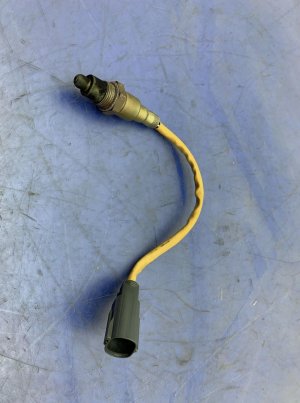
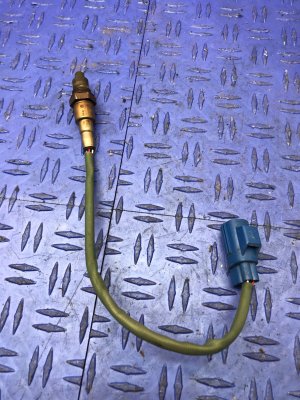
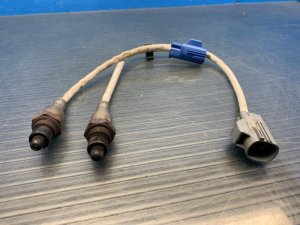
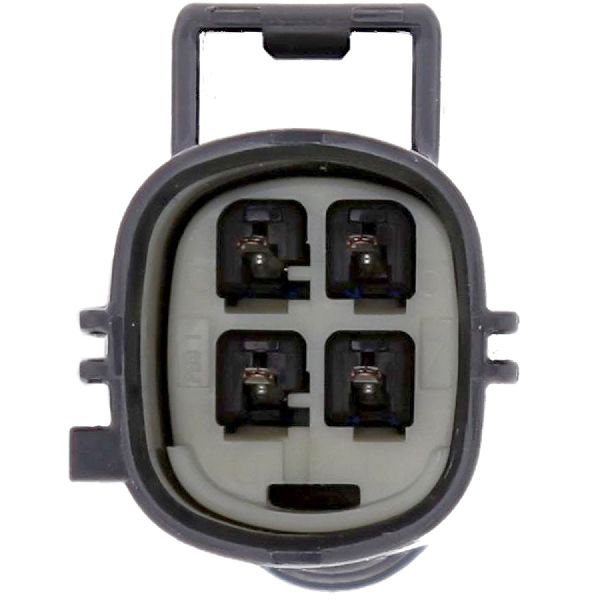
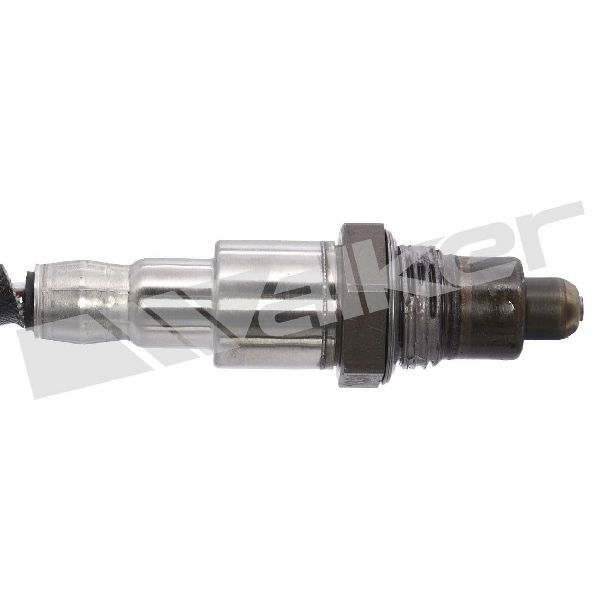
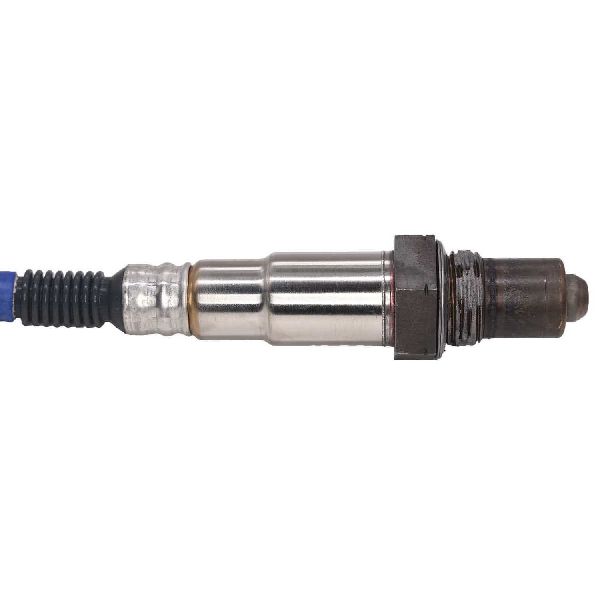
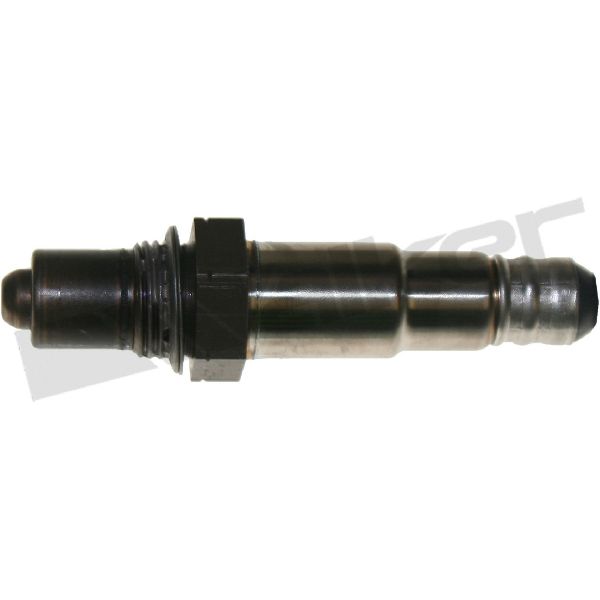
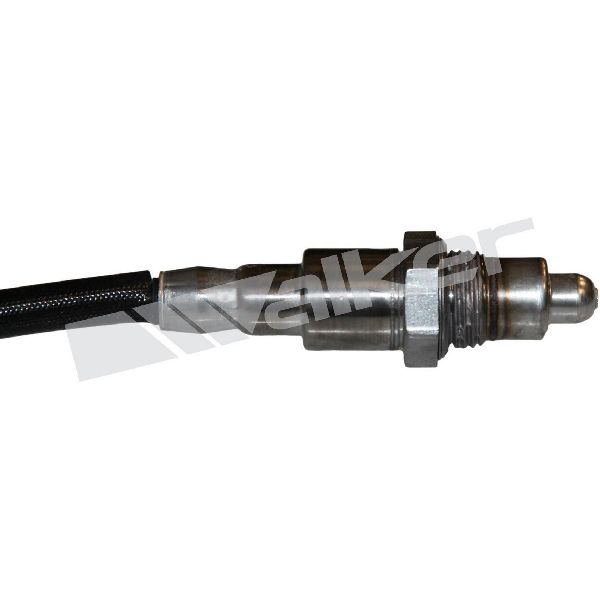
- Heated Oxygen Sensor (Bank 1, Sensor 1)
(OEM #LR035750)— This is the component whose internal heater circuit fails, directly causing the P0030 code. It is the most common solution, as acknowledged by Land Rover TSBs.
Trusted brands: Bosch (OEM Supplier), Denso (OEM Supplier), NTK
OEM price range: $150-$250
Aftermarket price range: $70-$180
Related Codes That Often Appear With This One
- P2251 — This code, 'O2 Sensor Negative Current Control Circuit/Open (Bank 1 Sensor 1)', is often seen with P0030 as mentioned in Land Rover TSB #LTB01191NAS2. It points to a fault in the reference ground side of the same sensor, reinforcing the diagnosis of a bad sensor or its wiring. 🎬 Watch: How to diagnose and fix the P0030 heater control circuit code.
- P0135 — This is another generic code for 'O2 Sensor Heater Circuit Malfunction (Bank 1 Sensor 1)'. While P0030 is more common on JLR products, some scan tools may report P0135 for the same underlying fault.
Technical Service Bulletins (TSBs) & Recalls
- LTB01191NAS2: 'The engine MIL (Malfunction Indicator Lamp) may be illuminated with DTC (Diagnostic Trouble Code) P0030-29 and/or P2251-13 stored in the Powertrain Control Module (PCM). Caused by a component fault.'
- LTB00923NAS1 / SSM72448: Groups P0030 with other HO2S codes. Cites cause as 'thermal shock when water contacts the heated sensing element' and advises replacing the affected sensor and updating software.
Platform-Specific Known Issues
- Land Rover TSB #LTB01191NAS2 directly mentions that the engine's Malfunction Indicator Lamp (MIL) may be illuminated with DTC P0030-29 stored. The prescribed action is to inspect wiring and, if no fault is found, replace the sensor.
- Land Rover TSB #LTB00923NAS1 identifies a potential cause as 'thermal shock' when water contacts the hot sensor element. The fix involves replacing the affected sensor and, in some cases, updating the PCM software to prevent recurrence.
Mechanic-Grade Diagnostic Values
- O2 Sensor Heater Element Resistance — expected: 2.0 to 14.0 Ohms at ambient temperature.. Failure: A reading of infinite Ohms (Open Loop / OL) or near zero Ohms (short circuit) indicates a failed heater element.
- Voltage at Harness Connector (Heater Power Pin) — expected: ~12 Volts (Battery Voltage) with Key On, Engine Off.. Failure: 0 Volts indicates a wiring issue, blown fuse, or problem with the power supply from the PCM/fuse box.
- Ground at Harness Connector (Heater Ground Pin) — expected: < 1.0 Ohm of resistance to chassis ground.. Failure: High or infinite resistance (Open Loop / OL) indicates a broken ground wire or bad ground connection.
Hidden / Shadow Codes Worth Checking
- P0030-29: The '-29' is a JLR-specific sub-type or character byte meaning 'Signal Invalid'. This confirms the PCM has received a signal from the heater circuit that is not plausible (e.g., open, short, or out of expected range), reinforcing the diagnosis of a component or wiring failure. (see via JLR-specific diagnostic tools like SDD or Pathfinder, though some high-end aftermarket scanners may also display it.)
Scan Tool Commands That Help
- JLR SDD / Pathfinder or advanced bidirectional scanner: HO2S Heater Activation Test / Actuator Test — This command allows a technician to manually turn the O2 sensor heater on and off while monitoring voltage or current. If the heater can be activated with the scan tool but doesn't work during normal operation, it could point to a PCM logic issue. If it fails to activate, it confirms a fault in the sensor, wiring, or PCM driver.
Wiring & Ground Locations

- Bank 1 Sensor 1 HO2S Connector — On the 3.0L V6, the Bank 1 (passenger side for LHD) upstream sensor connector is typically located on the upper rear of the engine, often clipped to the firewall or a bracket. It can be difficult to access without removing other components.. This is the primary test point for diagnosing the P0030 fault. All voltage, ground, and resistance checks are performed at this connector.
- C31-F1 and C31-F2 — These are pin designators in a wiring diagram for a 2014 Range Rover Sport 3.0L, corresponding to the 'LSHUP1' (Left Side Heated Upstream O2 Sensor) circuit.. These specific pin references from a wiring diagram are crucial for a technician to trace the correct wires from the sensor connector back to the PCM if a wiring fault is suspected.
Real Owner Repair Stories
- rangerovers.net forum user (2016 Range Rover L405 (engine not specified, but code applies to 3.0L and 5.0L)) — Check Engine Light with code P0030.
❌ Tried (didn't work) Initially, the owner was confused about which sensor was 'Bank 1, Sensor 1'.
✅ What actually fixed it Replacing the upstream oxygen sensor on the passenger side (Bank 1) resolved the code. The owner confirmed the fix after the repair.
OEM Part Supersession History
LR035750→This part number appears to be current and has not been officially superseded by Land Rover as of early 2024.— N/A
Heads up: This part number is also listed under alternate engineering numbers like CPLA-9F472-CC, CPLA-9F472-CA, and CPLA-9F472-CB. It is crucial to use a high-quality OEM supplier like Bosch or Denso, as the vehicle's ECU is sensitive to the precise resistance and response curves of the sensor.
Helpful Videos


Used OEM Parts in Stock



New Aftermarket Parts Available

The information in this article is provided for general reference and educational purposes only. Vehicle specifications, procedures, and part compatibility can vary by production date, trim level, and region. Always consult your vehicle's factory service manual and verify part numbers before purchasing or performing repairs. Safety-critical components such as airbags, seat belts, and braking systems should be installed by a qualified professional.
- Land Rover RANGE ROVER:
- 🎬 Helpful Videos
- 🛍️ Shop This Part
- What's Unique About the 2016-2018 Land Rover RANGE ROVER
- Diagnostic Flowchart
- Symptoms You May Notice
- Most Likely Causes
- Rare But Worth Checking
- Diagnosis Steps
- Parts You'll Likely Need
- Related Codes That Often Appear With This One
- Technical Service Bulletins (TSBs) & Recalls
- Platform-Specific Known Issues
- Mechanic-Grade Diagnostic Values
- Hidden / Shadow Codes Worth Checking
- Scan Tool Commands That Help
- Wiring & Ground Locations
- Real Owner Repair Stories
- OEM Part Supersession History
- 🎟️ Get 5% Off