

P0025 Ford Expedition (2015-2021): Exhaust Cam Timing Over-Retarded Causes & Fixes
On a 2015-2021 Ford Expedition, code P0025 is most often caused by a faulty Bank 2 exhaust VCT (Variable Camshaft Timing) solenoid or low/dirty engine oil. The VCT system is oil-pressure operated, making oil quality critical. Replacing the specific Bank 2 exhaust solenoid is a common fix, costing around $40-$80 for the part.
- P0025 on your Expedition most likely points to a problem with the driver's side (Bank 2) exhaust VCT solenoid.
- Before replacing any parts, check your engine oil. Low or dirty oil is a very common cause of this code.
- Ford has acknowledged this issue in service bulletins, suggesting debris can cause the solenoid to stick. A diagnostic test can sometimes clear it, but replacement is often necessary.
- If you also have a P0019 code, it's almost certain that the Bank 2 exhaust VCT solenoid needs to be replaced.
- This is a manageable DIY repair for many home mechanics, with the part being relatively inexpensive and accessible.
What's Unique About the 2015-2021 Ford EXPEDITION
The 3.5L EcoBoost engine in the Ford Expedition is highly dependent on clean engine oil and correct oil pressure to operate its VCT system. Ford has issued multiple Technical Service Bulletins (TSBs) acknowledging that these engines can set VCT-related codes, including P0025, due to small debris causing the VCT solenoids to stick. This makes regular oil changes with a high-quality filter like the Motorcraft FL-500S, which has a crucial anti-drainback valve, more critical than on many other vehicles. Furthermore, this engine platform is known for a 'cold start rattle' which is a direct symptom of failing camshaft phasers, a more severe potential cause for P0025. Ford has released updated cam phaser parts to address this widespread issue.
Diagnostic Flowchart
Tap your situation to follow the diagnostic path that matches what you're seeing on this vehicle.
Generation note: This range covers two generations of the Expedition: the third generation (2015-2017) and the fourth generation (2018-2021). Both generations use a 3.5L EcoBoost V6, though the fourth generation introduced an updated version with a 10-speed automatic transmission. The underlying causes for P0025 are consistent across both generations as they share the same fundamental VCT system design, which is also shared with the F-150, Lincoln Navigator, and Ford Transit.
Symptoms You May Notice
- Check Engine Light is on
- Rough or unstable idle
- Reduced engine power and acceleration
- Engine may be hard to start
- Decreased fuel economy
- Engine stalling at low speeds or when coming to a stop
- A rattling or ticking noise from the engine, especially on a cold start
- Replacing the camshaft position sensor. A faulty sensor usually throws a sensor-specific circuit code (e.g., P0365, P0369). P0025 indicates a mechanical timing correlation problem, not an electrical sensor failure.
- Replacing the camshaft phasers when only the VCT solenoid is bad. Always diagnose the less expensive solenoids first via swapping or pinpoint tests, as they are a much more common and cheaper failure point for this specific code.
Most Likely Causes
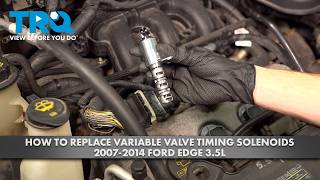
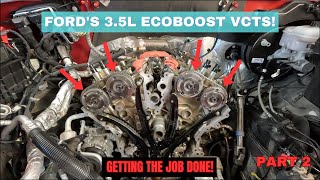
- Failing Bank 2 Exhaust VCT Solenoid 🔴 High Probability Ford TSBs (like SSM 50067) directly state that debris can cause these solenoids to stick, leading to codes like P0025. This is a widely documented issue on the 3.5L EcoBoost platform, and the solenoids are the primary control mechanism for oil flow 🎬 Watch: See how these VCT solenoids fail on the 3.5L EcoBoost. to the phasers.
How to confirm: Use a scan tool to perform the 'HK12' pinpoint test, which cycles the solenoid to try and clear debris. You can also swap the Bank 2 exhaust solenoid with the Bank 2 intake solenoid (they are identical parts). Clear codes and drive. If the code changes to P0021 (Intake 'A' Camshaft Position Timing - Over-Advanced Bank 2), the solenoid is confirmed as the faulty part.
Typical fix: Replace the Bank 2 (driver's side) exhaust VCT solenoid. This requires removing the valve cover. Be extremely careful not to drop the small retaining bolt into the engine during removal.
Est. part cost: $40-$80 - Low or Dirty Engine Oil 🔴 High Probability The VCT system is entirely dependent on oil pressure to actuate the camshaft phasers. Contaminated, low, or incorrect viscosity oil can impede the function of the VCT solenoids and phasers. Using a non-OEM filter without a proper anti-drainback valve can also contribute to startup timing issues.
How to confirm: Check the engine oil level on the dipstick and inspect its condition. If the oil is low, dark, or past its service interval, it's a likely contributor.
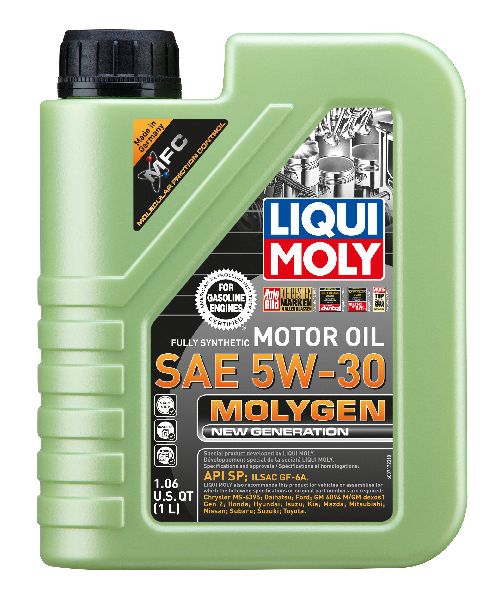
Typical fix: Perform an oil and filter change using the Ford-specified 5W-30 synthetic blend or full synthetic oil and a Motorcraft FL-500S oil filter.
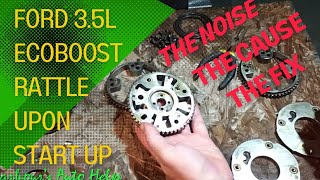
Est. part cost: $50-$100 - Damaged Camshaft Phaser 🟡 Medium Probability Cam phaser issues, often causing a 'cold start rattle,' are a notorious problem on the 3.5L EcoBoost engine. 🎬 Watch: Hear the cold start rattle and see the phaser fix. A phaser that is stuck, has a broken lock pin, or is failing internally cannot respond to the VCT solenoid's commands, causing a timing error code.
How to confirm: Listen for a 2-4 second rattling or grinding noise from the front of the engine on a cold start. Diagnosis is confirmed by mechanical inspection during a timing job. If solenoids and oil are good, the phaser is the next logical suspect.
Typical fix: Replacement of all four camshaft phasers, timing chains, guides, and tensioners. This is a significant and expensive repair. It is critical to use the latest revised OEM parts (e.g., part number starting with 'ML3Z').
Est. part cost: $600-$1200 for a complete OEM timing kit. - Stretched Timing Chain ⚪ Low Probability While typically addressed during a cam phaser job, a stretched timing chain on its own can cause enough slack to create a cam/crank correlation error, especially on higher mileage engines (100k+ miles) or those with poor oil change history.
How to confirm: This is difficult to confirm without disassembling the front of the engine to check timing marks and chain tensioner extension. This is usually diagnosed after other, simpler causes are ruled out.
Typical fix: Replace the timing chains, guides, and tensioners. This is almost always done in conjunction with cam phaser replacement.
Est. part cost: $300-$700 (if not part of a larger phaser kit)
Rare But Worth Checking
- Wiring Harness Damage: Check the wiring and connector to the Bank 2 exhaust VCT solenoid for any visible damage, corrosion, or loose connections. Insulation on harnesses near tight bends can become brittle and fail over time, causing an open circuit.
- Faulty Powertrain Control Module (PCM): In very rare cases, the PCM itself can be the source of the problem, but all other possibilities, including mechanical timing and wiring, should be exhausted first.
Diagnosis Steps
- Check the engine oil level and condition. Top off or perform an oil and filter change with Ford-specified 5W-30 oil and a Motorcraft FL-500S filter if necessary.
- Scan the PCM for any other stored trouble codes. Address other codes first if they are present.
- Visually inspect the wiring harness and connector for the Bank 2 (driver's side) exhaust VCT solenoid. Look for breaks, corrosion, or oil contamination.
- Using a capable OBD-II scan tool (like FORScan or a professional scanner), monitor the PIDs for commanded vs. actual camshaft position for Bank 2 exhaust. Look for a specific PID like 'VCT_EXH_CAM_ERR2' (Bank 2 Exhaust Cam Error). A persistent non-zero value confirms the error.
- If your scan tool allows, command the Bank 2 exhaust VCT solenoid on and off (or perform Ford's HK12 pinpoint test) to see if the timing angle changes and to potentially clear debris.
- A common DIY diagnostic step is to swap the Bank 2 exhaust solenoid with the Bank 2 intake solenoid (they are the same part). Clear the codes and drive the vehicle. If the code changes to P0021 (Intake 'A' Camshaft Position Timing - Over-Advanced Bank 2), the solenoid is confirmed to be the faulty part.
- Listen for a 'cold start rattle'. If present, this strongly suggests the root cause is a failing cam phaser, even if a solenoid replacement temporarily resolves the code.
- If the solenoid tests good or swapping it does not solve the P0025 code, the issue is likely mechanical (failing cam phaser or stretched timing chain), which requires engine disassembly for confirmation and repair. 🎬 Watch: A detailed walkthrough of the Gen 2 phaser replacement process.
Parts You'll Likely Need
- Engine Variable Valve Timing (VVT) Solenoid (Bank 2 Exhaust)
(OEM #HL3Z-6M280-A (Verify with VIN))— This is the most frequent cause of P0025 on the 3.5L EcoBoost, as identified by Ford's own service bulletins. It controls oil flow to the cam phaser and is prone to sticking from debris.
Trusted brands: Motorcraft, Standard Motor Products, Dorman
OEM price range: $60-$90
Aftermarket price range: $30-$60 - Engine Oil and Filter
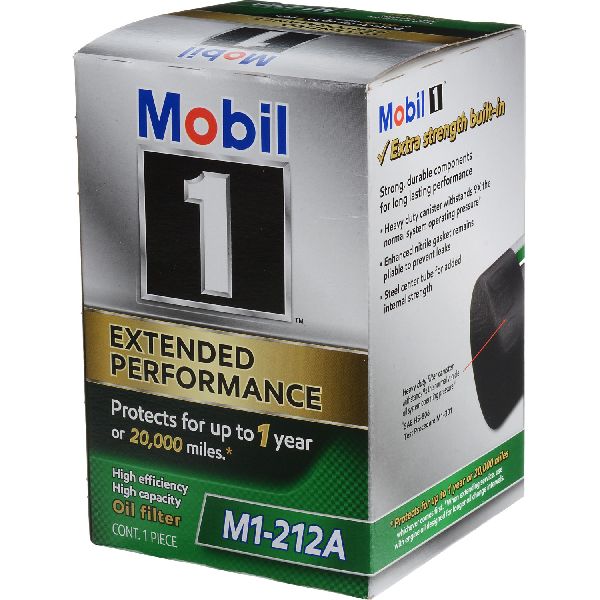
(OEM #Motorcraft FL-500S (Filter))— Correct oil level and cleanliness are paramount for VCT system operation. An oil change is a critical first step. The Motorcraft filter is recommended for its proper anti-drainback valve.
Trusted brands: Motorcraft (Oil & Filter)
OEM price range: $50-$100
Aftermarket price range: $40-$80 - Cam Phaser Timing Chain Kit (Updated Design)
(OEM #ML3Z-6256-A)— If the cause is a failed cam phaser (often indicated by a cold-start rattle), a complete timing job with the latest revised parts is the only permanent solution. This kit typically includes phasers, chains, guides, and tensioners.
Trusted brands: Motorcraft
OEM price range: $600-$1200
Aftermarket price range: Not Recommended
Related Codes That Often Appear With This One
- P0019 — ('Crankshaft Position - Camshaft Position Correlation Bank 2 Sensor B') This code often appears with P0025 because if the exhaust cam is over-retarded, its position will not correlate correctly with the crankshaft's position. TSB 16-0038 specifically notes that if P0019 and P0025 are present together, the recommended fix is to replace the bank 2 exhaust VCT solenoid.
Technical Service Bulletins (TSBs) & Recalls
- SSM 50067: Illuminated MIL with various VCT DTCs including P0025 due to debris in VCT solenoid.
- SSM 54366: Mentions updated pinpoint tests for a range of VCT codes including P0025.
- TSB-16-0093: Lists P0025 as one of several possible VCT-related DTCs.
- TSB160038 / 16-0038: For 2016 3.5L GTDI engines, advises replacing the Bank 2 exhaust VCT solenoid if P0019 and P0025 are present.
Platform-Specific Known Issues
- TSB SSM 50067: Notes that on 2015-2021 models, DTCs including P0025 may be caused by small debris making the VCT solenoid stick. It advises running a diagnostic test (Pinpoint Test HK12) to cycle the solenoid 10 times to clear it before replacement.
- TSB 16-0038: Specifically for 2016 models with the 3.5L GTDI engine with low mileage, this bulletin states that if codes P0019 and P0025 are found together, the Bank 2 exhaust VCT solenoid should be replaced.
- Cold Start Rattle: This is a widely known issue where the engine produces a loud rattle for 2-4 seconds on startup after sitting for several hours. It is a direct symptom of failing cam phasers due to loss of oil pressure and failure of the internal locking pin. Some owners use a 'flood mode' start (holding accelerator to the floor while cranking) to build oil pressure before the engine fires to mitigate the noise, though this is not a fix.
Mechanic-Grade Diagnostic Values
- VCT Solenoid Coil Resistance — expected: 6.9 to 12 ohms. Failure: A reading outside of this range, or an open/infinite reading, indicates a faulty solenoid coil.
- VCT Solenoid Connector Voltage (Key On, Engine Off) — expected: Should be close to battery voltage (approx. 12V).. Failure: Low or no voltage indicates a wiring or PCM driver issue, not a bad solenoid.
- FORScan PID: VCT_EXH_ERR2 (Bank 2 Exhaust Cam Error) — expected: Should be at or very close to 0 degrees at hot idle.. Failure: A consistent, non-zero value (positive or negative) indicates the camshaft is not at its commanded position, confirming a fault in the system.
Scan Tool Commands That Help
- FORScan / Ford IDS: VCT Solenoid On/Off Command (Variable Valve Timing Control) — This bidirectional control allows a technician to manually command the solenoid to actuate. It's used to verify if the solenoid is mechanically stuck or responding to electrical commands. Listening for a click or monitoring timing angle PIDs during this test can confirm solenoid function without removal.
Wiring & Ground Locations
- Bank 2 VCT Solenoid Connectors — On the top of the driver's side valve cover. There are two solenoids, one for intake and one for exhaust.. This is the primary electrical connection for the component that controls the exhaust camshaft timing. The connectors and wiring are susceptible to oil contamination, heat damage, and being accidentally swapped during service.
- Cylinder Head Grounds — There are multiple ground straps and bolts on the cylinder heads that provide a ground path for various sensors and actuators.. A poor ground connection can cause erratic voltage signals and incorrect operation of the VCT solenoids and camshaft position sensors, leading to timing codes. Ensure all ground points are clean and tight during any service.
Real Owner Repair Stories
- Ford F150 Forum (2017 Ford F-150 3.5L EcoBoost, 99k miles) — Check Engine Light with codes P0021 and P0025 after a full timing job (phasers, chains, etc.). Truck ran well with no rough idle.
❌ Tried (didn't work) Swapping the new VCT solenoids with the original ones., Verifying mechanical timing by turning the engine to TDC and checking cam phaser marks.
✅ What actually fixed it The VCT solenoid electrical connectors on the driver's side valve cover had been accidentally reversed (intake plugged into exhaust and vice-versa). Swapping the connectors to their correct positions resolved both codes.
OEM Part Supersession History
AT4Z-6M280-B (and others)→HL3Z-6M280-A— Updated design to improve durability and resistance to sticking from debris.
Heads up: While physically similar, using older generation solenoids in newer engines (or vice-versa) can cause performance issues or codes due to different internal calibration. Always verify the part number with the vehicle's VIN.e.g., BL3Z-6256-B (Gen 1 Phasers)→ML3Z-6256-A— Redesigned cam phasers to address the common 'cold start rattle' and improve locking pin durability.
Heads up: Gen 1 and Gen 2 phasers are not interchangeable due to the different timing chain systems (single vs. dual primary chains).
Model Year Variations Within This Range
- 2015-2017: These models use the first-generation (or 'Gen 1.5') 3.5L EcoBoost. This engine has a single primary timing chain, different cam phasers, and direct injection only.
- 2018-2021: These models use the second-generation 3.5L EcoBoost. Key changes include a dual primary timing chain system, redesigned cam phasers, and a dual-injection system (port and direct injection). The VCT system was also updated with electronic stepper-motor wastegates for the turbos, which are controlled by the PCM in conjunction with cam timing. The engine also received a higher compression ratio and was paired with a 10-speed transmission.
Helpful Videos
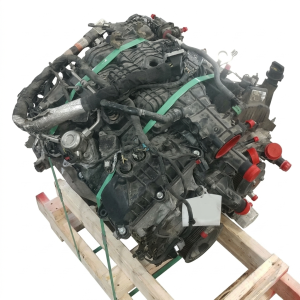
Used OEM Parts in Stock

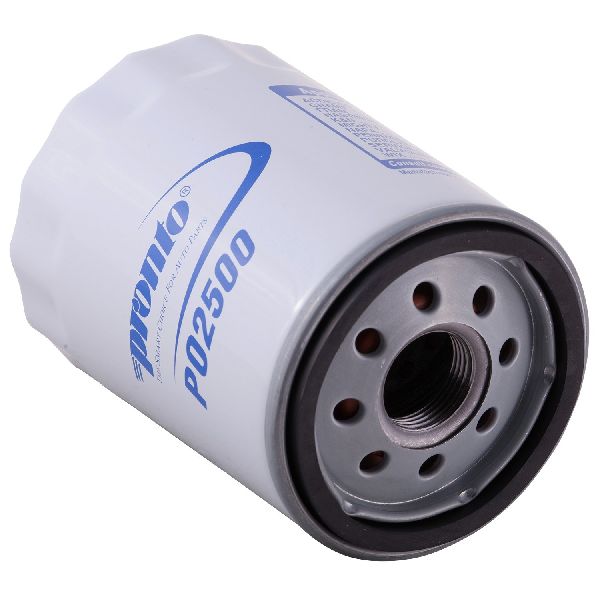
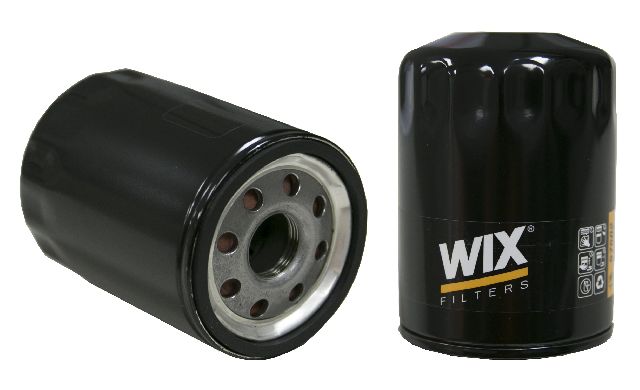
New Aftermarket Parts Available


The information in this article is provided for general reference and educational purposes only. Vehicle specifications, procedures, and part compatibility can vary by production date, trim level, and region. Always consult your vehicle's factory service manual and verify part numbers before purchasing or performing repairs. Safety-critical components such as airbags, seat belts, and braking systems should be installed by a qualified professional.
- Ford EXPEDITION:
- 🎬 Helpful Videos
- 🛍️ Shop This Part
- What's Unique About the 2015-2021 Ford EXPEDITION
- Diagnostic Flowchart
- Symptoms You May Notice
- Most Likely Causes
- Rare But Worth Checking
- Diagnosis Steps
- Parts You'll Likely Need
- Related Codes That Often Appear With This One
- Technical Service Bulletins (TSBs) & Recalls
- Platform-Specific Known Issues
- Mechanic-Grade Diagnostic Values
- Scan Tool Commands That Help
- Wiring & Ground Locations
- Real Owner Repair Stories
- OEM Part Supersession History
- Model Year Variations Within This Range
- 🎟️ Get 5% Off