

P0022 on 2015-2019 Ford Fiesta: Understanding a Rare and Unlikely Code
P0022 signifies 'Intake Camshaft Position Timing Over-Retarded (Bank 2)'. This code is extremely unlikely on a Ford Fiesta, as its inline engines only have one bank (Bank 1). If you see this code, it is likely a scanner error or a deeper electrical/PCM issue. The equivalent and correct code for a Fiesta would be P0012, which is most often caused by low/dirty engine oil or a failing VCT solenoid.
- P0022 should not appear on a Ford Fiesta as it is a 'Bank 2' code and the Fiesta has an inline engine with only one bank.
- If you see P0022, the first step is to verify it with another scan tool, as it is likely an error for the code P0012.
- The most probable causes for the actual underlying fault (P0012) are low/dirty engine oil or a failing VCT solenoid.
- Do not replace the camshaft position sensor; it is rarely the cause of this type of timing correlation code.
- An oil and filter change is the cheapest and easiest first step in attempting a fix.
What's Unique About the 2015-2019 Ford FIESTA
The critical issue for the Ford Fiesta is that its inline engines (1.0L, 1.6L) only have a single cylinder bank, known as Bank 1. Therefore, a 'Bank 2' code like P0022 should not appear. The provided Technical Service Bulletins (TSBs) that list P0022 are general documents for a wide range of Ford and Lincoln vehicles, many of which do have V-engines where this code is applicable. [TSB #SSM 50067, TSB #SSM 47170, TSB #SSM 54366] Its appearance on a Fiesta suggests a potential scan tool misinterpretation, a significant wiring problem, or a fault within the Powertrain Control Module (PCM) itself. The actual code for this condition on a Fiesta would be P0012 ('A' Camshaft Position - Timing Over-Retarded (Bank 1)).
Diagnostic Flowchart
Tap your situation to follow the diagnostic path that matches what you're seeing on this vehicle.
Generation note: The 2015-2019 year range covers the end of the sixth generation (until 2019 in North America) and the beginning of the seventh generation (from 2017 in Europe). However, all engines offered in these generations for the Fiesta are inline engines, making the P0022 code universally inapplicable. The underlying causes for the equivalent P0012 code are consistent across these models.
Symptoms You May Notice
- Check Engine Light is on
- Rough, unstable, or shaky engine idle
- Engine hesitation or stalling, especially when coming to a stop or at low speeds
- Reduced engine power and poor acceleration
- Decreased fuel economy
- Rattling, ticking, or knocking noises from the engine, especially at idle
- Replacing Camshaft Position Sensor: The code indicates a timing *correlation* problem, not necessarily a sensor failure. The sensor is usually working correctly by reporting the out-of-spec timing.
- Searching for 'Bank 2' Components: A mechanic unfamiliar with the Fiesta's engine may waste time looking for a second bank of cylinders, VCT solenoids, or sensors that do not exist on this vehicle.
Most Likely Causes
- Scan Tool Error or PCM Fault 🔴 High Probability The vehicle's architecture (inline engine) makes a Bank 2 code impossible. The most logical explanation is that the diagnostic tool is misinterpreting a different fault code (likely P0012) or the PCM has a serious internal error.
How to confirm: Use a different, high-quality OBD-II scanner to re-read the codes. If the code disappears or changes to P0012, the original scanner was at fault. If it persists across multiple quality scanners, a deeper PCM diagnostic is needed.
Typical fix: Confirm the correct trouble code. If P0012 is the actual code, proceed with diagnosing the VCT system. If P0022 persists across multiple quality scanners, the PCM may need testing or replacement.
Est. part cost: $0 (for re-scanning) - $800+ (for PCM replacement) - Low, Dirty, or Incorrect Viscosity Engine Oil (for the equivalent P0012 fault) 🔴 High Probability The VCT system is hydraulically operated by engine oil, and the passages in the solenoids are very small and easily clogged. Ford TSBs for VCT codes explicitly state that debris in the oil can cause VCT solenoids to stick. [TSB #SSM 50067, TSB #SSM 47170] The 1.0L EcoBoost features a 'wet belt' (timing belt in oil) that can degrade, shedding material that clogs the oil pickup and VCT system.
How to confirm: Check the engine oil level on the dipstick and inspect its condition. If it is low, dark, sludgy, or past its change interval, it is a primary suspect.
Typical fix: Perform an engine oil and filter change using the manufacturer-specified oil viscosity (e.g., 5W-20 for the 1.6L Ti-VCT). This is the most important first step.
Est. part cost: $40-$80 - Failing Variable Camshaft Timing (VCT) Solenoid (for the equivalent P0012 fault) 🟡 Medium Probability This is the most common component failure for VCT-related codes on Ford vehicles. The solenoid can become clogged with debris from dirty oil or fail electrically, causing it to stick in one position.
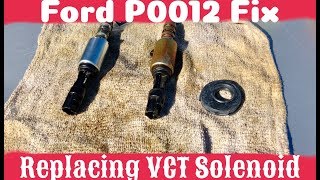
How to confirm: A common diagnostic step for the 1.6L Ti-VCT is to swap the intake and exhaust VCT solenoids, as they are identical. Clear the codes and drive the vehicle. If the code changes to P0014 (exhaust camshaft timing), the solenoid is confirmed as the faulty part. Ford TSBs also recommend using a scan tool to cycle the solenoid 10 times to try and clear debris 🎬 Watch: How to fix a P0012 code by replacing the solenoid. before replacement. [1, TSB #SSM 50067, TSB #SSM 47170]
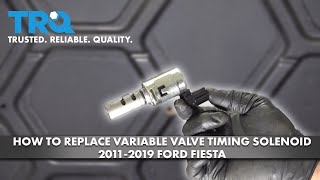
Typical fix: Replace the Bank 1 intake VCT solenoid. 🎬 Watch: See this step-by-step VCT solenoid replacement walkthrough.
Est. part cost: $30-$90
Rare But Worth Checking
- Stretched or Jumped Timing Belt/Chain: If the timing belt has skipped a tooth or the tensioner is weak, it can cause the camshaft timing to be physically retarded, leading to a P0012 code. This is a more serious mechanical issue that requires inspection of the timing marks.
- Failed Camshaft Phaser: The phaser is the mechanical gear that actually adjusts the cam timing. It can fail internally or get clogged with sludge, preventing it from returning to the base position correctly. This is a more involved and expensive repair.
Diagnosis Steps
- Verify the code with a second, high-quality scan tool. If the code changes to P0012, proceed with the following steps for a Bank 1 issue.
- If P0022 persists, investigate for PCM or major wiring harness issues. This step likely requires a professional.
- Assuming the code is actually P0012: Check the engine oil level and condition. If low, dirty, or the wrong type, perform an oil and filter change with the correct viscosity oil (e.g., 5W-20 for 1.6L Ti-VCT).
- Listen for any rattling from the timing cover area, which could indicate a loose timing belt or tensioner issue.
- Locate the intake and exhaust VCT solenoids on the top of the engine. They are held in by a single 8mm bolt each.
- Swap the positions of the intake and exhaust VCT solenoids (they are identical on the 1.6L Ti-VCT). Clear the codes and drive the vehicle.
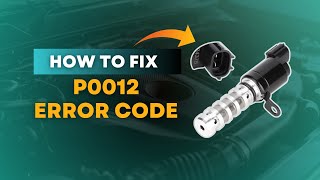
- If the code returns as P0014 (Exhaust Camshaft Position Timing), the original intake solenoid is faulty and needs replacement. 🎬 Watch: Easy DIY guide for fixing camshaft timing over-retarded codes.
- If the code returns as P0012, the problem is not the solenoid. Further diagnosis of the camshaft phaser, timing belt/chain, or oil passages is required.
- As per Ford TSB SSM 48423, a professional scan tool can be used to command the VCT solenoid to cycle 10 times, which may clear internal debris.
Parts You'll Likely Need
- Variable Camshaft Timing (VCT) Solenoid / Oil Control Valve (for Bank 1)
(OEM #BE8Z-6M280-A / BE8Z-6M280-B / CN1G-6L713-BC)— This is the most common failure point for timing-retarded codes on Fords, as it gets stuck from oil debris. This would be the fix for the equivalent P0012 code.
Trusted brands: Motorcraft, Dorman, Delphi
OEM price range: $50-$90
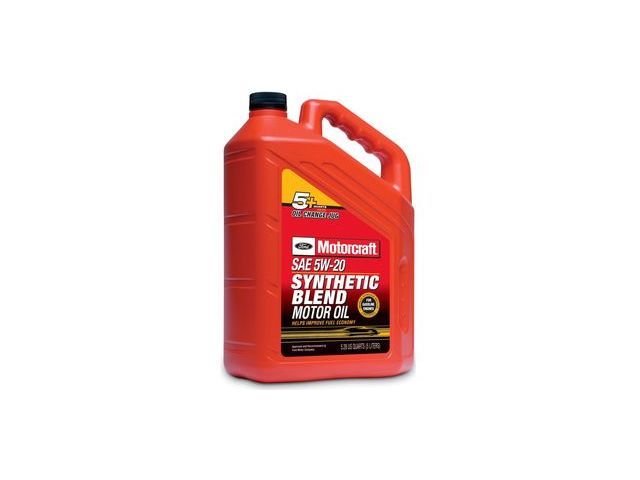
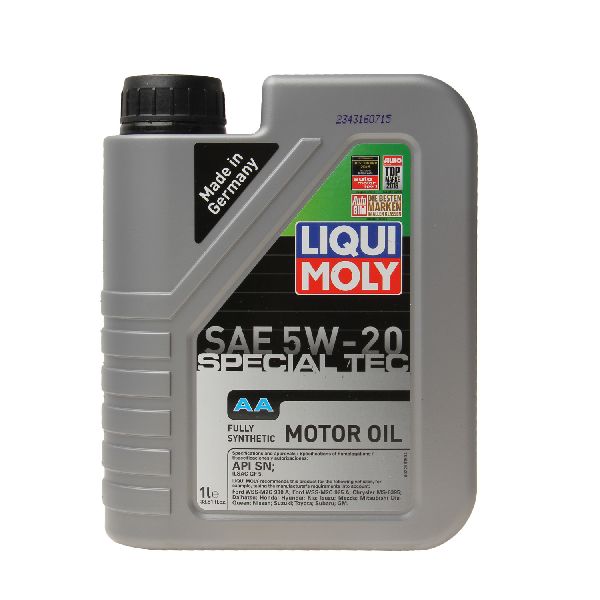
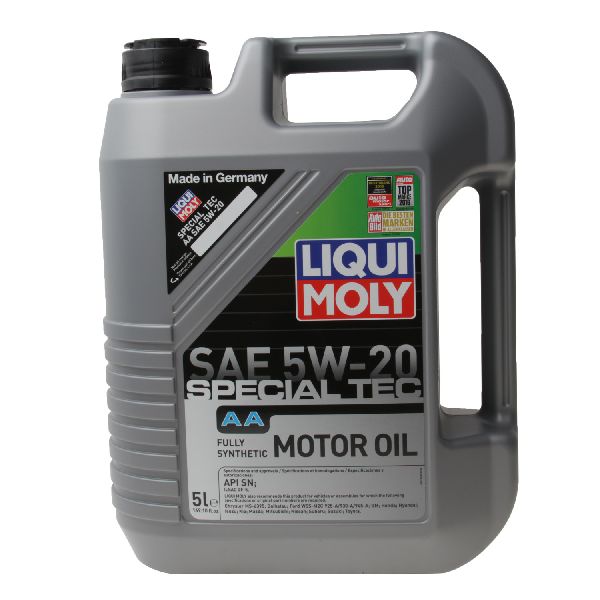
Aftermarket price range: $30-$60 - Engine Oil and Filter — Clean oil of the correct viscosity is critical for the VCT system to function. An oil change is the first and most important step in addressing the equivalent P0012 code.
Trusted brands: Motorcraft, Castrol, Mobil 1
OEM price range: $40-$80
Aftermarket price range: $35-$65
Related Codes That Often Appear With This One
- P0012 — This is the correct code for the same issue ('A' Camshaft Position Timing Over-Retarded) but on Bank 1, which is the only bank the Fiesta has. P0022 is likely a misreading of P0012.
- P0014 — This code is for the exhaust camshaft timing. It may appear alongside P0012 if the root cause is oil pressure/contamination affecting both VCT solenoids. A Fiesta ST forum user reported both codes appearing together after an engine overhaul.
- P0300-P0304 — Misfire codes can occur because incorrect camshaft timing disrupts the proper combustion process in one or more cylinders.
Technical Service Bulletins (TSBs) & Recalls
- SSM 50067 / SSM 47170: Notes that various VCT codes, including P0022, can be caused by small debris causing the VCT solenoid to stick on Ford/Lincoln vehicles. Recommends using a scan tool to cycle the affected solenoid 10 times to attempt to clear debris before replacement.
- SSM 48423: Notes that for some 2015-2020 Ford vehicles, DTCs like P0012 may be caused by small debris making the VCT solenoid stick. It recommends cycling the solenoid with a scan tool before replacement.
Platform-Specific Known Issues
- 1.0L EcoBoost Wet Timing Belt Degradation: The 1.0L EcoBoost engine uses a timing belt that runs in engine oil. Over time, this belt can degrade and shed rubber particles, which can clog the oil pump pickup screen, oil passages, and the VCT solenoids. This leads to oil starvation and can trigger codes like P0012. This is a well-documented issue in owner forums and can be a severe problem if not addressed, potentially leading to catastrophic engine failure.
Mechanic-Grade Diagnostic Values
- VCT Solenoid Internal Resistance — expected: 7.0 to 14.0 Ohms. One source specifies 6-12 Ohms, another 7.8 Ohms, and a third (for Toyota, but similar principle) 6.9-7.9 Ohms.. Failure: An open circuit (infinite resistance/OL) or a short (near zero resistance) indicates a failed solenoid.
- VCT Solenoid Connector Voltage (Key On, Engine Off) — expected: Approximately 12V (Battery Voltage) on the power supply pin.. Failure: No voltage suggests a problem with the fuse (F16 in the battery junction box for a Fiesta) or the PCM power relay.
- Engine Oil Pressure at Idle (Hot) — expected: Minimum of 15 PSI at idle.. Failure: Pressure below 15 PSI can cause the VCT system to malfunction and may indicate wider engine wear issues or oil pump problems.
- FORScan Live Data PID: VCT_ADV_ERR (VCT Advance Error) — expected: Should hover around 0° (plus or minus 5° is acceptable).. Failure: A large, persistent error value indicates the camshaft is not reaching its commanded position, pointing to a VCT system fault.
Scan Tool Commands That Help
- Ford IDS / FORScan: Pinpoint Test HK11 / VCT Solenoid On/Off Test — As per Ford TSBs, this command cycles the VCT solenoid 10 times to dislodge small debris that may be causing it to stick. This should be attempted before replacing the solenoid.
- FORScan: TCM Adaptive Learning / Clear Transmission Adaptive Tables — While not directly for a P0012 code, if a user is using FORScan for diagnostics, it's important to know that after transmission work (which can be confused with engine hesitation), this function is used to reset the transmission's shift logic. It is separate from module programming.
Wiring & Ground Locations
- VCT Solenoid Connector (Intake) — On top of the engine, on the valve cover, typically near the oil cap side.. This is the connection point for testing voltage and resistance of the solenoid. On a Fiesta, Pin 1 (Blue/Green wire) is the 12V power supply from fuse F16, and Pin 2 is the control line (ground provided by the PCM).
- ECM Ground — On the frame rail below the air box.. A poor ground for the Engine Control Module (ECM/PCM) can cause erratic behavior and incorrect sensor readings, potentially leading to false codes.
- Main Engine/Chassis Grounds — Includes the main battery-to-chassis ground, two ground bolts near the brake master cylinder, and a ground point under the air intake filter.. Multiple poor grounds can create widespread electrical issues. After any major engine or transmission work, it's critical to ensure all grounds are clean and secure.
Real Owner Repair Stories
- Commenter on 'HVAC Mechanic' YouTube video (Unspecified Ford with P0012) — Persistent P0012 code after a complete engine rebuild.
❌ Tried (didn't work) Engine was rebuilt, VVT/VCT solenoid was replaced
✅ What actually fixed it The owner concluded the only remaining possibility was a faulty VCT actuator/sprocket (cam phaser) on the end of the camshaft, as all other common fixes had failed. - Fiesta ST Forum user (Fiesta ST, after engine and turbo overhaul) — P0012, P0014, and P0330 codes appeared after major engine work.
❌ Tried (didn't work) Using 10W-40 break-in oil (was a concern but not the root cause)
✅ What actually fixed it The suggested fix, though not confirmed by the original poster, was that metal shavings from the previous engine failure likely contaminated the original VCT solenoids, which were reused on the new engine. Replacing the VCT solenoids was the recommended next step.
OEM Part Supersession History
8L3Z-6M280-A→8L3Z-6M280-B— Part revision/update by Ford.
Heads up: While these part numbers are for the V8 Triton engine, they show a common Ford supersession pattern. The Fiesta-specific part BE8Z-6M280-A was superseded by BE8Z-6M280-B. They are generally interchangeable, but using the latest revision is always recommended.
Helpful Videos
We Have This Part in Stock




The information in this article is provided for general reference and educational purposes only. Vehicle specifications, procedures, and part compatibility can vary by production date, trim level, and region. Always consult your vehicle's factory service manual and verify part numbers before purchasing or performing repairs. Safety-critical components such as airbags, seat belts, and braking systems should be installed by a qualified professional.
- Ford FIESTA:
- 🎬 Helpful Videos
- 🛍️ Shop This Part
- What's Unique About the 2015-2019 Ford FIESTA
- Diagnostic Flowchart
- Symptoms You May Notice
- Most Likely Causes
- Rare But Worth Checking
- Diagnosis Steps
- Parts You'll Likely Need
- Related Codes That Often Appear With This One
- Technical Service Bulletins (TSBs) & Recalls
- Platform-Specific Known Issues
- Mechanic-Grade Diagnostic Values
- Scan Tool Commands That Help
- Wiring & Ground Locations
- Real Owner Repair Stories
- OEM Part Supersession History
- 🎟️ Get 5% Off