

P0022 on 2015-2020 Ford Explorer: Causes and Fixes for Over-Retarded Cam Timing
Code P0022 on a 2015-2020 Ford Explorer most often points to a faulty Variable Camshaft Timing (VCT) solenoid on Bank 2, often due to dirty oil or debris clogging its internal screens. First, check your engine oil level and condition. If the oil is fine, the next step is usually replacing the Bank 2 intake VCT solenoid. Bank 2 is the cylinder bank closer to the radiator. The part costs about $30-$80.
- The first and easiest step for P0022 is to check your engine oil. Low or dirty oil is a very common cause.
- The most likely faulty part is the Bank 2 intake VCT solenoid, which is relatively inexpensive and accessible to a DIYer with basic tools.
- Bank 2 on the V6 Explorer engines is the cylinder bank closer to the radiator.
- Ford has acknowledged this issue in several TSBs, pointing to debris in the oil as a primary culprit for sticking solenoids.
- If you hear a rattling noise from the engine on cold starts, the problem could be more serious, like a stretched timing chain, which is a much larger and more expensive repair.
What's Unique About the 2015-2020 Ford EXPLORER

On Ford Explorers with the 3.5L and 3.7L V6 engines, the P0022 code is frequently linked to the Variable Camshaft Timing (VCT) solenoids. The VCT system is highly sensitive to oil quality, and the solenoids have very fine mesh screens that can get clogged by small debris or sludge from delayed oil changes. Ford has issued multiple Technical Service Bulletins (TSBs) acknowledging that this debris can cause the VCT solenoid to stick. TSB SSM 47170 specifically recommends using a scan tool to cycle the solenoid 10 times to try and clear the debris before replacement.
Diagnostic Flowchart
Tap your situation to follow the diagnostic path that matches what you're seeing on this vehicle.
Generation note: The 2015-2020 range covers the end of the 5th generation (2015-2019) and the start of the 6th generation (2020). The 5th gen primarily used the 3.5L naturally aspirated and 3.5L EcoBoost V6 engines, where this code is common. The 2020 model introduced new 3.0L EcoBoost and 3.3L Hybrid V6 engines. While the underlying VCT system is similar, the exact part numbers and locations will differ between these engine families. TSB 15-0151 notes that some 2016 Explorers with the 3.5L GTDI engine may only need a PCM reprogram to fix a P0022 code.
Symptoms You May Notice
- Check Engine Light is on
- Rough or unstable idle
- Engine hesitation or lack of power during acceleration 🎬 Watch: Understanding why the P0022 code causes rough idling
- Hard starting
- Decreased fuel mileage
- Stalling at low speeds
- Audible rattling or knocking noise from the engine, especially on a cold start 🎬 Listen: Hear what a failing engine phaser sounds like
- Replacing the camshaft position sensor when the actual problem is the VCT solenoid.
- Replacing the VCT phaser (an expensive, labor-intensive job) when the issue is simply a clogged/stuck VCT solenoid or dirty oil.
Most Likely Causes

- Low or Dirty Engine Oil 🔴 High Probability The VCT system is entirely dependent on clean oil at the correct pressure to function. The fine mesh screens on the VCT solenoids are easily clogged by sludge and debris from extended oil change intervals, which restricts oil flow and causes timing errors.
How to confirm: Check the oil level on the dipstick and inspect its color and consistency. If the level is low or the oil is dark, gritty, or significantly past its change interval, this is the primary suspect.
Typical fix: Perform an oil and filter change using the correct viscosity oil specified in the owner's manual (typically 5W-20 or 5W-30 for these engines). Clear the codes and see if the issue returns.
Est. part cost: $40-$80 - Failing Variable Camshaft Timing (VCT) Solenoid 🔴 High Probability Ford TSBs SSM 47170, SSM 50067, and others directly state that debris can cause the VCT solenoid to stick, triggering this code. Forum users frequently report finding broken or clogged screens on the solenoid upon removal. It is the most common point of failure for this code.
How to confirm: A mechanic can use a scan tool to command the solenoid on and off to check its response, per TSB SSM 47170. A common DIY diagnostic is to swap the Bank 2 intake solenoid with the Bank 1 intake solenoid. Clear codes and drive. If the code changes to P0012 (the Bank 1 equivalent), the solenoid is confirmed faulty. Bank 2 is the cylinder head closer to the front of the vehicle (radiator side) on the transverse-mounted 3.5L V6.
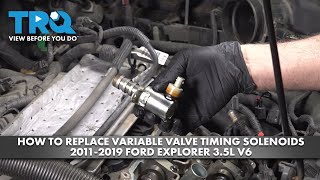
Typical fix: Replace the Bank 2 intake VCT solenoid. This requires removing the valve cover. 🎬 Watch: Step-by-step guide to replacing the VCT solenoid
Est. part cost: $30-$80 - Worn Timing Chain or Phasers 🟡 Medium Probability The 3.5L engines, particularly the EcoBoost variant, are known for timing chain stretch and phaser issues at higher mileage, often signaled by a distinct rattle on cold startup. A stretched chain or a failing phaser (actuator) will cause a mechanical timing deviation that the VCT system cannot correct.
How to confirm: This is a more involved diagnosis. A prominent rattling noise on a cold start that lasts for a few seconds is a strong indicator. A mechanic would need to remove the valve cover and front engine cover to inspect the chain for slack and check the phasers.
Typical fix: Replace the timing chain, guides, tensioners, and VCT phasers. This is a significant and costly repair.
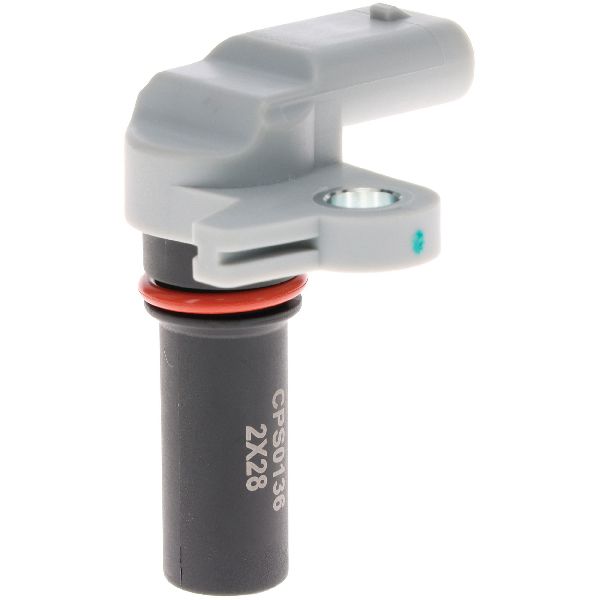
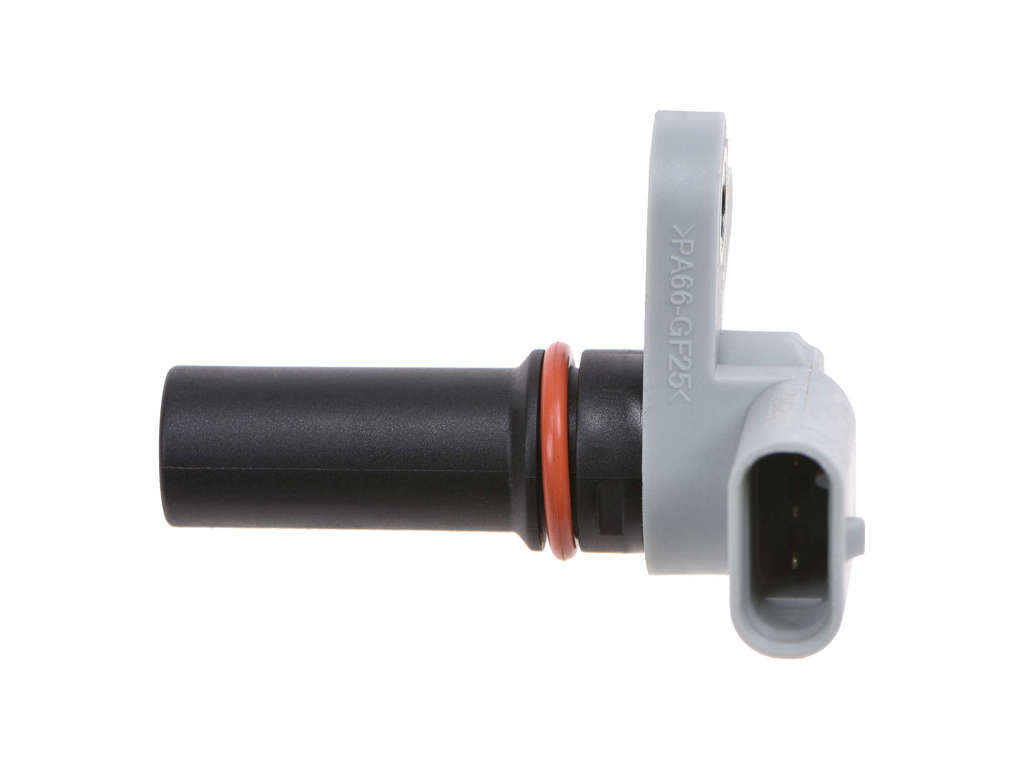
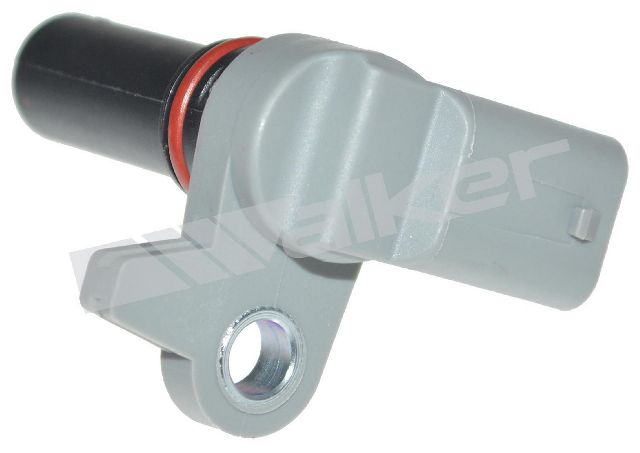
Est. part cost: $400-$900 - Faulty Camshaft Position Sensor ⚪ Low Probability While less common than a solenoid failure, a sensor providing incorrect data to the PCM can also trigger this code. However, it's often misdiagnosed, and the actual fault lies with the solenoid or mechanical timing.
How to confirm: Check the sensor's wiring for damage. A diagnostic scan tool can monitor the sensor's live data for erratic readings. Swapping the sensor with another one on the engine can also help diagnose the issue.
Typical fix: Replace the Bank 2 intake camshaft position sensor.
Est. part cost: $20-$50
Rare But Worth Checking
- Clogged Oil Passages: In cases of severe engine sludge or after a major component failure, oil passages leading to the VCT phaser can become blocked, starving the system of the pressure needed to adjust timing.
- PCM Fault or Outdated Software: TSB 15-0151 indicates that for some 2016 Explorers with the 3.5L GTDI engine, a PCM software update is the specified fix for a P0022 code. In very rare instances, the Powertrain Control Module itself can be the source of the problem, but all other possibilities should be exhausted first.
Diagnosis Steps

- Check the engine oil level and condition. Top off or perform an oil and filter change if necessary. This simple step fixes the issue more often than expected.
- Use an OBD-II scanner to confirm P0022 and check for any other related codes. Note any codes for the opposite bank (P0012) or for cam sensor circuits.
- Inspect the wiring harness and connector for the Bank 2 intake VCT solenoid and camshaft position sensor for any damage, corrosion, or loose connections.
- Using a capable scan tool, access the PCM's diagnostic tests. Per Ford TSB SSM 47170, command the Bank 2 intake VCT solenoid on and off (cycle it 10 times) to see if it can be unstuck. Listen for a clicking sound from the solenoid.
- If the code persists, perform a VCT solenoid swap. Exchange the Bank 2 intake solenoid with the Bank 1 intake solenoid. Clear the codes and drive the vehicle. If the code returns as P0012 (for Bank 1), the solenoid is confirmed to be faulty.
- If the solenoid swap does not move the code, the issue may be mechanical. Listen for a timing chain rattle on cold startups.
- If no noise is present and solenoids test good, investigate the camshaft position sensor by monitoring its live data on a scan tool or swapping it with a known good sensor.
- If all else fails, a more in-depth mechanical inspection of the timing chain, tensioners, and VCT phasers is required, which usually involves significant engine disassembly.
Parts You'll Likely Need
- Variable Camshaft Timing (VCT) Solenoid (Bank 2, Intake)
(OEM #AT4Z-6M280-B (Left/Bank 2 Intake))— This is the most frequent point of failure for the P0022 code on this platform, often due to sticking from oil debris as noted in Ford TSBs. Bank 2 is the 'left' bank, closer to the radiator in a transverse layout.
Trusted brands: Motorcraft, Dorman
OEM price range: $50-$90
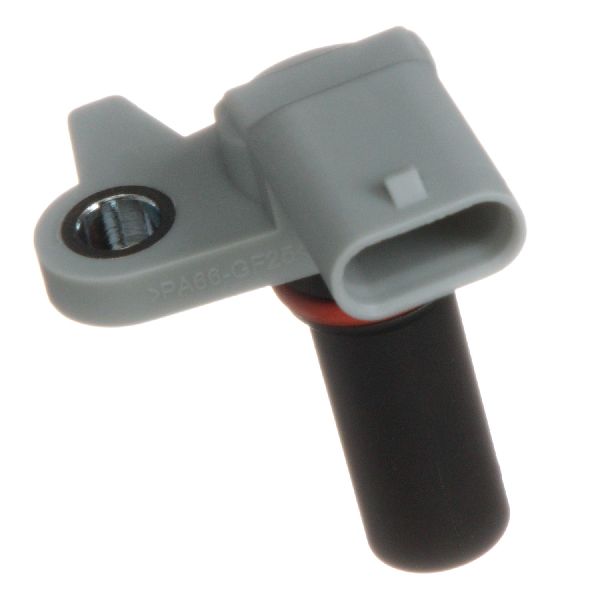
Aftermarket price range: $30-$70 - Camshaft Position Sensor (Bank 2, Intake) — A less common but possible cause. It provides the position data to the PCM, and if it fails, it can mimic a mechanical timing issue. Often replaced unnecessarily.
Trusted brands: Motorcraft, Bosch, NGK/NTK
OEM price range: $35-$60
Aftermarket price range: $20-$50 - Timing Chain Kit (Chains, Phasers, Guides, Tensioners) — For higher-mileage vehicles, especially if cold-start rattle is present, a stretched chain or failing phaser is a common mechanical cause of this code. This is a major repair.
Trusted brands: Motorcraft, Cloyes
OEM price range: $600-$1000
Aftermarket price range: $400-$700
Related Codes That Often Appear With This One
- P0012 — This is the equivalent over-retarded code for Bank 1. Seeing both may indicate a systemic issue like low oil pressure or widespread sludge.
- P052D — As seen in NHTSA complaint #10927619 and forum posts, this code for 'Cold Start Cam Timing Over Retarded' can appear with P0022, pointing strongly to a VCT system problem that is most pronounced when the engine and oil are cold.
- P0021 — This is for 'Intake Camshaft Position Timing - Over-Advanced (Bank 2)'. Seeing it with P0022 could indicate an erratic VCT solenoid or phaser that is not controlling the camshaft position correctly at all.
Technical Service Bulletins (TSBs) & Recalls
- SSM 47170: Notes that P0022 may be due to small debris causing the VCT solenoid to stick.
- SSM 54366: Mentions P0022 in a list of VCT-related codes and refers to specific diagnostic tests in the workshop manual.
- SSM 50067: Repeats the guidance from SSM 47170, indicating that debris in the VCT solenoid is a known issue causing codes like P0022.
Platform-Specific Known Issues
- NHTSA Technical Service Bulletin (TSB) #SSM 47170, #SSM 50067, and #SSM 54366 note that various Ford vehicles can exhibit a wide range of VCT-related codes (including P0022) due to small debris causing the VCT solenoid to stick.
Mechanic-Grade Diagnostic Values
- VCT Solenoid (Oil Control Valve) Resistance — expected: 6.9 to 7.9 ohms at 68°F (20°C). Failure: A reading of zero ohms indicates a short, an infinite reading (OL) indicates an open circuit, and a value outside the specified range suggests a faulty solenoid.
- Camshaft Position Sensor (3-wire Hall-effect) Voltage Check — expected: Reference voltage: ~5V; Signal wire: ~5V (static, key on); Ground: ~12.6V (when testing from positive battery terminal). Failure: If the reference voltage from the ECU is missing or incorrect, the issue is upstream (wiring or ECU). If reference voltage is present but the signal does not toggle between ~5V and ~0V when metal is passed over the sensor tip, the sensor itself is likely faulty.
- FORScan Live Data - VCT Error — expected: PIDs like VCT_ERR1 and VCT_ERR2 (for Bank 1 and Bank 2 error) should be close to 0 degrees at idle.. Failure: A large or wildly fluctuating value on the VCT_ERR2 PID indicates the PCM cannot control the Bank 2 camshaft position. A value that is consistently high or low points to a stuck phaser or solenoid.
Scan Tool Commands That Help
- FORScan / Ford IDS: VCT Solenoid Duty Cycle Command (e.g., VCTDC, VCTDC2) — This bidirectional control allows a technician to manually command the VCT solenoid to activate. This is used to verify if the solenoid is mechanically stuck or electrically non-responsive. You can monitor the VCT error PID while commanding the solenoid to see if it responds as expected.
- FORScan / Ford IDS: Clear Transmission Adaptive Tables — While not directly for the engine code, erratic engine performance from a P0022 can cause the transmission to develop harsh shifting. After fixing the root cause of P0022, clearing the transmission's adaptive learning strategy can restore smooth shifting.
Wiring & Ground Locations

- C1581 (Bank 2 VCT Solenoid Connector) — On the front-facing valve cover (Bank 2, radiator side), on the top of the engine. The intake solenoid is typically the upper or more accessible of the two solenoids on that bank.. This is the direct electrical connection to the component most likely to fail. Inspecting this 2-pin connector (pigtail part number WPT-1250) for corrosion, damage, or loose pins is a critical first electrical check.
- PCM (Powertrain Control Module) Connector — Typically located in the engine bay, often near the firewall or battery.. All VCT solenoid and camshaft sensor signals route to the PCM. If sensors and solenoids test good, a technician may need to perform continuity and voltage checks at the PCM connector pins to rule out a wiring harness break or a fault in the PCM itself.
Real Owner Repair Stories
- Reddit user in r/Ford (2016 F-150 3.5L EcoBoost) — Very rough idle (jumping from 1100 to 400 RPM), Check Engine Light with code P0022.
❌ Tried (didn't work) Initial dealership diagnosis led to a $4000 CAD timing job (main chain, tensioner, and VCT units), which did not fix the rough idle., A subsequent spark plug replacement for $500 CAD also did not fix the issue.
✅ What actually fixed it The code P0022 returned 6000km later. A second diagnosis found that two of the four VCT solenoids had failed. The user was quoted another $3300 CAD for solenoid replacement, questioning whether the VCT units were actually replaced in the first repair. The final fix was the replacement of the failed VCT solenoids. - F150Forum.com user (Ford F-150 with 10R80 transmission (specific year/engine not stated, but symptoms match 3.5L EcoBoost)) — Engine misfire/shudder feeling and harsh shifting after 2+ hours of highway driving. Rough idle and occasional stalling at stoplights. Code P0022 present.
❌ Tried (didn't work) User was in the diagnostic phase, analyzing FORScan data.
✅ What actually fixed it Forum experts analyzed the user's FORScan data, which showed the Bank 2 intake VCT error (VCT_DIF) swinging wildly by over 40 degrees, while Bank 1 was stable. The diagnosis was a failing Bank 2 intake VCT solenoid that was slow to react and overcorrecting. The recommended fix was to replace both the intake and exhaust VCT solenoids on Bank 2 with genuine Ford/Motorcraft parts, as aftermarket solenoids were reported to cause persistent issues.
OEM Part Supersession History
AT4Z-6M280-A→AT4Z-6M280-B— Part revision and improvement by the manufacturer. The -B revision is the current standard replacement for the Bank 2 (left) intake solenoid on many 3.5L/3.7L engines.
Heads up: Using the incorrect solenoid (e.g., an exhaust solenoid in the intake position, or a Bank 1 solenoid on Bank 2) can cause the code to persist or new codes to appear. The solenoids for intake/exhaust and left/right banks can have different part numbers (e.g., -A, -B, -C suffixes) and are not always interchangeable.
Model Year Variations Within This Range
- 2017-2020: For the 3.5L EcoBoost engine, the 2017 model year introduced the second generation. This was a significant redesign featuring both port and direct fuel injection, a new 10-speed transmission (10R80), and other internal changes. While the VCT system's principle is the same, some components and diagnostic approaches may differ from the first-generation (pre-2017) EcoBoost.
- 2018-2020: The base naturally aspirated V6 engine was changed from a 3.5L Cyclone V6 to a smaller 3.3L V6 starting in the 2018 model year for some Ford platforms like the F-150. While the Explorer largely retained the 3.5L, service information for other vehicles with the 3.3L may show different part numbers or procedures. The VCT solenoid AT4Z-6M280-B is listed as compatible with the 3.3L, 3.5L, and 3.7L engines.
Helpful Videos

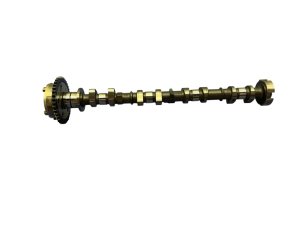
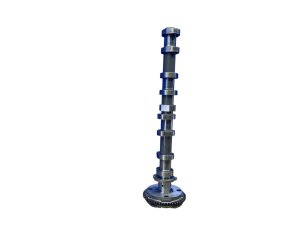
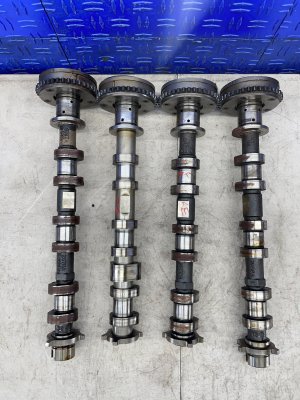
Used OEM Parts in Stock
New Aftermarket Parts Available


The information in this article is provided for general reference and educational purposes only. Vehicle specifications, procedures, and part compatibility can vary by production date, trim level, and region. Always consult your vehicle's factory service manual and verify part numbers before purchasing or performing repairs. Safety-critical components such as airbags, seat belts, and braking systems should be installed by a qualified professional.
- Ford EXPLORER:
- 🎬 Helpful Videos
- 🛍️ Shop This Part
- What's Unique About the 2015-2020 Ford EXPLORER
- Diagnostic Flowchart
- Symptoms You May Notice
- Most Likely Causes
- Rare But Worth Checking
- Diagnosis Steps
- Parts You'll Likely Need
- Related Codes That Often Appear With This One
- Technical Service Bulletins (TSBs) & Recalls
- Platform-Specific Known Issues
- Mechanic-Grade Diagnostic Values
- Scan Tool Commands That Help
- Wiring & Ground Locations
- Real Owner Repair Stories
- OEM Part Supersession History
- Model Year Variations Within This Range
- 🎟️ Get 5% Off