

P0022 on 2015-2021 Ford Expedition: Causes and Fixes for Over-Retarded Cam Timing
P0022 on a 2015-2021 Ford Expedition almost always points to a problem with the Variable Camshaft Timing (VCT) system on Bank 2 (driver's side). The most common fix is replacing a sticking or failed VCT solenoid, often due to oil contamination. Expect to pay $40-$100 for the part. If a rattling noise is present on cold starts, the issue is likely worn cam phasers, a much more expensive repair costing between $3,000 and $5,000.
- P0022 on a 2015-2021 Expedition means the driver's side intake camshaft timing is incorrect.
- Before buying any parts, check your engine oil level and quality. A simple oil change can sometimes fix the issue.
- The most common part to fail is the Bank 2 (driver's side) intake VCT solenoid, often due to sticking.
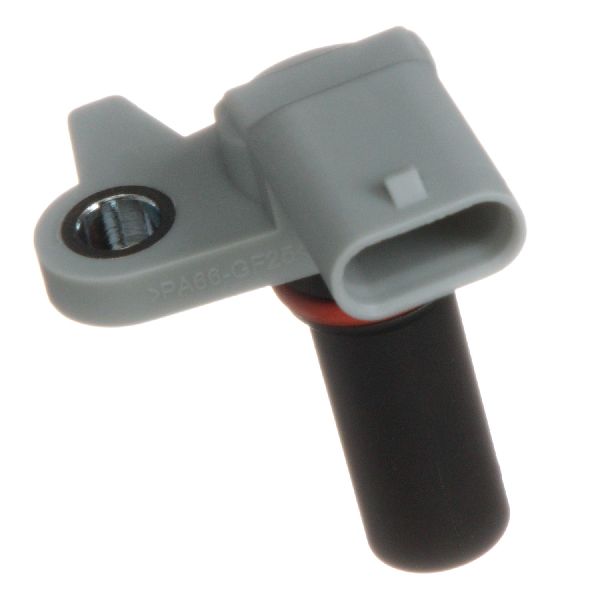
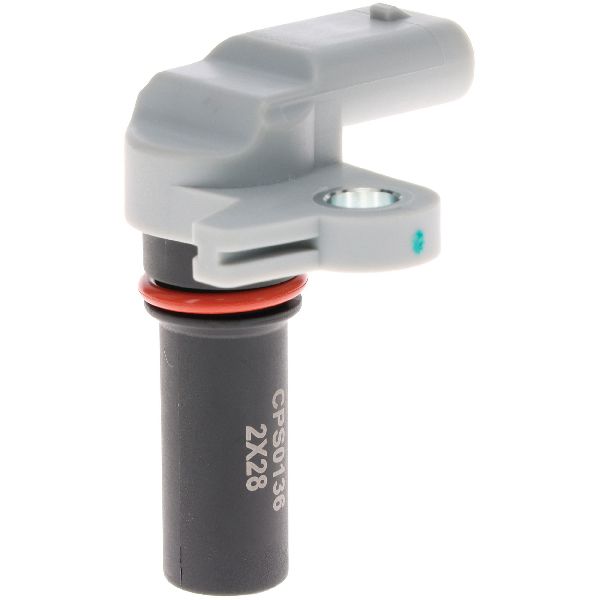
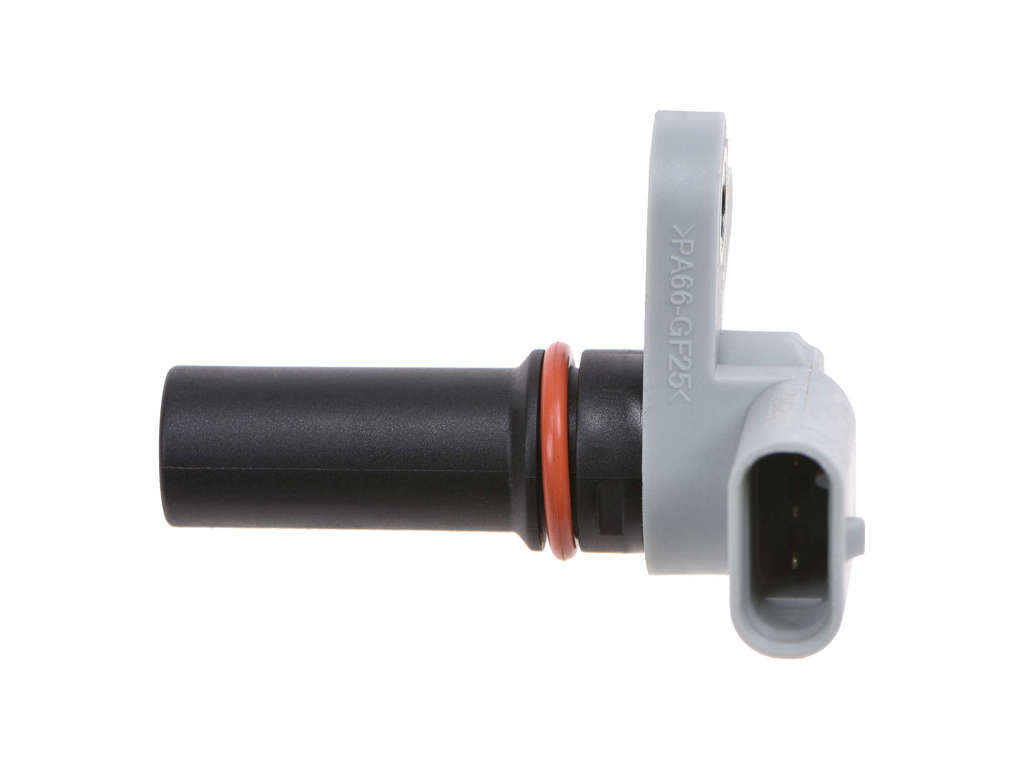
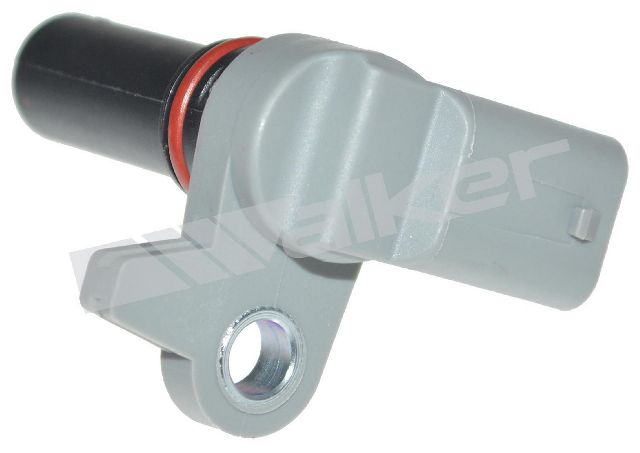
- Do not immediately replace the camshaft position sensor; it is rarely the cause.
- If you hear a rattling noise from the engine, especially on startup, it may indicate a more serious problem with the cam phasers or timing chain, requiring a more expensive repair.
What's Unique About the 2015-2021 Ford EXPEDITION

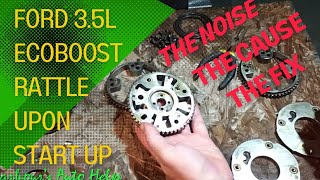
The 3.5L EcoBoost engine in the Expedition is known for VCT system issues. The system is highly sensitive to oil quality, level, and pressure. Ford has issued multiple Technical Service Bulletins (TSBs) acknowledging that small debris in the engine oil can cause the VCT solenoids to stick, leading to this and other related codes. Owners on forums like F150forum.com and ExpeditionForum.com frequently discuss a characteristic 'rattle' on startup, which is often a precursor or symptom of failing VCT components like phasers and solenoids. This rattle may last 2-5 seconds after a cold soak of 6 hours or more and is specifically addressed in TSBs related to worn VCT units.
🎬 Watch: Hear the rattle and understand the phaser failure.Diagnostic Flowchart
Tap your situation to follow the diagnostic path that matches what you're seeing on this vehicle.
Generation note: This guide covers the third generation (2015-2017) and the fourth generation (2018-2021) Ford Expedition. Both generations use versions of the 3.5L EcoBoost V6 engine (Gen 1 for 2015-2017, Gen 2 for 2018+) and share the same fundamental VCT system design, making the causes and repairs for P0022 very similar. The underlying issues with VCT solenoids and cam phasers are common to both generations.
Symptoms You May Notice
- Check Engine Light is on
- Rough engine idle, sometimes getting worse as the engine warms up
- Engine stalling, particularly at stop lights
- Reduced engine power and acceleration
- Poor fuel economy
- Rattling, ticking, or tapping noise from the engine, especially on a cold start for 2-5 seconds
- Replacing the camshaft position sensor. While it's an easy and relatively cheap part to replace, forum users report that it rarely fixes the P0022 code on its own. The issue is more often mechanical (phaser, chain) or hydraulic (oil pressure, VCT solenoid).
Most Likely Causes

- Sticking or Failed VCT Solenoid 🔴 High Probability Multiple Ford TSBs (including SSM 47170 and SSM 50067) state that small debris in the oil can cause the VCT solenoid to stick, which is a primary cause for this code across many Ford and Lincoln vehicles.
How to confirm: A diagnostic scan tool can command the solenoid to cycle on and off to check for response. TSBs suggest cycling the solenoid 10 times to try and clear debris before replacement. The solenoid can also be removed (requiring valve cover removal) and bench-tested with a 12v source or inspected for contamination on its small oil screens. 🎬 See how a failed VCT solenoid behaves during testing. Resistance should be between 6.9 and 7.9 ohms.
Typical fix: Replace the Bank 2 intake VCT solenoid. The OEM part number is related to Ford's causal part 6M280, with a common specific number being BL3Z-6M280-B. It is often recommended to replace all four VCT solenoids (intake and exhaust for both banks) at the same time since the valve covers must be removed.
Est. part cost: $40-$100 per solenoid - Low or Dirty Engine Oil 🟡 Medium Probability The VCT system is entirely dependent on clean oil at the correct pressure to function. The 3.5L EcoBoost can be sensitive to oil condition, and owners report that extending oil change intervals can lead to VCT-related codes.
How to confirm: Check the oil level on the dipstick and inspect the oil's condition. If it is low, dark, or sludgy, it needs to be changed. Following the manufacturer's recommended oil change interval (or even shortening it) and using the specified oil type (e.g., 5W-30) and a quality Motorcraft filter is critical.
Typical fix: Perform an oil and filter change using the correct grade of high-quality synthetic oil and a Motorcraft filter. Clear the codes and see if the issue returns. Some owners report this alone solves the problem, at least temporarily.
Est. part cost: $50-$100 - Worn or Damaged Cam Phaser (VCT Unit) 🟡 Medium Probability Cam phaser rattle on cold start is a well-documented issue on the 3.5L EcoBoost engine, addressed by Ford TSB 23-2123. The internal locking pins can fail or the mechanism can bind, causing timing errors that trigger P0022.
How to confirm: This often presents with a loud rattling noise on cold starts lasting a few seconds. A mechanic will use a scan tool to monitor actual vs. desired camshaft angle deviation. Confirmation requires significant engine disassembly to inspect the timing components. One owner on F150forum.com noted they had a P0022 code for years that was only resolved after a full timing job.
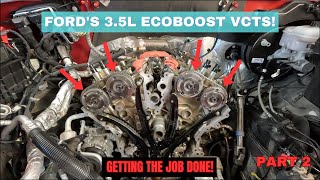
Typical fix: Replacement of the cam phasers, timing chain, guides, and tensioners. This is a labor-intensive and expensive repair. Updated OEM phasers should be used. For example, part number HL3Z-6C525-CD has been superseded by ML3Z-6C525-A. 🎬 Watch: A guide to the new updated cam phaser design.
Est. part cost: $400-$900 for a full timing kit
Rare But Worth Checking
- Stretched Timing Chain or Failed Tensioner: While often replaced during a cam phaser job, a stretched chain on its own can cause the base timing to be off, triggering this code. This is usually accompanied by rattling noises and becomes more likely with higher mileage.
- Failed Camshaft Position Sensor: It's possible for the sensor itself to fail, but it's much less common than a VCT solenoid or oil-related issue. Forum users frequently report replacing this sensor first without success. One owner on F150forum.com replaced the sensor for P0022, but the code remained until the cam phasers were replaced.
- Low Oil Pressure: A failing oil pump or clogged oil passages can starve the VCT system of the pressure it needs to operate, causing over-retarded codes. An owner on ExpeditionForum.com was advised by a mechanic that this could be the root cause after solenoids and oil changes didn't fix the issue. This requires a mechanical oil pressure test to confirm.
Diagnosis Steps
- Check Engine Oil Level and Condition: This is the first and most important step. Ensure the oil is full and clean. If it's low or past its service life, perform an oil and filter change with the manufacturer-specified oil (e.g., Motorcraft 5W-30) and a quality Motorcraft filter. Clear the code and test drive.
- Scan for Other Codes: Check if other codes, especially other VCT-related codes like P0012, P0021, or P0345, are present. This can help narrow down the problem.
- Inspect VCT Solenoid Wiring: Check the electrical connector and wiring going to the Bank 2 intake VCT solenoid for any damage, corrosion, or loose connections. The Bank 2 solenoids are on the driver's side valve cover.
- Test the VCT Solenoid via Scan Tool: Using a capable scan tool, follow the procedure from Ford TSBs like SSM 47170 and SSM 50067. Command the Bank 2 intake VCT solenoid on and off (cycle it 10 times) to attempt to clear any internal debris. Listen for a clicking sound from the solenoid.
- Swap or Replace VCT Solenoid: If the solenoid is suspect, you can swap it with the exhaust solenoid on the same bank to see if the code changes (e.g., to P0024 for the exhaust cam). If the code follows the solenoid, the solenoid is faulty and needs replacement.
- Check Mechanical Oil Pressure: If the above steps do not resolve the issue, a mechanical oil pressure test should be performed to rule out a failing oil pump or clogged oil passages. Low oil pressure will prevent the VCT system from operating correctly.
- Inspect Timing Components: If oil pressure is good and the solenoids are functional, the final step is to inspect the timing chain, guides, tensioners, and cam phasers for wear or damage. This is an advanced, labor-intensive job that often presents with a cold-start rattle.
Parts You'll Likely Need

- Variable Camshaft Timing (VCT) Solenoid
(OEM #BL3Z-6M280-B (or similar variant of causal part 6M280))— This is the most frequent cause of P0022, often due to sticking from oil debris as noted in multiple Ford TSBs.
Trusted brands: Motorcraft, Dorman
OEM price range: $60-$100
Aftermarket price range: $40-$70 - Cam Phaser Timing Chain Kit
Related Codes That Often Appear With This One
- P0012 — This is the equivalent over-retarded code for Bank 1. If both appear, it could suggest a systemic issue like low oil pressure or dirty oil affecting both sides of the engine.
- P052D — This code specifically indicates 'Cold Start Intake (A) Camshaft Position Timing Over-Retarded (Bank 2)'. It often appears with P0022 and points strongly towards a sticking VCT solenoid or a failing cam phaser that cannot operate correctly when the engine and oil are cold.
- P0021 — This is for 'Intake Camshaft Position Timing - Over-Advanced (Bank 2)'. Seeing both advanced and retarded codes for the same camshaft can indicate an erratic VCT solenoid or phaser that is not controlling cam timing predictably.
- P0345 — This code indicates a problem with the Camshaft Position Sensor 'A' Circuit on Bank 2. While the sensor itself may not be the root cause of P0022, a wiring issue or a severe mechanical timing problem could trigger both codes.
Technical Service Bulletins (TSBs) & Recalls
- SSM 54366: Mentions P0022 among other VCT codes and refers to diagnostic procedures in the workshop manual. [Bulletin #SSM 54366]
- SSM 47170: States that P0022 and other VCT codes may be due to small debris causing the VCT solenoid to stick. [Bulletin #SSM 47170]
- SSM 50067: Repeats the guidance from SSM 47170, indicating this is a persistent issue. [Bulletin #SSM 50067]
- SSM 49821: Also notes that P0022 can be caused by a sticking VCT solenoid due to debris and recommends cycling the solenoid 10 times via scan tool before replacement.
Platform-Specific Known Issues
- Ford has issued multiple Technical Service Bulletins (TSBs) for the 2015-2021 model years related to a group of VCT codes including P0022. Bulletins like SSM 54366, SSM 47170, and SSM 50067 specifically mention that small debris can cause the VCT solenoid to stick. The recommended initial procedure is to use a scan tool to cycle the solenoid to attempt to clear it before replacement. [Bulletin #SSM 54366, Bulletin #SSM 47170, Bulletin #SSM 50067]
Mechanic-Grade Diagnostic Values
- VCT Solenoid Electrical Resistance — expected: 6.9 to 7.9 Ohms at 68°F (20°C). Failure: No reading (open circuit) or a significantly higher reading (e.g., 22 Ohms) indicates a failed solenoid.
- Scan Tool VCT Angle Error PID (e.g., VCT_INT_ANG_ERR_B2) — expected: Close to 0 degrees at hot idle.. Failure: A consistent, large deviation from 0 degrees indicates the cam is not where the PCM is commanding it to be, pointing to a phaser, solenoid, or oil pressure issue.
- Mechanical Oil Pressure at Idle — expected: Greater than 25 PSI at hot idle.. Failure: Pressure below 25 PSI may be insufficient to properly operate the VCT system, leading to timing codes even with good solenoids and phasers.
Scan Tool Commands That Help
- Ford IDS / FORScan: VCT Solenoid On/Off Cycle Test — As per Ford TSBs (SSM 47170, SSM 50067), this command cycles the solenoid rapidly to dislodge small debris. If the code disappears after this test, it confirms the issue was a temporarily stuck solenoid.
- Ford IDS / FORScan: Live Data Monitoring (VCT PIDs) — Monitor PIDs like VCT_INT_ACT (actual angle) and VCT_INT_DSD (desired angle) for Bank 2. A significant and persistent difference between these values while driving confirms a timing control problem.
Wiring & Ground Locations

- Bank 2 VCT Solenoid Connectors — On the front of the driver's side valve cover. The intake solenoid is typically the top connector, and the exhaust is the bottom. They have purple retainer clips.. A loose connection, corrosion, or damaged wiring at these connectors will prevent the PCM from controlling the solenoid, directly causing timing faults.
- Engine Harness Ground Strap — On some 3.5L V6 applications, a ground strap for the engine harness is located on the front of the engine, secured by an 8mm bolt.. While not specific to the Expedition in the source, a poor ground connection for the engine harness can cause erratic behavior in various sensors and actuators, including the VCT system.
Real Owner Repair Stories
- ExpeditionForum.com user (2018 Expedition MAX, 83,000 miles) — Check engine light with P0022, rough shifting, and a constant loud rattling noise that started as a startup-only rattle.
❌ Tried (didn't work) Changing the oil.
✅ What actually fixed it The diagnosis from another forum member, based on the severe and constant rattle accompanying P0022, was that the cam phasers were completely failed and the vehicle required a full timing job (new phasers, chain, guides, tensioners). - F150Forum.com user (2017 Ford F-150 3.5L EcoBoost) — Persistent P0022 code (intake cam over retarded) that had been present for years, along with cam phaser rattle.
❌ Tried (didn't work) Replacing the VVT solenoids., Replacing the camshaft position sensor.
✅ What actually fixed it The problem was only resolved after performing a complete timing component replacement, including new cam phasers.
OEM Part Supersession History
HL3Z-6C525-CD→ML3Z-6C525-A— Updated cam phaser design to address premature wear and failure causing cold start rattle and timing codes.AT4Z-6M280-B→BL3Z-6M280-B— Part revision for the Bank 2 (Left Side) Intake VCT Solenoid.
Heads up: Always verify the part number with the vehicle's VIN, especially when crossing the Gen 1/Gen 2 engine boundary (2017 vs 2018).
Model Year Variations Within This Range
- 2015-2017: These model years use the 1st Generation 3.5L EcoBoost. This engine has direct acting mechanical bucket valvetrain and is known for potential timing chain stretch and carbon buildup on intake valves due to its direct-injection-only fuel system.
- 2018-2021: These model years use the 2nd Generation 3.5L EcoBoost. This engine features significant updates, including a redesigned VCT system, a new dual-fuel system (port and direct injection) to reduce carbon buildup, and a different valvetrain (roller finger followers). Parts like VCT solenoids and cam phasers are likely not interchangeable with the Gen 1 engine.
Helpful Videos
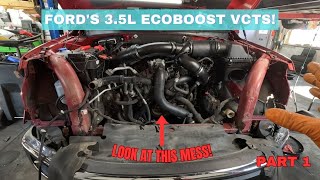
Used OEM Parts in Stock
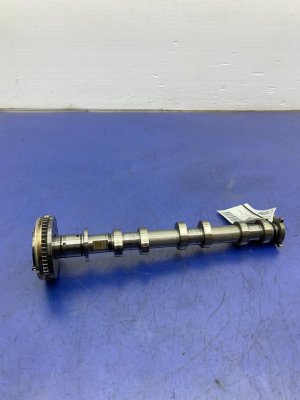
New Aftermarket Parts Available


The information in this article is provided for general reference and educational purposes only. Vehicle specifications, procedures, and part compatibility can vary by production date, trim level, and region. Always consult your vehicle's factory service manual and verify part numbers before purchasing or performing repairs. Safety-critical components such as airbags, seat belts, and braking systems should be installed by a qualified professional.
- Ford EXPEDITION:
- 🎬 Helpful Videos
- 🛍️ Shop This Part
- What's Unique About the 2015-2021 Ford EXPEDITION
- Diagnostic Flowchart
- Symptoms You May Notice
- Most Likely Causes
- Rare But Worth Checking
- Diagnosis Steps
- Parts You'll Likely Need
- Related Codes That Often Appear With This One
- Technical Service Bulletins (TSBs) & Recalls
- Platform-Specific Known Issues
- Mechanic-Grade Diagnostic Values
- Scan Tool Commands That Help
- Wiring & Ground Locations
- Real Owner Repair Stories
- OEM Part Supersession History
- Model Year Variations Within This Range
- 🎟️ Get 5% Off