

P0018 on 2015-2021 Ford Escape: Understanding Bank 2 vs. Bank 1 Timing Codes
P0018 indicates a timing correlation error on Bank 2, which does not exist on the 4-cylinder engines in the 2015-2021 Escape. If you see this code, confirm it is not a typo for P0016 (Bank 1). The likely cause for these related codes is a sticking Variable Camshaft Timing (VCT) solenoid, often due to dirty or low engine oil. Ford TSBs suggest attempting to clean the solenoid by cycling it with a scan tool before replacement.
- P0018 specifically refers to Bank 2 and should not be possible on a 2015-2021 Ford Escape, which has an inline engine (Bank 1 only).
- Before starting any repair, double-check that the code is not actually P0016, which is the correct code for this fault on an Escape.
- The most frequent cause for this type of timing issue on these Ford engines is a sticking VCT solenoid, often related to engine oil condition.
- Start your diagnosis with the simplest and cheapest steps: check the oil, then test or clean the VCT solenoids before considering a major timing chain repair.
What's Unique About the 2015-2021 Ford ESCAPE
The Ford Escape in this generation range uses exclusively inline-4-cylinder engines. These engines only have one cylinder bank (Bank 1), so they cannot physically set a code for Bank 2. The official Ford Technical Service Bulletins (TSBs) that list P0018 are general bulletins that also cover V6 and V8 engines in other Ford and Lincoln models where the code is applicable. If a scanner shows P0018 on an Escape, it is critical to first verify the code is not a typo for P0016, which points to the same issue on the existing cylinder bank. This misreporting can sometimes happen with generic OBD-II scanner software.
Diagnostic Flowchart
Tap your situation to follow the diagnostic path that matches what you're seeing on this vehicle.
Generation note: This range covers the end of the third generation (2015-2019) and the start of the fourth generation (2020-2021). While engine options changed (e.g., the 1.6L EcoBoost was phased out for the 1.5L), the underlying Variable Camshaft Timing (VCT) system design and the common causes cited in Ford's TSBs apply to the EcoBoost engines across these years.
Symptoms You May Notice
- Check Engine Light is on
- Rough or erratic idle
- Reduced engine power and poor acceleration
- Engine may hesitate or stall, especially at low RPM
- Decreased fuel efficiency
- Engine rattling noise, particularly on startup
- Searching for a 'Bank 2' on an inline-4 engine.
- Replacing the crankshaft position sensor, which is a less common failure point for this specific code compared to the VCT solenoids or timing chain.
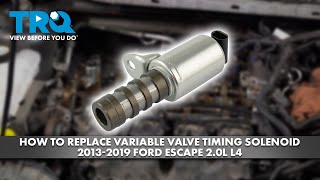
- Replacing the camshaft phaser when only the much cheaper and more accessible VCT solenoid has failed. 🎬 See this walkthrough for replacing the 2.0L VCT solenoid
- Immediately performing a costly timing chain replacement without first diagnosing the VCT solenoids and checking oil condition.
Most Likely Causes
- Sticking or Failed Variable Camshaft Timing (VCT) Solenoid 🔴 High Probability Multiple Ford TSBs (SSM 50067, SSM 48423, SSM 47170) state this is a common issue caused by small debris in the engine oil causing the solenoid to stick.
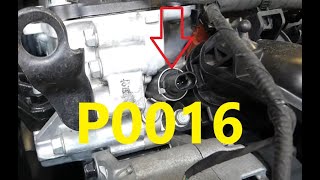
How to confirm: Use a scan tool (like FORScan) to monitor desired vs. actual cam angles (PIDs). Per TSB SSM 50067, before replacing, use the scan tool's actuator test function to cycle the affected VCT solenoid 10 times to try and dislodge debris. If the issue persists, swap the intake and exhaust solenoids on Bank 1 and see if the code changes from P0016 to P0017.
Typical fix: Clean or replace the faulty VCT solenoid for Bank 1.
Est. part cost: $30-$80 - Low, Dirty, or Incorrect Viscosity Engine Oil 🔴 High Probability The VCT system is hydraulically operated by engine oil and is highly sensitive to pressure and cleanliness. The issues described in Ford's TSBs are often triggered by oil problems, as dirty oil can clog the fine mesh screens on the VCT solenoids.
How to confirm: Check the oil level on the dipstick and inspect the oil's condition and service history. Ensure the correct oil viscosity (e.g., 5W-20 or 5W-30 as specified) is being used.
Typical fix: Perform an engine oil and filter change using the manufacturer-specified oil. Some owners report this alone resolves the code.
Est. part cost: $40-$90 - Stretched Timing Chain or Failed Tensioner 🟡 Medium Probability Timing chains can stretch over time, especially with mileage over 100k-130k miles or with poor maintenance, causing a permanent correlation fault.
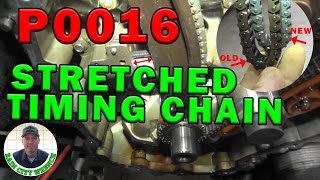
How to confirm: This is an advanced diagnosis. A persistent rattling or slapping noise from the front of the engine on startup is a strong indicator. A mechanic can verify by removing the valve cover to inspect timing marks and chain tensioner extension. A P0016 that immediately returns after clearing codes and cannot be resolved by VCT solenoid replacement often points to a base timing issue. 🎬 Watch: How a stretched timing chain causes the P0016 code
Typical fix: Replace the timing chain, guides, and tensioners. This is a labor-intensive job, often taking 12+ hours. Many recommend replacing the VCT solenoids and phasers at the same time.
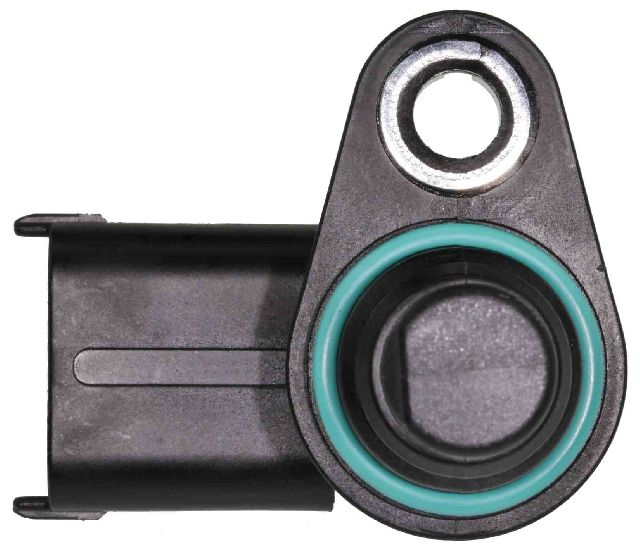
Est. part cost: $200-$500 - Faulty Camshaft Position Sensor ⚪ Low Probability
How to confirm: Test the sensor's resistance with a multimeter or swap it with another compatible sensor (e.g., from the exhaust cam) to see if the code follows the sensor. This is a less likely cause than the VCT solenoid for a correlation code without a specific sensor circuit code.
Typical fix: Replace the Bank 1 intake camshaft position sensor.
Est. part cost: $25-$70
Rare But Worth Checking
- Failed Camshaft Phaser (VCT Actuator): The gear-like actuator on the end of the camshaft can become stuck or fail internally. This is a more involved and expensive repair than the control solenoid and is often replaced during a full timing chain job.
- Damaged Crankshaft or Camshaft Reluctor Wheel: The tone rings that the sensors read can become damaged, bent, or shift on the shaft, sending incorrect signals to the ECM.
- Wiring or Connector Issue: Damage to the wiring harness or a corroded connector for the camshaft sensor or VCT solenoid can mimic a component failure. A visual inspection and wiggle test of the harness is recommended.
Diagnosis Steps
- Verify the Code: Use a reliable OBD-II scanner to re-read the codes. Confirm you are not misreading P0016 as P0018. Note any other codes present.
- Check Engine Oil: Immediately check the engine oil level and condition. If it is low, dark, or overdue for a change, perform an oil and filter change with the correct viscosity oil. Clear codes and re-test, as this can sometimes resolve the issue.
- Inspect Wiring: Visually inspect the wiring and connectors for the Bank 1 intake camshaft position sensor and the Bank 1 VCT solenoid. Look for any signs of damage, corrosion, or oil contamination.
- Analyze Scan Tool Data: Use a scan tool capable of live data, such as FORScan, to observe the PIDs for desired vs. actual camshaft position angles for Bank 1. If the actual angle is stuck or lags significantly, it points to a problem with the VCT system.
- Attempt TSB Solenoid Cleaning Procedure: Following the guidance of Ford TSB SSM 50067, use your scan tool's bidirectional controls to command the Bank 1 intake VCT solenoid on and off 10 times to attempt to clear any internal debris. Clear codes and see if the fault returns.
- Test the VCT Solenoid: If the code returns, the easiest way to test the solenoid is to swap the Bank 1 intake and exhaust solenoids. They are typically identical and interchangeable. Clear the codes and drive the vehicle. If the code changes to P0017 (exhaust cam correlation), the solenoid you moved is faulty and needs replacement.
- Mechanical Timing Check: If all sensors and solenoids test good and the code persists, the root cause is likely mechanical. This requires a physical inspection of the timing chain, guides, and tensioners to verify alignment and check for stretching. This is a task for an experienced DIYer or a professional.
Parts You'll Likely Need
- Variable Camshaft Timing (VCT) Solenoid
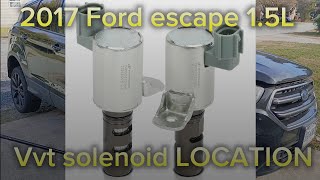
(OEM #CJ5Z-6M280-A (For 2.0L/2.5L) or HX7Z-6M280-A / CN1Z-6M280-E (For 1.5L/1.6L))🎬 Watch: Locate the VVT solenoids on your 1.5L engine — This is the most common point of failure according to multiple Ford TSBs for this exact issue.
Trusted brands: Motorcraft, Dorman, Standard Motor Products
OEM price range: $50-$100
Aftermarket price range: $30-$80 - Camshaft Position Sensor — A less common but possible cause of a correlation fault if the sensor provides an erratic signal. Often replaced as a precaution.
Trusted brands: Motorcraft, Bosch, NGK/NTK
OEM price range: $40-$80
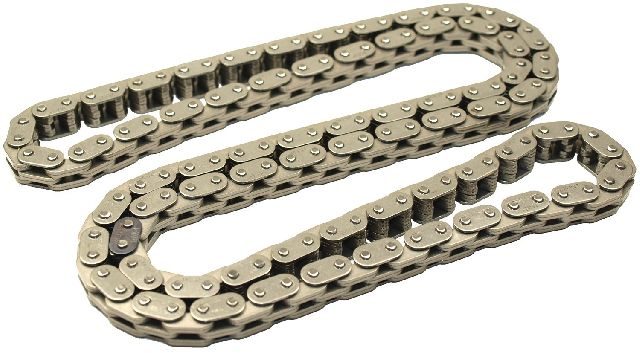
Aftermarket price range: $25-$70 - Timing Chain Kit — Required if diagnosis confirms the timing chain is stretched
Related Codes That Often Appear With This One
- P0016 — This is the equivalent code for Bank 1, which is the code an Escape would actually set for this type of fault.
- P0017 — This is the correlation code for the Bank 1 exhaust camshaft. It may appear with P0016 if there is a base timing issue like a stretched chain affecting both cams.
- P0011, P0012, P0014, P0015 — These codes also relate to camshaft timing on Bank 1 (over-advanced, over-retarded) and are often caused by the same VCT solenoid and oil-related issues mentioned in Ford's TSBs.
Technical Service Bulletins (TSBs) & Recalls
- SSM 54366: Notes that various 2015-2021 Ford/Lincoln vehicles may exhibit a MIL with a range of VCT-related DTCs, including P0018.
- SSM 50067: States that for DTCs including P0018 on 2015-2021 vehicles, the cause may be small debris causing the VCT solenoid to stick.
- SSM 47170 & SSM 48423: Earlier bulletins with similar guidance, pointing to sticking VCT solenoids from debris as the likely cause for a group of timing codes.
Platform-Specific Known Issues
- Ford has issued multiple Technical Service Bulletins (e.g., SSM 50067) for 2015-2021 vehicles, including the Escape, that directly link various camshaft timing codes (P0016, P0017, etc.) to VCT solenoids sticking from oil debris. The first recommended step is often to try cleaning the solenoid via a scan tool before replacing it.
- Owner Experience (Repair Story): On forums, a common story for a persistent P0016 code involves a vehicle with over 100,000 miles. The owner first replaces the oil, then the VCT solenoids with no luck. The check engine light returns immediately. The final, successful repair is a full timing chain service (chain, guides, tensioners), which is a significant cost ($1500+). This indicates that while solenoids are a common cause, a stretched chain is a definitive cause for high-mileage vehicles.
Mechanic-Grade Diagnostic Values
- VCT Solenoid Internal Resistance — expected: 6.9 to 7.9 Ohms at 68°F (20°C). Some sources state 7.8 Ohms is a good reading.. Failure: A reading of zero indicates a short circuit, while no reading (infinite resistance) indicates an open circuit.
- Camshaft Position Sensor (3-wire Hall Effect) Voltage Test — expected: With ignition on and sensor connected: Power supply wire should have battery voltage (~12V). Signal wire should have approximately 4.8-5.0V. Ground wire should read battery voltage when tested against the battery's positive terminal.. Failure: When a metal object is passed over the sensor tip, the signal voltage should drop to zero. If the voltage does not change, the sensor is likely faulty. Incorrect voltages on the power or ground wires indicate a wiring or ECU issue.
- Engine Oil Pressure at Idle — expected: At least 25 PSI at normal operating temperature.. Failure: Pressure significantly below 25 PSI indicates oil starvation, which will prevent the VCT system from operating correctly and can trigger correlation codes.
Scan Tool Commands That Help
- FORScan or similar professional scan tool: VCT Solenoid Actuator Test / Bidirectional Control — As recommended by Ford TSBs, this command cycles the VCT solenoid on and off to dislodge small debris causing it to stick. It's a key diagnostic step to perform after an oil change and before replacing the solenoid. If the engine hesitates or stalls during activation, the solenoid is likely functioning mechanically.
- Scan tool with live data (PID) capability: Monitor CAM_ERR (Cam Error) and VCT_ADV (VCT Advance) PIDs — To confirm a VCT system fault. Monitor the desired vs. actual cam angle. A large and persistent deviation between the two values while driving indicates the phaser is not responding correctly to PCM commands, pointing towards a stuck solenoid, low oil pressure, or a faulty phaser.
Wiring & Ground Locations
- Camshaft Position Sensor Connector — On the top of the valve cover, near the oil fill cap. The intake sensor is closer to the air intake manifold, and the exhaust sensor is closer to the exhaust manifold (back of the engine).. This 3-wire connector provides power, ground, and signal for the camshaft sensor. Corrosion, oil contamination, or a loose connection can interrupt the signal and cause correlation codes. The pigtail harness is a common replacement part.
- VCT Solenoid Connector — Located on the side of the cylinder head, often near the camshaft position sensors. They are cylindrical and held in by a single bolt.. This 2-wire connector provides power and a control signal (ground) from the ECM. A poor connection can prevent the solenoid from actuating, leading to a timing correlation fault.
Real Owner Repair Stories
- YouTube user comment (General case, not specific to one vehicle) — Sluggish performance, P0016 code present.
❌ Tried (didn't work) Initial assumption was faulty sensors or timing components.
✅ What actually fixed it After a recent oil change, the connector to one of the ignition coils was not fully seated. Pushing the connector until it clicked into place resolved the code and performance issues. - Reddit user r/MechanicAdvice (2016 Ford Escape, ~97k miles) — P0011 and P0016 codes appeared, with a forward-to-back shaking feeling on the highway, shortly after an oil change.
❌ Tried (didn't work) The user was in the initial diagnosis phase.
✅ What actually fixed it The thread did not have a final confirmed fix, but the symptoms appearing immediately after an oil change strongly suggest an oil-related issue, such as incorrect oil viscosity, a faulty filter, or debris dislodged during the service that clogged a VCT solenoid screen.
OEM Part Supersession History
CJ5Z-6M280-A→CJ5Z-6M280-B (check with dealer)— Part revision and improvement.
Heads up: CJ5Z-6M280-A is specified for the 2.0L and 2.5L I4 engines used across the 2015-2019 Escape model years.CN1Z-6M280-E→HX7Z-6M280-A— Engine design change.
Heads up: HX7Z-6M280-A is specified for the 1.5L EcoBoost engine, particularly the 3-cylinder version introduced in the 2020+ Ford Escape. It is not interchangeable with the parts for the earlier 1.6L or the larger 2.0L/2.5L engines.
Model Year Variations Within This Range
- 2015-2019 (Third Generation): Engines offered were the 1.5L EcoBoost I4, 1.6L EcoBoost I4 (phased out), 2.0L EcoBoost I4, and 2.5L I4. The VCT solenoids and some sensor connectors may differ between these engines. For example, the 1.5L/1.6L use a different VCT solenoid part number than the 2.0L/2.5L.
- 2020-2021 (Fourth Generation): The fourth generation introduced a new 1.5L EcoBoost 3-CYLINDER engine (Dragon). This engine has its own specific VCT solenoid (part number HX7Z-6M280-A) and camshaft position sensors which are not shared with the previous generation's 4-cylinder engines.
Helpful Videos

We Have This Part in Stock




The information in this article is provided for general reference and educational purposes only. Vehicle specifications, procedures, and part compatibility can vary by production date, trim level, and region. Always consult your vehicle's factory service manual and verify part numbers before purchasing or performing repairs. Safety-critical components such as airbags, seat belts, and braking systems should be installed by a qualified professional.
- Ford ESCAPE:
- 🎬 Helpful Videos
- 🛍️ Shop This Part
- What's Unique About the 2015-2021 Ford ESCAPE
- Diagnostic Flowchart
- Symptoms You May Notice
- Most Likely Causes
- Rare But Worth Checking
- Diagnosis Steps
- Parts You'll Likely Need
- Related Codes That Often Appear With This One
- Technical Service Bulletins (TSBs) & Recalls
- Platform-Specific Known Issues
- Mechanic-Grade Diagnostic Values
- Scan Tool Commands That Help
- Wiring & Ground Locations
- Real Owner Repair Stories
- OEM Part Supersession History
- Model Year Variations Within This Range
- 🎟️ Get 5% Off