

P0018 on 2008-2012 Chevrolet Malibu 3.6L: Stretched Timing Chain Causes and Fixes
On a 2008-2012 Malibu with the 3.6L V6 engine, code P0018 almost always means the timing chains have stretched. This is a widely known issue, often linked to extended oil change intervals recommended by the original Oil Life Monitor (OLM) calibration. It is a serious and expensive repair that should not be ignored; expect costs to range from $1,200 to over $2,500 at a shop. Failure to repair can lead to catastrophic engine damage.
- For a 2008-2012 Malibu with the 3.6L V6, P0018 strongly indicates a mechanical problem with stretched timing chains, not faulty sensors.
- This is a serious condition that requires immediate attention to prevent severe, and much more expensive, engine damage.
- The correct repair involves replacing the timing chains, tensioners, and guides as a complete kit with updated parts.
- Due to its complexity, this repair is not recommended for DIY mechanics and should be performed by a professional service center.
- Always check for other related timing codes (P0008, P0016, P0017, P0019) as they often appear together.
What's Unique About the 2008-2012 Chevrolet MALIBU
The 3.6L V6 (RPO code LY7) used in this generation of Malibu is well-known for premature timing chain wear. Unlike many engines where timing chains last the life of the vehicle, these chains can stretch over time. A primary contributing factor was GM's original Oil Life Monitor (OLM) calibration, which allowed for excessively long oil change intervals, leading to oil degradation and inadequate lubrication for the timing components. 🎬 Watch: Why these GM 3.6L timing chains fail so often. GM acknowledged this widespread issue by releasing multiple Technical Service Bulletins (TSBs) and updated timing chain kits. The problem is so common that for a P0018 code on this specific vehicle, stretched timing chains are the immediate and primary suspect, far more so than sensors or actuators.
Diagnostic Flowchart
Tap your situation to follow the diagnostic path that matches what you're seeing on this vehicle.
Symptoms You May Notice
- Check Engine Light is on.
- Rattling or clattering noise from the engine, especially on cold starts.
- Reduced engine power and sluggish acceleration.
- Rough or unstable engine idle.
- Engine may be hard to start.
- Increased fuel consumption.
- Metal shavings found in the engine oil during an oil change.
- Replacing only the camshaft or crankshaft position sensors without verifying the mechanical timing. On this engine, the problem is almost always mechanical (the chains) rather than electrical (the sensors).
- Replacing only the VVT solenoids. While cheaper and easier, this rarely solves the P0018 code if the underlying cause is a stretched chain.
Most Likely Causes
- Stretched Timing Chains 🔴 High Probability The original timing chains on the 3.6L V6 were susceptible to premature wear. This is widely attributed to two main factors: the chain design itself and GM's early Oil Life Monitor (OLM) software, which permitted oil change intervals that were too long, leading to oil breakdown and poor lubrication.
How to confirm: A physical inspection is required. A mechanic will remove the engine timing cover to measure the slack in the chains. A weak tensioner that is extended very far is a strong indicator of a stretched chain.
Typical fix: Replace all three timing chains, along with the tensioners, guides, and sprockets, using an updated parts kit. It is also critical to have the ECM reprogrammed with the updated Oil Life Monitor calibration to prevent recurrence.
Est. part cost: $250-$500 - Worn Timing Chain Tensioners or Guides 🔴 High Probability The tensioners and plastic guides wear out along with the chains. A failing hydraulic tensioner can't maintain pressure, allowing the chain to become loose and cause a timing correlation error. TSB #PIP3423P specifically calls out inspecting for loose tensioners.
How to confirm: Visual inspection for wear, damage, or failed hydraulic tensioners during a timing chain inspection. A weak tensioner can be easily compressed by hand.
Typical fix: Always replaced as part of a complete timing chain service. It is not recommended to replace them in isolation.
Est. part cost: $50-$150 - Low or Dirty Engine Oil 🟡 Medium Probability The timing chain tensioners and camshaft phasers are hydraulically operated by engine oil pressure. These engines are known to consume oil, and the original OLM allowed for long change intervals. If the oil level is low or the oil is degraded, it can starve these components, leading to improper tension and timing control, which can trigger the code temporarily.
How to confirm: Check the oil level on the dipstick and inspect its condition. An oil change is a simple first step, and some owners report the code disappears for a short time after an oil change before returning.
Typical fix: Perform an oil and filter change using a quality, manufacturer-specified oil (like ACDelco dexos1) and filter. This may be a temporary fix if the chains are already stretched.
Est. part cost: $40-$80 - Faulty Camshaft or Crankshaft Position Sensor ⚪ Low Probability
How to confirm: Use a scan tool to monitor live data from the sensors. A faulty sensor may provide erratic or no signal. Can also be tested with a multimeter.
Typical fix: Replace the faulty sensor. However, this is a very common misdiagnosis for this specific code on this engine. The problem is almost always mechanical.
Est. part cost: $30-$70
Rare But Worth Checking
- Slipped Crankshaft Reluctor Wheel: This is a known but uncommon issue documented in GM TSB #PIP3423P. The reluctor wheel, which the crankshaft sensor reads, can physically move on the crankshaft. This causes a timing correlation code even with new, tight chains. The TSB provides a measurement (25-26mm from a specific point on the crank throw) to verify its position, sometimes possible with a borescope through the crank sensor hole. The official fix is crankshaft replacement.
- Faulty Camshaft Actuator Solenoid (VVT Solenoid): A solenoid on Bank 2 could be stuck or clogged with sludge, preventing the camshaft from phasing correctly. This is less common than chain failure but possible, especially if oil maintenance has been poor. Sometimes cleaning or replacing the solenoid can resolve the issue, but it's often attempted unsuccessfully before a timing chain replacement.
Diagnosis Steps
- Verify engine oil level and condition. An oil and filter change is a cheap first step. Ensure a quality OEM-spec filter is used, as some aftermarket filters have been reported to cause oil pressure issues.
- Scan the ECM for all stored trouble codes. Note any other timing-related codes like P0008, P0016, P0017, or P0019, as multiple codes strongly point to a base timing issue.
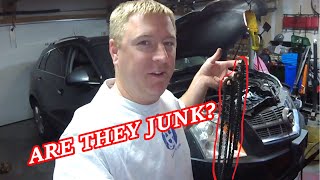
- Using a professional scan tool, monitor the live data for camshaft and crankshaft position while the engine is running. Observe for any discrepancies or lagging response from the Bank 2 intake cam. 🎬 See how to test and fix the P0018 correlation code.
- Inspect the wiring and connectors for the Bank 2 camshaft position sensor and the crankshaft position sensor for any damage or corrosion.
- If sensors and wiring are good, the next step is to assume a mechanical timing issue. This requires removing the timing cover for a direct physical inspection of the timing chains, guides, and tensioners for slack and wear.
- If chains are found to be stretched, replace them as a complete kit and update the OLM software.
- If chains appear tight, consider the rare possibility of a slipped crankshaft reluctor wheel as noted in TSB #PIP3423P. This requires measuring its position on the crankshaft.
Parts You'll Likely Need
- Engine Timing Chain Kit
(OEM #12651450 (superseded by 12693218, 12700436))— This is the definitive fix for the common stretched chain issue. A complete kit includes all three chains, tensioners, guides, and sometimes sprockets and seals. Using the updated GM kit is critical.
Trusted brands: ACDelco (OEM), Cloyes, Melling
OEM price range: $400-$600
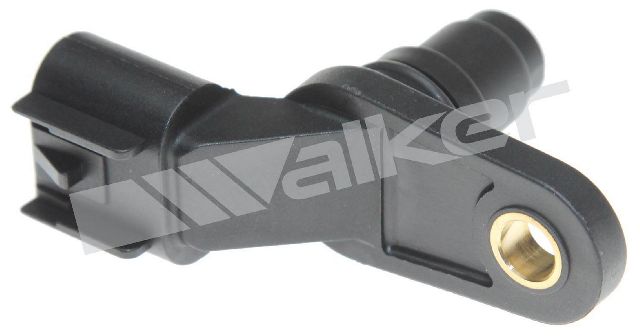
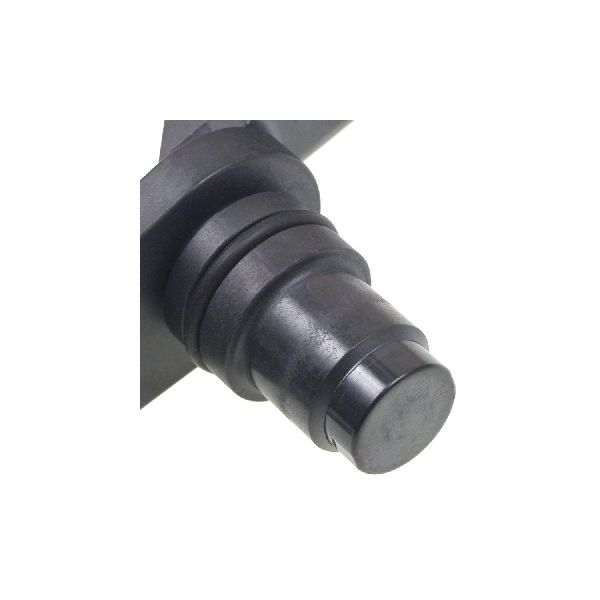
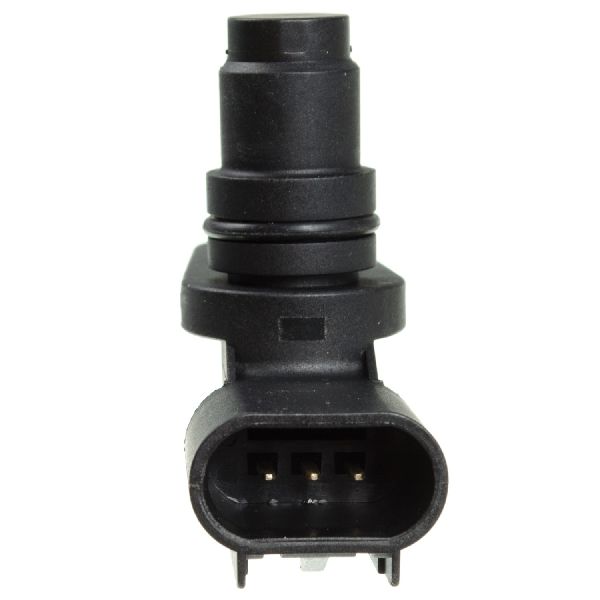
Aftermarket price range: $250-$450 - Camshaft Position Sensor (Bank 2 Intake) — Replaced when confirmed faulty through testing, but it is not the usual cause of P0018 on this engine. Often replaced as a misdiagnosis.
Trusted brands: ACDelco, Delphi, Bosch
OEM price range: $50-$80
Aftermarket price range: $25-$50 - Crankshaft Position Sensor — Replaced if testing proves it has failed. Like the cam sensor, it's an uncommon fix for this code unless the reluctor wheel has damaged it.
Trusted brands: ACDelco, Delphi
OEM price range: $40-$70
Aftermarket price range: $20-$45
Related Codes That Often Appear With This One
- P0008 — Indicates a general engine position system performance error, often the first code to appear as timing chains begin to stretch.
- P0016 — Correlation error on Bank 1, Intake Cam. Often appears with P0018 if multiple chains are stretched.
- P0017 — Correlation error on Bank 1, Exhaust Cam. Often appears with P0018 if multiple chains are stretched.
- P0019 — Correlation error on Bank 2, Exhaust Cam. This is the companion code to P0018 for the other camshaft on the same bank.
Technical Service Bulletins (TSBs) & Recalls
- Bulletin #PIP3423P: Notes that codes P0016, P0017, P0018, P0019, P0008, or P0009 may be set. Instructs technicians to first inspect for loose timing chains/tensioners. If the chains are tight, it details the procedure for checking for a moved crankshaft reluctor wheel, which is the next most likely cause.
- Bulletin #12-06-01-009F: Announces the availability of updated, comprehensive timing chain kits for repairing stretched chains. It specifies which vehicles are affected and advises that components like sprockets and actuators should not be replaced unnecessarily for a simple stretched chain issue. It also mentions the need to update the OLM calibration.
Platform-Specific Known Issues
- The 2008-2012 Malibu equipped with the 3.6L LY7 V6 has a well-documented history of premature timing chain failure. This was primarily caused by an overly optimistic Oil Life Monitor (OLM) calibration from the factory, leading to oil degradation.
Mechanic-Grade Diagnostic Values
- Camshaft Position Actuator Solenoid (VVT Solenoid) Resistance — expected: 5 to 15 Ohms; typically around 12-12.8 Ohms for a new part.. Failure: A reading in the kilo-ohm (KΩ) or mega-ohm (MΩ) range indicates an open circuit and a failed solenoid. A reading near zero ohms would indicate a short.
Scan Tool Commands That Help
- GDS2/Tech2 or equivalent professional scan tool: Camshaft Position Actuator Solenoid Control — This bidirectional command allows a technician to manually command the VVT solenoid ON and OFF while monitoring live data from the camshaft position sensor. If the timing angle does not change when the solenoid is commanded, it points to a faulty solenoid, clogged oil passage, or a problem with the phaser itself. This helps isolate the electrical control side from the mechanical components.
Wiring & Ground Locations
- G105 (3.6L) — Left side of the engine.. This is a primary engine ground. A poor or corroded ground connection at this point can cause erratic behavior from various engine sensors, including the camshaft and crankshaft position sensors, potentially leading to incorrect data and triggering correlation codes.
- G106 (3.6L) — Right front of the engine.. This is another critical engine ground. Similar to G105, a compromised connection here can introduce electrical noise and voltage discrepancies, affecting sensor readings and ECM calculations for cam/crank correlation.
- Engine Control Module (ECM) — Left front of the engine compartment for the 3.6L engine.. Knowing the ECM's location is essential for inspecting its connectors and testing wiring continuity for the cam and crank sensors directly at the source.
- Bank 2 Camshaft Position Sensor Circuits (Intake/Exhaust) — On the 3.6L, the Bank 2 sensors are on the front of the left cylinder bank (firewall side). Accessing the sensor connectors may require removing the intake manifold. Wires can be tested at the main ECM connector.. P0018 specifically relates to the Bank 2 Intake sensor ('A'). Technicians may need to test the sensor's 5-volt reference, low reference (ground), and signal circuits between the sensor and the ECM to rule out a wiring fault.
Real Owner Repair Stories
- Bob Is The Oil Guy forum user (Vehicle with a 3.5L engine (similar VVT system principles apply)) — Check engine light with a timing correlation code immediately after a timing belt replacement.
❌ Tried (didn't work) The mechanic initially assumed the code was for the VVT system.
✅ What actually fixed it The issue was resolved by replacing the aftermarket timing components with OEM parts. A technician noted that some aftermarket parts can cause the timing to be slightly off, not enough to cause running issues but enough to trigger a sensitive correlation code.
OEM Part Supersession History
12651450→12693218, which was later superseded by 12700436— GM continuously updated the timing chain kits to improve durability and address the premature stretching issue. The newer kits feature improved chain designs and more robust guides.
Model Year Variations Within This Range
- 2008-2012: The 2008 Malibu could have the port-injected 3.6L LY7 engine. Starting in 2008 on other platforms and becoming more common later, GM introduced the direct-injected LLT version of the 3.6L. While both suffer from timing chain issues, the LLT has a higher compression ratio (11.3:1 vs 10.2:1) and different pistons. By the 2012 model year, GM had implemented factory improvements to the timing chain components, making the issue less frequent on later models.
Helpful Videos

We Have This Part in Stock



The information in this article is provided for general reference and educational purposes only. Vehicle specifications, procedures, and part compatibility can vary by production date, trim level, and region. Always consult your vehicle's factory service manual and verify part numbers before purchasing or performing repairs. Safety-critical components such as airbags, seat belts, and braking systems should be installed by a qualified professional.
- Chevrolet MALIBU:
- 🎬 Helpful Videos
- 🛍️ Shop This Part
- What's Unique About the 2008-2012 Chevrolet MALIBU
- Diagnostic Flowchart
- Symptoms You May Notice
- Most Likely Causes
- Rare But Worth Checking
- Diagnosis Steps
- Parts You'll Likely Need
- Related Codes That Often Appear With This One
- Technical Service Bulletins (TSBs) & Recalls
- Platform-Specific Known Issues
- Mechanic-Grade Diagnostic Values
- Scan Tool Commands That Help
- Wiring & Ground Locations
- Real Owner Repair Stories
- OEM Part Supersession History
- Model Year Variations Within This Range
- 🎟️ Get 5% Off