

P0017 on 2005-2009 Saab 9-7X: Causes for Crankshaft-Camshaft Correlation Error
For the P0017 code on a Saab 9-7X, first check for low or dirty engine oil, as the VVT system is oil-pressure dependent. On the 4.2L I6, the most common fix is replacing the Camshaft Position Actuator Solenoid (VVT Solenoid), part ACDelco 12615873. For all engines, check for a loose crankshaft balancer bolt as per TSB PIP4581B. On V8 models, the issue is less common but can be related to oil pressure or the VVT solenoid (ACDelco 12636175). A new solenoid costs about $40-$100.
- Always start your diagnosis by checking the engine oil level and condition. An oil change is the cheapest and easiest potential fix.
- The Camshaft Position Actuator Solenoid (CPAS/VVT Solenoid) is the most likely part to have failed, especially on the 4.2L I6 engine.
- Do not immediately replace the camshaft or crankshaft sensors; they are less likely to be the problem than the solenoid or a mechanical issue.
- A unique cause for this vehicle platform is a loose crankshaft balancer bolt, as noted in TSB PIP4581B. Check for a wobbling balancer before starting expensive repairs.
- Use high-quality OEM replacement parts from brands like ACDelco or Delphi for sensors and solenoids to avoid repeat failures.
What's Unique About the 2005-2009 Saab 9-7X
The Saab 9-7X is built on the General Motors GMT360 platform, making it mechanically identical to the Chevrolet Trailblazer, GMC Envoy, Buick Rainier, and Isuzu Ascender. This shared DNA means that common problems and fixes from those vehicles, widely discussed on forums like GMTNation.com and Trailvoy.com, are directly applicable. For the 4.2L inline-6 (LL8) engine, the Camshaft Position Actuator Solenoid (CPAS) is a well-documented weak point, often failing due to sludge or torn screens. Furthermore, a specific GM Technical Service Bulletin (PIP4581B) points to a loose crankshaft balancer bolt as a potential cause for this code, a mechanical issue that can be misdiagnosed as a more complex timing chain failure. The V8 engines (5.3L LH6 and 6.0L LS2) have a different VVT system and are less prone to the simple solenoid failure, though oil pressure issues related to the Active Fuel Management (AFM) system on the 5.3L can be a factor.
Diagnostic Flowchart
Tap your situation to follow the diagnostic path that matches what you're seeing on this vehicle.
Symptoms You May Notice
- Check Engine Light is on
- Rough idle or engine vibration
- Difficulty starting the engine, or extended cranking
- Reduced engine power and poor acceleration
- Engine stalling, especially at low speeds
- Increased fuel consumption
- Rattling, ticking, or knocking noises from the front of the engine
- Replacing the camshaft position sensor or crankshaft position sensor without first checking the engine oil condition and inspecting the Camshaft Position Actuator Solenoid (CPAS), especially on the 4.2L I6.
- Assuming a timing chain failure on a lower-mileage engine before verifying the torque on the crankshaft balancer bolt per TSB PIP4581B.
Most Likely Causes
- Low or Dirty Engine Oil 🔴 High Probability The Variable Valve Timing (VVT) system uses oil pressure to operate the camshaft phasers. If the oil is low, old, or sludgy, it can't operate the system correctly, leading to correlation errors. This is the first and most important check.
How to confirm: Check the engine oil dipstick for level and inspect the oil's condition. If it is dark, thick, or below the 'add' line, this is a likely contributor. Many forum users report fixing the issue with a quality oil and filter change.
Typical fix: Perform an oil and filter change using a high-quality full synthetic oil of the manufacturer-recommended weight (typically 5W-30) and a quality filter.
Est. part cost: $40-$80 - Faulty Camshaft Position Actuator Solenoid (CPAS / VVT Solenoid) 🔴 High Probability This is a very common failure item on the GM Atlas (4.2L I6) engine. The small screens on the solenoid can get clogged by debris in the oil, or the solenoid can fail electronically. Oil can also leak through the solenoid into the electrical connector, causing a poor connection.
How to confirm: Unplug the solenoid and check for oil in the electrical connector. Remove the solenoid from the engine (one 10mm bolt) and inspect its screens for sludge, tears, or missing pieces. A scan tool can also command the solenoid to check for response, though physical inspection is often definitive. A common diagnostic trick for the 4.2L is to swap the identical intake and exhaust solenoids; if the code changes to P0016, the solenoid is confirmed bad.
Typical fix: Replace the Camshaft Position Actuator Solenoid. It is strongly recommended to replace rather than clean it, and to use a high-quality OEM part like ACDelco or Delphi to avoid repeat failures.
Est. part cost: $40-$100 - Loose Crankshaft Balancer Bolt 🟡 Medium Probability A specific Technical Service Bulletin (PIP4581B) was issued for this problem on GMT360 vehicles. A loose bolt allows the harmonic balancer (which the crankshaft sensor reads via a reluctor wheel) to wobble, creating an incorrect signal relative to the camshafts.
How to confirm: Visually inspect the crankshaft balancer at the front of the engine for any wobble while the engine is running. With the engine off, a qualified technician should check the torque on the main crankshaft bolt. A wobbly bolt is a clear sign.
Typical fix: Replace and re-torque the crankshaft balancer bolt to the specific torque-plus-angle specification outlined in the service manual. This is a Torque-to-Yield (TTY) bolt and must be replaced, not reused.
Est. part cost: $10-$25 (for a new bolt) - Stretched Timing Chain or Failed Tensioner ⚪ Low Probability Over time, especially on higher-mileage engines (150k+ miles), the timing chain can stretch, or the hydraulic tensioner can weaken. This causes slack in the system that leads to a persistent correlation error that other fixes won't solve.
How to confirm: This is a complex diagnosis usually performed after all other causes are ruled out. It often involves listening for a persistent rattling noise from the front of the engine. Confirmation requires removing the valve cover and/or front engine cover to physically inspect chain slack and guide wear.
Typical fix: Replace the timing chain, guides, and tensioners. This is a labor-intensive and expensive job, with labor costs often exceeding $2,000.
Est. part cost: $200-$500
Rare But Worth Checking
- Faulty Camshaft or Crankshaft Position Sensor: While these sensors can fail, they are often replaced unnecessarily. On this platform, the issue is more frequently the solenoid (CPAS) or a mechanical problem. Using non-OEM sensors has been reported to cause this code to appear incorrectly.
- Failed Camshaft Phaser Actuator: The mechanical gear (phaser) that the solenoid controls can get stuck or fail internally due to sludge or wear. This is a more involved repair than replacing the solenoid and is less common, but is the next logical step if a new solenoid doesn't fix the issue.
- Low Oil Pressure / Failing Oil Pump: A failing oil pump can cause insufficient pressure to operate the VVT system, triggering this code. This is uncommon but can be the root cause if accompanied by other low oil pressure symptoms like engine noise or a flickering oil light.
- Spun Camshaft Reluctor Ring: GM TSB PIP4548F notes that on some V8 engines, the reluctor ring that the camshaft sensor reads can spin on the camshaft itself, causing a persistent P0016 or P0017 code even if all other timing components are correct.
- Excessive Crankshaft End Play: In very high mileage engines, wear on the crankshaft thrust bearings can allow for excessive forward/backward movement of the crankshaft, which can affect the crank sensor reading enough to trigger P0017. Acceptable end play is 0.0044" - 0.0153". A failure of the thrust bearing can also contaminate the entire oiling system with bearing material, causing widespread issues.
Diagnosis Steps
- Check Engine Oil: Verify the oil level is full and the oil is clean. If low or dirty, perform an oil and filter change with high-quality 5W-30 synthetic oil, clear the code, and drive to see if it returns.
- Inspect the Camshaft Position Actuator Solenoid (CPAS): Locate the solenoid on the side of the cylinder head. Unplug it and check for oil in the connector. Remove the solenoid (one 10mm bolt) and inspect the screens for sludge or damage. If damaged or heavily clogged, replace it with an ACDelco part.
- Swap Solenoids (4.2L I6 Only): On the 4.2L engine, the intake and exhaust CPAS solenoids are identical. Swap their positions. Clear the codes and drive. If the code changes from P0017 to P0016, you have definitively confirmed a bad solenoid.
- Check Crankshaft Balancer Bolt Torque: This is a critical step per TSB PIP4581B. A qualified technician should check for balancer wobble and verify the torque on the bolt. This is a Torque-to-Yield bolt and must be replaced if removed.
- Test the Sensors: If the above steps do not resolve the issue, you can test the camshaft and crankshaft position sensors with a multimeter or oscilloscope. However, faulty sensors are a less common cause than the solenoid or mechanical issues.
- Inspect Camshaft Phaser: If a new solenoid does not resolve the code, the mechanical phaser itself may be stuck. This requires removal of the valve cover for inspection and replacement.
- Inspect Timing System: If all other components check out, the final step is to investigate the timing chain for stretching or damage, which is an involved mechanical job requiring removal of the front engine cover.
Parts You'll Likely Need
- Camshaft Position Actuator Solenoid (4.2L I6)
(OEM #12615873)— This is the most common part to fail and cause P0017 on the 4.2L I6 engine due to clogging or electronic failure. It is highly recommended to use the ACDelco OEM part.
Trusted brands: ACDelco, Delphi
OEM price range: $50-$90
Aftermarket price range: $30-$60 - Camshaft Position Actuator Solenoid (5.3L/6.0L V8)
(OEM #12636175)— This is the corresponding part for the V8 engines. It fails less frequently than the I6 version but can be a cause. This part number supersedes several older versions; always verify fitment with VIN.
Trusted brands: ACDelco
OEM price range: $60-$110
Aftermarket price range: $40-$70 - Crankshaft Balancer Bolt (4.2L I6)
(OEM #11609792)— This is a Torque-to-Yield (TTY) bolt and MUST be replaced if it is loosened or removed to inspect/re-torque the harmonic balancer, as per TSB PIP4581B.
Trusted brands: GM
OEM price range: $10-$20 - Crankshaft Balancer Bolt (5.3L/6.0L V8)
(OEM #11570163)— This is the TTY bolt for the V8 engines. It must be replaced if loosened or removed. The torque procedure is different from the I6.
Trusted brands: GM
OEM price range: $15-$25 - Engine Oil and Filter — Correcting low or dirty oil is the first and easiest step and can sometimes resolve the issue if the solenoid is merely clogged or starved for pressure.
Trusted brands: Mobil 1, ACDelco
OEM price range: $40-$80
Aftermarket price range: $30-$60
Related Codes That Often Appear With This One
- P0014 — This code ('Camshaft Position B - Timing Over-Advanced') is also related to the exhaust camshaft on Bank 1 and often appears with P0017, as they both point to a problem in the same VVT circuit, frequently caused by a faulty CPAS solenoid.
- P0016 — This code indicates a correlation issue with the intake camshaft ('Camshaft Position A'). Seeing both P0016 and P0017 together strongly suggests a base timing issue affecting both camshafts, such as a stretched timing chain, a loose crankshaft balancer, or a faulty crankshaft sensor reading.
Technical Service Bulletins (TSBs) & Recalls
- PIP4581B: Addresses a rattle noise and P0016/P0017 caused by a loose crankshaft balancer bolt, recommending it be re-torqued.
Platform-Specific Known Issues
- TSB #PIP4581B: A GM Technical Service Bulletin notes that a rattle noise accompanied by code P0016 or P0017 can be caused by an improperly torqued crankshaft balancer bolt. Re-torquing the bolt is the specified fix before proceeding with more complex diagnostics.
- High Failure Rate of CPAS: On the 4.2L I6 engine, the Camshaft Position Actuator Solenoid is a known common failure point that gets clogged easily by aging oil.
Mechanic-Grade Diagnostic Values
- Exhaust VVT Solenoid (CPAS) Resistance — expected: 6-10 Ohms. Failure: A reading of 0 Ohms (short circuit) or infinite/OL (open circuit).
- Camshaft Position Sensor (3-wire) Voltage — expected: With key on, engine off: 5V on the reference wire and 5V on the signal wire (relative to ground).. Failure: When a metal object is passed over the sensor tip, the signal voltage should drop to 0V. If it doesn't, the sensor is likely faulty.
- Crankshaft End Play — expected: 0.0044 to 0.0153 inches. Failure: Movement greater than 0.0153 inches indicates worn thrust bearings, which can cause the crank sensor to read incorrectly.
Scan Tool Commands That Help
- Tech 2 / High-End Bidirectional Scanner: Camshaft Position Actuator Solenoid Control — This command allows the technician to manually activate the VVT solenoid while monitoring engine RPM and timing angles. It's used to verify if the solenoid is responding to commands from the ECM and if the mechanical phaser is moving as expected. A lack of response or change in engine behavior points to a faulty solenoid or stuck phaser.
Wiring & Ground Locations
- G107 / G108 — On the lower left side of the engine block.. These are primary engine ground points. A loose or corroded connection at G107 or G108 can cause erratic behavior and incorrect readings from various engine sensors, including the camshaft and crankshaft position sensors, potentially triggering correlation codes like P0017.
- ECM/PCM Connector — On the upper left side of the engine for the 4.2L, and near the lower left front of the engine for the V8 models (as of 2006).. The wiring for the camshaft position sensor, crankshaft position sensor, and VVT solenoid all terminate at the Engine Control Module. Checking for backed-out pins, corrosion, or oil contamination (from a leaking solenoid) at these connectors is a crucial step when diagnosing persistent electrical faults for P0017.
Real Owner Repair Stories
- GMTNation Forum User 'Brimmy' (2005 GMC Envoy XL, 4.2L I6, 185,000 miles) — P0017 code returned instantly after major work, stalling when put in gear, crank-no-start.
❌ Tried (didn't work) Replaced VVT solenoid, Replaced camshaft position sensor, Replaced crankshaft position sensor, Replaced timing chain and guides, Replaced cam phaser
✅ What actually fixed it The thread did not have a final confirmed fix from the original poster, but expert diagnosis pointed to two high-probability causes after all parts were replaced: 1) The new timing chain was installed incorrectly, off by a single tooth, or 2) A failed main thrust bearing was causing excessive crankshaft end play, a condition that must be checked mechanically and is often overlooked.
OEM Part Supersession History
12568078, 12576768, 12597025, 12602516→12615873— GM updated the Camshaft Position Actuator Solenoid (CPAS) over the years to improve reliability and performance against sludge and electronic failure.
Heads up: The newest part number, 12615873, is the correct and most reliable replacement for all previous versions on the specified vehicles.
Model Year Variations Within This Range
- 2006-2009: For the 4.2L LL8 engine, the engine management system was updated around 2006. The single Powertrain Control Module (PCM) was split into a separate Engine Control Module (ECM) and Transmission Control Module (TCM). A Mass Airflow (MAF) sensor was added, and the cylinder head and ignition coils were redesigned, increasing horsepower. These changes can affect diagnostic procedures and wiring diagrams compared to 2005 models.
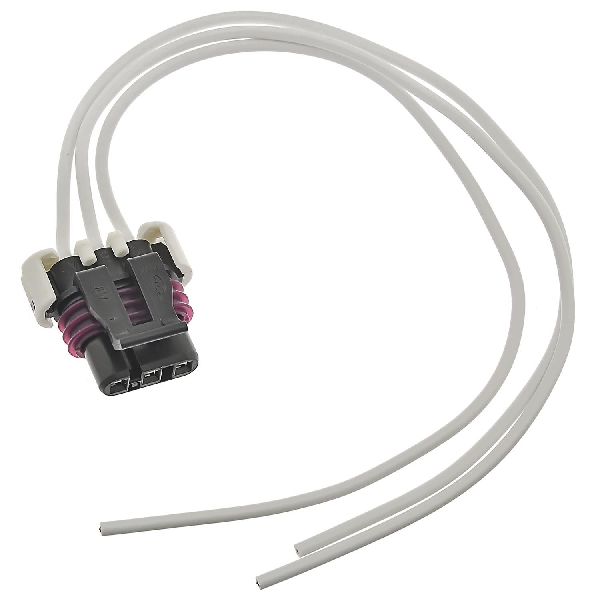
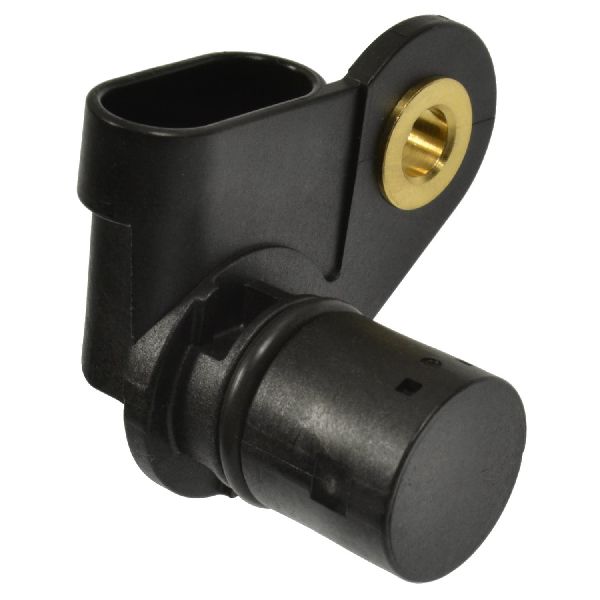
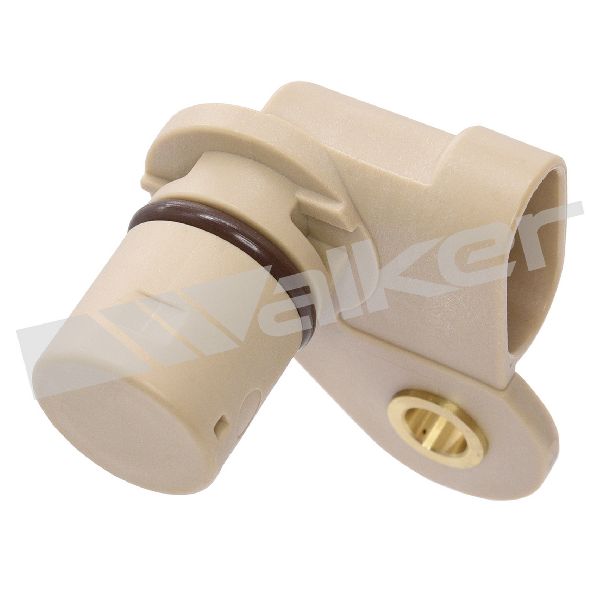
We Have This Part in Stock


The information in this article is provided for general reference and educational purposes only. Vehicle specifications, procedures, and part compatibility can vary by production date, trim level, and region. Always consult your vehicle's factory service manual and verify part numbers before purchasing or performing repairs. Safety-critical components such as airbags, seat belts, and braking systems should be installed by a qualified professional.
- Saab 9-7X:
- 🛍️ Shop This Part
- What's Unique About the 2005-2009 Saab 9-7X
- Diagnostic Flowchart
- Symptoms You May Notice
- Most Likely Causes
- Rare But Worth Checking
- Diagnosis Steps
- Parts You'll Likely Need
- Related Codes That Often Appear With This One
- Technical Service Bulletins (TSBs) & Recalls
- Platform-Specific Known Issues
- Mechanic-Grade Diagnostic Values
- Scan Tool Commands That Help
- Wiring & Ground Locations
- Real Owner Repair Stories
- OEM Part Supersession History
- Model Year Variations Within This Range
- 🎟️ Get 5% Off