

P0017 on 2008-2009 Pontiac G8 3.6L V6: Stretched Timing Chain Causes & Fixes
On a 2008-2009 Pontiac G8 with the 3.6L V6 engine, code P0017 almost always indicates stretched timing chains. This is a well-known, labor-intensive repair often costing $1,500-$2,800+. Replacing sensors will not fix this mechanical issue. The problem was so widespread across GM's 3.6L V6 lineup that multiple TSBs and a special warranty extension were issued.
- On a 2008-2009 Pontiac G8, P0017 is a serious code that almost exclusively affects the 3.6L V6 engine.
- The root cause is almost always stretched timing chains, a known issue with this engine, often accelerated by long oil change intervals.
- Do not waste money replacing camshaft or crankshaft sensors; they are not the problem.
- This is a difficult and expensive repair, but necessary to prevent catastrophic engine failure.
What's Unique About the 2008-2009 Pontiac G8
The 3.6L V6 (RPO code LY7) used in the Pontiac G8 is part of GM's 'High Feature' engine family, which is notorious for premature timing chain stretching. This issue was so common that GM issued multiple Technical Service Bulletins (TSBs) and released updated, more durable timing chain kits. Unlike many other vehicles where this code might point to a simple sensor fault, on the G8 V6, it is overwhelmingly a sign of this significant mechanical wear. The problem was often exacerbated by the original oil life monitor (OLM) calibration, which allowed for excessively long oil change intervals, leading to oil degradation and accelerated chain wear.
Diagnostic Flowchart
Tap your situation to follow the diagnostic path that matches what you're seeing on this vehicle.
Symptoms You May Notice
- Check Engine Light is on
- Rattling noise from the front of the engine, especially on cold starts
- Engine runs rough or has an unstable idle
- Noticeable loss of power and hesitation, especially during acceleration
- Difficulty starting the engine, may require longer cranking times
- Engine surging or struggling to maintain speed on the highway
- Replacing the camshaft position sensor
- Replacing the crankshaft position sensor
Most Likely Causes
- Stretched Timing Chains 🔴 High Probability The original timing chains used on the 3.6L LY7 V6 engine were susceptible to premature wear and stretching, a fact acknowledged by GM in TSB #12-06-01-009F. The wear is not a true 'stretch' but an elongation from wear in the chain's pin holes over its many links. Extended oil change intervals, encouraged by the original Oil Life Monitor system, accelerate this wear by allowing oil to degrade.
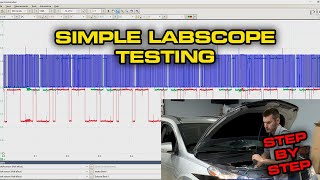
How to confirm: A mechanic can use a scan tool to view cam/crank correlation data; a deviation of more than a few degrees is a strong indicator. A lab scope provides definitive electronic diagnosis 🎬 Watch: How to use a lab scope for definitive diagnosis. by comparing sensor waveforms. A rattling noise from the engine's front cover is also a strong audible indicator. Final confirmation is visual inspection of chain slack after removing the front engine cover.
Typical fix: Replace all three timing chains, all chain guides, and all three tensioners with an updated kit. This is a major repair requiring significant labor. It is also recommended to replace the water pump and front crankshaft seal at the same time.
Est. part cost: $250-$500 for a complete, quality kit (e.g., Cloyes, ACDelco) - Shifted Crankshaft Reluctor Wheel 🟡 Medium Probability TSB #PIP3423P notes that the reluctor wheel, which the crankshaft sensor reads, can physically move on the crankshaft, causing a timing correlation fault even if the chains are good. This can happen on any of the High Feature V6 engines.
How to confirm: This is difficult to confirm. A technician may use a borescope through the crankshaft position sensor hole to visually inspect the wheel's position relative to the crankshaft, as detailed in TSB #PIP3423P. The TSB provides images of correct and incorrect positions for comparison.
Typical fix: If the reluctor wheel has moved, the crankshaft must be replaced. This is an engine-out repair. GM later released a replacement reluctor wheel, but it requires specialized tools to install.
Est. part cost: $300-$700 for a new crankshaft - Low or Dirty Engine Oil ⚪ Low Probability The timing system, particularly the hydraulic tensioners and VVT phasers, relies on clean oil at the correct pressure. The original Oil Life Monitor (OLM) calibration was overly optimistic, leading to oil degradation that contributed to timing chain wear.
How to confirm: Check the oil level and condition. If the oil is very low or appears like sludge, this can impede the function of the VVT system and chain tensioners.
Typical fix: Perform an oil and filter change with the correct viscosity full synthetic oil. However, if the code persists, it's highly likely that permanent damage (chain stretch) has already occurred and an oil change alone will not be a sufficient fix.
Est. part cost: $40-$80
Rare But Worth Checking
- Failed VVT Solenoid (Camshaft Position Actuator): A solenoid can get stuck due to sludge or internal failure, causing a timing discrepancy. It's worth checking if the oil is dirty or if other VVT-related codes are present, but it's much less common than chain failure for this specific code on this engine.
- Worn Timing Chain Tensioners or Guides: The hydraulic tensioners can fail or lose pressure, and the plastic guides can wear down or break. This creates slack in the system, causing timing correlation codes even if the chains themselves are not significantly elongated. These parts are always replaced as part of a complete timing chain service.
Diagnosis Steps
- Verify the engine oil level and condition. If low or dirty, correct this first, clear codes, and see if the code returns. Use a full synthetic oil meeting GM's specifications.
- Using an advanced scan tool, monitor the camshaft and crankshaft position data, specifically the cam angle deviation. A persistent deviation of more than 4-5 degrees at idle is a strong sign of a stretched chain.
- Listen for a rattling or scraping noise from the front of the engine (timing cover area), especially during a cold start.
- If scan tool data is inconclusive, a technician may use a borescope inserted into the crankshaft position sensor port to inspect the reluctor wheel for any signs of movement, as per TSB PIP3423P.
- For a definitive diagnosis without disassembly, use a lab scope to capture and compare the crankshaft and camshaft sensor waveforms against a known-good pattern. A shift in the cam sensor signal relative to the crank sensor signal confirms a timing lag.
- If chain stretch is confirmed, the final step is to disassemble the front of the engine to physically replace the timing chains, guides, and tensioners.
- Do NOT replace sensors as a first step. They are rarely the cause of this code on this specific engine.
Parts You'll Likely Need
- Engine Timing Chain Kit
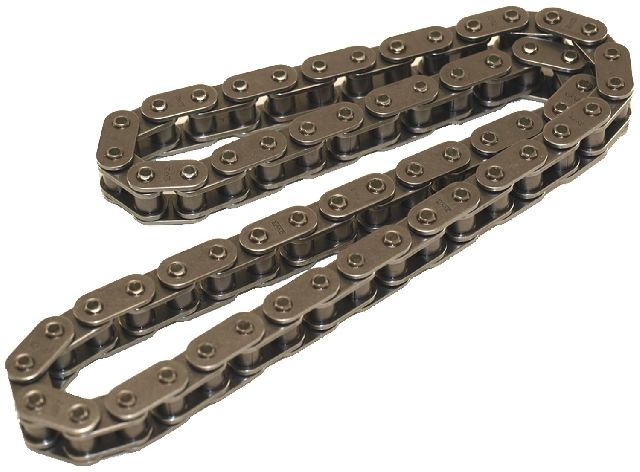
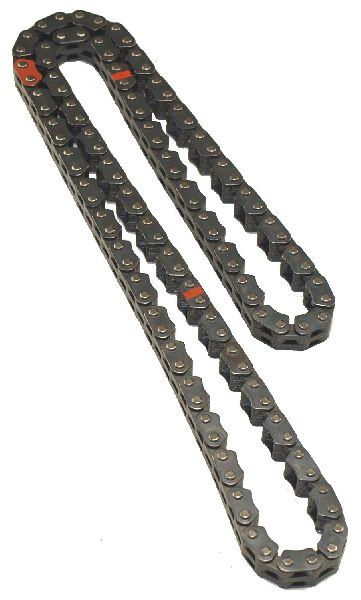
(OEM #12650231)— This is the primary failure point. A complete kit replaces the stretched chains and worn guides and tensioners with updated, more durable components. TSB 12-06-01-009F specifies using a kit. The kit for 2008-2009 LY7 engines is part number 12650231.
Trusted brands: ACDelco (OEM), Cloyes
OEM price range: $400-$550
Aftermarket price range: $250-$400
Related Codes That Often Appear With This One
- P0008 — This is a general 'Engine Positions System Performance Bank 1' code. It's often the first code to appear and is a precursor to more specific codes like P0017 as the chains continue to stretch.
- P0016 — This code indicates a correlation issue with the intake camshaft on Bank 1. It's very common to see P0016 and P0017 together, as the stretched chains affect the timing of both camshafts on that bank.
- P0018 / P0019 — These are the equivalent codes (intake and exhaust correlation) for Bank 2 (driver's side). If the chains are severely stretched, timing can be affected on both banks, triggering all four codes.
- P0300 — A 'Random Misfire' code can be triggered because the incorrect valve timing caused by the stretched chains leads to inefficient combustion and a rough running engine.
Technical Service Bulletins (TSBs) & Recalls
- PIP3423P - Instructs technicians to check for loose timing chains/tensioners or a moved crankshaft reluctor wheel for P0017 and related codes.
- 12-06-01-009F - Announces the availability of updated, more durable timing chain kits to repair stretched chains on the high feature V6 engines, including the 2008-2009 Pontiac G8.
- 11340C - Special Coverage Adjustment that extended the warranty to 10 years/120,000 miles for timing chain wear on many vehicles with the 3.6L V6, acknowledging the premature wear issue.
Platform-Specific Known Issues
- The 3.6L LY7 V6 engine has a widely documented history of premature timing chain failure across multiple GM platforms, not just the G8.
- GM issued Special Coverage Adjustment #11340C for this issue on many vehicles, extending the warranty for the timing chains to 10 years or 120,000 miles. While the G8 was not explicitly listed in some versions of the customer letter, its platform mates with the identical engine were, and the TSBs for the repair parts do include the G8.
- The original oil life monitor (OLM) system often recommended oil change intervals that were too long, leading to oil breakdown and accelerating chain wear. The special coverage sometimes included an ECM reprogram to shorten these intervals.
Mechanic-Grade Diagnostic Values
- Camshaft Position Actuator (VVT Solenoid) Resistance — expected: 8 to 13 Ohms. Failure: A reading significantly outside this range, or an open/infinite reading, indicates a failed solenoid.
- Camshaft Position Sensor (CMP) Power Supply Voltage — expected: ~5.0 Volts at the sensor connector with key on, engine off.. Failure: No voltage or significantly low voltage points to a wiring or ECM problem, not a faulty sensor.
- Cam/Crank Correlation Angle on Scan Tool — expected: Less than 4-5 degrees of deviation at idle.. Failure: A persistent deviation greater than 5-6 degrees indicates a likely mechanical timing issue (stretched chain). The ECM may set the fault code when deviation exceeds 10-13 degrees.
Scan Tool Commands That Help
- Tech2 / GDS2 (GM Professional Scan Tool): Camshaft Position Actuator Solenoid Control — This bidirectional command allows a technician to manually activate the exhaust VVT solenoid for Bank 1 while the engine is running. A noticeable change in engine idle or RPM confirms the solenoid is mechanically working and receiving oil pressure. No change points to a faulty solenoid, clogged oil passage, or wiring issue, helping to rule out these components before suspecting the timing chains.
Wiring & Ground Locations
- G108 — On the right rear (passenger side) of the engine block.. This is a primary engine block ground. The ECM and sensors, including the crankshaft and camshaft position sensors, require a clean ground path. A loose or corroded connection at G108 can cause erratic sensor signals, potentially mimicking or contributing to correlation faults.
- ECM (Engine Control Module) Connectors — Located in the engine compartment on the driver's side, near the firewall.. All sensor signals are processed here. Technicians may need to test for voltage and signal integrity directly at the ECM connector pins (e.g., A43-X1, A43-X2) to definitively rule out a wiring harness issue between the sensors and the module.
OEM Part Supersession History
12650231→12700435— Updated design for improved durability, part of GM's ongoing effort to resolve premature timing chain wear issues.
Model Year Variations Within This Range
- 2008-2009: For the 3.6L LY7 V6 engine and the P0017 fault, there are no significant documented mechanical or electrical differences between the 2008 and 2009 model years. The causes and repair procedures are identical.
Helpful Videos
We Have This Part in Stock





The information in this article is provided for general reference and educational purposes only. Vehicle specifications, procedures, and part compatibility can vary by production date, trim level, and region. Always consult your vehicle's factory service manual and verify part numbers before purchasing or performing repairs. Safety-critical components such as airbags, seat belts, and braking systems should be installed by a qualified professional.
- Pontiac G8:
- 🎬 Helpful Videos
- 🛍️ Shop This Part
- What's Unique About the 2008-2009 Pontiac G8
- Diagnostic Flowchart
- Symptoms You May Notice
- Most Likely Causes
- Rare But Worth Checking
- Diagnosis Steps
- Parts You'll Likely Need
- Related Codes That Often Appear With This One
- Technical Service Bulletins (TSBs) & Recalls
- Platform-Specific Known Issues
- Mechanic-Grade Diagnostic Values
- Scan Tool Commands That Help
- Wiring & Ground Locations
- OEM Part Supersession History
- Model Year Variations Within This Range
- 🎟️ Get 5% Off