

P0017 on 2015-2016 Lincoln MKS: Causes, Fixes, and Timing Chain Info
P0017 on a 2015-2016 Lincoln MKS indicates a timing correlation error between the crankshaft and the Bank 1 exhaust camshaft. The most common causes are low/dirty oil or a faulty VCT solenoid ($50-$150). However, it can also signal a more serious stretched timing chain, especially on the 3.5L EcoBoost, or a failing internal water pump on the 3.7L V6. Both are serious repairs that can exceed $2,000.
- P0017 is a serious code that should be addressed promptly to avoid poor performance and potential engine damage.
- Always start your diagnosis by checking the engine oil level and condition. A simple oil change is the cheapest and easiest first step.
- The most likely failed part is the Bank 1 exhaust VCT solenoid, which may be sticking due to oil debris. This is a common issue confirmed by manufacturer TSBs.
- A rattling noise from the engine on a cold start is a major red flag for a stretched timing chain, a common and expensive repair, especially on the 3.5L EcoBoost engine.
- Do not automatically replace the camshaft position sensor; it is usually reporting a real mechanical issue rather than being the source of the problem itself.
What's Unique About the 2015-2016 Lincoln MKS
Both engines in the MKS are susceptible to this code, but for different, well-documented reasons. On the 3.7L V6, a notorious, timing-chain-driven internal water pump can fail, contaminating the engine oil with coolant. This contaminated oil quickly degrades timing components, leading to correlation codes like P0017. On the 3.5L EcoBoost V6, the timing chain itself is a known weak point, prone to stretching over time, which directly causes this correlation code. This is often preceded by a distinct rattling noise on cold startups for 2-5 seconds. Manufacturer TSBs like SSM 48423 confirm that sticking VCT solenoids due to oil debris are a common issue across both Ford/Lincoln engine platforms.
Diagnostic Flowchart
Tap your situation to follow the diagnostic path that matches what you're seeing on this vehicle.
Symptoms You May Notice
- Check Engine Light is on
- Rough or uneven idle
- Reduced engine power and sluggish acceleration
- Engine stalling, especially at low speeds
- Decreased fuel economy
- Rattling noise from the engine on startup, particularly on the 3.5L EcoBoost
- Engine may run erratically during acceleration
- Replacing the camshaft position sensor first. The sensor is usually accurately reporting a real mechanical problem with the timing, not failing itself. The issue is more often oil-related, a VCT solenoid, or the timing chain.
- Replacing the crankshaft position sensor. A failure of this sensor typically causes other codes or a no-start condition, making it an unlikely cause for an isolated P0017.
- Using a cheap aftermarket oil filter. In some cases on Ford engines, a faulty aftermarket oil filter with an incorrect bypass valve has been shown to cause oil pressure issues to the VCT system, triggering timing codes.
Most Likely Causes
- Low or Dirty Engine Oil 🔴 High Probability The Variable Camshaft Timing (VCT) system is hydraulically operated by engine oil. Low levels or oil that is dirty, sludgy, or the wrong viscosity can prevent the VCT solenoids and phasers from operating correctly. TSBs directly link oil debris to this failure.
How to confirm: Check the oil level on the dipstick and inspect the oil's condition. If it is dark, thick, or below the minimum level, this is a likely contributor. On the 3.7L, if the oil appears milky or frothy, suspect coolant contamination from a failing internal water pump.
Typical fix: Perform an oil and filter change using the manufacturer-specified grade of oil (e.g., Motorcraft 5W-30) and a quality filter.
Est. part cost: $40-$80 - Sticking or Failed VCT Solenoid 🔴 High Probability As noted in TSBs SSM 48423 and SSM 54366, small debris in the oil can cause the VCT solenoids to stick. This is a very common failure point on Ford and Lincoln V6 engines, and the TSBs recommend cycling the solenoid with a scan tool to attempt to clear debris before replacement.
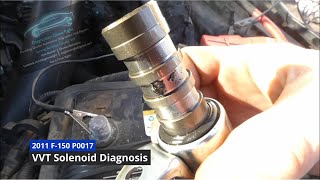
How to confirm: A diagnostic scan tool can command the solenoid to actuate 🎬 Watch: How to diagnose and swap VVT solenoids first. while monitoring cam deviation. A common DIY method is to swap the suspect solenoid (Bank 1 Exhaust) with an identical one (e.g., Bank 1 Intake) and see if the code changes to P0016.
Typical fix: Replace the Bank 1 exhaust VCT solenoid. Accessing the Bank 1 (firewall side) solenoids often requires removing the upper intake manifold.
Est. part cost: $50-$150 - Stretched Timing Chain 🟡 Medium Probability The 3.5L EcoBoost engine, in particular, is known for premature timing chain stretch. This creates slack, altering the physical relationship between the crank and cams, which the sensors detect as a correlation error. This can be exacerbated by fuel dilution in the oil, a known characteristic of EcoBoost engines.
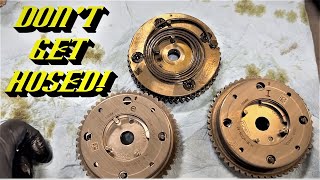
How to confirm: A persistent rattling noise on cold starts lasting 2-5 seconds is a classic symptom. Physical inspection 🎬 See: Identifying the 3.5L EcoBoost startup rattle and phaser issues. is required for definitive confirmation, which involves significant engine disassembly to check timing marks and chain tension.
Typical fix: Replace the timing chain, tensioners, guides, and often the cam phasers as a complete kit. This is a labor-intensive job, often taking 9+ hours.
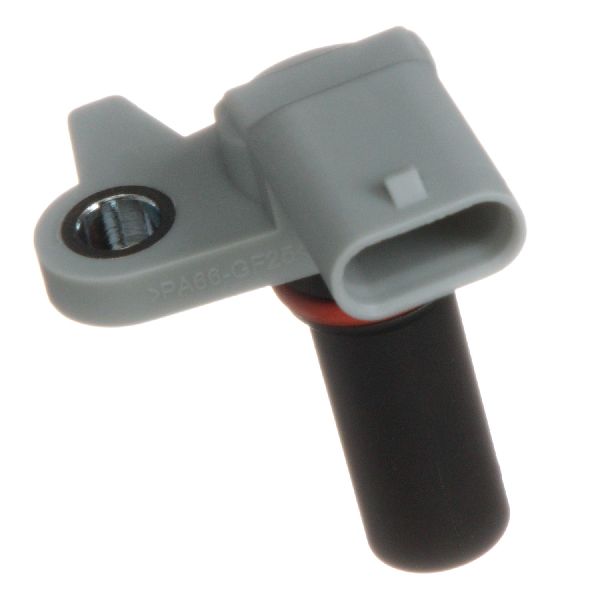
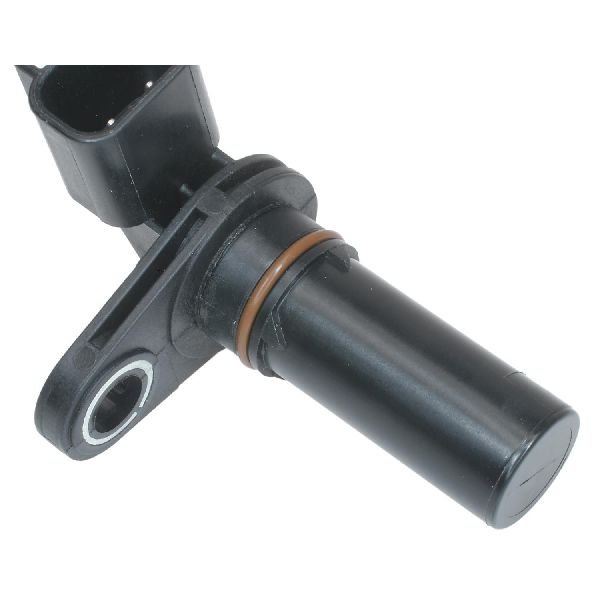
Est. part cost: $400-$900 - Failed Camshaft Position Sensor ⚪ Low Probability
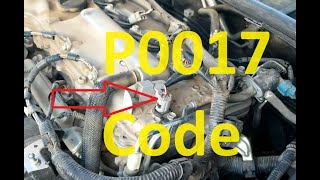
How to confirm: Test the sensor's resistance with a multimeter 🎬 Watch: A helpful overview of P0017 causes and common fixes. or check its signal with an oscilloscope. Swapping it with the sensor from the other bank (if identical) is another diagnostic step.
Typical fix: Replace the Bank 1 exhaust camshaft position sensor.
Est. part cost: $30-$70
Rare But Worth Checking
- Internal Water Pump Failure (3.7L V6): On the 3.7L engine, the water pump is located internally and is driven by the timing chain. If the pump's bearing or seal fails, it can leak coolant directly into the engine oil. This contaminated oil quickly destroys timing components, leading to codes like P0017. A check for milky oil or oil in the coolant reservoir is critical.
- Failed Cam Phaser: The cam phaser (actuator) itself can fail mechanically, getting stuck in one position or breaking. This is less common than a solenoid failure but more common than a sensor failure. It's often replaced during a timing chain job as a preventative measure.
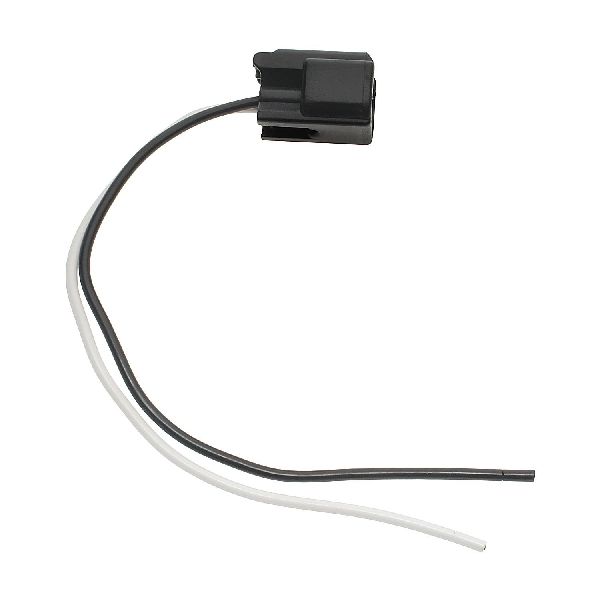
- Damaged Wiring or Connector: A visual inspection of the wiring harness and connectors for the camshaft sensor and VCT solenoid should be performed to rule out frayed wires or corrosion, which can cause an intermittent signal.
Diagnosis Steps
- Verify the code with a reliable OBD-II scanner.
- Check engine oil level and condition. If low, dirty, or overdue for a change, perform an oil and filter change with the correct viscosity oil and a Motorcraft filter. If the oil is milky on a 3.7L, stop and diagnose the internal water pump.
- Inspect the wiring and connectors for the Bank 1 exhaust camshaft position sensor and the Bank 1 VCT solenoid for any signs of damage or corrosion.
- Using a scan tool with live data capabilities, monitor the camshaft and crankshaft position sensor data. Command the Bank 1 exhaust VCT solenoid on and off to check for a response, as recommended by Ford TSB SSM 48423.
- If the solenoid doesn't respond, or if the diagnosis is uncertain, swap the Bank 1 exhaust VCT solenoid with the Bank 1 intake VCT solenoid. Clear the codes and drive the vehicle. If the code changes to P0016, the solenoid is faulty and needs replacement.
- If the code remains P0017 after the solenoid swap, the issue is more likely mechanical.
- Listen for a rattling noise from the front of the engine during a cold start. A 2-5 second rattle is a classic sign of a stretched timing chain or failing tensioners.
- If a timing chain issue is suspected, the next step is to remove the valve cover and engine front cover to physically inspect the timing marks, chain tension, and condition of the guides. This is an advanced, labor-intensive step.
Parts You'll Likely Need
- Variable Camshaft Timing (VCT) Solenoid
(OEM #7T4Z-6M280-C (For 3.7L))— This is the most common failed component, often getting stuck due to oil debris, as noted in Ford TSBs SSM 48423 and SSM 54366.
Trusted brands: Motorcraft, Dorman, Delphi
OEM price range: $60-$100
Aftermarket price range: $30-$80 - Timing Chain Kit
(OEM #HL3Z-6B274-A (Example for 3.5L EcoBoost, verify for MKS))— A stretched timing chain is a frequent cause of P0017, especially on the 3.5L EcoBoost. The kit typically includes the chain, guides, and tensioners needed for the repair.
Related Codes That Often Appear With This One
- P0016 — This is the correlation code for the intake camshaft on the same bank (Bank 1). If P0016 and P0017 appear together, it strongly points to a base timing issue, like a stretched timing chain or failing water pump, affecting the entire bank.
- P0018 / P0019 — These are the equivalent correlation codes for Bank 2. Seeing codes for both banks simultaneously is a strong indicator of a problem affecting the entire engine, such as a stretched primary timing chain or severe oil pressure/quality issues.
- P0300, P0301, P0302, P0303 — These are random or specific misfire codes for Bank 1. Incorrect camshaft timing can disrupt the combustion process, leading to misfires on the affected cylinders.
- P0015 — This code for 'B' Camshaft Position - Timing Over-Retarded (Bank 1) can appear alongside P0017 as it is often caused by the same underlying issues, such as a sticking VCT solenoid or oiling problem.
Technical Service Bulletins (TSBs) & Recalls
- SSM 54366
- SSM 48423
- SSM 47170
- SSM 50067
- 18-2305
Platform-Specific Known Issues
- TSB SSM 48423 and SSM 54366 specifically mention that P0017 (among other codes) can be caused by small debris causing the VCT solenoid to stick, and advise diagnosis before component replacement.
- The 3.7L V6 engine features an internal, timing-chain-driven water pump. A failure of this pump can contaminate the engine oil with coolant, leading to widespread lubrication and timing system failure.
- The 3.5L EcoBoost V6 is widely known for issues with timing chain stretch, which is a direct mechanical cause for correlation codes like P0017.
Mechanic-Grade Diagnostic Values
- VCT Solenoid Internal Resistance — expected: 5 to 14 Ohms. Some sources specify 6.9 - 7.9 Ohms at 68°F.. Failure: A reading of 0 Ohms (short), infinity/OL (open), or significantly outside the expected range.
- Camshaft Position (CMP) Sensor Resistance (2-wire VR type) — expected: 586 - 2,033 Ohms. Failure: Resistance outside this range indicates a faulty sensor.
- VCT Solenoid Connector Voltage (Key On, Engine Off) — expected: Greater than 10.5V (should be close to battery voltage).. Failure: Voltage below 10.5V indicates an open circuit in the power feed wiring or a PCM power supply problem.
- Engine Oil Pressure at Hot Idle — expected: At least 25 PSI.. Failure: Pressure below 25 PSI can cause VCT system malfunction due to oil starvation.
- Ford IDS Scan Tool PID: VCT_EXH_DIF1 (VCT Exhaust Differential Bank 1) — expected: Should be close to 0 degrees at idle when the engine is warm.. Failure: A consistent reading of several degrees positive or negative at idle suggests a correlation error. A reading of +6 degrees or more on an intake cam PID has been linked to a stretched chain in a TSB.
Scan Tool Commands That Help
- Ford IDS (Integrated Diagnostic System) or equivalent: Variable Camshaft Timing (VCT) Solenoid On/Off Test — This is a key bidirectional control used to manually cycle the VCT solenoid. Per TSBs like SSM 47170, cycling the solenoid 10 times can dislodge small debris causing it to stick, potentially fixing P0017 without part replacement. It's a primary diagnostic step after checking oil and before replacing the solenoid.
- Ford IDS (Integrated Diagnostic System) or equivalent: Power Balance Test — If misfires are also present (e.g., P0301, P0303), this test can help determine if the misfire is related to the timing issue by deactivating individual cylinders and observing the effect on engine RPM.
Real Owner Repair Stories
- Reddit user on r/fordexpedition (2015 Ford Expedition with 3.5L EcoBoost engine, 135k miles) — Vehicle had the infamous timing chain rattle on startup and multiple codes. After a full timing job, all codes cleared except for a new P0017.
❌ Tried (didn't work) A complete timing chain and cam phaser replacement was performed.
✅ What actually fixed it The user reported the P0017 code appeared *after* the timing chain replacement. The discussion suggests the timing was likely off by a tooth, a common issue when performing this complex job, requiring the job to be redone to correct the mechanical timing. - Ford F150 Forum user (2012 F150 FX4 with 3.5L EcoBoost) — Loss of power, Check Engine Light on, misfire at idle, and code P0016 (similar correlation code).
❌ Tried (didn't work) Clearing the code initially did not resolve the misfire at idle.
✅ What actually fixed it The user manually cycled the suspect VCT solenoid by applying 12V power to its connector multiple times. They heard a click after a few attempts, suggesting it was stuck. After cycling it, they drove the vehicle, and the misfire and code were resolved, indicating the solenoid was freed.
OEM Part Supersession History
AT4Z-6268-C (Primary Chain), AT4Z-6268-A (Secondary Chains)→HL3Z-6268-A (Primary/Secondary Chains for 2nd Gen 3.5L EcoBoost)— The timing chain for the 3.5L EcoBoost was updated for the second generation (2017+). While the MKS uses the first-generation engine, it's important to use the correct kit for the specific model year.
Heads up: Using parts from a newer generation EcoBoost engine may not be compatible. It is critical to verify the part numbers for the specific 2015-2016 MKS application. The part number HL3Z-6B274-A is an example for a 3.5L EcoBoost but must be verified for the MKS.
Helpful Videos
We Have This Part in Stock


The information in this article is provided for general reference and educational purposes only. Vehicle specifications, procedures, and part compatibility can vary by production date, trim level, and region. Always consult your vehicle's factory service manual and verify part numbers before purchasing or performing repairs. Safety-critical components such as airbags, seat belts, and braking systems should be installed by a qualified professional.
- Lincoln MKS:
- 🎬 Helpful Videos
- 🛍️ Shop This Part
- What's Unique About the 2015-2016 Lincoln MKS
- Diagnostic Flowchart
- Symptoms You May Notice
- Most Likely Causes
- Rare But Worth Checking
- Diagnosis Steps
- Parts You'll Likely Need
- Related Codes That Often Appear With This One
- Technical Service Bulletins (TSBs) & Recalls
- Platform-Specific Known Issues
- Mechanic-Grade Diagnostic Values
- Scan Tool Commands That Help
- Real Owner Repair Stories
- OEM Part Supersession History
- 🎟️ Get 5% Off