

P0017 on 2020-2021 Lincoln Aviator: Crank/Cam Correlation Causes and Fixes
P0017 on a 2020-2021 Lincoln Aviator most often points to a problem with the Variable Camshaft Timing (VCT) system, such as a faulty VCT solenoid or low/dirty engine oil. However, it can also indicate a more serious mechanical timing issue like a stretched timing chain. An oil and filter change is a good first step, but professional diagnosis is recommended as the issue could be a sticking solenoid, a bad sensor, or a more severe timing chain problem.
- P0017 on your Aviator means the passenger-side exhaust camshaft is out of sync with the crankshaft.
- Always check your engine oil level and condition first; low or dirty oil is a very common cause for this code.
- The most likely failed parts are the Bank 1 exhaust VCT solenoid or, less commonly, the camshaft position sensor.
- A rattling noise from the engine on startup is a strong indicator of a more serious timing chain problem that requires immediate professional attention.
- Due to the potential for a complex mechanical issue, a professional diagnosis is highly recommended to avoid costly misdiagnoses.
What's Unique About the 2020-2021 Lincoln AVIATOR
The 2020-2021 Aviator uses a sophisticated 3.0L twin-turbocharged V6 engine (Nano). Like many modern direct-injection, turbocharged engines, its Variable Camshaft Timing (VCT) system is highly sensitive to engine oil level and quality. While sensor or solenoid issues are common, this engine platform (shared with the Ford Explorer ST) can also be susceptible to timing chain issues, making a correct diagnosis crucial to avoid unnecessary, expensive repairs. A TSB for some 2021 models noted an issue with an oversized camshaft journal, which could lead to timing-related problems. Ford has issued multiple TSBs (like SSM 48423 and SSM 47170) for similar engines, noting that debris in the oil can cause VCT solenoids to stick, which is a common cause for this code.
Diagnostic Flowchart
Tap your situation to follow the diagnostic path that matches what you're seeing on this vehicle.
Symptoms You May Notice
- Check Engine Light is on
- Rough or unstable idle
- Reduced engine power and acceleration
- Hesitation during acceleration
- Poor fuel economy
- Engine may stall
- Rattling noise from the engine, especially on cold starts 🎬 Listen: Compare a normal engine start to a cold start rattle.
- Replacing the camshaft position sensor when the actual problem is a faulty VCT solenoid or low oil level. The sensor is often just accurately reporting a mechanical problem.
Most Likely Causes
- Low or Dirty Engine Oil 🔴 High Probability The VCT system uses oil pressure to adjust cam timing. Low, old, or incorrect viscosity oil can impede the function of the VCT solenoids and cam phasers. Ford TSBs frequently cite oil debris as a root cause for VCT-related codes.
How to confirm: Check the engine oil dipstick for proper level and inspect the oil's color and consistency. A TSB for the 3.0L EcoBoost specifically notes that improper oil check procedures can lead to a false low reading.
Typical fix: Perform an engine oil and filter change using the correct OEM-specified full synthetic oil (e.g., Motorcraft 5W-30) and a high-quality filter (e.g., Motorcraft FL-500S). Clear the code and see if it returns.
Est. part cost: $50-$100 - Faulty Variable Camshaft Timing (VCT) Solenoid 🔴 High Probability These solenoids control oil flow to the cam phasers. They can become clogged with debris or fail electrically, causing them to stick. Multiple Ford/Lincoln TSBs (SSM 47170, SSM 48423) mention that debris can cause VCT solenoids to stick, making this a very common failure point.
How to confirm: A mechanic can use a scan tool to command the Bank 1 exhaust VCT solenoid on and off to check for a response. Another common diagnostic step is to swap the exhaust solenoid with the intake solenoid on the same bank and see if the code changes to P0016.
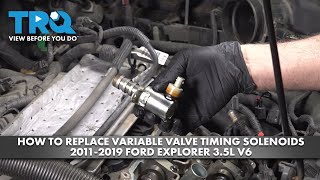
Typical fix: Replace the Bank 1 exhaust VCT solenoid 🎬 See this walkthrough for replacing variable valve timing solenoids. and perform an oil change. The OEM part number is a common point of reference in TSBs.
Est. part cost: $40-$90 - Faulty Camshaft Position Sensor (CMP) 🟡 Medium Probability While less common than a solenoid failure, the sensor that reads the camshaft's position can fail, sending incorrect data to the PCM.
How to confirm: Test the sensor's signal with an oscilloscope or multimeter. Check the wiring and connector for damage or corrosion.
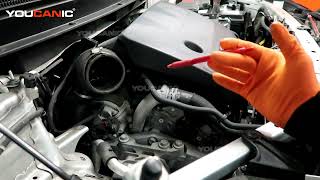
Typical fix: Replace the Bank 1 exhaust camshaft position sensor. 🎬 Watch: How to locate engine bank sensors A and B.
Est. part cost: $30-$70 - Stretched Timing Chain or Worn Timing Components 🟡 Medium Probability Although the 3.0L EcoBoost is a newer design, timing chain stretch is a known issue in the broader EcoBoost engine family. Wear on chain guides or tensioners can also cause slack, leading to a correlation error. A rattling noise on cold start is a strong indicator of this issue.
How to confirm: This is a mechanical issue confirmed by checking cam/crank correlation PIDs with a scan tool. A consistent error of more than 5-10 degrees at idle often indicates a mechanical timing problem. A physical inspection is the ultimate confirmation but requires significant engine disassembly.
Typical fix: Replace the timing chain, tensioners, and guides. This is a major repair, and it's often recommended to replace the cam phasers at the same time.
Est. part cost: $400-$800
Rare But Worth Checking
- Damaged Camshaft Phaser (VCT Actuator): The phaser is the mechanical gear on the end of the camshaft that actually adjusts the timing. It can fail mechanically or get clogged with debris, but this is less common than a solenoid failure. On some EcoBoost engines, phaser failure is more common and is often accompanied by a cold-start rattle.
- Faulty Crankshaft Position Sensor (CKP): A failing CKP sensor is possible but would typically cause more widespread issues and likely trigger other codes in addition to P0017.
- Clogged Oil Passages: In cases of severe engine sludge from neglected oil changes, the small oil passages feeding the VCT solenoids and phasers can become blocked, starving them of oil pressure.
Diagnosis Steps
- Check the engine oil level and condition. If low or dirty, perform an oil and filter change with the manufacturer-specified oil, clear the code, and test drive.
- Use a professional OBD-II scanner to check for any other stored trouble codes and monitor live data.
- Monitor live data PIDs for commanded vs. actual cam position (VCT_ADV_CMD and VCT_ADV) and the correlation error (VCT_EXH_ERR). A consistent error greater than 5-10 degrees points to a mechanical fault.
- Inspect the wiring and connectors for the Bank 1 exhaust camshaft sensor and VCT solenoid for any signs of damage, corrosion, or looseness.
- As per Ford TSBs, use the scan tool's bidirectional controls to command the Bank 1 exhaust VCT solenoid on and off multiple times to try and dislodge debris. Listen for an audible click.
- If possible, swap the Bank 1 exhaust VCT solenoid with the Bank 1 intake VCT solenoid. If the code changes to P0016, the solenoid is faulty.
- If other steps do not identify the issue, a more in-depth mechanical diagnosis is needed to inspect the timing chain, guides, and phasers, which requires partial engine disassembly.
Parts You'll Likely Need
- Variable Camshaft Timing (VCT) Solenoid
(OEM #Motorcraft JT4Z-6M280-C (Verify with VIN))— This is one of the most common failure points for VCT-related codes, as it can get stuck or fail electronically, disrupting oil flow to the phaser. TSBs frequently cite this part.
Trusted brands: Motorcraft, Dorman
OEM price range: $60-$100
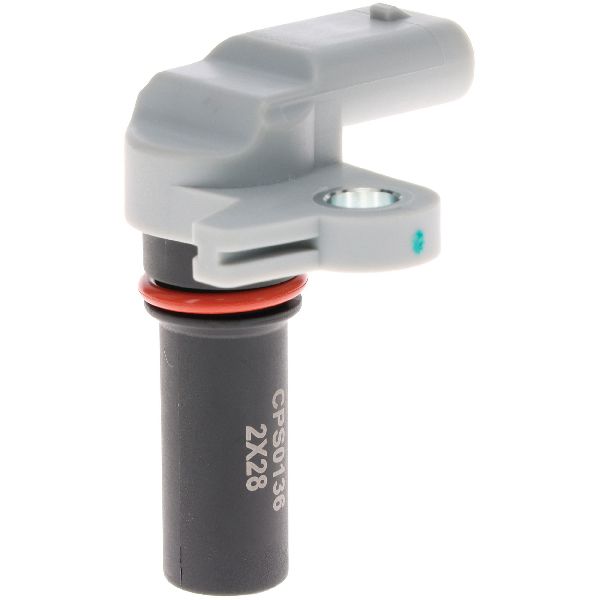
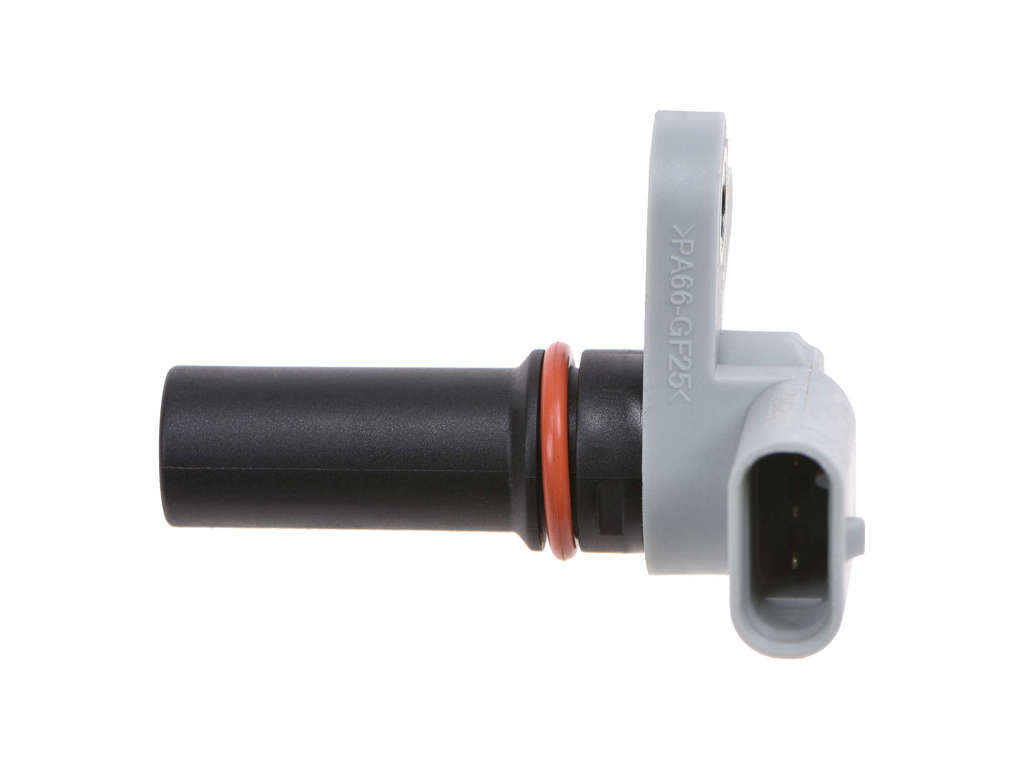
Aftermarket price range: $40-$70 - Camshaft Position Sensor
(OEM #Motorcraft PC967 (Verify with VIN))— If the sensor itself fails, it will send incorrect data to the PCM, triggering the code. It's a common replacement part, though less likely to be the cause than the VCT solenoid.
Trusted brands: Motorcraft, Bosch, NTK, Delphi
OEM price range: $40-$70
Aftermarket price range: $25-$50 - Timing Chain Kit — If diagnosis points to a stretched chain or failed guides/tensioners, a complete kit is required for the repair. This is a major job.
Trusted brands: Motorcraft
OEM price range: $400-$800
Aftermarket price range: $250-$500
Related Codes That Often Appear With This One
- P0016 — This is the correlation code for the intake camshaft on the same bank (Bank 1). If both P0016 and P0017 appear together, it strongly suggests a base timing issue, like a stretched timing chain, affecting the entire bank.
- P0300, P0301, P0302, P0303 — These are misfire codes for Bank 1. Incorrect cam timing can disrupt the combustion process, leading to misfires on the affected cylinders.
- P0018, P0019 — These are the equivalent correlation codes for Bank 2 (driver's side). If codes for both banks are present, it almost certainly confirms a problem with the primary timing chain or crankshaft reluctor wheel.
Technical Service Bulletins (TSBs) & Recalls
- SSM 54366: General TSB for 2015-2021 Ford/Lincoln vehicles with various VCT codes, pointing technicians to updated diagnostic procedures.
- TSB 21B18: Specific to 2021 Aviators, addresses a factory defect of an oversized camshaft journal that can cause timing issues.
- SSM 49449: Notes potential for inaccurate oil level readings on the 3.0L EcoBoost, which is critical for VCT system health.
- SSM 48423 / SSM 47170: Widely cited TSBs for Ford/Lincoln engines indicating that debris in oil can cause VCT solenoids to stick, triggering codes like P0017.
Platform-Specific Known Issues
- TSB #21B18 was issued for certain 2021 Aviators with 3.0L engines regarding an oversized right-hand exhaust camshaft journal installed at the factory, which required engine assembly replacement.
- TSB #SSM 49449 notes that on 2020-2021 Aviators with the 3.0L EcoBoost, the engine oil level may appear low if proper checking procedures are not followed. An inaccurate low oil reading could lead to misdiagnosis of oil-pressure related codes like P0017.
- TSB #SSM 48423 and #SSM 47170, while not specific to the Aviator, cover many Ford/Lincoln vehicles in this timeframe and state that VCT codes like P0017 can be caused by small debris causing the solenoid to stick.
Mechanic-Grade Diagnostic Values
- VCT Solenoid Internal Resistance — expected: 6.9 to 12 Ohms at ~68°F (20°C).. Failure: A reading of infinity/OL (Open Loop) or near zero indicates a failed solenoid coil.
- Scan Tool VCT Error PID (e.g., VCT_EXH_ERR, VCT_ADV_ERR) — expected: Near 0 degrees at warm idle.. Failure: A consistent deviation greater than +/- 5 degrees at idle suggests a mechanical timing or phaser issue. Some TSBs note that an error of +6 degrees or more can specifically indicate a stretched timing chain.
- Engine Oil Pressure (Mechanical Gauge) — expected: Minimum of 15-25 PSI at hot idle.. Failure: Pressure below this minimum can cause the VCT system to malfunction, setting correlation codes.
- Camshaft Position Sensor (3-wire Hall Effect) Signal Voltage — expected: Reference wire should have ~5V. Signal wire should toggle between ~5V and 0V as the engine is cranked.. Failure: A signal wire that is stuck high (5V) or low (0V) indicates a failed sensor or wiring issue.
Hidden / Shadow Codes Worth Checking
- Mode 6 Test Data: Mode 6 provides non-continuous monitor test results. For VCT systems, it can contain statistical data on cam timing performance and error counts that are not part of standard DTCs. This data can help a technician assess the severity and frequency of a timing correlation issue. (see via A professional scan tool like Ford's IDS or an advanced aftermarket tool with Mode 6 capability is required.)
Scan Tool Commands That Help
- Ford IDS / FORScan: Output State Control / VCT Solenoid Command — This bidirectional test allows a technician to manually command the VCT solenoid on and off while monitoring cam angle PIDs. It's used to confirm if a solenoid is physically stuck or electrically unresponsive, which is a primary cause of P0017.
- FORScan: Camshaft Position Adaptation Reset / VCT System Relearn — After replacing timing components (chain, phasers) or sometimes even just sensors, the PCM may need to relearn the new components' base positions. A user on a forum noted this procedure was necessary to clear a P0017 code that persisted after a timing belt job.
Wiring & Ground Locations
- Engine Bay Ground Points — Common locations for main grounds on similar Ford platforms include points on the cowling near the battery, on the upper fenders, and on the sheet metal below the battery tray.. A poor ground for the PCM or its sensors can introduce electrical noise or incorrect voltage readings, potentially causing the PCM to misinterpret the cam/crank signals and set a false correlation code.
- PCM Connector — The Powertrain Control Module (PCM) is typically located in the engine bay. The Camshaft Position Sensor wires (power, ground, signal) run from the sensor to a specific pin on the main PCM connector.. To definitively rule out a wiring issue, a technician must perform a continuity and voltage check from the sensor connector all the way to the corresponding pins at the PCM. This verifies the integrity of the entire circuit.
Real Owner Repair Stories
- Ford Explorer Forum user (2020 Ford Explorer ST (mechanically identical 3.0L V6 platform)) — Vehicle would not start, or would die overnight even with a new battery. Faintly pulsing lights and vehicle vibration. Multiple seemingly unrelated electrical issues.
❌ Tried (didn't work) Jumping the vehicle (temporary fix)., Replacing the battery with a new one.
✅ What actually fixed it The user reported the dealer found the original OEM battery was failing and causing voltage to sag to 9.8V during startup load. While the story didn't involve a P0017 code directly, it highlights how a failing battery on this specific platform can cause a cascade of difficult-to-diagnose electrical problems and is a critical first check for any electronic fault codes.
OEM Part Supersession History
7T4Z-6M280-B→7T4Z-6M280-C— This is an example from a similar Ford V6 engine. Part numbers for VCT solenoids are frequently revised and superseded by the manufacturer to improve reliability or address known failure modes. The '-C' revision likely represents an improvement over the '-A' and '-B' versions.
Heads up: While not confirmed for the Aviator's specific part (JT4Z-6M280-C), it is critical to always verify the latest part number with a dealer using the vehicle's VIN, as using an older, failure-prone part can lead to a repeat repair.
Model Year Variations Within This Range
- 2021: A subset of 2021 Aviators were subject to TSB #21B18 for an oversized right-hand exhaust camshaft journal installed at the factory. This manufacturing defect could cause P0017 and required replacement of the engine assembly.
Helpful Videos

Used OEM Parts in Stock
New Aftermarket Parts Available


The information in this article is provided for general reference and educational purposes only. Vehicle specifications, procedures, and part compatibility can vary by production date, trim level, and region. Always consult your vehicle's factory service manual and verify part numbers before purchasing or performing repairs. Safety-critical components such as airbags, seat belts, and braking systems should be installed by a qualified professional.
- Lincoln AVIATOR:
- 🎬 Helpful Videos
- 🛍️ Shop This Part
- What's Unique About the 2020-2021 Lincoln AVIATOR
- Diagnostic Flowchart
- Symptoms You May Notice
- Most Likely Causes
- Rare But Worth Checking
- Diagnosis Steps
- Parts You'll Likely Need
- Related Codes That Often Appear With This One
- Technical Service Bulletins (TSBs) & Recalls
- Platform-Specific Known Issues
- Mechanic-Grade Diagnostic Values
- Hidden / Shadow Codes Worth Checking
- Scan Tool Commands That Help
- Wiring & Ground Locations
- Real Owner Repair Stories
- OEM Part Supersession History
- Model Year Variations Within This Range
- 🎟️ Get 5% Off