

P0017 on 2015-2021 Ford Transit Connect: Exhaust Camshaft Timing Fixes
On a 2015-2021 Transit Connect, P0017 is most often caused by low or dirty engine oil, or a failing exhaust Variable Camshaft Timing (VCT) solenoid. Start by checking your oil; if it's clean and full, the VCT solenoid is the next likely culprit. Ford TSBs SSM 47170 and 48423 note debris can cause the solenoid to stick, and recommend cycling it with a scan tool before replacement. The part (OEM CN1Z6M280B) costs around $30-$70.
- P0017 on your Transit Connect means the exhaust cam timing is out of sync with the crankshaft.
- Always check your engine oil level and condition first. An oil change with the correct 5W-20 oil can sometimes fix the problem.
- The most likely failed part is the exhaust VCT solenoid, which is relatively inexpensive and accessible.
- If you also have a P0016 code, the problem is very likely a stretched timing chain, which is a more serious repair.
- Do not immediately replace the cam/crank sensors; diagnose the VCT system and oil condition first to avoid unnecessary spending.
What's Unique About the 2015-2021 Ford TRANSIT CONNECT
This issue is common across many Ford vehicles equipped with the 2.5L and 2.0L Duratec/Mazda L-series engines. The Twin Independent Variable Camshaft Timing (Ti-VCT) system is highly dependent on clean oil and stable oil pressure to function. As multiple Ford Technical Service Bulletins (TSBs) point out, small debris in the oil can easily cause the VCT solenoids to stick, making this the most frequent point of failure for this code. TSBs SSM 47170 and SSM 48423 specifically advise technicians to use a scan tool to cycle the VCT solenoid 10 times to attempt to clear the debris before replacing the part.
Diagnostic Flowchart
Tap your situation to follow the diagnostic path that matches what you're seeing on this vehicle.
Symptoms You May Notice
- Check Engine Light is on
- Rough or uneven idle
- Hesitation or loss of power during acceleration
- Reduced fuel economy
- Engine may be difficult to start
- Rattling noise from the engine, especially on startup
- Replacing the crankshaft or camshaft position sensors immediately without first checking the oil condition or testing the VCT solenoid. The code indicates a correlation *problem*, which is more often mechanical (timing) or hydraulic (oil pressure) than a failed sensor.
- Replacing the timing chain without first ruling out the much simpler and cheaper VCT solenoid. The solenoid is a common failure point and should be thoroughly tested first.
Most Likely Causes
- Low or Dirty Engine Oil 🔴 High Probability The Ford Ti-VCT system uses oil pressure to adjust cam timing. Old, sludgy, or low oil cannot operate the VCT phasers correctly and can clog the small screens on the VCT solenoids, leading to correlation codes.
How to confirm: Check the oil level on the dipstick and inspect its color and consistency. If the oil is dark, gritty, or below the 'add' line, this is your likely cause.
Typical fix: Perform an engine oil and filter change using the correct viscosity oil specified in your owner's manual (typically 5W-20). Clear codes and test drive.
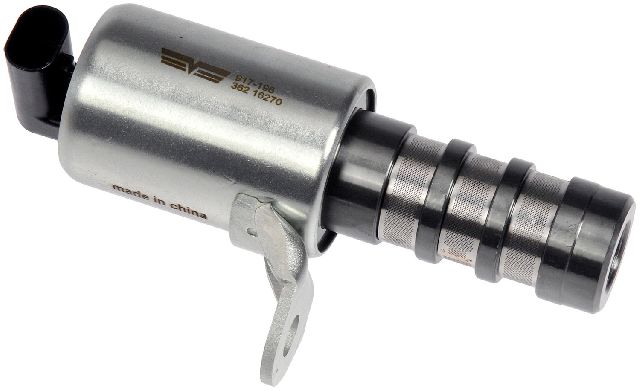
Est. part cost: $30-$60 - Faulty Exhaust VCT Solenoid (Oil Control Valve) 🔴 High Probability As highlighted in Ford TSBs SSM 47170 and SSM 48423, these solenoids are prone to sticking due to small debris in the engine oil, preventing them from correctly directing oil flow to the cam phaser. They are located on the top of the valve cover, making them relatively accessible.
How to confirm: With the engine running, use a capable bidirectional scan tool to command the exhaust VCT solenoid on and off (Ford's procedure is to cycle it 10 times); a change in engine idle should be noticeable. Alternatively, you can remove the solenoid, check its screen for debris, and apply 12V power to it to see if the internal plunger clicks audibly. 🎬 Watch: How to test and fix the exhaust correlation code
Typical fix: Replace the Bank 1 exhaust VCT solenoid. It is located on the top of the valve cover, held in by a single bolt. Ensure the old seal is removed with the solenoid.
Est. part cost: $30-$70 - Stretched Timing Chain or Failed Tensioner 🟡 Medium Probability Over time, particularly with mileage over 100,000 miles or a history of infrequent oil changes, timing chains can stretch, and hydraulic tensioners can weaken. This introduces slack into the system, causing the camshaft and crankshaft correlation to fall out of the PCM's expected range.
How to confirm: This often begins with a rattling noise from the front of the engine, especially on cold startups. Confirmation requires removing the timing cover to physically inspect the chain, guides, and tensioner for slack or damage. This is a complex diagnosis.
Typical fix: Replace the timing chain, guides, and tensioner as a kit. This is a labor-intensive job with shop costs often exceeding $1000.
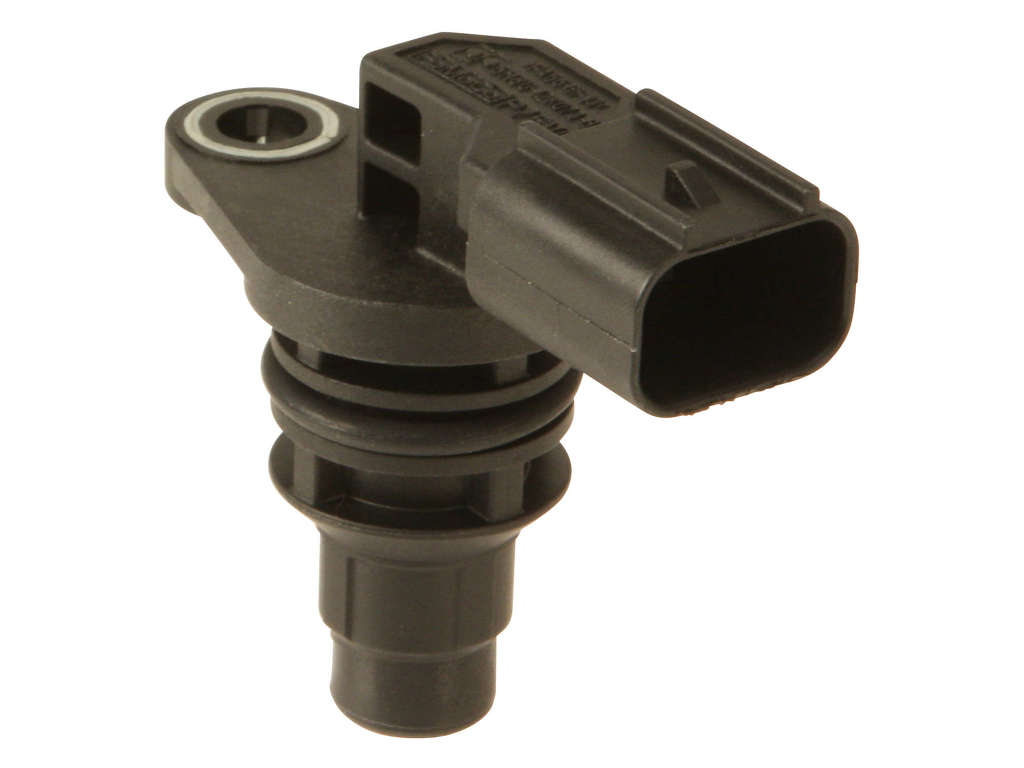
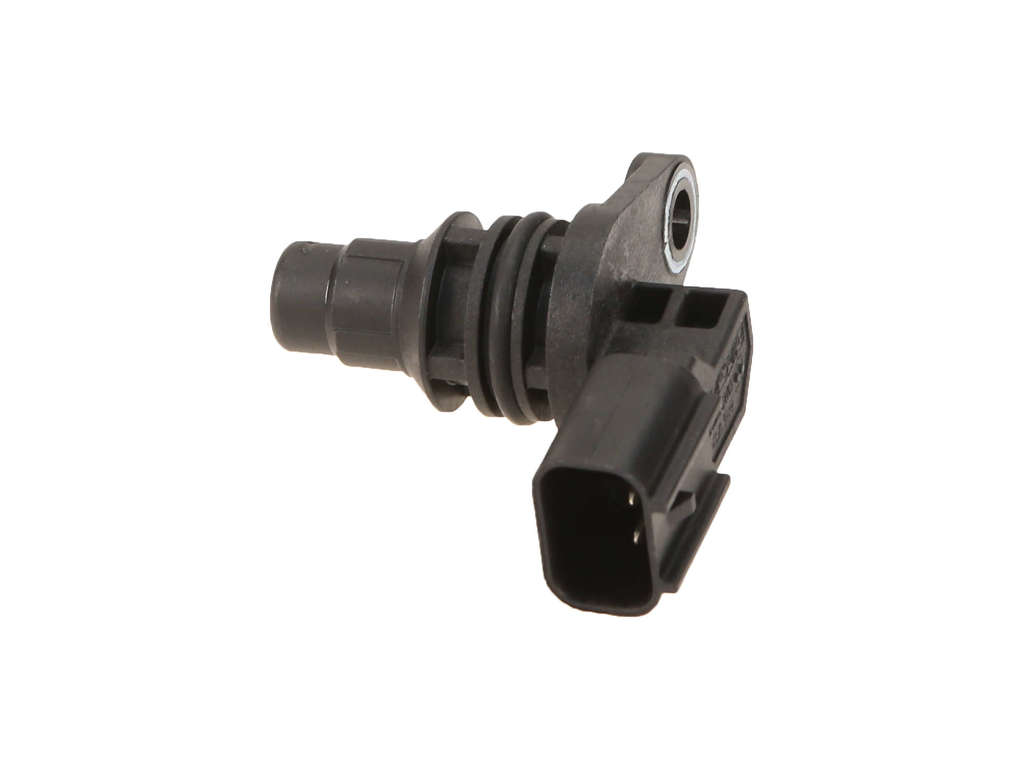
Est. part cost: $150-$400 - Faulty Exhaust Camshaft Position Sensor ⚪ Low Probability While less common than a solenoid or oil issue, the sensor itself can fail from heat and age, sending erratic or no signal to the PCM. However, the P0017 code indicates a correlation fault, which is more often mechanical than a complete sensor failure.
How to confirm: Inspect the sensor and its wiring for damage. The sensor's output can be monitored with an oscilloscope for a clean square wave pattern. Swapping it with the intake sensor (if they are identical parts) is a common diagnostic trick to see if the code changes to P0016.
Typical fix: Replace the Bank 1 exhaust camshaft position sensor. After replacement, some vehicles may require a crank relearn procedure.
Est. part cost: $25-$60
Rare But Worth Checking
- Failed VCT Phaser (Camshaft Sprocket): The mechanical sprocket on the end of the camshaft can fail internally or become stuck due to debris or loss of oil pressure. This is a more significant mechanical repair than the solenoid and is usually diagnosed after all other more common causes are ruled out. Ford has issued TSBs for similar issues on other engines, like the 3.5L EcoBoost.
- Damaged Reluctor Wheel/Tone Ring: The toothed wheel that the crankshaft or camshaft sensor reads can become damaged, bent, or slip on the shaft, causing incorrect readings. This is rare and typically only occurs during other major engine work or if there is a catastrophic failure.
- PCM Software Issue: In some cases, the PCM's parameters for monitoring the cam/crank correlation may be too sensitive. Ford has issued TSBs for other models that involve a PCM software update to correct VCT-related codes. Check for any available updates for your vehicle's PCM.
Diagnosis Steps
- Check Engine Oil: Verify the oil level is correct and the oil is clean and of the proper 5W-20 viscosity. If it's low, dirty, or overdue for a change, service it before proceeding. Clear codes and test drive.
- Scan for Other Codes: Check for other related codes (like P0016, P0011, P0014) that can help pinpoint the issue.
- Inspect Wiring: Visually inspect the wiring and connectors for the crankshaft sensor, exhaust camshaft sensor, and exhaust VCT solenoid for any signs of damage, corrosion, or looseness.
- Test the Exhaust VCT Solenoid: Use a bidirectional scan tool to command the solenoid. Per Ford TSB SSM 48423, cycle the solenoid 10 times to attempt to clear debris. Listen for a change in engine idle during activation. If no scan tool is available, remove the solenoid, inspect the screen for debris, and apply 12V to its terminals to listen for an audible click.
- Test the Camshaft Position Sensor: If the solenoid tests good, test the camshaft position sensor. You can monitor its signal with an oscilloscope or, if applicable, swap it with the intake sensor to see if the code changes to P0016.
- Check Mechanical Timing: If all electronic components and wiring are confirmed to be good, the next step is to perform a mechanical inspection. This involves accessing the timing chain, tensioner, and guides to check for stretching, wear, or damage. This is an advanced step and may require professional help.
Parts You'll Likely Need
- Variable Camshaft Timing (VCT) Solenoid / Oil Control Valve (Exhaust)
(OEM #CN1Z6M280B)— This is the most common failure point for P0017 on this platform, often getting stuck due to oil debris as noted in Ford TSBs. The intake and exhaust solenoids are typically the same part.
Trusted brands: Motorcraft, Dorman, Standard Motor Products
OEM price range: $50-$90
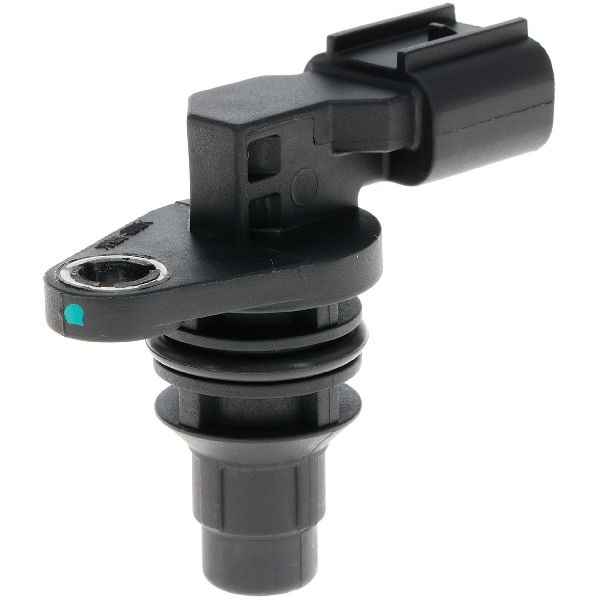
Aftermarket price range: $30-$70 - Camshaft Position Sensor (Exhaust)
(OEM #6M8Z-6B288-D (also listed as DU-110))— If the VCT solenoid and oil are good, a faulty sensor is the next most likely electrical component to cause this code. The intake and exhaust sensors are typically the same part.
Trusted brands: Motorcraft, Bosch, NGK/NTK
OEM price range: $40-$70
Aftermarket price range: $25-$60
Related Codes That Often Appear With This One
- P0016 — Crankshaft/Camshaft Correlation for Bank 1, Sensor A (Intake). If both P0016 and P0017 appear together, it strongly suggests a base timing issue, 🎬 Watch: Diagnosing combined P0016 and P0017 sensor faults like a stretched timing chain or a slipped timing component, rather than a single component failure on one camshaft.
- P0011 — 'A' Camshaft Position - Timing Over-Advanced (Bank 1). This code points to a problem with the intake cam timing and can appear with P0017 if there is a systemic oil pressure or VCT system problem affecting both solenoids or phasers.
- P0014 — 'B' Camshaft Position - Timing Over-Advanced (Bank 1). This is the counterpart to P0017 and indicates the exhaust cam is too far advanced. Seeing them together points directly to a problem with the exhaust cam's timing control, likely the VCT solenoid or phaser.
Technical Service Bulletins (TSBs) & Recalls
- SSM 48423: Some 2015-2020 Ford/Lincoln vehicles may exhibit VCT DTCs (including P0017). This may be due to small debris causing the VCT solenoid to stick. Recommends using a scan tool to cycle the solenoid 10 times to clear debris before replacement.
- SSM 47170: Earlier version of SSM 48423 with the same recommendation for various 2015+ vehicles with VCT codes. Highlights that debris is a common cause for sticking solenoids.
- SSM 54366: A general TSB that lists P0017 among many other VCT-related codes for 2015-2021 Ford/Lincoln vehicles and refers technicians to standard diagnostic procedures in the workshop manual.
Mechanic-Grade Diagnostic Values
- VCT Solenoid (Oil Control Valve) Resistance — expected: 7-14 Ohms. Some sources specify a tighter range of 6.9-7.9 Ohms at 68°F (20°C).. Failure: A reading of open (infinite resistance) or well outside the specified range indicates a faulty solenoid coil.
- Camshaft Position Sensor Resistance — expected: Typically 200-900 Ohms for an inductive-style sensor.. Failure: A reading outside this range suggests the sensor is faulty. Note: Hall-effect sensors are tested differently, using voltage checks.
- Scan Tool Live Data: VCT Advance Error (VCT_ADV_ERR) — expected: Close to 0 degrees at hot idle.. Failure: A consistent, significant deviation from 0 degrees indicates the PCM cannot achieve the desired cam timing, pointing to a stuck phaser, faulty solenoid, or oil pressure issue.
Hidden / Shadow Codes Worth Checking
- Mode 6 Data: While not a 'shadow code,' Mode 6 provides non-continuous monitor test results. For VCT systems, it can offer statistical data on timing deviations that may not be severe enough to set a continuous DTC but can indicate a borderline component. (see via A professional scan tool like Ford IDS or an advanced tool like FORScan can access Mode 6 data.)
Scan Tool Commands That Help
- Ford IDS (or equivalent bidirectional scanner): VCT Solenoid On/Off Command or Duty Cycle Control — This is a primary diagnostic step to confirm if the solenoid is mechanically stuck or electrically unresponsive. Activating the solenoid at idle should cause a noticeable change in engine RPM or smoothness.
- Ford IDS / FORScan: Live Data Graphing (e.g., VCT_ADV_DES, VCT_ADV, VCT_ADV_ERR) — Graphing the desired cam angle vs. the actual angle and the resulting error is crucial for diagnosing intermittent issues or a slow-to-respond VCT system, which often points to a failing solenoid or oil flow restriction.
- Scan Tool Dependent: Crankshaft Position Sensor Relearn / Misfire Monitor Neutral Profile Correction — After replacing a crankshaft or camshaft position sensor, some Ford vehicles may require this procedure to recalibrate the PCM's reference for the new sensor's signal to ensure accurate timing and misfire detection.
Wiring & Ground Locations
- G101 / G104 — Located at the lower left rear of the engine compartment.. These are primary engine ground points. A corroded or loose ground here can cause erratic voltage and signal issues for critical sensors like the crankshaft and camshaft position sensors, leading to false correlation codes.
- VCT Solenoid Connector — On top of the valve cover, connected to the VCT solenoid.. This connector is exposed to heat and vibration. Pin 1 is typically the 12V power supply from the PCM power relay, and Pin 2 is the ground-side control wire from the PCM. Checking for voltage at Pin 1 (key on) and continuity to the PCM on Pin 2 are key electrical tests.
- Camshaft Position Sensor Connector — On the cylinder head, near the corresponding camshaft.. For a 3-wire Hall-effect sensor, this connector provides 5V reference voltage, sensor ground, and the signal wire back to the PCM. Damage or corrosion here will cause a loss of signal.
OEM Part Supersession History
CN1Z-6M280-B→CN1Z-6M280-E— Likely an internal design or material update to improve durability and resistance to sticking from oil debris.
Heads up: The new part number is a direct replacement for the old one. Part number CN1Z-6M280-D was also part of this supersession chain.6M8Z-6B288-B→6M8Z-6B288-D— Likely an update to the sensor's internal electronics or magnetic components for improved signal accuracy and longevity.
Heads up: The -D revision is the direct replacement for older versions like -B and -C.
Model Year Variations Within This Range
- 2019-2021 (non-fleet): The standard engine changed from the 2.5L Port Fuel Injection (PFI) I4 to the 2.0L Gas Direct Injection (GDI) I4. While both are Duratec engines with Ti-VCT, the GDI system adds a high-pressure fuel system. The underlying causes for P0017 (oil pressure, VCT solenoids, timing chain) and the diagnostic approach remain fundamentally the same, as both engines share the same VCT architecture.
Helpful Videos

We Have This Part in Stock


The information in this article is provided for general reference and educational purposes only. Vehicle specifications, procedures, and part compatibility can vary by production date, trim level, and region. Always consult your vehicle's factory service manual and verify part numbers before purchasing or performing repairs. Safety-critical components such as airbags, seat belts, and braking systems should be installed by a qualified professional.
- Ford TRANSIT CONNECT:
- 🎬 Helpful Videos
- 🛍️ Shop This Part
- What's Unique About the 2015-2021 Ford TRANSIT CONNECT
- Diagnostic Flowchart
- Symptoms You May Notice
- Most Likely Causes
- Rare But Worth Checking
- Diagnosis Steps
- Parts You'll Likely Need
- Related Codes That Often Appear With This One
- Technical Service Bulletins (TSBs) & Recalls
- Mechanic-Grade Diagnostic Values
- Hidden / Shadow Codes Worth Checking
- Scan Tool Commands That Help
- Wiring & Ground Locations
- OEM Part Supersession History
- Model Year Variations Within This Range
- 🎟️ Get 5% Off