

P0017 on 2015-2019 Ford Police Interceptor Utility: Crank/Cam Correlation Causes and Fixes
On a Ford Police Interceptor Utility, P0017 is most often caused by a sticking VCT solenoid due to dirty oil, or a stretched timing chain. First, check your oil level and condition. If you hear a startup rattle, suspect a timing chain issue, which is a major repair costing over $2,000. This code can also be an early symptom of a failing internal water pump leaking coolant into the oil.
- P0017 on this vehicle points to a timing correlation issue on the passenger-side exhaust camshaft.
- Always check the engine oil level and condition first; a simple oil change can sometimes resolve VCT-related issues.
- The most common fixes are replacing the Bank 1 exhaust VCT solenoid or, in more serious cases, performing a full timing chain service.
- A rattling noise from the engine on cold starts is a critical symptom that strongly suggests a stretched timing chain and should be addressed immediately to avoid severe engine damage.
- If code P0016 is also present, a mechanical timing chain problem is almost certain.
What's Unique About the 2015-2019 Ford POLICE INTERCEPTOR UTILIT
The Ford Police Interceptor Utility is subjected to severe duty cycles, including long periods of idling and sudden, hard acceleration. This usage pattern can accelerate engine oil degradation, which is a primary factor in VCT solenoid failure. Furthermore, the 3.5L EcoBoost V6 engine, a common option in this vehicle, has a well-documented history of premature timing chain stretch, making it a more frequent cause for P0017 on this platform compared to many other vehicles. A critical design element in both the 3.5L and 3.7L engines is the internal, timing-chain-driven water pump. When this pump fails, it leaks coolant directly into the engine oil, causing catastrophic oil contamination that quickly destroys VCT solenoids and the entire timing system.
Diagnostic Flowchart
Tap your situation to follow the diagnostic path that matches what you're seeing on this vehicle.
Symptoms You May Notice
- Check Engine Light is on
- Rough or uneven idle, especially when the engine is cold
- Hesitation or loss of power during acceleration
- Engine may stall at low speeds or when coming to a stop
- Decreased fuel economy
- Rattling noise from the engine for 2-5 seconds on a cold startup (classic sign of a stretched chain or failing phasers).
- Milky or muddy-looking engine oil on the dipstick (indicates coolant contamination from a failed water pump).
- Replacing the camshaft position sensor when the actual fault is a sticking VCT solenoid or a stretched timing chain.
- Replacing the crankshaft position sensor, which rarely fails in a way that causes this specific correlation code.
- Performing a timing chain job but not replacing the internal water pump, which may be the root cause of the oil contamination that led to the chain failure.
Most Likely Causes
- Low, Old, or Incorrect Viscosity Engine Oil 🔴 High Probability The Variable Camshaft Timing (VCT) system is hydraulic and highly sensitive to oil pressure and cleanliness. Severe police use degrades oil faster, and contamination from a failing water pump can also be a cause.
How to confirm: Check the oil dipstick for level and inspect the oil's color and consistency. If it is low, very dark, milky, or past its service interval, this is a likely contributor.
Typical fix: Perform an engine oil and filter change using the OEM-specified oil viscosity (e.g., Motorcraft 5W-20 or 5W-30 synthetic blend). If oil was contaminated with coolant, the root cause (water pump) must be addressed.
Est. part cost: $50-$100 - Sticking or Failed VCT Solenoid 🔴 High Probability Ford TSBs SSM 49821 and SSM 50067 specifically state that small debris in the oil can cause VCT solenoids to stick, triggering this code.
How to confirm: A technician can use a high-level scan tool to command the solenoid on and off to check for response, per TSB SSM 50067. 🎬 Watch: How to test and fix the P0017 correlation code It can also be removed and tested for mechanical binding or electrical failure (resistance should be 7-14 Ohms).
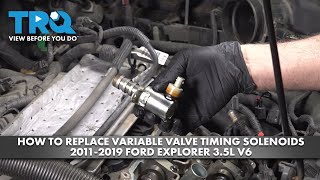
Typical fix: Replace the Bank 1 exhaust VCT solenoid. 🎬 See this walkthrough on replacing the VVT solenoids It is often recommended to replace all four solenoids at the same time if the valve covers are removed.
Est. part cost: $40-$150 - Stretched Timing Chain or Worn Timing Components 🟡 Medium Probability The 3.5L V6 engines, particularly the EcoBoost version, are widely known for timing chain stretch. Worn plastic chain guides and failing tensioners contribute. This is often a secondary failure caused by a leaking internal water pump contaminating the oil.
How to confirm: A distinct rattling noise on cold startups is a strong indicator. Confirmation requires significant engine disassembly to physically inspect the chain tension and guide condition. The presence of codes P0016 and P0017 together also strongly points to a base mechanical timing issue.
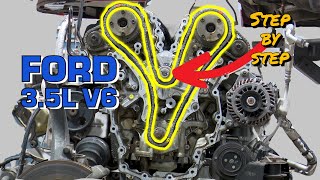
Typical fix: Replace the timing chain, tensioners, guides, and often the camshaft phasers and water pump as a complete kit. 🎬 Watch: Step-by-step guide to replacing the timing chain and water pump This is a critical repair that must be done correctly to avoid immediate code return.
Est. part cost: $400-$900 - Failed Camshaft Position Sensor ⚪ Low Probability
How to confirm: Monitor the sensor's output on a scan tool for an erratic or missing signal. Swap the sensor with the one from the intake side or the other bank (if identical) to see if the code follows the sensor.
Typical fix: Replace the Bank 1 exhaust camshaft position sensor.
Est. part cost: $40-$70
Rare But Worth Checking
- Damaged Camshaft Phaser: The phaser is the gear on the end of the camshaft that adjusts timing. It can fail mechanically or get clogged with debris, but this is usually replaced during a full timing chain job.
- Damaged Wiring or Connectors: Frayed wires or a loose connector for the camshaft sensor or VCT solenoid can cause an intermittent signal, triggering the code. This is more common on ex-police vehicles due to extensive modifications and service history.
- Incorrect Timing After Previous Repair: It is very common for this code to appear immediately after a timing chain or water pump replacement if the timing was set incorrectly by even one tooth.
Diagnosis Steps
- Verify the code with a quality OBD-II scanner.
- Check the engine oil level and condition. Look closely for a milky/muddy appearance indicating coolant contamination. If low, dirty, or contaminated, address this first.
- Using a scan tool, monitor the live data for the cam and crank sensors to look for any obvious signal dropouts.
- Per TSB SSM 50067, use a scan tool to command the Bank 1 exhaust VCT solenoid on and off 10 times. Listen for a click and watch for a change in engine idle. This may clear debris and resolve the code.
- If the solenoid is suspect, remove and inspect it for debris or damage. Test its resistance with a multimeter (should be 7-14 Ohms).
- If the solenoid and oil are good, and especially if a startup rattle is heard or the oil was contaminated, the next step is to inspect the timing chain, guides, tensioners, and internal water pump for wear and leaks. This is an advanced procedure.
- If all mechanical components are confirmed to be in good condition, test the wiring and connectors between the PCM, VCT solenoid, and camshaft position sensor.
- As a final step, consider replacing the camshaft position sensor, especially if swapping it with another sensor caused the code to move.
Parts You'll Likely Need
- Variable Camshaft Timing (VCT) Solenoid
(OEM #AT4Z-6M280-C)— This is the most common component to fail for this code, often due to sticking from oil debris, as noted in multiple Ford TSBs. P0017 specifically points to the Bank 1 exhaust solenoid. The 'C' suffix indicates a newer revision of the part.
Trusted brands: Motorcraft, Dorman
OEM price range: $40-$60
Aftermarket price range: $25-$45 - Timing Chain Kit
(OEM #BL3Z-6D256-C)— A stretched timing chain is a very common cause for P0017 on the 3.5L EcoBoost and is also a possible cause on the 3.7L. A complete kit including chains, guides, tensioners, and phasers is required for a lasting repair. The internal water pump should always be replaced at the same time.
Trusted brands: Motorcraft, Cloyes
OEM price range: $400-$700
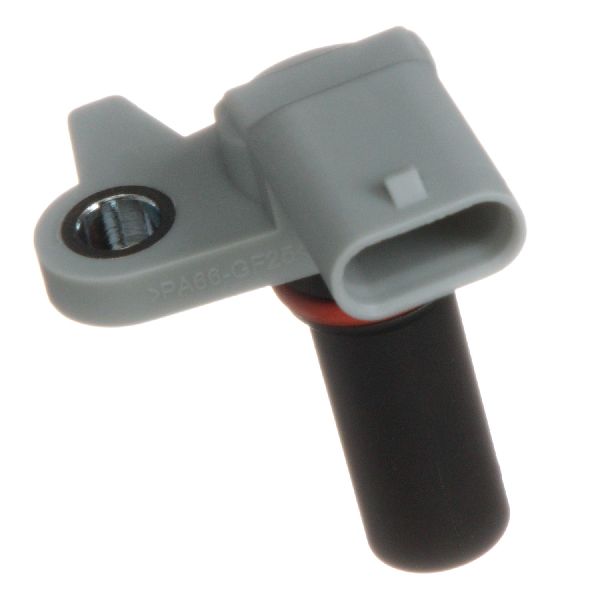
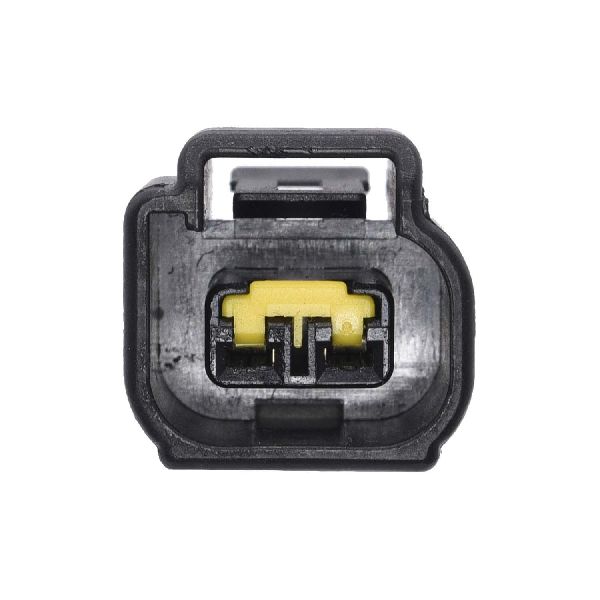
Aftermarket price range: $250-$500 - Camshaft Position Sensor
(OEM #DU-87)— Replaced when diagnostic tests confirm the sensor itself has failed, which is less common than mechanical or solenoid issues for this specific code.
Trusted brands: Motorcraft, Bosch, NTK
OEM price range: $40-$70
Aftermarket price range: $20-$50
Related Codes That Often Appear With This One
- P0016 — This is the correlation code for the intake camshaft on the same bank (Bank 1). When P0016 and P0017 appear together, it strongly indicates a base mechanical timing issue (like a stretched chain) affecting the entire bank, rather than a single sensor or solenoid.
- P0018 / P0019 — These are the equivalent correlation codes for Bank 2 (driver's side). Seeing codes for both banks almost certainly confirms a major timing problem affecting the entire engine, such as a stretched primary chain or severe oil contamination.
Technical Service Bulletins (TSBs) & Recalls
- source — Applicable to 2015-2021 Ford/Lincoln vehicles, this bulletin states that codes like P0017 may be due to small debris causing a VCT solenoid to stick. It explicitly advises technicians to use a scan tool to cycle the affected solenoid 10 times to attempt to clear debris before replacing it.
- source — An earlier version of SSM 50067, also pointing to debris in the oil as a cause for various VCT-related DTCs, including P0017, and recommending diagnostics before component replacement.
- source — Another related bulletin that suggests cycling the VCT solenoids to clear debris as a first step for codes like P0017.
Platform-Specific Known Issues
- The 3.5L EcoBoost engine has a known tendency for the primary timing chain to stretch, often causing a rattle on cold startups before setting codes like P0017.
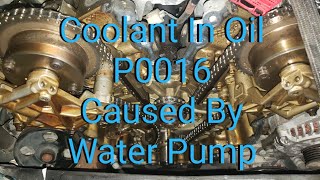
- The internal water pump on the 3.5L and 3.7L engines is a critical failure point. A leak contaminates the engine oil with coolant, leading to rapid destruction of timing components and VCT solenoids, which directly causes P0017.
Mechanic-Grade Diagnostic Values
- VCT Solenoid Internal Resistance — expected: 5 - 14 Ohms. Failure: A reading outside this range, or over 10k Ohms, indicates an open or shorted solenoid.
- VCT Solenoid Control Voltage (Key On, Engine Off) — expected: Greater than 10.5 Volts. Failure: Voltage below this level points to an open circuit in the power feed from the PCM.
- Camshaft Position (CMP) Sensor (3-wire Hall-effect type) Signal Voltage — expected: Toggles between 0V and 5V as the engine is rotated.. Failure: A signal that is stuck high, low, or shows no change indicates a failed sensor or wiring issue.
- Live Data: VCT Advanced Error (VCT_ADV_ERR) PID — expected: Should hover around 0° (±5° is acceptable for short periods).. Failure: A consistent reading greater than 5-6 degrees indicates a correlation error that will set the code.
- Engine Oil Pressure at Idle (Hot) — expected: At least 15-25 PSI.. Failure: Pressure below this threshold can starve the VCT phasers of the hydraulic pressure needed to operate, causing correlation codes.
Scan Tool Commands That Help
- Ford IDS (or equivalent high-level scanner): VCT Solenoid On/Off Command — This bidirectional test is used to check the mechanical operation of the VCT solenoid. The technician commands the solenoid on and off while listening for an audible click and observing a change in idle quality. A lack of response indicates a stuck or failed solenoid.
- Ford IDS (or equivalent high-level scanner): VCT System Test — This automated test cycles the VCT system through its range of motion while monitoring sensor feedback to check for slow response or errors in phaser movement, helping to distinguish between a solenoid and a phaser/mechanical issue.
Wiring & Ground Locations
- Engine Block to Chassis Ground — On many 3.5L/3.7L applications, a primary ground strap runs from a bolt on the engine block (often near the alternator or starter) to the chassis frame rail, typically on the passenger side near the front of the engine compartment.. A poor engine ground can introduce electrical noise and voltage drops, potentially affecting the reference voltage for the cam and crank sensors, leading to erroneous correlation codes.
- G106 (or similar firewall/fender ground) — There are several key grounding points (e.g., G106) located on the firewall and inner fender structures on both the driver and passenger sides where multiple sensor and module grounds terminate.. The Camshaft Position Sensor's signal return (ground) wire terminates at one of these common ground points. Corrosion or looseness at this location can cause an unstable sensor signal, triggering P0017.
- CMP Sensor Connector (Bank 1) — Bank 1 sensors are on the rear cylinder head (closer to the firewall). The exhaust sensor (Sensor B) is often difficult to access, sometimes requiring removal of components or access through the passenger side wheel well.. This connector is the primary point for testing sensor voltage and signal. Its difficult-to-reach location makes it prone to incomplete connections after service.
Real Owner Repair Stories
- Reddit user on r/fordexpedition (2015 Ford Expedition 3.5L EcoBoost with 135k miles) — Had timing chain rattle on startup. After replacing the timing chain and phasers, all previous codes cleared but a new P0017 appeared immediately.
❌ Tried (didn't work) Verified VCT solenoids were clicking by applying voltage., Tested for 11v at the camshaft position sensor connector.
✅ What actually fixed it The timing was off by one tooth. Although the timing marks were aligned during installation, slack was left in the wrong part of the chain, causing it to jump upon the first startup. The job had to be redone to correct the timing. - Ford F150 Forum user (2011 Ford F-150 3.5L EcoBoost) — Immediately after a full timing chain and phaser replacement, codes P0017 and P0018 (pending) appeared.
❌ Tried (didn't work) Clearing codes (they returned immediately)., Considering VCT solenoid or sensor failure.
✅ What actually fixed it The mechanical timing was off by one tooth. The user had to tear it down again and re-time the engine correctly, which resolved the codes. The user noted the extreme tightness of the chain and difficulty in setting it without it wanting to jump a tooth.
OEM Part Supersession History
AT4Z-6M280-A / AT4Z-6M280-B→AT4Z-6M280-C (for Bank 1 Exhaust)— Part revisions to improve reliability and resistance to sticking from oil debris.
Heads up: While older revisions may physically fit, Ford specifically designates different part numbers for intake vs. exhaust on different banks. Using the incorrect solenoid (e.g., an intake solenoid in the exhaust position) can cause VCT system errors. P0017 requires the Bank 1 Exhaust solenoid, which is part number AT4Z-6M280-C.
Model Year Variations Within This Range
- 2017-2019 (3.5L EcoBoost): For the 2017 model year, Ford introduced the second-generation 3.5L EcoBoost. This was a significant redesign featuring a dual-injection system (port and direct), new turbochargers, a revised cam drive with two shorter chains instead of one long one, and redesigned cam phasers to improve reliability. While still susceptible to timing issues, the causes and specific parts may differ from the 2015-2016 first-generation engines.
- 2018-2019: The 10-speed (10R80) automatic transmission became standard with the 3.5L EcoBoost engine starting in 2017/2018, replacing the older 6-speed. This does not directly affect the P0017 code's cause but is a key vehicle difference to be aware of during diagnosis and service.
Helpful Videos

We Have This Part in Stock


The information in this article is provided for general reference and educational purposes only. Vehicle specifications, procedures, and part compatibility can vary by production date, trim level, and region. Always consult your vehicle's factory service manual and verify part numbers before purchasing or performing repairs. Safety-critical components such as airbags, seat belts, and braking systems should be installed by a qualified professional.
- Ford POLICE INTERCEPTOR UTILIT:
- 🎬 Helpful Videos
- 🛍️ Shop This Part
- What's Unique About the 2015-2019 Ford POLICE INTERCEPTOR UTILIT
- Diagnostic Flowchart
- Symptoms You May Notice
- Most Likely Causes
- Rare But Worth Checking
- Diagnosis Steps
- Parts You'll Likely Need
- Related Codes That Often Appear With This One
- Technical Service Bulletins (TSBs) & Recalls
- Platform-Specific Known Issues
- Mechanic-Grade Diagnostic Values
- Scan Tool Commands That Help
- Wiring & Ground Locations
- Real Owner Repair Stories
- OEM Part Supersession History
- Model Year Variations Within This Range
- 🎟️ Get 5% Off