

P0017 on 2015-2019 Ford FLEX: Crank/Cam Correlation Causes & Fixes
This code usually points to a problem with the Variable Camshaft Timing (VCT) system, often caused by low/dirty engine oil or a failing VCT solenoid. An oil change and replacing the VCT solenoid for Bank 1 are the most common fixes. In higher mileage vehicles, it can also indicate a stretched timing chain.
- Start with the simplest fix: check your oil. Low or dirty oil is a frequent cause of P0017 on this engine.
- The most likely faulty part is the Bank 1 exhaust VCT solenoid, which is located on the firewall side of the engine.
- Ford has issued multiple service bulletins acknowledging that VCT solenoids can stick, causing this code.
- If both intake (P0016) and exhaust (P0017) codes for Bank 1 appear together, a stretched timing chain is a much stronger possibility.
- Before replacing any parts, consider swapping the suspect VCT solenoid or camshaft sensor with a known good one from another location to see if the code follows the part.
What's Unique About the 2015-2019 Ford FLEX
On the Ford 3.5L V6 engine platform (Cyclone), the VCT system is notoriously sensitive to oil quality and pressure. Multiple Ford Technical Service Bulletins (TSBs) highlight that this code can be triggered by small debris causing the VCT solenoids to stick. [TSB #SSM 47170, TSB #SSM 48423] This suggests a known tendency for the solenoids to malfunction due to oil contamination, making an oil change with a high-quality filter and solenoid inspection a primary diagnostic step. Furthermore, these engines are also known for timing chain stretch, especially at higher mileage, which can also set this code after VCT system faults are ruled out.
Diagnostic Flowchart
Tap your situation to follow the diagnostic path that matches what you're seeing on this vehicle.
Symptoms You May Notice
- Check Engine Light is on
- Rough or erratic idle
- Reduced engine power and poor acceleration
- Engine may be hard to start or have extended crank time
- Decreased fuel economy
- Rattling noise from the engine, especially on cold startups
- Replacing the camshaft position sensor when the actual fault is a stuck VCT solenoid or dirty oil.
- Replacing the crankshaft position sensor, which is rarely the cause for a single-bank correlation code.
- Immediately assuming a stretched timing chain without first diagnosing the much cheaper and more common VCT solenoid and oil-related issues.
Most Likely Causes
- Low or Dirty Engine Oil 🔴 High Probability The VCT system relies on clean oil and proper pressure to function. Ford TSBs suggest debris in oil is a common cause of VCT solenoid issues, and the system is sensitive to sludging. [TSB #SSM 47170, TSB #SSM 48423, 10]
How to confirm: Check the engine oil level on the dipstick and inspect its condition. If it is low, dark, or sludgy, it needs to be changed. This is the first and easiest step. 🎬 Watch: A helpful breakdown of P0017 causes and common fixes.
Typical fix: Perform an engine oil and filter change using the correct viscosity oil specified by Ford (typically 5W-20 or 5W-30 depending on the engine) and a quality filter (Motorcraft is recommended). Clear codes and test drive.
Est. part cost: $40-$80 - Failing Variable Camshaft Timing (VCT) Solenoid 🔴 High Probability Ford has issued multiple TSBs indicating that VCT solenoids can stick due to small debris, causing timing correlation codes like P0017. [TSB #SSM 47170, TSB #SSM 48423] This is a very common failure point on the 3.5L engine.
How to confirm: Use a scan tool to command the solenoid on and off while monitoring engine performance. A more practical DIY test is to swap the Bank 1 exhaust solenoid with the intake solenoid. Clear codes and drive. If the code changes to P0016 (Intake Camshaft Correlation), the solenoid is confirmed faulty.
Typical fix: Replace the Bank 1 exhaust VCT solenoid and its seal. Since the valve cover must be removed for access, it is wise to replace both the intake and exhaust solenoids on Bank 1 at the same time.
Est. part cost: $30-$90 - Failing Camshaft Position Sensor (CMP) 🟡 Medium Probability
How to confirm: Inspect the sensor and its wiring for damage. Test the sensor's output with a multimeter or oscilloscope. Swapping the sensor with an identical one from another position (e.g., the intake sensor on the same bank) can also help diagnose the issue. If the code follows the sensor, the sensor is bad.
Typical fix: Replace the Bank 1 exhaust camshaft position sensor. After replacement, some vehicles may require a sensor relearn procedure.
Est. part cost: $25-$60 - Stretched Timing Chain or Worn Timing Components ⚪ Low Probability The 3.5L engine's timing chain can stretch over time, especially with high mileage (over 100k miles) or poor maintenance, leading to correlation codes. A startup rattle is a key symptom of a loose chain or failing tensioner.
How to confirm: This is a complex diagnosis. After ruling out sensors and solenoids, a mechanic will need to physically inspect the timing chain, guides, and phasers for slack or damage. This requires removing the front engine/timing cover, which is a labor-intensive job. A mechanic can also check the timing tensioner for over-extension.
Typical fix: Replace the timing chain, tensioners, guides, and often the cam phasers as a complete kit. This is a labor-intensive job often costing over $2,000 at a shop. 🎬 See this walkthrough of the complex timing chain replacement process.
Est. part cost: $400-$1200
Rare But Worth Checking
- Damaged Wiring or Connectors: Check the wiring harness leading to the camshaft sensor and VCT solenoid for any signs of fraying, melting, or corrosion, especially near hot exhaust components.
- Faulty Powertrain Control Module (PCM): This is extremely rare. The PCM should only be considered after all other possibilities, including mechanical timing, have been exhaustively checked and ruled out.
- Worn or Damaged Cam Phaser: The cam phaser (actuator) itself can fail or get clogged with sludge, preventing it from adjusting cam timing correctly. This is often replaced during a timing chain job.
Diagnosis Steps
- Check engine oil level and condition. If low or dirty, perform an oil and filter change using a Motorcraft filter and the correct spec oil, clear the codes, and test drive.
- Use an OBD-II scanner to check for any other related trouble codes. Note any codes for other sensors or banks.
- Inspect the wiring and connectors for the Bank 1 exhaust camshaft position sensor and VCT solenoid for any visible damage, like melting or corrosion.
- Listen for a startup rattle. A distinct, brief rattle from the front of the engine that goes away after a few seconds is a classic sign of a stretched timing chain or bad tensioners on the 3.5L engine.
- Swap the Bank 1 exhaust VCT solenoid with the Bank 1 intake solenoid. Clear the codes and drive the vehicle. If the code changes to P0016, the solenoid is faulty. This is a very effective DIY diagnostic step.
- If the code does not change, test the camshaft position sensor by swapping it with another known-good sensor (like the intake sensor) and seeing if the code follows.
- If all sensors and solenoids test good and the oil is clean, the next step is to suspect a mechanical timing issue. This involves inspecting the timing chain, phasers, and tensioners, which requires significant disassembly and is best left to a professional.
Parts You'll Likely Need
- Engine Variable Valve Timing (VVT) Solenoid
(OEM #7T4Z-6M280-C)— This part controls oil flow to the cam phaser. It is prone to sticking due to debris, as noted in Ford TSBs, making it a primary suspect for P0017. [TSB #SSM 47170, TSB #SSM 48423, 10] This part number supersedes 7T4Z-6M280-A, 7T4Z-6M280-AA, and 7T4Z-6M280-B.
Trusted brands: Motorcraft, Dorman
OEM price range: $60-$90
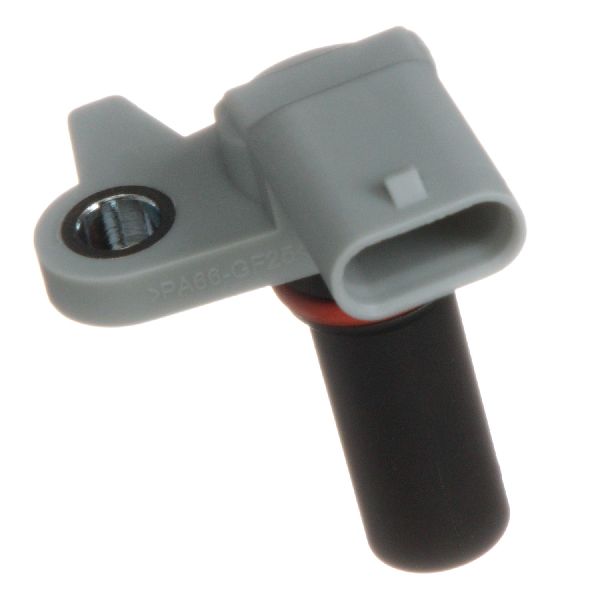
Aftermarket price range: $30-$60 - Camshaft Position Sensor
(OEM #DU-90 (Motorcraft))— This sensor reports the camshaft's position to the PCM. A faulty sensor can send incorrect data, triggering the code. While less common than the solenoid, it's a possible cause.
Trusted brands: Motorcraft, Bosch, NGK/NTK
OEM price range: $40-$60
Aftermarket price range: $25-$45 - Timing Chain Kit — If the chain has stretched or a guide has failed, the mechanical timing will be off, requiring a full replacement. This is the most expensive and labor-intensive fix, usually needed for higher-mileage vehicles or those with poor maintenance history.
Trusted brands: Motorcraft, Cloyes
OEM price range: $500-$800
Aftermarket price range: $300-$500
Related Codes That Often Appear With This One
- P0016 — This code is for the Bank 1 Intake camshaft. Seeing both P0016 and P0017 together strongly suggests a base timing issue, like a jumped or stretched timing chain, affecting the entire bank.
- P0018 / P0019 — These are the equivalent correlation codes for Bank 2. Seeing codes for both banks simultaneously (e.g., P0016, P0017, P0018, P0019) is a major red flag for a significant timing chain problem or severe oil pressure/sludge issues affecting the entire engine.
- P0369 — This code indicates a circuit intermittent fault for the Bank 1 exhaust camshaft position sensor. Seeing it with P0017 points more strongly toward a faulty sensor or a wiring issue.
Technical Service Bulletins (TSBs) & Recalls
- SSM 54366: General TSB for multiple VCT codes including P0017 on 2015-2021 Ford/Lincoln vehicles.
- SSM 47170: Notes that P0017 may be due to small debris causing the VCT solenoid to stick.
- TSB-16-0093: Mentions P0017 appearing on low-mileage vehicles (<2000 miles) and advises replacing the VCT solenoid.
- SSM 48423: Repeats the advice from SSM 47170 for a wider range of model years, pointing to debris in the VCT solenoid.
Platform-Specific Known Issues
- Technical Service Bulletin SSM 47170 and SSM 48423 state that P0017 (and other related codes) may be caused by small debris causing the VCT solenoid to stick. The bulletin advises against component replacement before performing pinpoint tests.
- TSB-16-0093 notes that this code can appear on low-mileage vehicles (under 2000 miles), suggesting potential early life failures or assembly issues. The procedure specifically calls for replacing the affected VCT solenoid.
- TSB SSM 54366 is a broader bulletin covering 2015-2021 vehicles and lists P0017 among many other VCT-related codes, directing technicians to a specific pinpoint test in the service manual.
Mechanic-Grade Diagnostic Values
- Camshaft Position Sensor (3-wire Hall-effect) Power Supply Voltage — expected: Approximately 5 volts with key on, engine off.. Failure: No voltage or significantly lower voltage indicates a wiring or PCM issue.
- Camshaft Position Sensor (3-wire Hall-effect) Signal Wire Voltage — expected: Switches between 0 and 5 volts as the engine is cranked or a metal object is passed over the sensor tip.. Failure: Voltage does not switch, stays high, or stays low, indicating a faulty sensor.
- VCT Solenoid Resistance — expected: 6.9 to 7.9 Ohms at 68°F (20°C).. Failure: No reading (open circuit) or a reading outside this range indicates a faulty solenoid.
- VCT Error PID (VCT_ERR) at idle — expected: Should hover around 0°, with variations of +/- 5° being acceptable for short periods.. Failure: A constant error of more than a few degrees indicates a correlation problem.
Hidden / Shadow Codes Worth Checking
- Mode $06 Data: Mode $06 provides results from the PCM's self-tests. For VCT systems, it contains statistical data on camshaft timing performance and errors that may not be severe enough to set a standard DTC but can indicate a developing problem. (see via A professional scan tool like Ford IDS or an advanced consumer tool like FORScan can access Mode $06 test results.)
Scan Tool Commands That Help
- Ford IDS (or advanced tools like FORScan): VCT Solenoid Actuator Test / Output State Control — This bidirectional command allows the technician to manually activate and deactivate the VCT solenoid while the engine is running. If the engine hesitates, stalls, or changes its running characteristics when the solenoid is commanded, it confirms the solenoid is mechanically functioning and oil passages are likely clear. No change in engine operation points to a stuck solenoid or a blockage.
- Ford IDS (or advanced tools like FORScan): Monitor PIDs: VCT_ERR1/2, VCT_ADV1/2, VCTDC1/2 — Monitoring the VCT Error (VCT_ERR), VCT Advance Angle (VCT_ADV), and VCT Duty Cycle (VCTDC) PIDs provides live data on the system's operation. Comparing the desired angle to the actual angle and seeing how the duty cycle responds helps diagnose whether the issue is with the sensor, solenoid, or a mechanical component.
Wiring & Ground Locations
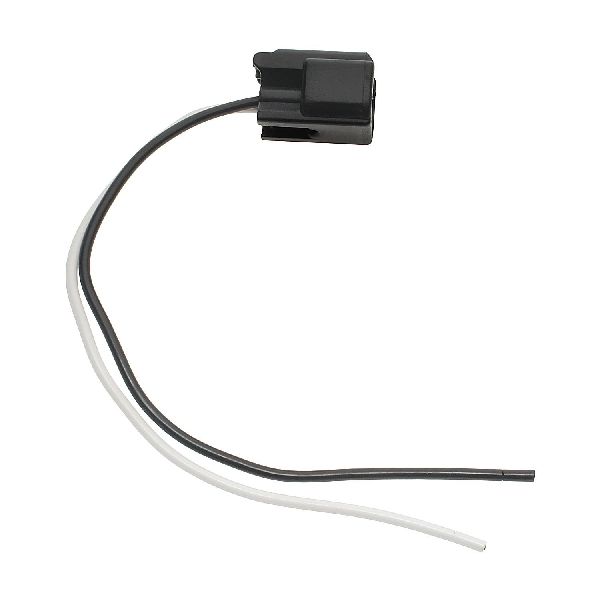
- WPT-986 or 29965-02193697 — This is the Motorcraft part number for the engine camshaft position sensor connector pigtail for the 3.5L V6.. The connector or its wiring can become brittle or corroded from heat cycles, leading to intermittent signals from the CMP sensor. Replacing the pigtail is often necessary if the connector itself is damaged.
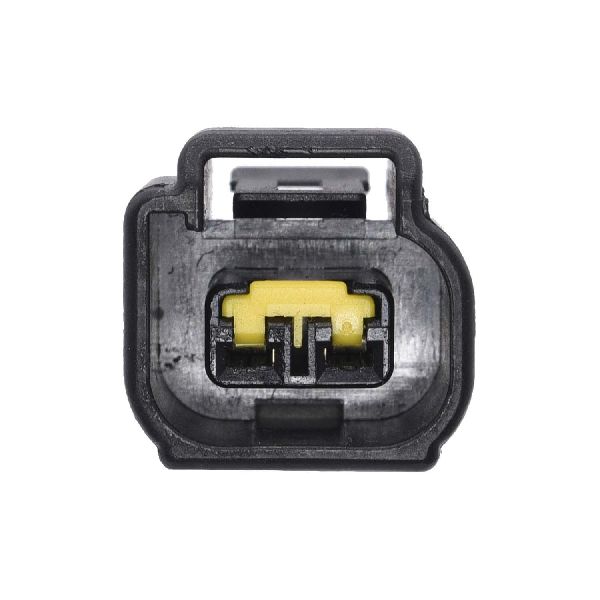
- CMP Sensor Pinout (3-wire Hall-effect) — On the sensor connector for the Bank 1 exhaust camshaft.. Testing requires knowing the function of each of the three wires: Power (approx. 5V), Ground, and Signal (switches 0-5V). Probing these wires with a multimeter can confirm if the sensor is receiving power and sending a signal, helping to differentiate between a bad sensor and a wiring fault.
Real Owner Repair Stories
- Reddit user r/MechanicAdvice (2015 Ford Expedition 3.5L EcoBoost (135k miles)) — After a DIY timing chain and phaser replacement, all previous codes cleared but a new P0017 appeared immediately.
❌ Tried (didn't work) Visually confirming timing marks were aligned during the job., Testing VCT solenoids by applying voltage (they clicked)., Testing for voltage at the camshaft position sensor connector (read 11v).
✅ What actually fixed it The owner discovered that while the timing marks were aligned, they had left the chain slack in the wrong position during installation. This caused the chain to jump one tooth on initial startup. The problem was a procedural error during the timing job, not a faulty part. - Ford F150 Forum (2011 Ford F-150 3.5L EcoBoost) — P0017 code appeared immediately after a DIY timing chain and phaser replacement. Code would come back as fast as it was cleared.
❌ Tried (didn't work) Using aftermarket cam holding tools which had too much slop., Clearing the code and short test drives.
✅ What actually fixed it The owner concluded the timing was off by one tooth due to the difficulty of keeping the chain perfectly aligned during reassembly. The final fix was to re-do the timing procedure, paying extremely close attention to chain slack and using a wrench on the camshaft hex to make micro-adjustments to prevent the chain from jumping on the crank gear before the tensioner was installed.
OEM Part Supersession History
7T4Z-6M280-A, 7T4Z-6M280-AA, 7T4Z-6M280-B→7T4Z-6M280-C (Motorcraft)— Part has been updated by Ford over time to improve reliability and resistance to sticking from debris.
Heads up: The latest revision 'C' is the recommended replacement for all prior versions.
Model Year Variations Within This Range
- 2017-2019 (EcoBoost models): Starting in 2017 on the related F-150 platform, the 3.5L EcoBoost engine received a significant redesign (Gen 2) which included a new 10-speed transmission, dual injection (port and direct), and updated cam phasers. While the fundamental VCT system operation is similar, part numbers for phasers and potentially other timing components may differ from the 2015-2016 models. The naturally aspirated 3.5L in the Flex remained largely unchanged.
Helpful Videos
We Have This Part in Stock


The information in this article is provided for general reference and educational purposes only. Vehicle specifications, procedures, and part compatibility can vary by production date, trim level, and region. Always consult your vehicle's factory service manual and verify part numbers before purchasing or performing repairs. Safety-critical components such as airbags, seat belts, and braking systems should be installed by a qualified professional.
- Ford FLEX:
- 🎬 Helpful Videos
- 🛍️ Shop This Part
- What's Unique About the 2015-2019 Ford FLEX
- Diagnostic Flowchart
- Symptoms You May Notice
- Most Likely Causes
- Rare But Worth Checking
- Diagnosis Steps
- Parts You'll Likely Need
- Related Codes That Often Appear With This One
- Technical Service Bulletins (TSBs) & Recalls
- Platform-Specific Known Issues
- Mechanic-Grade Diagnostic Values
- Hidden / Shadow Codes Worth Checking
- Scan Tool Commands That Help
- Wiring & Ground Locations
- Real Owner Repair Stories
- OEM Part Supersession History
- Model Year Variations Within This Range
- 🎟️ Get 5% Off