

P0017 on 2015-2021 Ford F-150: Crankshaft/Camshaft Correlation Causes and Fixes
On a 2015-2021 F-150, P0017 is most often caused by low/dirty engine oil or a faulty Variable Camshaft Timing (VCT) solenoid. On 3.5L EcoBoost engines, it can also be an early sign of a stretched timing chain. A VCT solenoid costs about $40-$100, while a timing chain job can be over $2,000.
- Always check your oil level and condition first when you see a P0017 code.
- The most likely failed part is the Bank 1 (passenger side) exhaust VCT solenoid, which may be sticking due to debris.
- On a 3.5L EcoBoost engine, P0017 can be an early warning sign of a stretched timing chain, which is a major but common repair.
- Do not immediately replace the camshaft position sensor; it is less likely to be the cause than the VCT solenoid or a mechanical timing issue.
- A scan tool that can actively command the VCT solenoids is a powerful diagnostic tool for this code.
What's Unique About the 2015-2021 Ford F-150

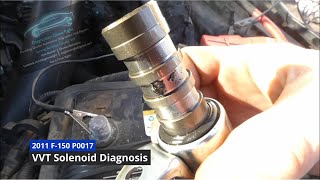
For the 2015-2021 F-150, particularly those with EcoBoost engines, the Variable Camshaft Timing (VCT) system is highly dependent on clean oil and proper oil pressure. Ford has issued multiple Technical Service Bulletins (TSBs) acknowledging that VCT solenoids can stick due to small debris, causing this and related codes. [SSM 48423, SSM 47170] The TSBs specifically advise technicians to cycle the VCT solenoids with a scan tool 10 times to attempt to clear debris before replacing any parts (Pinpoint Test HK11). 🎬 Watch: How to test and clean your VCT solenoids first. Furthermore, the 3.5L EcoBoost engine has a well-documented history of timing chain stretch, which can directly cause a P0017 code long before the infamous startup rattle becomes obvious. Forum discussions confirm that P0016 and P0017 are common precursors to a full timing chain replacement on these engines.
Diagnostic Flowchart

Tap your situation to follow the diagnostic path that matches what you're seeing on this vehicle.
Generation note: This range covers the end of the 13th generation (2015-2020) and the first year of the 14th generation (2021) F-150. While body styles differ, the primary engine families (EcoBoost V6s, 5.0L V8) carried over, making the causes and fixes for P0017 very similar across these years. The 3.5L EcoBoost, in particular, has had timing chain concerns across multiple generations. A key change occurred in 2018 with the introduction of the Gen 3 5.0L V8 and Gen 2 2.7L/3.5L EcoBoost engines, which featured dual port and direct injection.
Symptoms You May Notice
- Check Engine Light is on
- Rough or erratic idle
- Difficulty starting the engine, or extended cranking
- Reduced engine power and poor acceleration
- Decreased fuel economy
- Rattling or ticking noise from the engine, especially on cold startups
- Engine stalling at low speeds
- Strong smell of unburnt fuel from the exhaust
- Replacing the camshaft position sensor when the actual fault is with the VCT solenoid or the mechanical timing (chain/phaser). This is a very common first step for DIYers that often doesn't solve the problem.
- Replacing the crankshaft position sensor, which is rarely the cause for this specific code.
- Performing a partial timing job (e.g., only replacing the primary chain) which then reveals a secondary issue, like a stretched secondary chain or bad phaser, causing new codes like P0017 and P0019 to appear.
Most Likely Causes

- Low or Dirty Engine Oil 🔴 High Probability The VCT system uses pressurized engine oil to adjust cam timing. Low levels or contaminated oil can impede the function of the VCT solenoids and phasers, making this the first and most important check.
How to confirm: Check the oil level on the dipstick and inspect its color and consistency. If it's low or appears dark and sludgy, this is a likely contributor. An oil change is a cheap first step before more complex diagnostics.
Typical fix: Perform an oil and filter change using the correct viscosity oil specified by Ford (e.g., 5W-30 for EcoBoost, 5W-20 for 5.0L V8).
Est. part cost: $50-$100 - Faulty Variable Camshaft Timing (VCT) Solenoid 🔴 High Probability Ford's TSB SSM 48423 directly states that debris can cause VCT solenoids to stick, triggering a host of timing codes including P0017. These solenoids have fine mesh screens that can become clogged, restricting oil flow.
How to confirm: A technician can command the solenoid on and off with a scan tool to check its response (this is Ford's recommended first step, Pinpoint Test HK11). You can also swap the Bank 1 exhaust solenoid with the Bank 2 exhaust solenoid; if the code changes to P0019, the solenoid is faulty. Applying 12V directly to the solenoid should produce an audible click.
Typical fix: Replace the Bank 1 exhaust VCT solenoid. On the 5.0L V8 and 3.5L EcoBoost, this requires removing the valve cover. 🎬 See this walkthrough on how to replace the VCT solenoid. The causal part number referenced in Ford's TSB is 6M280.
Est. part cost: $40-$100 - Stretched Timing Chain or Worn Timing Components 🟡 Medium Probability The 3.5L EcoBoost engine, in particular, is known for timing chain stretch over time. This creates slack and causes the cam/crank correlation to fall out of spec, often triggering P0016 and P0017. Worn chain guides or a failed tensioner can also cause this issue on any engine.
How to confirm: This is an involved diagnosis. It often starts with a characteristic startup rattle. A mechanic will need to remove the valve cover and engine front cover to physically inspect the chain for slack and check timing marks. Multiple forum users have reported getting P0017 immediately after a timing job, indicating the timing was likely set off by a single tooth.
Typical fix: Replace the timing chain(s), phasers, guides, and tensioners. This is a labor-intensive job often costing thousands. 🎬 Watch: A guide to making timing chain replacement easier. It is critical to replace all related components, including gears, as worn teeth can cause the code to return even with a new chain.
Est. part cost: $500-$1200
Rare But Worth Checking
- Failed Camshaft or Crankshaft Position Sensor: While possible, a sensor failure is less common than a solenoid or mechanical issue. A failing sensor will often throw a specific circuit code in addition to the correlation code. Owners often replace these first, only to find the problem persists.
- Damaged Cam Phaser (VCT Unit): The cam phaser itself can fail, get stuck, or become clogged with sludge, preventing it from adjusting the cam angle correctly. Phasers are almost always replaced during a full timing chain service.
- Wiring Harness Damage: An open or short in the wiring to the VCT solenoid or camshaft position sensor can cause this code, but it's less frequent than component failure. A visual inspection of the harness near the valve covers is a good practice.
- Incorrect Timing After Previous Repair: If the code appears immediately after a timing chain replacement, it's highly probable that the timing was set incorrectly, even by a single tooth. A forum user on f150forum.com reported getting a P0017 immediately after a timing job, suspecting a jumped tooth or incorrect installation. This is a common and frustrating scenario for DIYers and professionals alike.
Diagnosis Steps
- Check Engine Oil: Verify the oil level is correct and the oil is clean and of the proper viscosity (e.g., 5W-30 for EcoBoost, 5W-20 for 5.0L). If low or dirty, perform an oil change, clear the code, and drive to see if it returns. This is the simplest and most common fix.
- Scan for Other Codes: Check for any other DTCs that could point to a specific sensor circuit fault or issues on other banks.
- Cycle VCT Solenoid (Scan Tool Required): Following Ford's TSB SSM 48423, use a capable scan tool to perform the VCT solenoid test (Pinpoint Test HK11) to cycle the solenoid 10 times. This may dislodge small debris and resolve the issue without parts replacement.
- Test the VCT Solenoid: Unplug the Bank 1 exhaust solenoid and apply 12V power; a healthy solenoid will make an audible click. Measure the solenoid's resistance with a multimeter; it should be between 7 and 14 ohms.
- Swap Solenoids: If accessible, swap the Bank 1 exhaust VCT solenoid with the one from Bank 2. Clear the codes and drive the vehicle. If the code returns as P0019 (the Bank 2 equivalent), the solenoid is confirmed to be faulty.
- Inspect Sensors and Wiring: Check the wiring and connectors for the Bank 1 exhaust camshaft position sensor and the VCT solenoid for any visible damage, corrosion, or looseness.
- Mechanical Timing Inspection: If all electrical components and oil are good, the problem is likely mechanical. This requires removing the valve cover(s) and front engine cover to inspect the timing chain, guides, tensioners, and phasers for wear, damage, or misalignment. This step is best left to a professional.
Parts You'll Likely Need
- Variable Camshaft Timing (VCT) Solenoid
(OEM #HL3Z-6M280-A (Fits 3.5L EcoBoost & 5.0L V8, 2017+), BR3Z-6C535-A (Seal))— This is the most common point of failure according to Ford's own service bulletins, often due to sticking from oil debris. The part number HL3Z-6M280-A is listed as a component in comprehensive timing kits for the 3.5L EcoBoost and fits many 2017+ engines.
Related Codes That Often Appear With This One
- P0016 — P0016 is the same correlation error but for the intake camshaft on Bank 1. Seeing both P0016 and P0017 together strongly suggests a base timing issue, like a jumped or stretched timing chain, affecting the entire bank.
- P0015 — P0015 indicates 'B' Camshaft Position - Timing Over-Retarded (Bank 1). It often appears with P0017 as it points to a similar problem with the exhaust cam on the same bank, just describing the nature of the timing error differently. A YouTuber with a 2015 3.5L EcoBoost experienced P0015 and P0017 together, which was ultimately resolved by addressing the VCT solenoids.
- P0018 / P0019 — These are the equivalent correlation codes for Bank 2 (driver's side). Seeing codes for both banks simultaneously (e.g., P0017 and P0019) points towards a systemic issue like low/dirty oil, a problem with the primary timing chain, or a faulty crankshaft sensor.
Technical Service Bulletins (TSBs) & Recalls
- SSM 48423: Notes that various 2015-2020 Ford/Lincoln vehicles can show P0017 due to a sticking VCT solenoid from debris.
- SSM 47170: An earlier bulletin with the same information as SSM 48423 for 2018 models.
- SSM 54366: Extends the VCT solenoid debris issue to 2015-2021 vehicles and references a specific diagnostic pinpoint test (HK).
- TSB-16-0093: Mentions P0017 on 2016 models with less than 2000 miles.
- 16-0038: Specifically calls out the 3.5L GTDI engine in 2016 F-150s under 2000 miles exhibiting P0017 and other timing codes.
Platform-Specific Known Issues

- This engine is highly susceptible to timing chain stretch, which is a primary cause of P0017, often accompanied by P0016. The repair is complex and should include chains, phasers, guides, and tensioners to be effective.
- On the 5.0L Coyote V8, P0017 is more commonly linked to a sticking VCT solenoid due to oil contamination or failure. While timing chain issues can occur, they are less prevalent than on the 3.5L EcoBoost. A Reddit thread shows even professional shops can struggle with getting the timing perfect on these engines after a repair, leading to a persistent P0017.
- These engines can also experience P0017 due to the common causes of low/dirty oil or faulty VCT solenoids. While major timing chain issues are less frequently reported than on the 3.5L EcoBoost, the VCT system operates on the same principles and is sensitive to oil quality and pressure.
Mechanic-Grade Diagnostic Values
- VCT Solenoid Resistance — expected: 7 to 14 Ohms. Failure: A reading outside this range, or an open/short circuit, indicates a faulty solenoid coil.
- VCT Solenoid Activation Test — expected: Audible click when 12V is applied.. Failure: No click indicates the solenoid's internal spool valve is stuck or the coil is dead.
- Camshaft Position Sensor (Hall-effect type) Signal Voltage — expected: Approximately 5V.. Failure: No voltage or incorrect voltage could indicate a sensor or wiring issue.
Scan Tool Commands That Help
- Ford IDS (or equivalent professional scanner): Pinpoint Test HK11: VCT Solenoid Test — As per Ford TSBs, this should be one of the first diagnostic steps. The tool commands the suspect VCT solenoid to cycle on and off 10 times to dislodge any small debris that may be causing it to stick. This can resolve the code without replacing parts.
Wiring & Ground Locations
- VCT Solenoid Connector (C1649, C1648, etc.) — On top of the valve covers for each respective bank. Bank 1 (passenger side) has connectors for VCT11 (intake) and VCT12 (exhaust).. P0017 relates to Bank 1 Sensor B (Exhaust), so the wiring to the VCT12 solenoid and the Bank 1 exhaust camshaft position sensor are the primary circuits to inspect for damage, corrosion, or loose connections. A wiring schematic shows the VCT solenoids are controlled by the PCM.
- Engine Ground Straps — Multiple ground points exist between the engine, firewall, and frame. A common one is a bonding strap from the firewall to the engine block.. A poor ground connection can cause erratic behavior from sensors and solenoids, leading to correlation codes. While not a primary cause, it's part of a thorough electrical diagnosis.
Real Owner Repair Stories
- f150forum.com user 'secretboost' (2015 Ford F-150 3.5L EcoBoost, 135k miles) — Had timing chain rattle and multiple codes. After a full timing chain and phaser replacement, all old codes cleared but a new P0017 appeared.
❌ Tried (didn't work) Swapping cam position sensors., Testing VCT solenoids with 12V (they clicked)., Cleaning VCT solenoid screens.
✅ What actually fixed it The user reported the P0017 code appeared immediately after a timing job where they were 'triple sure' the marks were aligned. The thread concluded with another user having the exact same issue, strongly implying the root cause was the mechanical timing being off by a tooth despite careful installation, a very common pitfall for this specific repair. - YouTube user 'LETMELIVE' (2015 Ford F-150 3.5L EcoBoost) — Rough idle, strong smell of unburnt fuel, codes P0015 and P0017.
❌ Tried (didn't work) Replacing the Bank 1 Sensor B camshaft position sensor did not fix the issue.
✅ What actually fixed it The user tested the VCT solenoids using a 12V battery. He found the exhaust solenoid on Bank 1 was sluggish and did not click sharply like the others. Replacing all four VCT solenoids resolved the codes and symptoms.
OEM Part Supersession History
8L3Z-6M280-A→8L3Z-6M280-B— Revision of the VCT solenoid for earlier 3-valve engines (pre-2011).
Heads up: This part trail (8L3Z-6M280-B) is for older 4.6L/5.4L 3V engines and is NOT compatible with the 2015-2021 F-150s.N/A→HL3Z-6M280-A— Updated VCT solenoid design for newer generation engines.
Heads up: Part HL3Z-6M280-A is specified for 2017+ 3.5L EcoBoost and 5.0L engines. For 2018+ 5.0L V8s, this style of solenoid may only be used for the intake cams, as the exhaust cam timing control was changed.
Model Year Variations Within This Range
- 2018-2021: For the 5.0L V8 (Gen 3 Coyote), the VCT system was updated. While earlier 5.0L engines used four identical, interchangeable VCT solenoids, some 2018+ models use a different system for the exhaust camshafts. Owners have reported pulling the valve cover expecting to find four traditional solenoids and only finding two (for the intake cams). This is critical when ordering parts.
- 2015-2017 vs 2018-2021: The 2018 model year marked the introduction of dual injection (port and direct injection) for the 2.7L EcoBoost, 3.5L EcoBoost, and 5.0L V8 engines, along with the 10-speed automatic transmission becoming more widespread. While the fundamental causes of P0017 remain the same, part numbers for components like VCT solenoids may differ.
Helpful Videos
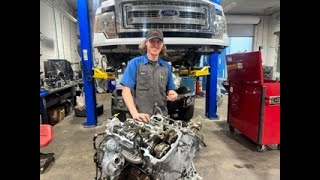
Used OEM Parts in Stock
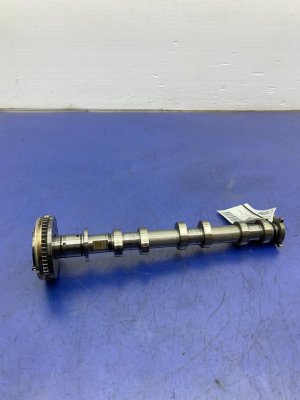
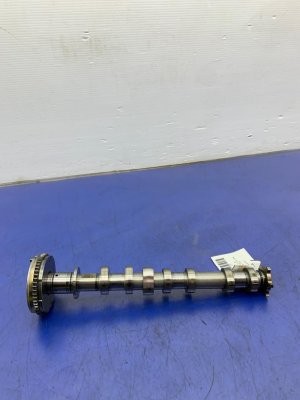
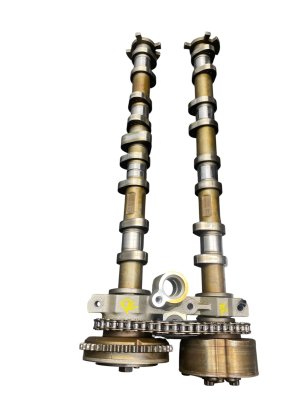
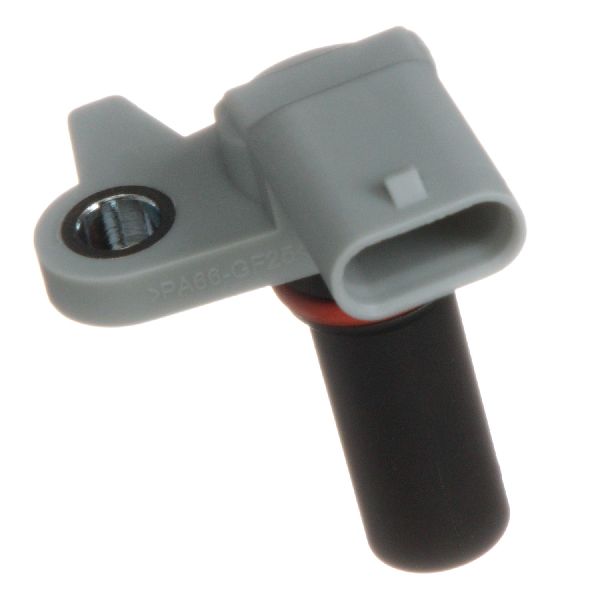
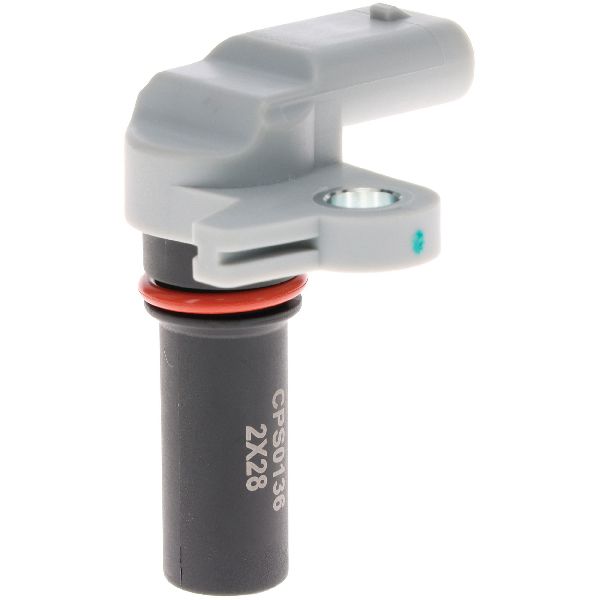
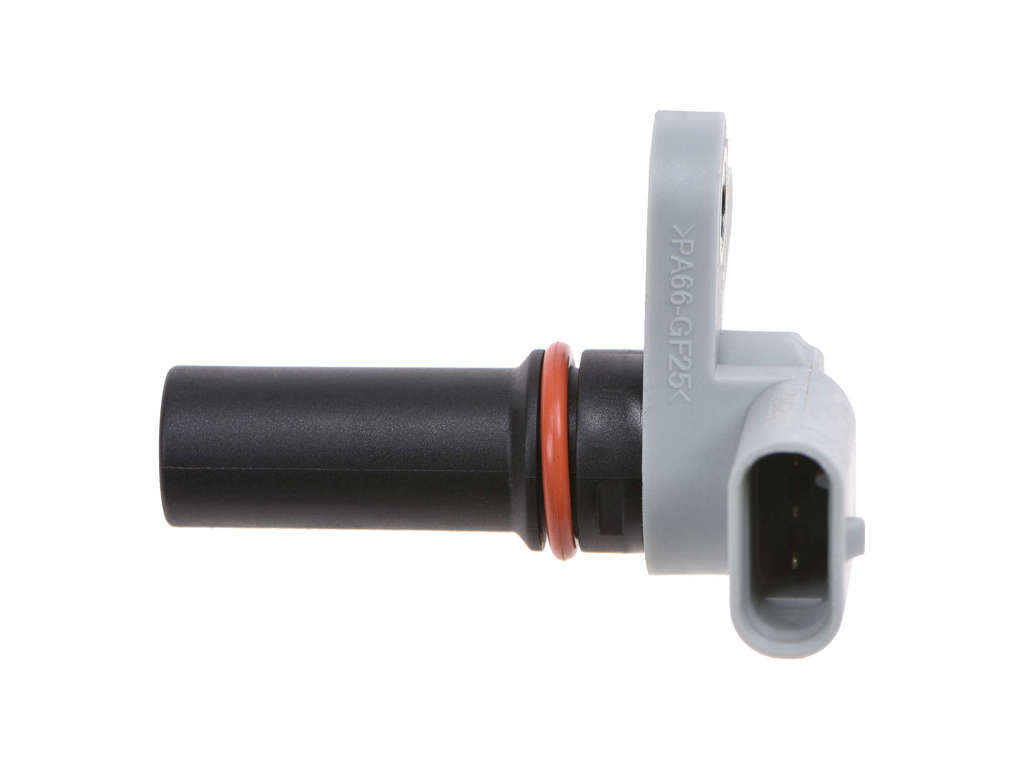
New Aftermarket Parts Available


The information in this article is provided for general reference and educational purposes only. Vehicle specifications, procedures, and part compatibility can vary by production date, trim level, and region. Always consult your vehicle's factory service manual and verify part numbers before purchasing or performing repairs. Safety-critical components such as airbags, seat belts, and braking systems should be installed by a qualified professional.
- Ford F-150:
- 🎬 Helpful Videos
- 🛍️ Shop This Part
- What's Unique About the 2015-2021 Ford F-150
- Diagnostic Flowchart
- Symptoms You May Notice
- Most Likely Causes
- Rare But Worth Checking
- Diagnosis Steps
- Parts You'll Likely Need
- Related Codes That Often Appear With This One
- Technical Service Bulletins (TSBs) & Recalls
- Platform-Specific Known Issues
- Mechanic-Grade Diagnostic Values
- Scan Tool Commands That Help
- Wiring & Ground Locations
- Real Owner Repair Stories
- OEM Part Supersession History
- Model Year Variations Within This Range
- 🎟️ Get 5% Off