

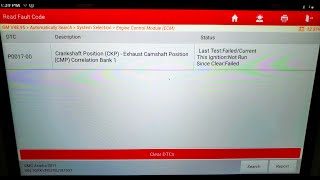
P0017 on 2009-2016 Chevrolet Traverse: Stretched Timing Chain and Other Causes
On the 2009-2016 Traverse, P0017 almost always points to a stretched timing chain, a well-documented issue with the 3.6L V6 engine. This is a serious, expensive repair often costing over $2,500. GM issued a special coverage program for some model years. Less common causes include faulty VVT solenoids or low/dirty oil, which should be checked first.
- P0017 on a 2009-2016 Traverse is a serious code that most often indicates a stretched timing chain.
- Do not replace the camshaft or crankshaft position sensors; they are almost never the cause of the problem on this vehicle.
- Check engine oil level and condition first. Low or dirty oil can cause timing issues.
- This is not a DIY-friendly repair. Diagnosis and repair of a timing chain requires professional expertise and tools.
- Repair costs are high, often ranging from $1,800 to $3,500, due to the extensive labor involved. [ODI 11184580]
What's Unique About the 2009-2016 Chevrolet TRAVERSE

The first-generation Traverse and its siblings with the 3.6L V6 (LLT and LFX engines) are notorious for premature timing chain stretching. This isn't a random part failure; it's a widely recognized pattern confirmed by thousands of owner complaints and multiple GM Technical Service Bulletins (TSBs). The issue was so prevalent that GM issued Special Coverage Adjustment #14582, extending the warranty on the timing chains for certain 2009 models. As a result, P0017 on this specific vehicle is much more likely to be a major mechanical issue than a simple sensor failure, a fact supported by numerous owner accounts of failed sensor replacements. [ODI 11280545, ODI 11399127, ODI 10899234]
Diagnostic Flowchart

Tap your situation to follow the diagnostic path that matches what you're seeing on this vehicle.
Symptoms You May Notice

- Check Engine Light is on
- Rough running engine or rough idle, sometimes only after the engine has warmed up. [ODI 11184580, 18]
- Lack of engine power and inability to accelerate above certain speeds (Reduced Engine Power mode). [ODI 11184580, ODI 11280545]
- Rattling, grinding, or diesel-like noise from the engine, especially on a cold startup.
- Difficulty starting the engine.
- Warning messages on the dash such as "Service Stabilitrack," "AWD Disabled," or "Traction Control Off". [ODI 11399127]
- Replacing the Camshaft Position Sensor. As documented in multiple NHTSA complaints and forum posts, replacing the sensor itself rarely fixes the P0017 code on this vehicle because the sensor is accurately reporting a real mechanical problem. [ODI 11280545, ODI 10899234, 16]
- Replacing the Crankshaft Position Sensor. Similar to the camshaft sensor, this is usually not the root cause and is often replaced in error. The sensor is simply doing its job of reporting the incorrect reluctor wheel position.
Most Likely Causes

- Stretched Timing Chain(s) 🔴 High Probability The original timing chains on the 3.6L V6 engines were susceptible to premature wear and stretching. This is often attributed to a combination of chain design, long oil change intervals recommended by the Oil Life Monitor (OLM), and tensioner issues. It is the most documented cause for P0017 on this platform. [1, 4, ODI 11184580, ODI 10957359]
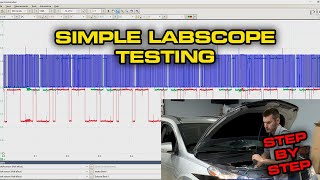
How to confirm: A technician will use a scan tool to monitor camshaft/crankshaft correlation data; a consistent variance on Bank 1 Exhaust that exceeds the specified degrees confirms the issue. 🎬 Watch: How to test for timing chain stretch using a labscope. Physical inspection requires significant engine disassembly to check chain slack and timing marks.
Typical fix: Replacement of all three timing chains, all tensioners, and all guides. It is critical to use the updated, revised parts from GM or a quality aftermarket supplier like Cloyes.
Est. part cost: $400-$800 for a complete timing chain kit. - Low or Dirty Engine Oil 🟡 Medium Probability The Variable Valve Timing (VVT) system is hydraulically operated by engine oil. Many owners and technicians believe GM's Oil Life Monitor (OLM) allows for excessively long oil change intervals, leading to oil breakdown and sludge formation. This sludge can clog the tiny passages in the VVT solenoids and cam phasers, causing them to respond slowly or stick, which triggers timing codes.
How to confirm: Check the oil level and condition. If it's low or appears very dark/sludgy, this is a likely contributor. Many owners report the issue appearing when the OLM shows 30-50% oil life remaining.
Typical fix: Perform an engine oil and filter change with a quality full synthetic oil. Some mechanics strongly recommend performing an engine flush procedure using a product like STP Engine Flush or Amsoil Engine Flush to dissolve sludge before changing the oil. This is a good first step before attempting more expensive repairs. 🎬 See this simple engine flush trick to try before replacing chains.
Est. part cost: $40-$100 for oil and a filter. - Faulty Camshaft Position Actuator Solenoid (VVT Solenoid) ⚪ Low Probability These solenoids control oil flow to the cam phasers. They can get clogged with debris from dirty oil or fail electrically, causing them to stick. While less common than a stretched chain, it's a much cheaper and easier part to replace as a diagnostic step.
How to confirm: A technician can command the solenoid with a scan tool to check its response. A common DIY method is to swap the Bank 1 exhaust solenoid with the Bank 1 intake solenoid. If the code changes from P0017 to P0016, the solenoid is confirmed to be faulty.
Typical fix: Replace the Bank 1 exhaust camshaft position actuator solenoid. It is often recommended to replace both the intake and exhaust solenoids on the affected bank at the same time.
Est. part cost: $25-$75
Rare But Worth Checking
- Slipped Crankshaft Reluctor Wheel: GM issued TSBs (most recently PIP5163H, superseding PIP3423P) about this specific issue. The reluctor wheel, which the crankshaft position sensor reads, can physically move on the crankshaft, sending incorrect timing data to the PCM. This will set timing codes but is not a stretched chain. A technician can sometimes inspect it with a borescope through the crank sensor hole. The only fix is crankshaft replacement, which is a very expensive repair.
Diagnosis Steps
- Check for any Special Coverage Programs from GM, like #14582, which may cover the cost of timing chain replacement, even outside of the standard warranty.
- Verify the engine oil level and condition. If low, dirty, or near the end of its life per the OLM, perform an engine flush and change the oil and filter with high-quality full synthetic oil. Clear codes and see if the problem returns.
- Use a professional scan tool to view live data. Observe the 'Camshaft Position Variance' for Bank 1 Exhaust. If it consistently shows a deviation greater than 8-10 degrees from the desired position at idle, it strongly suggests a mechanical timing issue.
- As a diagnostic test, swap the Bank 1 exhaust VVT solenoid with the Bank 1 intake VVT solenoid. Clear the codes and run the engine. If the code changes to P0016 (Intake Cam Position), the solenoid you moved is faulty and needs replacement.
- If solenoids are good and the oil change did not help, suspect a mechanical timing issue. The next step is to differentiate between a slipped reluctor wheel and a stretched chain.
- Inspect for a slipped crankshaft reluctor wheel, possibly with a borescope through the crankshaft position sensor hole, as per TSB PIP5163H. If the wheel has moved, the crankshaft must be replaced.
- If the reluctor wheel is confirmed to be in the correct position, the final diagnosis is stretched timing chain(s), requiring engine disassembly for confirmation and replacement.
Parts You'll Likely Need
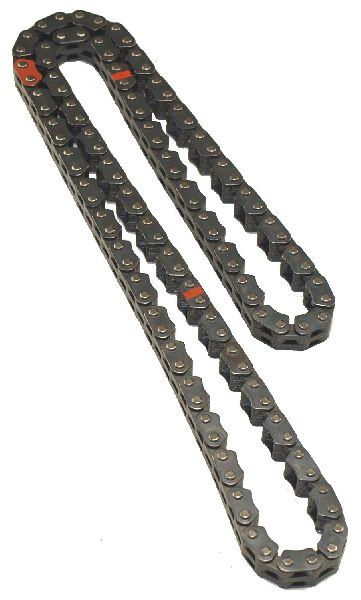
- Engine Timing Chain Kit
(OEM #12651423 (GM Kit for LLT, often superseded))— This is the most common repair for P0017 on the 3.6L V6. A complete kit includes all chains, tensioners, guides, and seals needed for the job. It is critical to get the latest revised parts.
Trusted brands: ACDelco (OEM), Cloyes (e.g., 9-0753S, a popular high-quality aftermarket option)
OEM price range: $500-$800
Aftermarket price range: $350-$600 - Camshaft Position Actuator Solenoid (VVT Solenoid)
(OEM #12651421 (Exhaust), 12679099 (Intake, supersedes 12655420))— A possible, and much cheaper, cause of the code, often due to oil contamination. It's a wise diagnostic step to test or replace these before committing to a timing chain job. Note that intake and exhaust solenoids may have different part numbers.
Related Codes That Often Appear With This One
- P0008 — This code indicates a general engine timing issue between the crank and both cams on Bank 1. It's a strong indicator of a primary timing chain problem affecting the whole bank. [ODI 11399127, ODI 10957359]
- P0016 — This is the companion code for the intake camshaft on Bank 1. Seeing P0016 and P0017 together strongly points to a base timing issue like a stretched chain affecting the entire bank. [ODI 11184580, 6]
- P0018 / P0019 — These are the correlation codes for Bank 2 (intake and exhaust). If all four codes (P0016, P0017, P0018, P0019) are present, it almost certainly confirms a major timing chain problem affecting the entire engine, likely the primary chain. [ODI 11280545, 13, 23]
Technical Service Bulletins (TSBs) & Recalls
- PIP5163H / PIP3423P: Addresses DTCs P0016, P0017, P0018, P0019, P0008, or P0009. Points to a possible slipped crankshaft reluctor wheel as a root cause if timing chains are found to be okay. Supersedes multiple older versions.
- 12-06-01-009F: Provides updated information on timing chain service kits, advising which parts to replace (chains, tensioners) and which to inspect and reuse if not worn (guides, sprockets). Also contains the procedure for cleaning the PCV orifice in the cam cover.
- Special Coverage Adjustment #14582: Not a standard TSB, but a warranty extension program specifically for premature timing chain wear on certain 2009 model year GM 3.6L V6 vehicles, extending coverage to 10 years/120,000 miles.
- 10-06-01-008L: An older bulletin related to the timing chain issue, often cited in early forum discussions. It has been superseded by newer bulletins but confirms the long-standing nature of the problem.
Platform-Specific Known Issues
- Premature Timing Chain Failure & Special Coverage 14582: The 3.6L V6 engines (especially the 2009 LLT) are widely known for timing chains that stretch far earlier than expected. The issue was so common that GM issued Special Coverage Adjustment #14582 which extended the warranty for this specific repair on 2009 Traverse, Acadia, Enclave, and Outlook models to 10 years or 120,000 miles.
- Clogged PCV Orifice in Cam Cover: The driver's side (Bank 2) valve cover contains a small, non-serviceable PCV orifice that can clog. This increases crankcase pressure, forcing oil past seals and potentially leading to oil consumption. High oil consumption exacerbates the timing chain wear issue. GM issued TSB 12-06-01-009C, which advises cleaning this orifice during a timing chain service.
- Slipped Crankshaft Reluctor Wheel: GM TSB PIP5163H (and its predecessors) applies to the 3.6L engine for codes P0016-P0019. It notes the crankshaft position reluctor wheel can physically move, causing a false timing reading that perfectly mimics a stretched chain. The fix is a new crankshaft.
Mechanic-Grade Diagnostic Values
- Camshaft Position Actuator (VVT) Solenoid Resistance — expected: 5 to 15 Ohms. A common reading on a new part is around 12 Ohms.. Failure: A very high reading (Mega-ohms) indicates an open circuit, while a very low reading (near 0 Ohms) indicates a short. Both mean the solenoid has failed electrically.
- Camshaft Position Sensor Voltage (at sensor connector, ignition on) — expected: 5V on the reference wire and 5V on the signal wire (relative to ground). Approximately 12V between the ground pin and the battery positive terminal.. Failure: Readings outside these ranges indicate a wiring or ECM issue, not necessarily a bad sensor.
- Crankshaft Reluctor Wheel Alignment — expected: The gap in the reluctor wheel should be aligned 3.5 gear teeth away from the edge of the crankshaft lobe.. Failure: If the gap is flush with the edge of the lobe or otherwise misaligned, the reluctor wheel has slipped on the crankshaft.
Scan Tool Commands That Help
- GDS2 / Tech2 (or equivalent professional scanner): Camshaft Position Actuator Test — This bidirectional command allows the technician to manually turn the VVT solenoid on and off while monitoring engine RPM and cam position data. If commanding the solenoid results in no change in engine RPM or cam angle variance, it points to a faulty solenoid, clogged oil passage, or a problem with the cam phaser itself.
Wiring & Ground Locations
- G103 / G104 — On the front of the passenger side (Bank 1) cylinder head. G104 is on the rear of the driver's side (Bank 2) cylinder head. These are primary engine grounds.. A poor ground connection at G103 can cause erratic signals for sensors on Bank 1, including the camshaft position sensors. While not a common cause, checking that this ground is clean and tight is a valid step in diagnosing persistent, hard-to-trace electrical faults.
- ECM Connector C1 (LLT) / X1 (LFX) — The Engine Control Module (ECM) is located in the engine bay, often near the firewall or airbox.. The Bank 1 Exhaust Camshaft Position sensor signal is on Pin 20 (Dark Green wire) of the C1 connector on the LLT engine's ECM. Checking for a clean signal at this pin can rule out wiring harness issues between the sensor and the ECM.
Real Owner Repair Stories
- NHTSA ODI Complaint #11184580 (2012 Chevrolet Traverse, 66,409 miles) — Car began running extremely rough with lack of power. Check Engine Light came on.
❌ Tried (didn't work) Not specified in the complaint, but the direct diagnosis led to the final repair.
✅ What actually fixed it The vehicle was diagnosed with a bad timing chain. The timing chain was replaced at a cost of $3,200, which resolved the P0016 and P0017 codes. - NHTSA ODI Complaint #10957359 (2010 Chevrolet Traverse) — Check Engine Light came on at city speeds.
❌ Tried (didn't work) This was the third occurrence of the same issue. Previous timing chain replacements had been performed at 60,929 miles and 81,000 miles.
✅ What actually fixed it The diagnosis was again P0008 and P0017, pointing to a recurring timing chain and crank/camshaft correlation problem.
OEM Part Supersession History
12635447→12675579, then 12680750— Revisions to the timing chain kit components to improve durability and reduce stretching.
Heads up: When replacing phasers on some earlier models, TSB 12-06-01-009F notes that the replacement phasers may require thinner thrust washers. Using the original, thicker washers can result in zero camshaft endplay and severe engine damage.
Model Year Variations Within This Range
- 2009-2012 (LLT Engine) vs. 2013-2016 (LFX Engine): The LFX engine, introduced in 2012/2013, is a redesign of the LLT. Key differences include integrated exhaust manifolds (eliminating the need for separate headers), a composite intake manifold instead of aluminum, and different ECU (Delphi for LFX, Bosch for LLT). While both can suffer timing chain issues, the LFX is generally considered to have improved timing components from the factory, making it somewhat less prone to the issue than early LLT engines.
Helpful Videos

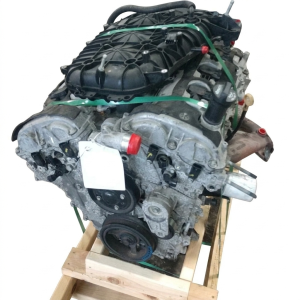
Used OEM Parts in Stock
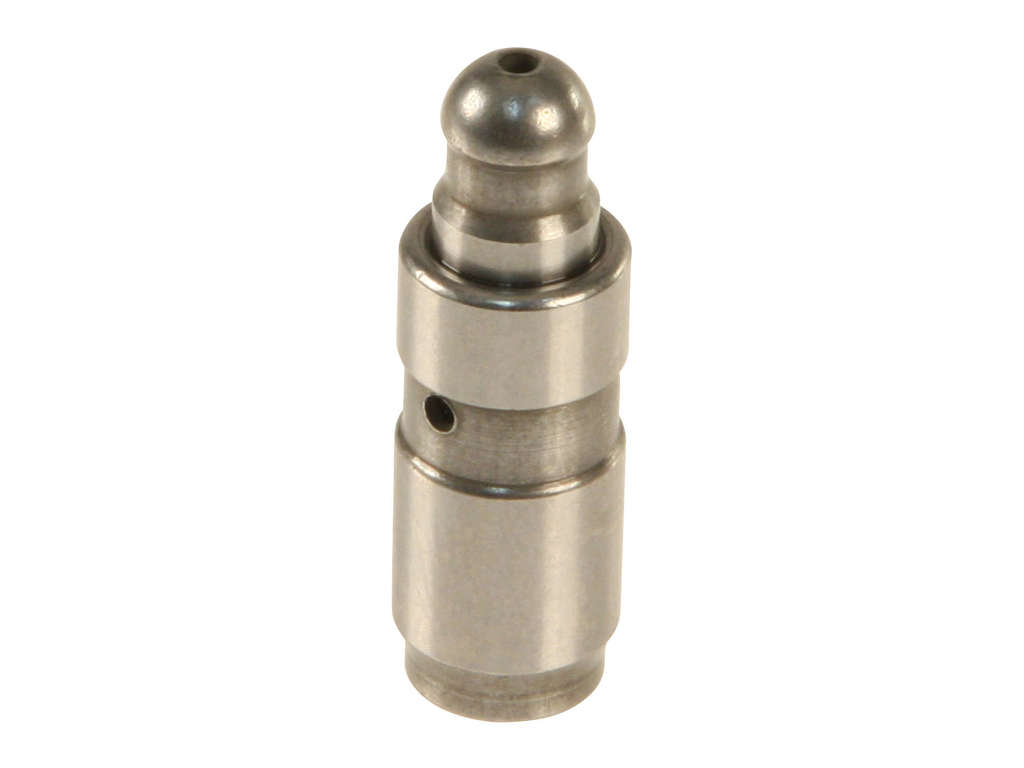
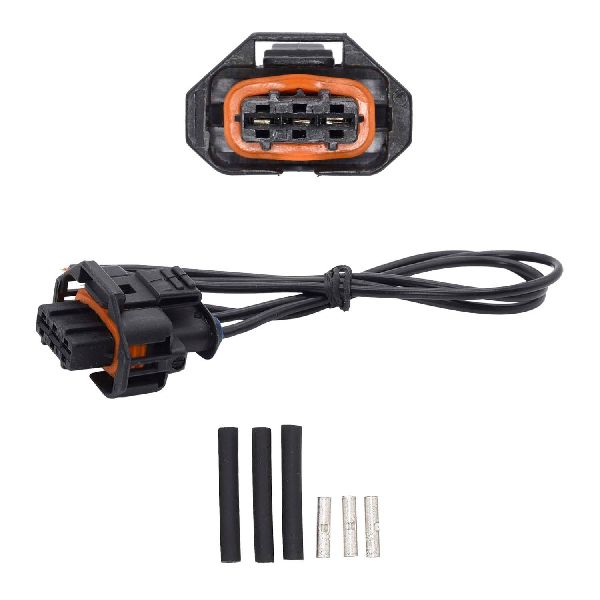
New Aftermarket Parts Available


The information in this article is provided for general reference and educational purposes only. Vehicle specifications, procedures, and part compatibility can vary by production date, trim level, and region. Always consult your vehicle's factory service manual and verify part numbers before purchasing or performing repairs. Safety-critical components such as airbags, seat belts, and braking systems should be installed by a qualified professional.
- Chevrolet TRAVERSE:
- 🎬 Helpful Videos
- 🛍️ Shop This Part
- What's Unique About the 2009-2016 Chevrolet TRAVERSE
- Diagnostic Flowchart
- Symptoms You May Notice
- Most Likely Causes
- Rare But Worth Checking
- Diagnosis Steps
- Parts You'll Likely Need
- Related Codes That Often Appear With This One
- Technical Service Bulletins (TSBs) & Recalls
- Platform-Specific Known Issues
- Mechanic-Grade Diagnostic Values
- Scan Tool Commands That Help
- Wiring & Ground Locations
- Real Owner Repair Stories
- OEM Part Supersession History
- Model Year Variations Within This Range
- 🎟️ Get 5% Off