

P0017 on 2006-2010 Chevrolet Cobalt: Crank/Cam Correlation Causes and Fixes
P0017 on a Chevy Cobalt usually points to a faulty exhaust camshaft position actuator solenoid or a stretched timing chain. Replacing the solenoid is a simple, low-cost first step (~$25-$50). If that doesn't work, suspect a more serious timing chain issue, which is a known weak point on these Ecotec engines. In rare cases on engines with perfect timing, the cause can be a slipped reluctor ring on the exhaust camshaft itself.
- Always check your engine oil first. Low or dirty oil is a primary cause of VVT system faults that trigger P0017.
- The most common and easiest parts to replace are the camshaft position actuator solenoids. Swapping them is a great diagnostic trick.
- A rattling noise from the engine strongly suggests the timing chain has stretched or the tensioner has failed, which is a known issue on these engines.
- If you see P0017 combined with P0016 (intake side), it is highly likely you have a base timing problem (stretched chain) rather than an issue with a single sensor or solenoid.
- This is an interference engine, so do not ignore this code for long, as a complete timing chain failure can cause catastrophic engine damage.
What's Unique About the 2006-2010 Chevrolet COBALT

The Ecotec engines in the 2006-2010 Cobalt (primarily the 2.2L LAP and 2.4L LE5 with VVT) use a timing chain to keep the engine synchronized. These chains, along with their hydraulic tensioners and plastic guides, are a known weak point and are prone to stretching or failing, especially with high mileage or infrequent oil changes. This makes timing chain-related problems a much more common cause for P0017 on this platform compared to just a simple sensor failure, a fact frequently documented by owners on forums. Additionally, as noted in GM TSB #PIP4548F, the reluctor ring on the camshaft can physically slip, causing a correlation code even when the timing chain is perfectly aligned.
Diagnostic Flowchart

Tap your situation to follow the diagnostic path that matches what you're seeing on this vehicle.
Symptoms You May Notice
- Check Engine Light is on
- Reduced engine power or entering 'limp mode'
- Rough or erratic idle
- Engine is hard to start or requires long cranking
- Increased fuel consumption
- Rattling or buzzing noise from the front of the engine (passenger side), especially on a cold startup
- Engine stalling
- Replacing the camshaft or crankshaft position sensors when the root cause is a stretched timing chain or a faulty VVT solenoid.
- Replacing the timing chain when the issue is a much simpler and cheaper faulty VVT solenoid.
- Assuming the timing is correct after a chain replacement without verifying the camshaft reluctor rings haven't slipped, as per TSB #PIP4548F.
Most Likely Causes

- Low or Dirty Engine Oil 🔴 High Probability The Variable Valve Timing (VVT) system, which includes the camshaft actuators (phasers) and solenoids, is operated by oil pressure. Low or dirty oil can clog the fine mesh screens on the solenoids or starve the phasers, preventing them from adjusting cam timing correctly.
How to confirm: Check the engine oil dipstick for level and clarity. If the oil is low or appears dark and sludgy, this is a likely contributor. An oil change is the cheapest and easiest first step.
Typical fix: Perform an oil and filter change using the manufacturer-recommended oil viscosity (typically 5W-30).
Est. part cost: $30-$60 - Faulty Exhaust Camshaft Position Actuator Solenoid 🔴 High Probability These solenoids are electromechanical valves that control oil flow. They can get clogged with debris from dirty oil or fail electronically, causing them to stick. It's a very common failure point on Ecotec engines and a frequent fix for P0017.
How to confirm: A definitive diagnostic step is to swap the exhaust and intake solenoids (they are identical parts but have different colored connectors for identification). They are located on top of the valve cover and held by one 10mm bolt each. Clear the codes and drive the car. If the code changes to P0016 (Intake Cam Correlation), the solenoid you moved to the intake side is faulty.
Typical fix: Replace the exhaust camshaft position actuator solenoid. It is highly recommended to replace both intake and exhaust solenoids at the same time.
Est. part cost: $25-$60 - Stretched Timing Chain or Failed Tensioner/Guides 🟡 Medium Probability The timing chains on Ecotec engines are a well-documented failure point. The hydraulic tensioner can fail or stick, and the plastic chain guides can break, leading to chain slack. This slack allows the cam timing to drift, causing correlation codes.
How to confirm: A persistent rattling noise from the passenger side of the engine is a strong indicator. A definitive diagnosis requires removing the valve cover and timing cover to inspect the chain for slack and check the timing marks against the crankshaft position. If both P0016 and P0017 are present, a timing chain issue is almost certain.
Typical fix: Replace the timing chain, tensioner, guides, and sprockets as a complete kit. This is a labor-intensive repair, often costing over $600-$1200 at a shop. 🎬 See this step-by-step guide for replacing the timing chain yourself.
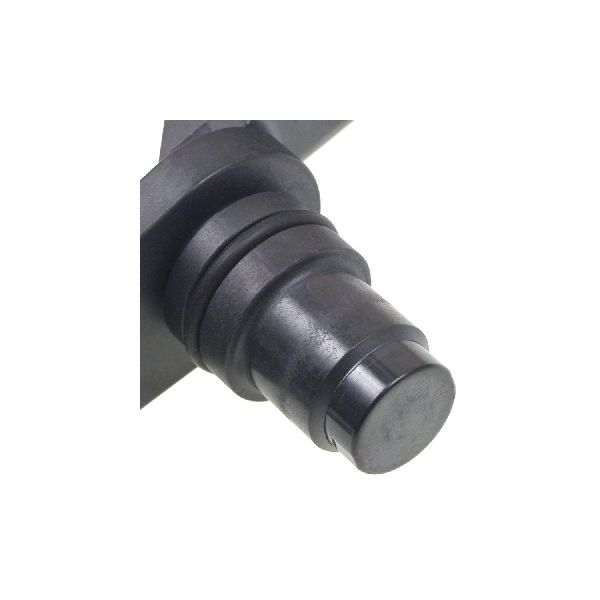
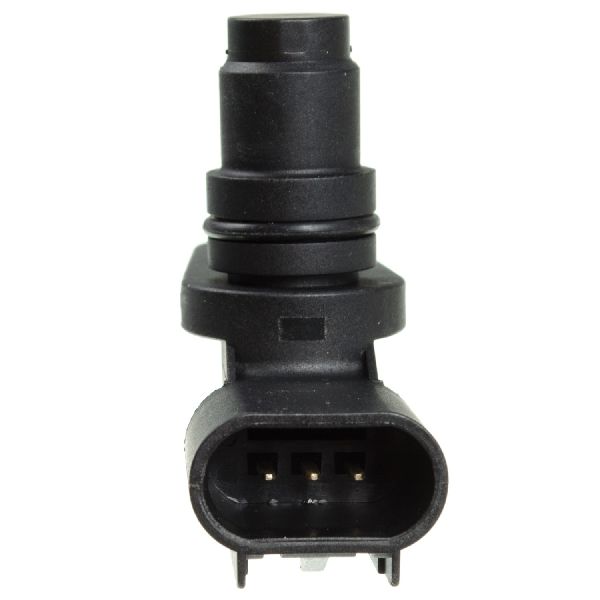
Est. part cost: $150-$300 - Faulty Exhaust Camshaft Position Sensor ⚪ Low Probability
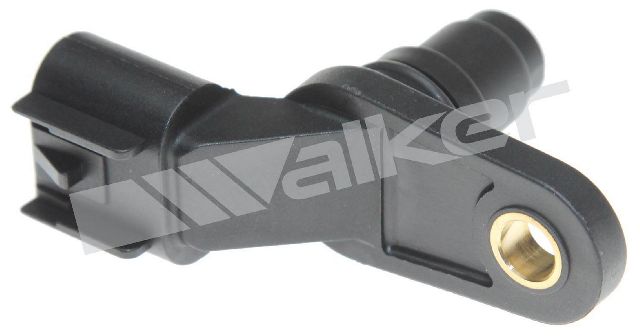
How to confirm: While possible, this is less common than a solenoid or chain issue. The sensor's output can be tested with a multimeter or oscilloscope. Often, replacing the sensor does not fix the code because the sensor is accurately reporting a mechanical problem.
Typical fix: Replace the exhaust camshaft position sensor. A crankshaft position relearn procedure may be required after replacement.
Est. part cost: $20-$50 - Faulty Crankshaft Position Sensor ⚪ Low Probability
How to confirm: Test the sensor's output and wiring. A failing crank sensor often causes more severe issues like no-start conditions or stalling while driving, not just a correlation code.
Typical fix: Replace the crankshaft position sensor. A relearn procedure is typically necessary.
Est. part cost: $20-$50
Rare But Worth Checking
- Slipped Camshaft Reluctor Ring: As detailed in GM TSB #PIP4548F, the reluctor ring (tone ring) on the exhaust camshaft, which the CMP sensor reads, can spin or shift its position on the camshaft, especially after an overheating event. This causes the sensor to send incorrect data to the PCM, triggering P0017 even if the mechanical timing (chain and sprockets) is perfect. The fix requires replacing the entire camshaft as the ring cannot be repositioned.
- Faulty Powertrain Control Module (ECM): In very rare cases, the ECM itself can fail and send incorrect signals to the cam actuators or misinterpret correct signals from the sensors. This should only be considered after all other mechanical and electrical possibilities have been exhaustively ruled out.
Diagnosis Steps
- Check the engine oil level and condition. An oil and filter change is the cheapest first step if the oil is low or dirty.
- Scan for any other DTCs. Codes like P0016 or P0014 provide critical clues.
- Perform a VVT Solenoid Swap. 🎬 Watch: How to diagnose and replace your VVT solenoids. The intake and exhaust solenoids are identical and located on top of the valve cover. Swap their positions. Clear the codes and drive the vehicle. If the code changes from P0017 (Exhaust) to P0016 (Intake), you have confirmed a bad solenoid. Replace both as a pair for best results.
- Inspect wiring and connectors for the VVT solenoids and cam/crank sensors for any damage, corrosion, or oil contamination.
- If the solenoid swap does not isolate the problem, test the solenoids with a multimeter. Resistance should be between 8 and 13 ohms.
- Listen for a rattling noise from the passenger side of the engine, especially on cold starts. This is a classic sign of a timing chain issue.
- If sensors and solenoids test good, the next step is a physical inspection of the timing chain system. This requires removing the valve cover to check for chain slack between the cam sprockets. Significant slack indicates a worn chain, failed tensioner, or broken guides.
- If the timing chain is confirmed to be physically aligned and tight, inspect the exhaust camshaft reluctor ring for any signs of slippage, per TSB #PIP4548F.
Parts You'll Likely Need
- Exhaust Camshaft Position Actuator Solenoid
(OEM #12655421 (Superseded by 12679100))— This part controls oil flow to the cam phaser. It's a very common failure item due to clogging or electronic failure and is often the direct cause of P0017. It's inexpensive and easy to replace.
Trusted brands: ACDelco (OEM), Delphi, Standard Motor Products
OEM price range: $40-$60
Aftermarket price range: $20-$40 - Intake Camshaft Position Actuator Solenoid
(OEM #12655420)— Often replaced as a pair with the exhaust solenoid. If one has failed due to oil contamination or age, the other is likely to fail soon. Swapping them is a key diagnostic step.
Trusted brands: ACDelco (OEM), Delphi, Standard Motor Products
OEM price range: $40-$60
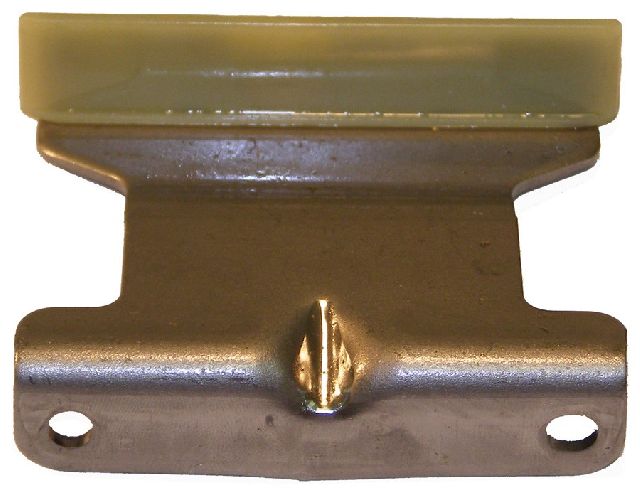
Aftermarket price range: $20-$40 - Timing Chain Kit
(OEM #N/A (Kit))— If solenoids do not fix the issue, a stretched timing chain is the next most likely cause, especially on high-mileage Ecotec engines. A complete kit is required.
Trusted brands: Cloyes (Part #9-4201S or 9-4201SA is a widely used kit for this application), ACDelco (OEM)
OEM price range: $200-$350
Aftermarket price range: $150-$250
Related Codes That Often Appear With This One
- P0016 — This code is for Crank/Cam correlation on the *intake* side (Bank 1 Sensor A). Seeing both P0016 and P0017 together strongly suggests a base timing issue, like a stretched or jumped timing chain, that is affecting both camshafts simultaneously.
- P0014 — This code indicates 'Exhaust Camshaft Position Timing - Over-Advanced'. It often accompanies P0017 as it points directly to a problem with the control of the exhaust cam phaser, which could be caused by a bad solenoid, oil flow issue, or a stuck phaser.
- P0300 — This is a 'Random/Multiple Cylinder Misfire' code. Incorrect camshaft timing disrupts the air/fuel mixture and spark timing, leading to inefficient combustion and misfires across multiple cylinders.
Technical Service Bulletins (TSBs) & Recalls

- PIP4548F: Advises inspecting the camshaft reluctor wheel if timing codes are present on a mechanically sound engine.
- PIP4716F: Mentions engine rattle at startup possibly being related to P0017 and to inspect the engine belt.
Platform-Specific Known Issues
- TSB #PIP4548F: This is a critical TSB for this code. It advises that if P0016 or P0017 is set on an engine where the timing has been verified as correct, the technician must inspect the camshaft reluctor ring to see if it has spun on the camshaft. If it has, the entire camshaft must be replaced.
- TSB #PIP4716F: Notes that a short, sharp rattle from the front of the engine at startup can be associated with codes P0014 or P0017. While it advises inspecting the engine belt and power steering system, this noise is more commonly attributed to the timing chain tensioner momentarily lacking oil pressure on startup.
Mechanic-Grade Diagnostic Values
- VVT (Camshaft Actuator) Solenoid Resistance — expected: 8 to 13 Ohms. Failure: A reading outside this range, or a wildly fluctuating reading when wiggling the connector pins, indicates a faulty solenoid. A reading in the mega-ohms (millions of ohms) indicates a complete failure.
- Camshaft Position Sensor (CMP) Voltage Test (Key On, Engine Off) — expected: Reference wire: ~5V. Signal wire: ~5V. Ground wire: ~12.6V (when testing from ground pin to positive battery terminal).. Failure: If reference voltage is missing, there's a wiring or ECM issue. If the signal voltage doesn't drop to ~0V when a piece of metal is passed in front of the sensor, the sensor is bad.
- Scan Tool Cam/Crank Correlation Threshold — expected: Less than 10 degrees of variance between desired and actual camshaft position.. Failure: The ECM will set code P0017 if it detects the exhaust camshaft is greater than 10 degrees advanced or retarded relative to the crankshaft.
Scan Tool Commands That Help
- GM Tech2 / GDS2: Camshaft Position Actuator Control — This bidirectional test allows a technician to command the VVT solenoid to advance or retard the camshaft timing while monitoring the 'desired vs. actual' position on the scan tool. If the engine stumbles and the 'actual' value changes, the phaser and solenoid are likely working mechanically. If nothing happens, it points to a stuck phaser, a bad solenoid, or an oil flow problem.
- GM Tech2 / GDS2 or equivalent professional scanner: Crankshaft Position Variation Learn — This procedure is required after replacing the crankshaft position sensor. It allows the ECM to learn the minor variations in the new sensor and its reluctor wheel to prevent misfire detection and other timing-related codes.
Wiring & Ground Locations
- G105 — On the front of the transmission housing, near the engine block.. This is a critical ground point that serves the Engine Control Module (ECM) and Transmission Control Module (TCM). A corroded or loose connection here can cause numerous erratic engine codes, including correlation faults, by creating an unstable ground reference for the modules and their sensors.
- G103 — On the body behind the driver's side headlight assembly.. A ground cable often runs from the G105 stud to G103, making this part of the primary grounding path for the engine management system. Verifying both G105 and G103 are clean and tight is a key step in diagnosing electrical faults.
- Exhaust CMP Sensor Connector — On the exhaust side (rear side) of the engine on top of the valve cover.. This 3-wire connector provides power, ground, and signal for the exhaust camshaft sensor. Wires can become brittle from heat. Pin tests for 5V reference, ground, and signal are performed here.
- CKP Sensor Connector — On the lower front of the engine block, behind the crankshaft pulley.. This connector is for the primary timing sensor. On some Cobalts, the wires are yellow, purple, and green, running to pins 5, 45, and 54 of an ECM connector. Damage or corrosion here will cause immediate timing codes or a no-start condition.
Real Owner Repair Stories
- YouTube channel "Brian's Mobile 1" (2009 Chevrolet Cobalt, 143k miles) — Persistent P0017 exhaust cam correlation code.
❌ Tried (didn't work) New camshaft position actuator (phaser), New camshaft position sensors, New VVT solenoids, Repairing broken wires at the solenoid connector
✅ What actually fixed it The reluctor ring on the exhaust camshaft had physically slipped/rotated on the shaft. This was confirmed by visually inspecting the ring's position relative to the cam lobes when at max lift, as described in GM TSB #PIP4548F. The entire exhaust camshaft had to be replaced to correct the issue. - Mitchell1 SureTrack Community Fix (2017 GMC Terrain 2.4L (similar Ecotec engine)) — P0017 - Crankshaft Position – Exhaust Camshaft Position Not Plausible.
❌ Tried (didn't work) Replaced timing chain and actuators (phasers), Swapped camshaft position sensors
✅ What actually fixed it The tone ring (reluctor ring) on the exhaust camshaft had moved about a quarter inch from its correct position. This was identified after all other common causes were ruled out. Replacing the exhaust camshaft resolved the code.
OEM Part Supersession History
12655421→12679100— Standard part revision and improvement by the manufacturer.
Model Year Variations Within This Range
- 2006-2008: The base engine was typically the 2.2L L61, which does NOT have Variable Valve Timing (VVT). P0017 is not applicable to L61 engines as they lack the necessary camshaft phasers and sensors. The 2.4L LE5 with VVT was available in 'Sport' models.
- 2009-2010: The base 2.2L engine was updated to the LAP version, which added VVT. Therefore, P0017 is a possible code on all 2009-2010 Cobalts, not just the higher-trim models.
- 2006-2007: The 2.4L LE5 engines used in these early model years are reported by enthusiasts to have stronger forged connecting rods compared to the cast rods used in later model years, though this does not directly impact the P0017 diagnosis.
Helpful Videos

We Have This Part in Stock


The information in this article is provided for general reference and educational purposes only. Vehicle specifications, procedures, and part compatibility can vary by production date, trim level, and region. Always consult your vehicle's factory service manual and verify part numbers before purchasing or performing repairs. Safety-critical components such as airbags, seat belts, and braking systems should be installed by a qualified professional.
- Chevrolet COBALT:
- 🎬 Helpful Videos
- 🛍️ Shop This Part
- What's Unique About the 2006-2010 Chevrolet COBALT
- Diagnostic Flowchart
- Symptoms You May Notice
- Most Likely Causes
- Rare But Worth Checking
- Diagnosis Steps
- Parts You'll Likely Need
- Related Codes That Often Appear With This One
- Technical Service Bulletins (TSBs) & Recalls
- Platform-Specific Known Issues
- Mechanic-Grade Diagnostic Values
- Scan Tool Commands That Help
- Wiring & Ground Locations
- Real Owner Repair Stories
- OEM Part Supersession History
- Model Year Variations Within This Range
- 🎟️ Get 5% Off