

P0017 on 2011-2015 Chevrolet Camaro: Crank-Cam Correlation Causes and Fixes
On 2011-2015 Camaros with the 3.6L V6 engine, P0017 almost always points to a stretched timing chain. This is a major, labor-intensive repair costing between $2,000 and $3,700. While a faulty sensor is possible, it's far less likely. The root cause is often linked to premature wear of the original chains, exacerbated by oil degradation inherent to direct-injection engines.
- P0017 on a 2011-2015 Camaro V6 almost always means you have a stretched timing chain.
- This is a serious issue; do not ignore it. Continued driving can lead to severe engine damage.
- While you can check simple things like engine oil level and swap sensors, the ultimate fix is likely a full timing chain kit replacement.
- This is not a DIY-friendly job for beginners. Expect a professional repair to cost between $2,000 and $3,700.
What's Unique About the 2011-2015 Chevrolet CAMARO
The fifth-generation Camaro, particularly models with the 3.6L V6 engine (codes LLT and LFX), is well-documented for having issues with premature timing chain stretching. The earlier LLT engines (pre-2012) are more susceptible, but the issue persists in the LFX. The problem was so widespread that General Motors issued multiple Technical Service Bulletins (TSBs), such as #12-06-01-009F, acknowledging the problem and releasing updated timing chain kits. The direct injection system on these engines can also contribute to faster oil breakdown, which accelerates chain wear if oil change intervals are extended.
Diagnostic Flowchart
Tap your situation to follow the diagnostic path that matches what you're seeing on this vehicle.
Symptoms You May Notice
- Check Engine Light is on
- Reduced engine power or 'limp mode'
- Rough or unstable idle, sometimes surging on startup
- Engine rattling or slapping noise, especially on cold startup or from the front of the engine
- Difficulty starting the engine
- Reduced fuel economy 🎬 Watch: Top 5 symptoms of a bad timing chain
- Replacing only the camshaft or crankshaft position sensors without checking the timing chain slack. While sensors can fail, the primary issue on this platform is mechanical timing components.
- Replacing the timing chains but failing to diagnose a slipped crankshaft reluctor wheel. Several owners have reported the P0017 code returning immediately after a costly timing chain job, only to later find the reluctor wheel was the true cause.
Most Likely Causes
- Stretched Timing Chain 🔴 High Probability The 3.6L V6 engines in this generation are known for premature timing chain wear, especially the earlier LLT versions. GM released updated parts to address this, as noted in TSB #12-06-01-009F.
How to confirm: A mechanic will measure the slack in the timing chain, which requires partial engine disassembly. A more advanced method involves using a scan tool to view camshaft position deviation data; for Bank 1 exhaust, a deviation greater than 10-13 degrees from the crankshaft signal confirms the issue. A lab scope can also be used to compare cam and crank sensor waveforms against a known-good pattern to spot timing lag without disassembly. 🎬 See how to test timing chain slack with a labscope
Typical fix: Replace all three timing chains, the tensioners, and the guides with an updated kit. Per TSB #12-06-01-009F, the sprockets and phasers should not be replaced unless they are visibly damaged.
Est. part cost: $700-$900 - Failed Timing Chain Tensioner 🔴 High Probability The tensioners maintain pressure on the chains. If a tensioner fails or loses hydraulic pressure (often due to oil issues), the chain can become loose, causing a correlation error. This is mentioned as a possibility in TSB #PIP3423P and is a common point of failure in the system.
How to confirm: Physical inspection for a collapsed or leaking tensioner during a timing chain inspection. A rattling noise on startup that goes away is a classic symptom.
Typical fix: Replace the failed tensioner. It is highly recommended to replace the chains, guides, and other tensioners at the same time, as this is a sign the entire system is worn.
Est. part cost: $50-$150 - Low or Dirty Engine Oil 🟡 Medium Probability The camshaft phasers and timing chain tensioners are hydraulically operated by engine oil. Low oil level or oil that is dirty and sludgy can impede their function. Direct injection engines like the LLT/LFX are known to degrade oil faster, making regular, high-quality oil changes critical to timing system longevity.
How to confirm: Check the oil level on the dipstick and inspect its condition. If it's low, very dark, or past its change interval, this is a likely contributing factor.
Typical fix: Perform an oil and filter change using a full synthetic oil that meets GM's specifications (5W-30 is specified for the 3.6L V6). Clear codes and see if they return. This is often a first step, but rarely a final fix if the chain is already stretched.
Est. part cost: $50-$100 - Faulty Camshaft Position Actuator Solenoid 🟡 Medium Probability This solenoid controls oil flow to the camshaft phaser. It can get clogged with sludge or fail electronically, causing the cam timing to be incorrect. It's a common failure point and a relatively easy part to access and replace.
How to confirm: Test the solenoid's resistance with a multimeter or command it on/off with a capable scan tool to check for response. A popular DIY method is to swap the Bank 1 exhaust solenoid with the intake solenoid. Clear codes and drive the car. If the code changes to P0016 (Intake Cam Position), the solenoid is faulty.
Typical fix: Replace the Bank 1 exhaust camshaft position actuator solenoid.
Est. part cost: $30-$70 - Faulty Camshaft Position (CMP) Sensor ⚪ Low Probability While less common than mechanical issues, the sensor that reads the camshaft's position can fail and send incorrect data to the ECM. Owners sometimes replace this first hoping for a cheap fix, but it often doesn't solve the problem on these engines.
How to confirm: Swap the Bank 1 exhaust sensor with the Bank 2 exhaust sensor. Clear codes and drive. If the trouble code changes to P0019 (Bank 2 Exhaust), the sensor is bad.
Typical fix: Replace the Bank 1 exhaust camshaft position sensor.
Est. part cost: $25-$60
Rare But Worth Checking
- Slipped or Damaged Crankshaft Reluctor Wheel: The reluctor wheel (or tone ring) on the crankshaft provides the primary position signal. This wheel is press-fit and not keyed to the crank. In some cases, it can slip or rotate slightly on the crankshaft, causing a persistent timing correlation code even after the timing chains have been replaced. This is a major repair requiring crankshaft removal or, in some documented cases, careful repositioning and tack-welding with the oil pan removed.
- Failed Camshaft Phaser/Actuator: The mechanical gear (phaser) on the camshaft itself can fail, getting stuck in one position. This is less common than a solenoid failure but requires timing chain removal to replace. TSB #12-06-01-009F advises against replacing these unless they are confirmed to be faulty, as they are not a typical wear item in a chain stretch scenario.
Diagnosis Steps
- Verify Engine Oil Level and Condition: Ensure the oil is full, clean, and of the correct 5W-30 synthetic viscosity. If low or dirty, perform an oil change and clear the codes to see if the problem returns.
- Scan for All Codes: Check for other related timing codes (P0008, P0016, P0018, P0019) which strengthen the diagnosis of a stretched chain.
- Inspect Sensor Wiring: Check the wiring harness and connector for the Bank 1 exhaust camshaft position sensor for any visible damage or loose connections.
- Test the Camshaft Actuator Solenoid: Swap the Bank 1 exhaust solenoid with the intake solenoid on the same bank. Clear codes and drive the car. If the code changes to P0016, the solenoid is faulty.
- Test the Camshaft Position Sensor: Swap the Bank 1 exhaust sensor with the Bank 2 exhaust sensor. Clear codes and drive. If the code changes to P0019, the sensor is faulty.
- Professional Mechanical Inspection: If the steps above do not resolve the issue, the vehicle must be inspected by a professional. This involves: a) Using a scan tool to monitor cam/crank deviation angles. b) Potentially using a lab scope to analyze sensor waveforms. c) If necessary, performing partial engine disassembly to physically inspect timing chain slack and tensioner position. d) Before committing to a chain replacement, it's wise to inspect the crankshaft reluctor wheel position by removing the oil pan, as this can cause identical codes.
Parts You'll Likely Need
- Engine Timing Chain Kit
(OEM #12651450 (superseded by 12693218, 12700436))— This is the most common failure. A complete kit includes all three chains, tensioners, guides, and necessary gaskets, which is the correct way to fix a stretched chain issue. [TSB #12-06-01-009F, 17, 28, 30]
Trusted brands: ACDelco (GM Original), Cloyes
OEM price range: $800-$900
Aftermarket price range: $400-$750 - Camshaft Position Actuator Solenoid
(OEM #12655421)— A common and relatively easy part to replace. A clogged or failed solenoid can cause timing deviation and trigger this code.
Trusted brands: ACDelco, Delphi
OEM price range: $40-$60
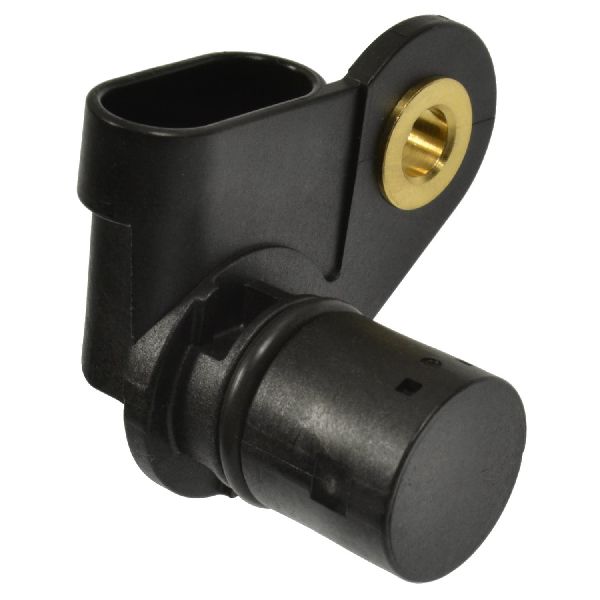
Aftermarket price range: $25-$45 - Camshaft Position Sensor
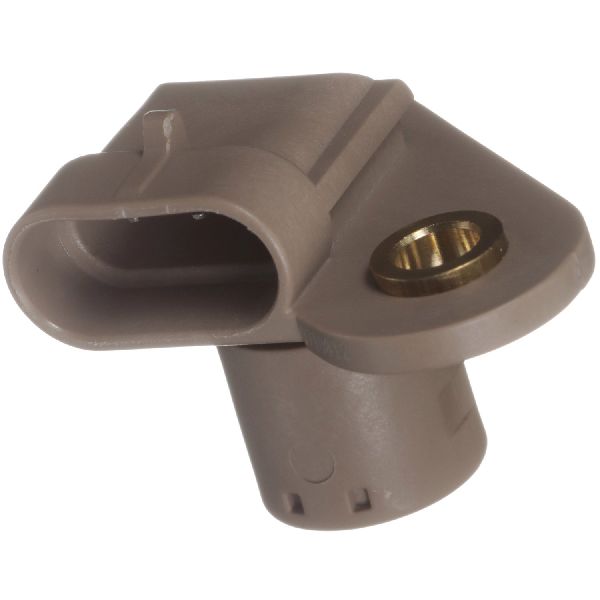
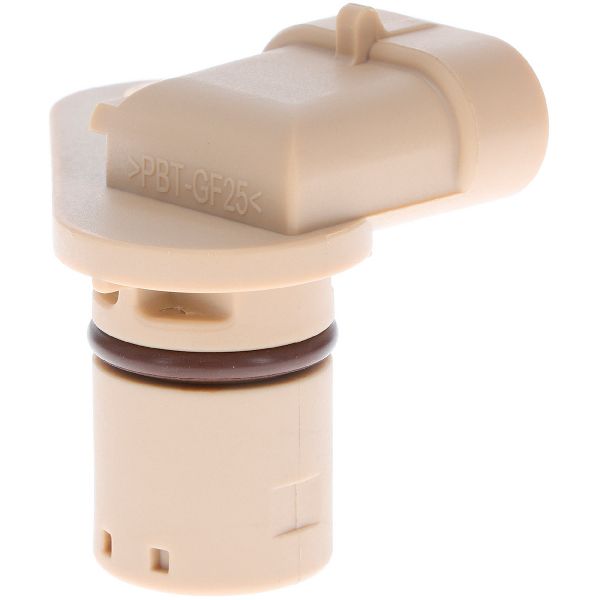
(OEM #12615371)— Though less common, a sensor failure can cause this code. It's a potential fix if mechanical issues and solenoids are ruled out.
Trusted brands: ACDelco, Bosch
OEM price range: $25-$60
Aftermarket price range: $20-$40
Related Codes That Often Appear With This One
- P0016 — Crankshaft/Intake Camshaft Correlation, Bank 1. Often appears with P0017 when the timing chain has stretched, affecting both camshafts on Bank 1.
- P0008 — Engine Positions System Performance Bank 1. This is a more general timing correlation code that is frequently set alongside P0017 due to a stretched timing chain. [TSB #12-06-01-009F, 20]
- P0018 — Crankshaft/Intake Camshaft Correlation, Bank 2. If this code is present with P0017, it may indicate a more severe timing chain issue affecting both sides of the engine.
- P0019 — Crankshaft/Exhaust Camshaft Correlation, Bank 2. Similar to P0018, its presence points to a widespread timing problem affecting both banks.
Technical Service Bulletins (TSBs) & Recalls
- PIP3423P: Advises technicians to inspect for loose timing chains or tensioners when codes P0016, P0017, P0018, P0019, P0008, or P0009 are present.
- 12-06-01-009F: Discusses the availability of updated V6 timing chain kits for repairing stretched timing chains that cause codes like P0017.
Platform-Specific Known Issues
- Owner Repair Story: The Slipped Reluctor Wheel: In a thread on Camaro5.com, user 'secrethero89' documented a frustrating experience where a complete timing chain replacement on their 2011 V6 failed to clear P0008, P0009, and P0016 codes. After extensive diagnostics, the root cause was found to be a slipped crankshaft reluctor wheel, which had moved 1.5 teeth. The mechanic was able to reposition the wheel and tack-weld it without removing the crankshaft, finally resolving the issue. This highlights a critical, though rare, misdiagnosis path.
Mechanic-Grade Diagnostic Values
- Crankshaft Position Sensor Resistance — expected: ~0.29 kOhms (290 Ohms). Failure: A reading of zero indicates a short circuit; a significantly different reading suggests a faulty sensor.
- Camshaft Position Sensor Resistance (General) — expected: 200 - 800 Ohms. Failure: A reading outside this range. Note: This is a general specification; always consult the specific vehicle's service manual if possible.
- Crankshaft Reluctor Wheel Position (Physical Check) — expected: 25 to 26 mm. Failure: A measurement different from 25-26 mm indicates the reluctor wheel has slipped on the crankshaft. The measurement is taken from the end of the machined surface of the crankshaft throw to the edge of the open space in the reluctor.
Wiring & Ground Locations
- Engine Control Module (ECM) — Located in the right front of the engine compartment.. The ECM is the central computer that receives signals from the cam and crank sensors and sets the P0017 code. Verifying its connections is a key diagnostic step.
- G106 — Engine ground located on the left rear of the engine (for 3.6L).. A poor engine ground can cause erratic sensor readings and phantom trouble codes. Ensuring this ground is clean and tight is crucial.
- G109 — Engine ground located on the left side of the engine (for 3.6L).. Similar to G106, this is another critical engine ground point that can affect the entire engine management system if compromised.
Real Owner Repair Stories
- IRV on YouTube (GM vehicle with 2.4L Ecotec engine (Note: Different engine, but identical failure mode of a press-fit reluctor wheel, making it highly relevant).) — Persistent P0017 code immediately after a complete timing chain and balance chain replacement.
❌ Tried (didn't work) Replacing the entire timing set (Cloyes kit with new solenoids)., Disassembling and re-checking timing marks three separate times., Replacing the exhaust camshaft position sensor., Verifying all wiring using AllData schematics.
✅ What actually fixed it The reluctor wheel on the exhaust camshaft itself had slipped/rotated on the shaft. It is press-fit with no keyway. The mechanic identified the misalignment by comparing it to a new part and was able to rotate it back to the correct position on the shaft, which resolved the code.
OEM Part Supersession History
N/A (Early design chains)→Timing Chain Kit (e.g., 12650230 for some models)— GM released updated, more durable timing chain kits in April 2012 to address premature stretching on High Feature V6 engines.
Heads up: Per TSB #12-06-01-009F, do not replace idler sprockets, camshaft actuators (phasers), or the crankshaft gear when fixing a stretched chain code unless they are visibly damaged, as they are not considered wear items in this scenario.12637744→12633451— Part update for the intermediate timing chain.
Model Year Variations Within This Range
- 2010-2011 (LLT) vs 2012-2015 (LFX): The LFX engine introduced several key changes from the LLT, including: integrated exhaust manifolds cast into the cylinder heads (vs. bolt-on for LLT), a composite intake manifold (vs. aluminum on LLT) to reduce heat soak, a Delphi ECM (vs. Bosch), and larger intake valves. The LFX also features an improved 'silent cam drive' timing chain design, making it less susceptible to the stretching issues that were common on the LLT.
Helpful Videos
![Top 5 Symptoms of a BAD TIMING CHAIN [What to Look Out For]](https://img.youtube.com/vi/7beQX8cE-18/mqdefault.jpg)
Used OEM Parts in Stock

New Aftermarket Parts Available


The information in this article is provided for general reference and educational purposes only. Vehicle specifications, procedures, and part compatibility can vary by production date, trim level, and region. Always consult your vehicle's factory service manual and verify part numbers before purchasing or performing repairs. Safety-critical components such as airbags, seat belts, and braking systems should be installed by a qualified professional.
- Chevrolet CAMARO:
- 🎬 Helpful Videos
- 🛍️ Shop This Part
- What's Unique About the 2011-2015 Chevrolet CAMARO
- Diagnostic Flowchart
- Symptoms You May Notice
- Most Likely Causes
- Rare But Worth Checking
- Diagnosis Steps
- Parts You'll Likely Need
- Related Codes That Often Appear With This One
- Technical Service Bulletins (TSBs) & Recalls
- Platform-Specific Known Issues
- Mechanic-Grade Diagnostic Values
- Wiring & Ground Locations
- Real Owner Repair Stories
- OEM Part Supersession History
- Model Year Variations Within This Range
- 🎟️ Get 5% Off