

P0016 on 2015 Volkswagen Passat TDI: Crank/Cam Correlation Causes and Fixes
On a 2015 VW Passat TDI with the CVCA engine, code P0016 is most often caused by a sticking camshaft adjuster control valve, as documented in a VW TSB. If the mechanical timing belt is verified to be in good condition and correctly aligned, replacing this valve is the most likely fix. This is a moderately complex job that can be done by an experienced DIYer but is often best left to a professional.
- For a 2015 Passat TDI, P0016 is a serious code that should not be ignored.
- Do NOT immediately replace the cam or crank sensors; the fault is almost always mechanical.
- The first diagnostic step is to verify the physical timing of the timing belt using proper lock tools.
- If the timing belt is correctly aligned, the most likely fix is replacing the camshaft adjuster control valve (P/N 03L906455C) per VW TSB 2040171.
What's Unique About the 2015-2015 Volkswagen PASSAT TDI

Unlike the gasoline-powered TSI Passat models of the same era known for timing *chain* issues, the 2015 TDI features the EA288 (CVCA) diesel engine with a timing *belt*. The Ross-Tech Wiki specifically notes that for the 2015 2.0L CVCA TDI engine, the P0016 fault is often due to the camshaft adjuster control valve sticking. For this specific engine, Volkswagen issued a Technical Service Bulletin (TSB 01 17 04 / 2040171) indicating that P0016 is often caused by a sticking camshaft adjuster control valve, a specific component in the variable valve timing system. Real-world owner experiences from forums confirm that replacing this valve, not the sensors, is frequently the correct solution when the base timing belt alignment is correct.
Diagnostic Flowchart

Tap your situation to follow the diagnostic path that matches what you're seeing on this vehicle.
Symptoms You May Notice
- Check Engine Light is on
- Flashing glow plug light
- Engine may run smoothly with no other symptoms, especially initially
- Engine misfires or runs rough
- Reduced engine power and acceleration
- Ticking or rattling noises from the engine bay
- Engine is hard to start or fails to start
- Excessive or long crank time before the engine starts
- Replacing the camshaft or crankshaft position sensors without first verifying the mechanical timing. This is a common mistake that does not fix the root cause, which is almost always mechanical (belt timing or adjuster valve).
- Replacing only the N205 solenoid without replacing the mechanical camshaft adjuster control valve it mounts to. Forum threads show this often fails to resolve the code.
Most Likely Causes

- Sticking Camshaft Adjuster Control Valve (N205) 🔴 High Probability A known issue for the 2.0L TDI CVCA engine, as documented in VW Technical Service Bulletin 01 17 04 (2040171). The valve, which controls oil flow for camshaft adjustment, can stick internally, preventing proper camshaft phasing and causing a correlation fault.
How to confirm: First, verify the base engine timing is correct using timing lock tools. If it is, and the code persists, the valve is the next logical point of failure. A VW-specific scan tool (like VCDS) can be used to monitor specified vs. actual camshaft adjustment angles; a large discrepancy points to the valve or actuator. 🎬 See how to diagnose P0016 using live engine data. The valve is located on the driver's side of the intake camshaft and can be removed with a 24mm socket after taking off the solenoid.
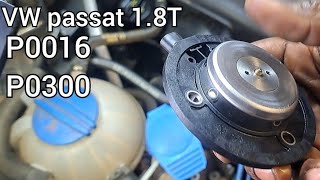
Typical fix: Replace the camshaft adjuster control valve. The updated part number is 03L 906 455 C. This involves removing the N205 solenoid, then unscrewing the valve itself with a 24mm socket and torquing the new one to 50 Nm.
Est. part cost: $120-$200 - Worn or Slipped Timing Belt / Failed Tensioner 🟡 Medium Probability Timing belts are a maintenance item that stretch and wear over time. The tensioner can also weaken or fail, allowing the belt to lose tension and jump a tooth, putting timing out of sync. On TDI models, leaking AdBlue fluid can crystallize on the timing components, causing premature wear and tensioner failure.
How to confirm: A physical inspection of the timing belt, tensioner, and pulleys is required. The engine must be set to Top Dead Center (TDC) and the timing marks on the cams, high-pressure fuel pump, and crank must be checked for alignment using special locking tools. A belt that has jumped even one tooth will cause this code.
Typical fix: Replace the timing belt, tensioner, idler pulleys, and often the water pump as a complete kit. If AdBlue contamination is found, all affected components must be thoroughly cleaned or replaced.
Est. part cost: $250-$500 - Low or Dirty Engine Oil ⚪ Low Probability The camshaft adjustment system is hydraulic and relies on clean oil at the correct pressure. Using the wrong oil specification or extending oil change intervals can lead to sludge buildup that clogs the small passages in the camshaft adjuster valve (N205) or the non-return valve in the cylinder head.
How to confirm: Check the engine oil level and condition on the dipstick. Review service history for oil change intervals and correct oil type (must meet VW 507.00 specification for this engine).
Typical fix: Perform an engine oil and filter change using oil that meets the correct VW 507.00 specification for the TDI engine.
Est. part cost: $70-$120
Rare But Worth Checking
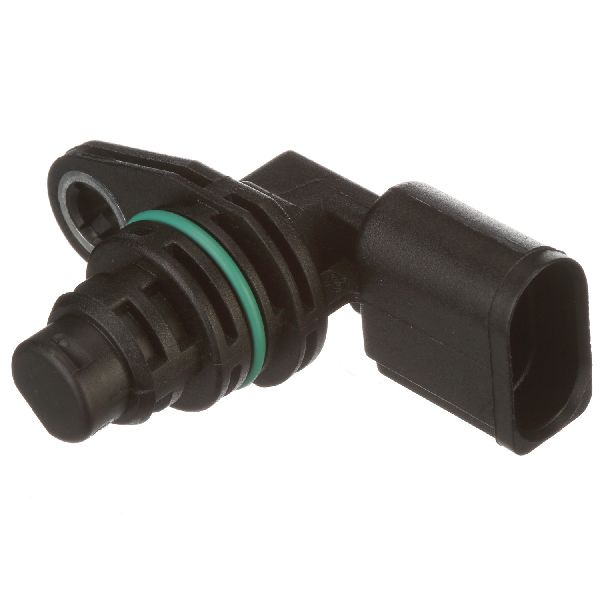
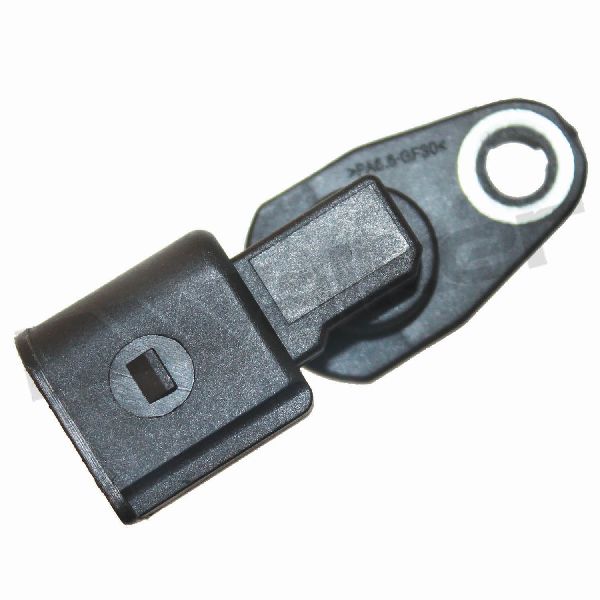
- Faulty Camshaft Position Sensor (G40): This is rarely the cause of a P0016 code by itself. It will typically be accompanied by other sensor-specific fault codes (e.g., P0341). Do not replace this part without ruling out all mechanical timing issues first, 🎬 Watch this guide on diagnosing faults and changing sensors. as confirmed by multiple owner experiences.
- Faulty Crankshaft Position Sensor (G28): Extremely unlikely to be the cause. The engine would likely have significant running problems, a no-start condition, or other codes like P0322 (No Signal). This is a last-resort replacement after all mechanical causes are eliminated.
- Faulty Camshaft Adjuster Solenoid (part of N205 assembly): The N205 assembly consists of the solenoid and the mechanical valve. While the TSB points to the valve, the solenoid can also fail electronically. It can be tested with a multimeter or by swapping with a known good unit if accessible. However, forum users report that replacing just the solenoid often does not fix the P0016 issue; the mechanical valve is the more common culprit.
Diagnosis Steps
- Check the engine oil level and condition. Ensure the correct specification oil (VW 507.00) is being used. If in doubt, perform an oil and filter change.
- Connect a VW-specific scan tool (like VCDS) to check for any other fault codes and to read live data. Check the measuring blocks for 'Camshaft adaptation intake bank 1: phase position'. A value significantly deviated from 0° (e.g., more than +/- 5 degrees) at warm idle indicates a timing problem.
- Perform a full mechanical timing check. This is the most critical step. It involves exposing the timing belt and using engine locking tools (e.g., crank lock, cam pin, HPFP pin) to verify that the crankshaft, camshaft, and high-pressure fuel pump are all perfectly aligned at TDC.
- If the timing marks are aligned correctly, the next step is to replace the camshaft adjuster control valve located on the driver's side end of the intake camshaft, as per TSB 2040171.
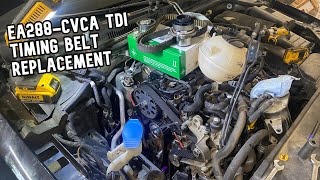
- If the timing marks are NOT aligned, the timing belt has slipped or was installed incorrectly. A full timing belt service is required, including a new belt, tensioner, and idlers. 🎬 Watch: Step-by-step timing belt replacement for the EA288 engine.
- As a final, less likely step, inspect the wiring and connectors for the camshaft (G40) and crankshaft (G28) position sensors for any damage or corrosion.
Parts You'll Likely Need

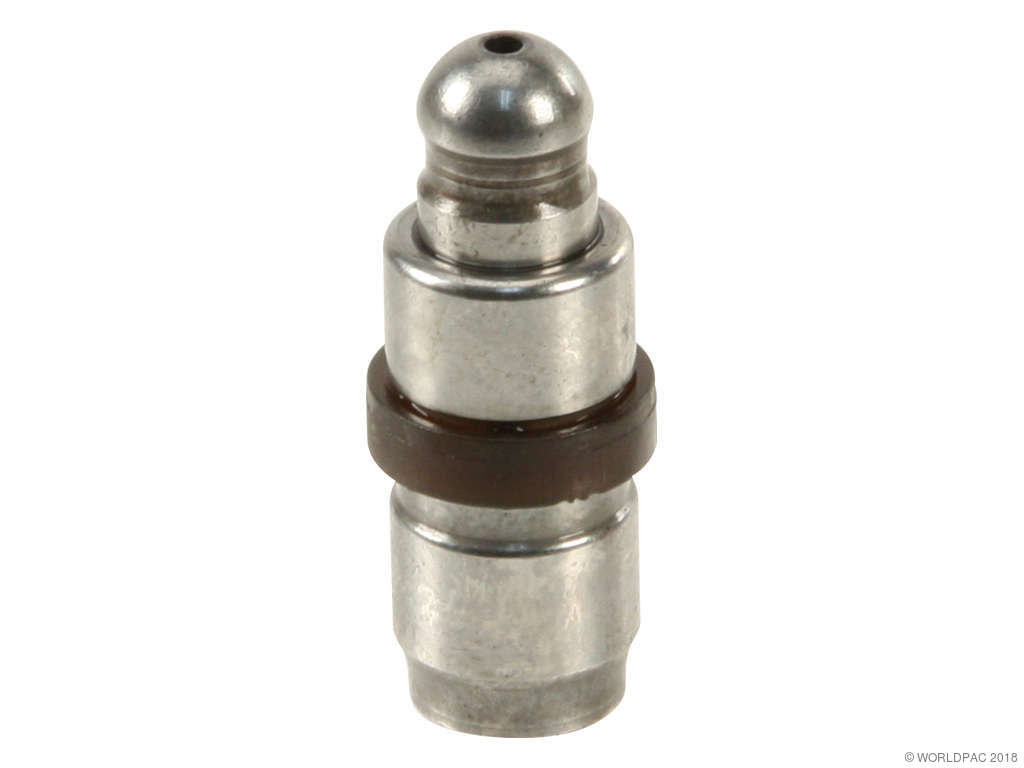
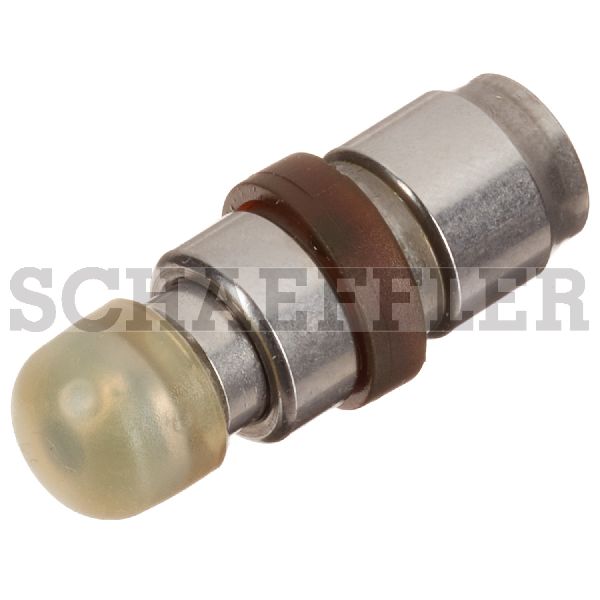
- Camshaft Adjuster Control Valve
(OEM #03L906455C)— This is the most probable cause for P0016 on the 2015 Passat TDI (CVCA engine) when base timing is correct, as identified in VW TSB 2040171. Owner forums have repeatedly confirmed this part resolves the issue.
Trusted brands: Genuine Volkswagen Audi
OEM price range: $130-$180
Aftermarket price range: $80-$120 - Timing Belt Kit
(OEM #04L198119A (example kit number, verify by VIN))— If the timing belt has stretched, slipped, is past its service interval (130,000 miles), or contaminated by leaking fluids, a complete kit is required to restore correct engine timing and prevent catastrophic failure.
Trusted brands: Continental, INA, Genuine Volkswagen Audi
OEM price range: $400-$550
Aftermarket price range: $250-$400
Related Codes That Often Appear With This One
- P0011 — This code for 'Camshaft Position 'A' - Timing Over-Advanced' often appears with P0016 because the underlying mechanical issue (sticking adjuster or slipped belt) affects the camshaft's ability to achieve its target timing. The VW TSB for this issue lists both codes together.
- P0341 — This code for 'Camshaft Position Sensor 'A' Circuit Range/Performance' can appear if the timing correlation is so far off that the sensor's signal is deemed implausible by the ECM.
Technical Service Bulletins (TSBs) & Recalls
- 01 17 04 (2040171 / V011704): Dated March 7, 2017, this TSB supersedes previous versions. It explicitly states 'The camshaft adjuster control valve may stick causing camshaft position faults' for P0016 and P0011 on 2015 CVCA and CRUA engines. It provides the service procedure for checking timing and replacing the valve if timing is correct.
- VIN-4-A-PIN APRI: A general NHTSA communication from 2016 that lists P0016 as one of several possible faults that may appear on 2015 VW engines.
Platform-Specific Known Issues
- A VW Technical Service Bulletin (01 17 04 / 2040171) was issued for 2015 models with the CVCA engine, specifically identifying that a sticking camshaft adjuster control valve can cause P0016 and/or P0011 faults.
- A detailed account on the Ross-Tech forums for a 2015 Passat TDI with P0016 confirms the TSB's accuracy. The owner first performed a full timing belt service and found the timing was perfect, but the code remained. The issue was only resolved after replacing the camshaft adjuster control valve (P/N 03L 906 455 C).
- The age of the timing belt can be a factor even on low-mileage 2015 models. Many of these vehicles sat for extended periods due to the 'Dieselgate' emissions issue, and the rubber belt can degrade over time regardless of mileage.
Mechanic-Grade Diagnostic Values
- Camshaft Adjuster Control Valve (N205) internal resistance — expected: 10 - 18 Ω. Failure: A reading outside this range indicates a faulty valve.
- VCDS Live Data: Camshaft adaptation intake bank 1: phase position — expected: At warm idle, this value should be close to 0°. A value greater than +/- 5° is a strong indicator of a mechanical timing issue (slipped belt or stretched chain).. Failure: A consistent deviation from 0° at idle points to a correlation problem.
- Camshaft Position Sensor (G40) vs. Crankshaft Position Sensor (G28) RPM — expected: With the engine running, the camshaft RPM should be exactly half of the crankshaft RPM.. Failure: Any other ratio indicates a sensor signal problem.
Scan Tool Commands That Help
- VCDS or ODIS: Read Measuring Blocks for Engine (Group 091, 093, etc.) — Used to view live data for 'Camshaft adaptation intake bank 1: phase position' to see the specified vs. actual angle. A large, persistent deviation confirms a correlation fault that needs mechanical investigation.
- VCDS or ODIS: Output Test for N205 Camshaft Adjustment Valve — This function attempts to actuate the N205 solenoid. While it primarily tests the electrical solenoid portion, an audible click or change in engine idle during the test can suggest the solenoid is receiving the command. However, it cannot confirm if the mechanical valve portion is physically stuck.
Wiring & Ground Locations
- Ground Connection -15- — On the cylinder head.. The Camshaft Position Sensor (G40) and other critical engine sensors rely on a clean ground connection to the cylinder head for accurate readings. A loose or corroded ground at this point could potentially cause erratic sensor signals.
- Transmission/Engine Ground Connection -652- — Main ground strap from the engine/transmission to the vehicle body/frame.. This is the primary ground path for the entire engine block. High resistance here can cause widespread electrical issues, including problems with sensor signals that rely on the block for their ground reference.
- Camshaft Position Sensor (G40) Connector — On the front of the cylinder head, centrally located.. This is the direct electrical connection for the G40 sensor. The connector and its wiring are a primary point of inspection for damage, corrosion, or looseness when diagnosing sensor-related codes.
- Crankshaft Position Sensor (G28) Connector — Near the oil filter housing.. This is the electrical connection for the G28 sensor. Damage to this connector or wiring, often during oil filter changes, can cause a loss of the crank signal.
Real Owner Repair Stories
- Ross-Tech Forums user (2015 VW Passat TDI SEL Premium, 57,000 miles) — Flashing glow plug light and MIL on, code P0016 stored. Engine ran perfectly with no noticeable performance issues.
❌ Tried (didn't work) Performed a complete timing belt replacement; the old belt was found to be perfectly in time., Replaced the Camshaft Position Sensor (G40)., Replaced only the N205 solenoid.
✅ What actually fixed it Replacing the mechanical camshaft adjuster control valve (Part Number: 03L 906 455 C), as suggested by the VW TSB. The code was resolved after this part was installed.
OEM Part Supersession History
03L 906 455→03L 906 455 C— The 'C' revision is an updated design to address the sticking issue noted in the TSB.
Heads up: The original part is prone to the failure that causes P0016. Always use the updated 'C' version for replacement.
Helpful Videos
We Have This Part in Stock


The information in this article is provided for general reference and educational purposes only. Vehicle specifications, procedures, and part compatibility can vary by production date, trim level, and region. Always consult your vehicle's factory service manual and verify part numbers before purchasing or performing repairs. Safety-critical components such as airbags, seat belts, and braking systems should be installed by a qualified professional.
- Volkswagen PASSAT TDI:
- 🎬 Helpful Videos
- 🛍️ Shop This Part
- What's Unique About the 2015-2015 Volkswagen PASSAT TDI
- Diagnostic Flowchart
- Symptoms You May Notice
- Most Likely Causes
- Rare But Worth Checking
- Diagnosis Steps
- Parts You'll Likely Need
- Related Codes That Often Appear With This One
- Technical Service Bulletins (TSBs) & Recalls
- Platform-Specific Known Issues
- Mechanic-Grade Diagnostic Values
- Scan Tool Commands That Help
- Wiring & Ground Locations
- Real Owner Repair Stories
- OEM Part Supersession History
- 🎟️ Get 5% Off