

P0016 on 2012-2016 VW Passat (1.8T/2.0T): Timing Chain & Sensor Guide
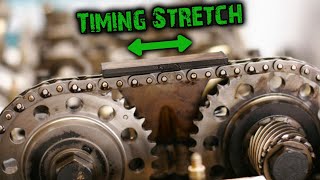
On a 2012-2016 Passat with a 1.8T or 2.0T TSI engine, code P0016 almost always indicates a stretched timing chain or a failed timing chain tensioner. This is a critical issue that requires immediate inspection to prevent catastrophic engine damage. Do not continue to drive the vehicle as there is a high risk of the pistons colliding with the valves.
- P0016 on a 2012-2016 Passat with a TSI engine is a critical code that should be addressed immediately.
- The most likely cause is a stretched timing chain due to a faulty or worn-out timing chain tensioner.
- Do not replace sensors first. The primary diagnostic step is to check for timing chain stretch, either with a scan tool or by visually inspecting the tensioner.
- Driving the vehicle with this code is extremely risky and can lead to catastrophic engine failure.
- The correct fix is almost always a complete timing chain service, including the chain, tensioner, and all guides.
What's Unique About the 2012-2016 Volkswagen PASSAT

The 2012-2016 Passat commonly uses the EA888 family of TSI engines (both 1.8T and 2.0T). Early versions of this engine platform were notorious for a faulty timing chain tensioner design. This tensioner could fail to maintain proper hydraulic pressure, or fail catastrophically, allowing the chain to stretch or jump teeth. This widespread issue led to a class-action lawsuit and the release of updated tensioner designs. Therefore, a P0016 code on this specific vehicle is a major red flag for this well-documented timing system problem and should be treated with extreme seriousness.
Diagnostic Flowchart

Tap your situation to follow the diagnostic path that matches what you're seeing on this vehicle.
Symptoms You May Notice
- Check Engine Light (MIL) and/or EPC (Electronic Power Control) light on.
- Engine rattling noise, especially a brief, sharp clatter from the front of the engine on a cold start, sometimes called the 'VW Death Rattle'.
- Rough or unstable idle.
- Hesitation or loss of power during acceleration.
- Engine cranks for a long time before starting, or fails to start at all.
- Engine stalling.
- Replacing the Camshaft Position Sensor (G40) without checking mechanical timing.
- Replacing the Crankshaft Position Sensor (G28) without checking mechanical timing.
- Replacing the Camshaft Adjustment Control Valve (N205) without first verifying timing chain stretch via the tensioner inspection port or scan tool data.
Most Likely Causes

- Failed or Outdated Timing Chain Tensioner 🔴 High Probability Early EA888 engines used a tensioner design (P/N 06H109467T) prone to failure. An updated, more robust ratcheting design (P/N 06K109467K or 06K109467P) was released to fix this. Many vehicles in this year range may still have the original problematic design if it was never updated.
How to confirm: Visually inspect the tensioner through the inspection port on the lower timing cover. The original design has a thin, clip-style piston, while the updated version has a thicker, ratcheting multi-piece design. If the piston on the new-style tensioner is extended more than 6-7 'clicks' or teeth, the chain is stretched.
Typical fix: Replace the timing chain, tensioner, and all guides as a complete kit. It is critical to install the latest revision tensioner.
Est. part cost: $300-$600 for a full kit - Stretched Timing Chain 🔴 High Probability A failed tensioner allows the chain to run with slack, causing it to stretch over time. Even with an updated tensioner, chains can stretch at high mileage or if the engine is run with low/dirty oil, which affects the hydraulic tensioner's operation.
How to confirm: Check the cam phase adaptation value using a VW-specific scan tool (like VCDS) in Engine Measuring Value Block (MVB) 93. A value greater than -5 degrees indicates significant stretch. Visual inspection of the tensioner extension is also a primary indicator.
Typical fix: Replace the timing chain, tensioner, and all guides as a complete kit.
Est. part cost: $300-$600 for a full kit - Faulty Camshaft Adjustment Control Valve (N205) ⚪ Low Probability This solenoid controls oil flow for the variable valve timing. It can get stuck or fail electronically, causing timing correlation issues that can trigger P0016, often alongside P0011.
How to confirm: Use a scan tool to monitor specified vs. actual camshaft adjustment angles. If the ECU commands an adjustment and the actual value doesn't change, the valve may be at fault. The valve can also be removed and tested for movement and resistance. A stuck valve can sometimes be temporarily freed with cleaning, but replacement is the reliable fix.
Typical fix: Replace the N205 solenoid.
Est. part cost: $100-$200 - Low or Dirty Engine Oil ⚪ Low Probability The timing chain tensioner and camshaft phasers are hydraulically operated by engine oil pressure. Insufficient oil level, incorrect viscosity, or sludge from missed oil changes can prevent them from working correctly and lead to timing correlation faults.
How to confirm: Check the oil level on the dipstick and review the vehicle's service history for regular oil changes using VW-approved oil.
Typical fix: Perform an oil and filter change using VW-approved oil. If sludge is suspected, multiple short-interval oil changes or an engine flush may be needed.
Est. part cost: $70-$120
Rare But Worth Checking
- Faulty Camshaft or Crankshaft Position Sensor: While these sensors report the timing data, they are far less likely to be the root cause of P0016 on this engine than the mechanical timing components. Replacing them without checking mechanical timing first is a common and costly misdiagnosis.
- Worn or Damaged Timing Chain Guides: The plastic guides can become brittle and break apart, especially after the chain has been running loose. This can cause noise and allow the chain to jump timing. They are typically replaced as part of a full timing chain service.
- Worn Crankshaft Pulley/Gear: On some VW engines, particularly TDIs, the keyway on the crankshaft gear can wear, causing a slight rotation of the gear on the crank. This physically alters the timing and can trigger a P0016 code. While less common on the TSI, it's a possibility.
Diagnosis Steps
- Verify engine oil level and condition. Top up or change if necessary, using only VW-spec oil.
- Scan the ECM for all stored fault codes. Note any codes that appear alongside P0016, such as P0011 or P0341.
- Using a VW-specific scan tool (VCDS/VAG-COM), check 'Camshaft Adaptation (Phase Position)' in Engine Measuring Value Block 93. A value more negative than -5° strongly indicates a stretched chain.
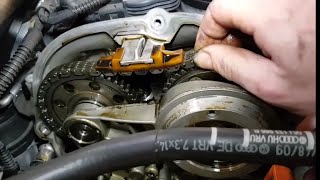
- Perform a visual inspection of the timing chain tensioner. Remove the black inspection plug (P/N 06H103485A) on the lower timing cover. Using a mirror and light, view the tensioner. If it is the old 'pin-style' tensioner (P/N 06H109467T), it should be replaced regardless of condition. If it is the newer 'ratchet-style' tensioner, count the number of ridges extended. If more than 6-7 ridges are visible, the chain is stretched and the entire timing set needs replacement.
- If the chain and tensioner are confirmed to be okay (less than 5 degrees of adaptation and few ridges showing), investigate the Camshaft Adjustment Control Valve (N205). Check for oil in the connector and test its function with a scan tool by observing specified vs. actual cam angle.
- Only after confirming mechanical timing is correct should you consider replacing the camshaft or crankshaft position sensors.
Parts You'll Likely Need

- Timing Chain Kit
(OEM #06K109158BSKT)— This is the most common fix. A complete kit ensures all worn components (chain, tensioner, guides, sprockets) are replaced at once to restore proper timing.
Trusted brands: INA, FCP Euro, Genuine VW/Audi
OEM price range: $500-$700
Aftermarket price range: $300-$500 - Updated Timing Chain Tensioner
(OEM #06K109467K (or superseding 06K109467P))— This is the single most critical component. If only replacing the tensioner, you must use the latest revision to prevent future failure. The old part number is 06H109467T.
Trusted brands: Genuine VW/Audi, INA
OEM price range: $70-$100
Aftermarket price range: $50-$80 - Camshaft Adjustment Control Valve (N205 Solenoid)
(OEM #06L109257F)— Can fail and cause timing control issues, though it's less common than chain stretch. Often replaced as a preventative measure during a timing job.
Trusted brands: Genuine VW/Audi, Pierburg
OEM price range: $120-$180
Aftermarket price range: $80-$130
Related Codes That Often Appear With This One
- P0011 — 'Camshaft Position 'A' - Timing Over-Advanced or System Performance (Bank 1)'. This code often appears with P0016 because the underlying timing problem affects the camshaft's ability to reach its target position.
- P0341 — 'Camshaft Position Sensor 'A' Circuit Range/Performance'. This indicates a problem with the signal from the camshaft sensor, which can be caused by the erratic movement of a loose timing chain.
- P0300, P0301, P0302, etc. — Random or specific cylinder misfire codes. Incorrect valve timing leads to inefficient combustion, causing the engine to misfire.
Technical Service Bulletins (TSBs) & Recalls
- VIN-4-A-PIN APRI (2015 ENGINE, dated 2016-04-21): Mentions that P0011 and/or P0016 can be present with other MIL-ON conditions.
- TSB 15-12-01 (2028302): Specifically addresses 'Engine Rattling Noises after Start, Engine Doesn't Start, Timing Chain Slipped' and lists P0016 as a primary DTC. It notes that incorrect timing chain tension may be due to the tensioner, potentially causing the chain to skip.
Platform-Specific Known Issues
- The primary issue for the 2012-2016 Passat with the EA888 engine is the factory-installed timing chain tensioner. An early design was prone to failure, leading to chain stretch and the P0016 code. Volkswagen issued a warranty extension for this component on some vehicles, but many are now outside the coverage period. It is critical to verify which tensioner is installed in the vehicle.
- The provided TSB (VIN-4-A-PIN APRI) from 2016 mentions P0016 as a possible fault on 2015 engines, confirming its relevance during this period.
Mechanic-Grade Diagnostic Values
- Camshaft Adjustment Control Valve (N205) internal resistance — expected: 10 - 18 Ω. Failure: A reading outside this range indicates a faulty solenoid.
- Camshaft Position Sensor (G40) supply voltage — expected: Approximately 5.0 V. Failure: No voltage or significantly lower voltage suggests a wiring or ECM issue.
- Camshaft Position Sensor (G40) ground connection check — expected: Approximately 12.6 V (Battery Voltage). Failure: A reading other than battery voltage indicates a poor ground connection.
- Engine oil pressure at warm idle (approx. 90°C oil temp) — expected: 0.5 - 0.6 bar (7 - 9 psi). Failure: Pressure significantly below this range can affect hydraulic tensioner and phaser operation.
- Engine oil pressure at 3000 RPM (warm) — expected: Approximately 3.5 bar (50 psi). Failure: Failure to build pressure indicates a problem with the oil pump or a significant internal leak.
Scan Tool Commands That Help
- VCDS / ODIS: Engine -> Basic Settings -> Camshaft Adjustment — To perform an output test on the N205 valve. The scan tool will command the phaser to advance and retard, and the technician can monitor the 'Actual' vs. 'Specified' angle in measuring blocks to see if the valve and phaser are responding correctly.
- VCDS / ODIS: Engine -> Meas. Blocks -> Group 093 — To check the 'Camshaft Adaptation (Phase Position)' value. This is the primary data point for diagnosing timing chain stretch. A value more negative than -5° indicates the ECM is compensating for significant slack in the chain.
Wiring & Ground Locations
- G40 Camshaft Position Sensor Connector — On the upper timing cover, near the top of the engine.. Wiring issues to this sensor can mimic a mechanical timing fault. Pin 1 is the 5V supply from the ECM, Pin 2 is the signal wire, and Pin 3 is the ground. Verifying voltage and ground at this connector is a key diagnostic step.
- Engine Ground Connections — Main ground straps are typically located between the engine block/transmission and the vehicle's chassis/frame rail.. A poor engine ground can cause erratic behavior from critical sensors like the crankshaft and camshaft position sensors, leading to correlation fault codes.
Real Owner Repair Stories
- Reddit user @rockking1379 (2014 Passat 1.8T) — User was proactively addressing the known timing chain tensioner issue.
✅ What actually fixed it The user had a shop perform a full timing service, replacing the timing chain, tensioner, and all guides at the same time. The engine was not removed for the service.
When the Usual Fixes Don't Work
- In at least one documented case involving a similar EA888 engine, a P0016 code with a significant cam phase deviation (12 degrees) persisted for a year even after a complete timing chain kit was installed. This indicates that simply replacing the chain and tensioner is not a guaranteed fix if the job is not performed perfectly (e.g., off by a tooth) or if other components, like the camshaft phaser itself, are faulty and were not replaced during the service.
OEM Part Supersession History
06H109257A→06H109257C, 06L109257F— Revisions to the Camshaft Adjustment Control Valve (N205) to improve reliability and performance.
Heads up: Always verify the correct part number for your specific engine code and model year. While later revisions are generally backward compatible, using the exact supersession is recommended.
Model Year Variations Within This Range
- 2012-2013: The primary engine in the 2012-2013 Passat NMS was the 2.5L 5-cylinder, not the 1.8T/2.0T EA888. While a P0016 is possible on that engine, the causes and fixes (which would involve its own timing chain system) are completely different from the well-known EA888 issues.
- 2014-2016: The 1.8T TSI engine was introduced for the 2014 model year, replacing the 2.5L. This was the EA888 Gen 3 engine. While it featured an improved timing chain tensioner design compared to earlier EA888 generations, it is still susceptible to timing chain stretch from low/dirty oil and has its own set of common problems, such as failing water pump/thermostat assemblies.
Helpful Videos

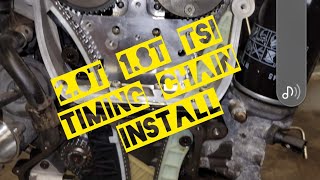
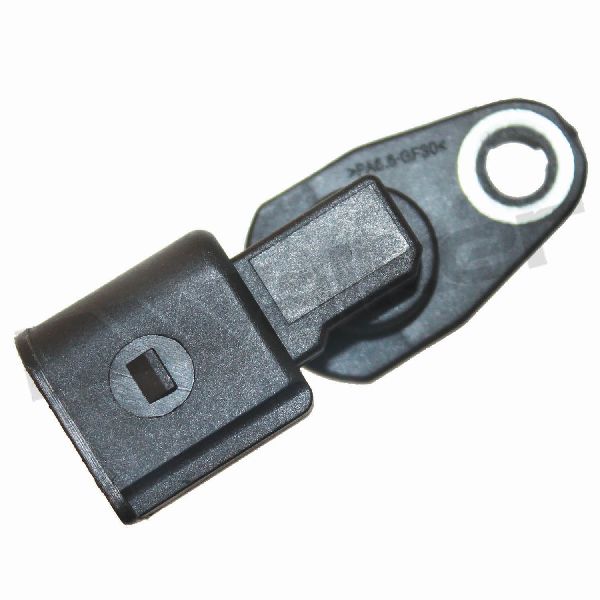
We Have This Part in Stock

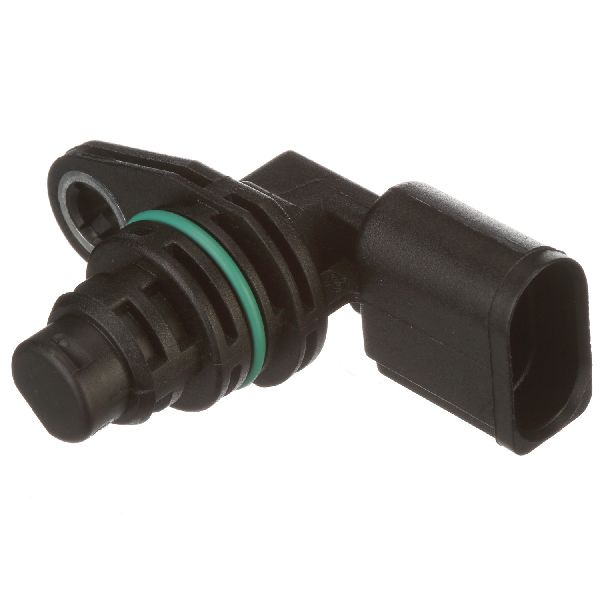
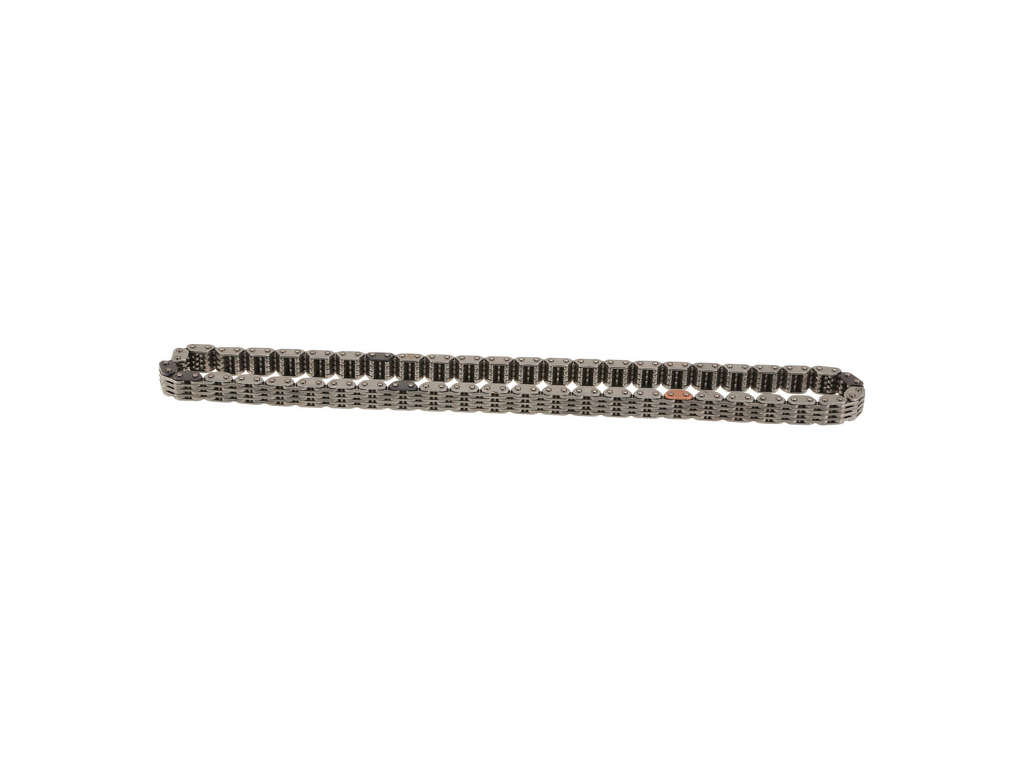
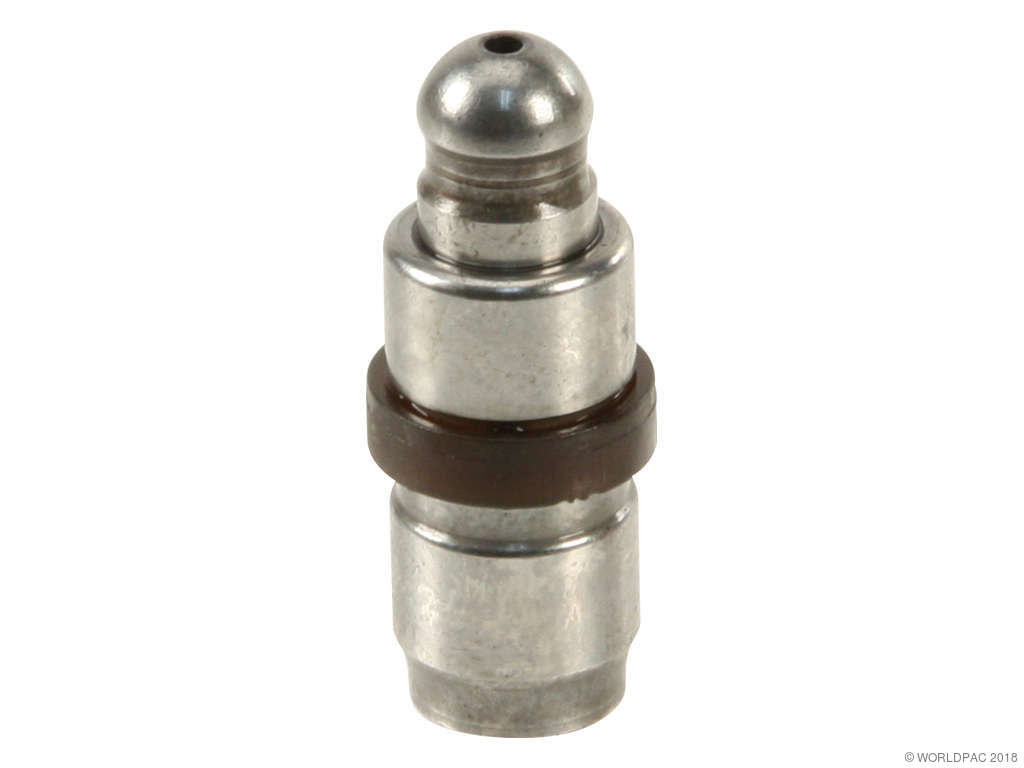

The information in this article is provided for general reference and educational purposes only. Vehicle specifications, procedures, and part compatibility can vary by production date, trim level, and region. Always consult your vehicle's factory service manual and verify part numbers before purchasing or performing repairs. Safety-critical components such as airbags, seat belts, and braking systems should be installed by a qualified professional.
- Volkswagen PASSAT:
- 🎬 Helpful Videos
- 🛍️ Shop This Part
- What's Unique About the 2012-2016 Volkswagen PASSAT
- Diagnostic Flowchart
- Symptoms You May Notice
- Most Likely Causes
- Rare But Worth Checking
- Diagnosis Steps
- Parts You'll Likely Need
- Related Codes That Often Appear With This One
- Technical Service Bulletins (TSBs) & Recalls
- Platform-Specific Known Issues
- Mechanic-Grade Diagnostic Values
- Scan Tool Commands That Help
- Wiring & Ground Locations
- Real Owner Repair Stories
- When the Usual Fixes Don't Work
- OEM Part Supersession History
- Model Year Variations Within This Range
- 🎟️ Get 5% Off