

P0016 on 2015-2016 VW Jetta: Crank/Cam Correlation Causes & Fixes
On a 2015-2016 Jetta with a TSI engine, P0016 almost always points to a mechanical timing issue. The most common cause is a stretched timing chain and/or a failed tensioner, a known issue for these engines. This is a serious repair that should not be delayed, as continued driving risks catastrophic engine failure.
- P0016 on a 2015-2016 Jetta indicates a serious mechanical timing issue and should be addressed immediately.
- The most likely cause is a stretched timing chain and/or failed tensioner, a known weak point on these engines.
- Do not simply replace the camshaft or crankshaft sensors; this is rarely the fix and will likely be a waste of money.
- Diagnosis should start with checking engine oil and using a scan tool to check camshaft adaptation values before proceeding to a physical inspection of the timing system.
- This is not a beginner-friendly DIY repair. Professional service is strongly recommended to avoid catastrophic engine damage.
What's Unique About the 2015-2016 Volkswagen JETTA

The 2015-2016 Jetta used several engines, most notably the 1.8T and 2.0T EA888 Gen 3 family and the 1.4T EA211. The EA888 engines, in particular, are well-known for issues with timing chain stretch and premature tensioner failure. While VW issued updated parts, many vehicles still have the original components which are prone to failure. The 1.4T engine uses a timing belt but can also suffer from P0016 due to a slipped belt, failed tensioner, or incorrect installation. 🎬 Watch: How a 1.4T timing chain jumps and causes P0016. Therefore, this code on a Jetta from this era is more likely to be a significant mechanical fault than a simple sensor issue, a common misdiagnosis.
Diagnostic Flowchart

Tap your situation to follow the diagnostic path that matches what you're seeing on this vehicle.
Symptoms You May Notice
- Check Engine Light is on
- EPC (Electronic Power Control) light may be on
- Engine rattling noise, often described as a 'death rattle', especially on cold startup for a few seconds
- Rough or unstable idle
- Poor acceleration and significant loss of power
- Engine stalling or hard starting (long crank time)
- Increased fuel consumption
- Engine misfires (may trigger codes like P0300, P0301, etc.)
- Replacing the camshaft position sensor (G40) or crankshaft position sensor (G28) without first investigating the timing chain system. This is the most common mistake and rarely solves the P0016 code on these engines, as the issue is typically mechanical timing, not a faulty sensor reading.
Most Likely Causes

- Stretched Timing Chain 🔴 High Probability A well-documented issue on the 1.8T and 2.0T EA888 engines. The chains can stretch over time due to normal wear, exacerbated by long oil change intervals or low oil quality, causing slack and incorrect timing.
How to confirm: A mechanic can use a scan tool (like VCDS or OBDeleven) to check 'Camshaft Adaptation Intake' in Measuring Block 93. A value greater (more negative) than -5.0 degrees is a strong indicator of significant chain stretch. A physical inspection via the tensioner inspection port can also reveal how far the tensioner has extended to compensate for slack.
Typical fix: Replacement of the timing chain, tensioner, and all related guides and sprockets with an updated kit.
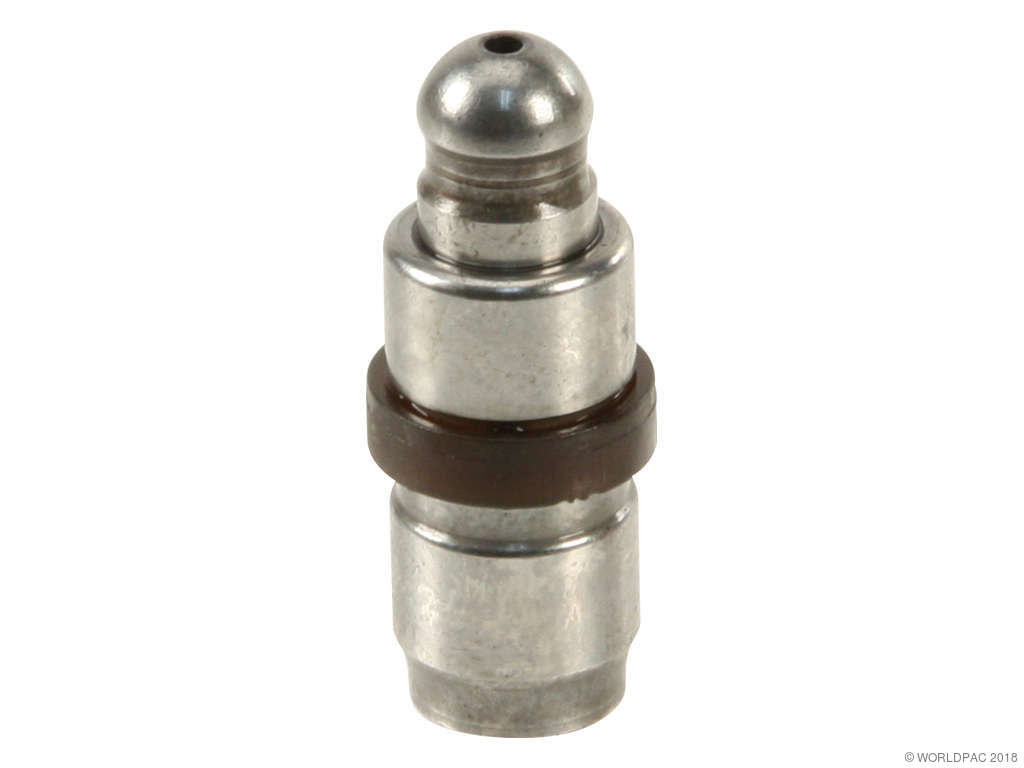
Est. part cost: $300-$600 for a full kit - Failed Timing Chain Tensioner 🔴 High Probability Early versions of the tensioner on EA888 engines were prone to premature failure, where they would lose hydraulic pressure or the locking mechanism would fail, allowing the chain to become dangerously slack, especially on startup.
How to confirm: Visual inspection through the inspection plug on the lower timing cover. If the tensioner has failed or is an older revision, it should be replaced. The extension of the tensioner's piston (number of visible ridges) indicates how much slack it's taking up; more than 5-6 ridges suggests a stretched chain.
Typical fix: Replacement of the tensioner with the latest OEM revision (e.g., part number 06K109467P or similar). It is highly recommended to replace the entire timing chain kit at the same time.
Est. part cost: $50-$100 for the tensioner, $300-$600 for a full kit - Low or Dirty Engine Oil 🟡 Medium Probability The variable valve timing (VVT) system, including the camshaft adjuster (phaser) and the chain tensioner, is operated by engine oil pressure. Low or sludgy oil can impede its function, clog passages, and cause timing correlation faults.
How to confirm: Check the oil level on the dipstick and inspect the oil's condition. If it's low, excessively black, or sludgy, this could be a contributing factor or the primary cause.
Typical fix: Perform an engine oil and filter change using the correct VW-spec synthetic oil (e.g., VW 502 00). If sludge is present, an engine flush may be needed, but this should be done with caution.
Est. part cost: $50-$100 - Faulty Camshaft Adjuster Magnet (VVT Solenoid) 🟡 Medium Probability This solenoid, also known as the N205 valve, controls the oil flow to the camshaft phaser. If it becomes clogged with debris or fails electronically, it can't adjust timing correctly, leading to a correlation error.
How to confirm: Can be tested with a scan tool to command it on and off while observing engine operation. It can also be removed, cleaned, and tested for resistance and physical operation.
Typical fix: Replacement of the camshaft adjuster magnet. Part number has been revised multiple times; a common version is 06L109259D.
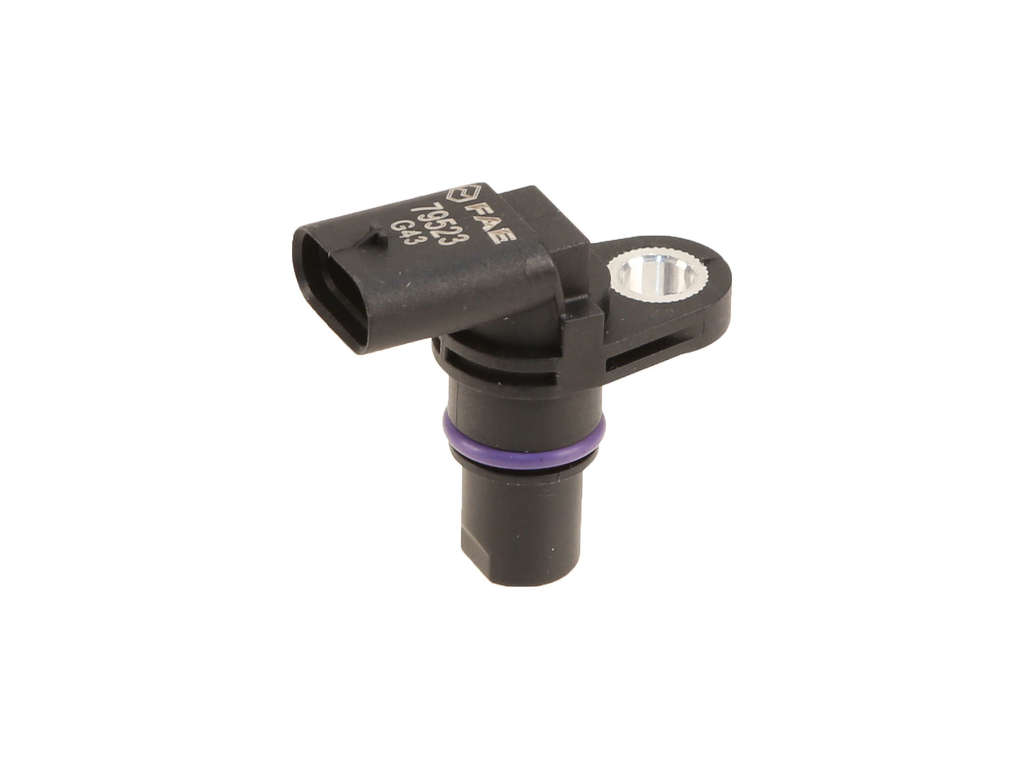
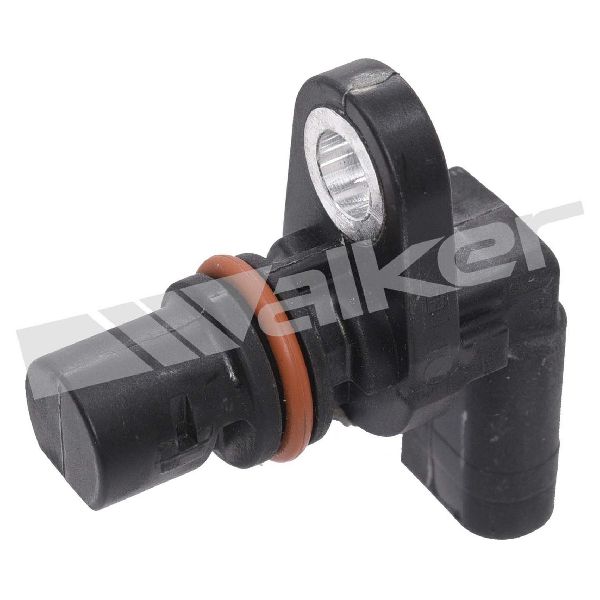
Est. part cost: $40-$120 - Failed Camshaft or Crankshaft Position Sensor ⚪ Low Probability While possible, sensor failure is far less common than the mechanical timing components on these engines. The code indicates a *correlation* problem, not necessarily a sensor circuit fault. Replacing sensors is a frequent misdiagnosis.
How to confirm: Use an oscilloscope to analyze the sensor's waveform for dropouts or incorrect signals. A scan tool may also show erratic RPM readings if a sensor is failing.
Typical fix: Replacement of the faulty sensor (Cam: G40, Crank: G28).
Est. part cost: $30-$90
Rare But Worth Checking
- Torn Strainer Screen in Camshaft Bearing Bracket (Cam Bridge): A known issue covered by VW Technical Service Bulletin 01-17-04 (2046377). A small oil screen on the camshaft bridge can tear or dislodge, sending debris into oil passages. This debris can clog the VVT solenoid or camshaft adjuster, causing a P0016 code. The TSB recommends removing the screen if found.
- Slipped or Damaged Timing Reluctor Wheel: The reluctor wheel (or tone ring) on the crankshaft that the sensor reads can become damaged or, in rare cases, slip its position. This causes the sensor to send incorrect signals to the ECM even if the mechanical timing is perfect.
- Worn Camshaft Bearing Bridge Thrust Surface: Per TSB 01-17-04, excessive end play (>0.2mm) on the intake camshaft due to a worn thrust surface on the bearing bridge can also trigger P0016. The fix is to replace the bridge with an improved part (06H 103 144 K).
Diagnosis Steps

- Verify engine oil level and condition. An oil change with VW 502 00 spec oil is a cheap first step if the oil is old or low.
- Use a professional scan tool (VCDS, OBDeleven) to read fault codes and view live data. Check Measuring Block 93 for 'Camshaft Adaptation Intake'. A value more negative than -5.0° strongly indicates a stretched timing chain.
- Listen for a distinct rattling noise from the timing chain area (passenger side of the engine) during a cold start. This 'startup rattle' is a classic sign of a failing tensioner.
- Visually inspect the timing chain tensioner through the green or black inspection plug on the lower timing cover. Use a mirror and light. Check the tensioner style (old vs. updated) and how many ridges are visible on the tensioner's piston. If more than 5-6 ridges are showing, the chain is stretched and replacement is imminent.
- If the chain and tensioner appear okay, test the operation of the camshaft adjuster magnet (VVT solenoid) using the scan tool's output tests.
- As a lower probability step, test the camshaft and crankshaft position sensors and their wiring. An oscilloscope is the best tool for verifying a clean, consistent signal.
- If the cause is still not found, inspect the camshaft bearing bridge for a torn or missing oil screen, per VW TSB 01-17-04.
Parts You'll Likely Need

- Timing Chain Kit
(OEM #06K109158BJ (Chain), 06K109467P (Tensioner). Kits often sold under one part number like INA 5590196530.)— This is the most common and complete fix. A full kit ensures all wear items (chain, tensioner, guides, seals, and one-time-use bolts) are replaced with updated parts to prevent a recurrence.
Trusted brands: INA (OEM), Iwis, FCP Euro (Kit), New German Performance (Kit)
OEM price range: $400-$600
Aftermarket price range: $250-$400 - Camshaft Adjuster Magnet (VVT Solenoid)
(OEM #06L109259D (latest revision may vary))— A common point of failure that can cause timing correlation issues when it gets clogged or fails electronically. It's often replaced alongside a timing job or as a standalone diagnostic step.
Related Codes That Often Appear With This One
- P0011 — Camshaft Position 'A' - Timing Over-Advanced or System Performance (Bank 1). This code is often seen with P0016 as both relate to incorrect intake camshaft timing. The provided TSBs from NHTSA list both codes together. [9, Bulletin #TB011603, Bulletin #VIN-4-A-PIN APRI]
- P0341 — Camshaft Position Sensor 'A' Circuit Range/Performance. This code points more directly to a potential issue with the sensor or its circuit, but can also appear alongside P0016 if the timing is off enough to create an implausible signal for the ECM.
- P0300, P0301, P0302, P0303, P0304 — Random or specific cylinder misfire codes. When valve timing is incorrect, it leads to poor combustion, which the ECM detects as misfires.
Technical Service Bulletins (TSBs) & Recalls
- Bulletin #TB011603 (NHTSA ID: 10081907): Dated Feb 17, 2016. Mentions 'MIL on camshaft position faults P0011 and/or P0016 stored in fault memory.' This TSB points to an issue with the camshaft bearing bracket strainer screen tearing.
- Bulletin #VIN-4-A-PIN APRI (NHTSA ID: 10081907): Dated April 21, 2016. A general bulletin listing multiple potential faults, including 'MIL-ON, FAULT P0011 AND/OR P0016 IN THE ECM'.
- VW TSB 01-17-04 (2046377): Dated Feb 27, 2017. Specifically addresses P0016 on 2.0T engines caused by a worn intake camshaft bearing bridge thrust surface, leading to excessive camshaft end play. It provides a specific measurement (>0.2mm) and part number for the fix (06H 103 144 K).
Platform-Specific Known Issues
- Timing Chain Tensioner Failure: As noted in multiple forums, the original tensioner design on EA888 engines is a known failure point. A user on Reddit noted, 'The tensioner problem wouldn't be a problem if it wasn't for the timing chain stretch. The tensioner can't lock out to take up the extra slack from the elongation of the chain.' This highlights the combined nature of the failure.
- Camshaft Bridge Screen Debris: A technician on the Auto-Bon blog details how the oil screen on the camshaft bridge disintegrates, sending metal fragments through oil passages. This can starve the camshaft adjuster of oil or jam the VVT solenoid, directly causing a P0016 code. This is often misdiagnosed as a failed chain or solenoid itself.
- Owner Experience with Misdiagnosis: On GOLFMK7.com, a user with a 2015 GTI at 56k miles reported getting P0016 and P0341. They replaced the Camshaft Position Sensor, but the code returned after 50 miles, demonstrating the common pitfall of replacing sensors first.
Mechanic-Grade Diagnostic Values
- Camshaft Position (CMP) Sensor (G40) Supply Voltage — expected: Approximately 5.0 V. Failure: Voltage is not present or significantly lower than 5.0 V. If voltage is absent but wiring is confirmed good, the ECM may be at fault.
- Camshaft Position (CMP) Sensor (G40) Wiring Resistance — expected: Max. 1.5 Ohms. Failure: Resistance is higher than 1.5 Ohms, indicating a problem in the wiring harness between the sensor and the ECM.
- Camshaft Adjuster Magnet (N205 Solenoid) Internal Resistance — expected: 10 - 18 Ω. Failure: Resistance is outside of this range, indicating a faulty solenoid.
- Camshaft Adjuster Magnet (N205 Solenoid) Supply Voltage — expected: Battery Voltage. Failure: Voltage is not present, indicating a wiring or fuse issue before the solenoid.
- VCDS Measuring Block 091 - Camshaft Adjustment — expected: Actual adjustment should closely match the specified (desired) value at idle (e.g., both around 28°).. Failure: A large discrepancy between the specified and actual values (e.g., specified 6.3°, actual 28°) points to a mechanical timing or VVT system failure.
Scan Tool Commands That Help
- ODIS (VW Dealer Tool): Test Plan for N205 - Camshaft adjustment valve 1 — To perform a guided function test that activates the N205 solenoid. The technician listens for an audible 'click' to confirm the valve, its wiring, and the ECM control are functioning. If no click is heard, it prompts further guided fault finding.
- VCDS (Ross-Tech): Engine -> Measuring Blocks -> Group 093 — To check 'Camshaft Adaptation Intake'. A value more negative than -5.0° is a strong indicator of a stretched timing chain. This is a primary check before any physical teardown.
- VCDS (Ross-Tech): Engine -> Basic Settings -> Group (Varies) — After replacing timing components or the N205 valve, a camshaft adaptation may need to be performed to allow the ECM to relearn the new positions and clear adaptation values.
- VCDS (Ross-Tech): Engine -> Adv. Measuring Values — For modern UDS protocol controllers where Measuring Blocks are unavailable, this function must be used to view live data like camshaft adaptation.
Wiring & Ground Locations
- Ground Point 2 — On the transmission, near the engine block.. This is the main ground connection from the battery to the engine/transmission assembly. A poor connection here can cause a host of intermittent electrical issues and sensor reading problems, potentially contributing to correlation faults.
Real Owner Repair Stories
- Reddit user in r/jetta (2014 Jetta 2.0L non-turbo) — CEL with P0016 and an extended crank time (takes longer to start).
❌ Tried (didn't work) Replacing the camshaft position sensor (this was done by a mechanic and *caused* the P0016 code to appear)., Clearing the code (it would return on the next startup).
✅ What actually fixed it The timing belt was off by one tooth, likely from the previous camshaft sensor replacement. A different person re-did the timing belt job correctly, which resolved both the long crank and the P0016 code. - Ross-Tech Forums user (2015 VW Passat TDI (Diesel)) — Flashing glow plug light, MIL on, P0016 stored. Engine ran perfectly otherwise.
❌ Tried (didn't work) Replacing the N205 solenoid., Visual inspection of sensors.
✅ What actually fixed it The issue was resolved by replacing the control valve in the camshaft positioner (Part Number: 03L 906 455 C), which is an updated design. The timing belt itself was found to be correctly timed, ruling out a stretch or slip.
OEM Part Supersession History
06H109467 (and various letter revisions)→06K109467P (or similar 06K revision)— The original tensioner design was prone to premature failure of its locking mechanism, allowing the timing chain to go slack. The updated '06K' version features a stronger, more reliable design to prevent this failure.06H 103 144 J (Camshaft Bearing Bridge)→06H 103 144 K— The 'K' version is an improved part with a 50% larger thrust surface to prevent the excessive camshaft end play that can trigger P0016.
Heads up: TSB 2046377 explicitly warns not to use the 'J' part for this repair.
Helpful Videos
We Have This Part in Stock


The information in this article is provided for general reference and educational purposes only. Vehicle specifications, procedures, and part compatibility can vary by production date, trim level, and region. Always consult your vehicle's factory service manual and verify part numbers before purchasing or performing repairs. Safety-critical components such as airbags, seat belts, and braking systems should be installed by a qualified professional.
- Volkswagen JETTA:
- 🎬 Helpful Videos
- 🛍️ Shop This Part
- What's Unique About the 2015-2016 Volkswagen JETTA
- Diagnostic Flowchart
- Symptoms You May Notice
- Most Likely Causes
- Rare But Worth Checking
- Diagnosis Steps
- Parts You'll Likely Need
- Related Codes That Often Appear With This One
- Technical Service Bulletins (TSBs) & Recalls
- Platform-Specific Known Issues
- Mechanic-Grade Diagnostic Values
- Scan Tool Commands That Help
- Wiring & Ground Locations
- Real Owner Repair Stories
- OEM Part Supersession History
- 🎟️ Get 5% Off