

P0016 on 2015-2016 VW Golf: Crank/Cam Correlation Causes & Fixes
P0016 on a 2015-2016 VW Golf indicates a timing misalignment between the crankshaft and intake camshaft. This is a serious fault, often caused by a stretched timing chain, a failed tensioner, or issues within the VVT system like a clogged camshaft bridge screen. Do not drive the vehicle and seek professional diagnosis immediately, as continued operation risks catastrophic engine damage from pistons colliding with valves.
- P0016 is a critical code for your Golf. Stop driving immediately to prevent potentially catastrophic engine damage.
- The most likely cause is a mechanical timing issue, such as a stretched timing chain or failed tensioner, not a simple sensor failure.
- Always start diagnosis by checking engine oil level and condition, as low or dirty oil can affect the VVT system.
- This is not a recommended DIY repair. The job requires special tools and expertise to avoid causing severe engine damage.
- Do not replace the camshaft or crankshaft sensors unless they have been specifically tested and proven to be faulty.
What's Unique About the 2015-2016 Volkswagen GOLF

The 2015-2016 Golf uses the Gen 3 version of the EA888 engine. While earlier generations of this engine were notorious for timing chain tensioner failures, the Gen 3 design was significantly updated and is considered more robust. However, timing chain stretch can still occur, especially at higher mileage (over 80,000-100,000 miles). A more unique failure point on this platform leading to P0016 is the potential for the strainer screen in the camshaft bearing bracket to tear, sending debris into oil passages and causing the VVT system to malfunction. Therefore, P0016 is a critical code that often points to a mechanical fault rather than a simple sensor failure.
Diagnostic Flowchart
Tap your situation to follow the diagnostic path that matches what you're seeing on this vehicle.
Symptoms You May Notice
- Check Engine Light (CEL) is on
- EPC (Electronic Power Control) light may be on
- Engine is hard to start or has a long crank time
- Rough or unstable idle, sometimes described as a "fish bite"
- Reduced engine power and performance, feeling "flat" in the upper RPM range
- Rattling noise from the engine, especially on startup or when decelerating off-throttle
- Decreased fuel economy
- Engine misfires, especially at idle
- Replacing the camshaft position sensor (G40) or crankshaft position sensor (G28) without first verifying the engine's mechanical timing via scan tool (cam phase adaptation) or physical inspection.
- Replacing the timing chain and tensioner without inspecting the camshaft bridge screen and spool valve, leading to a return of the code if debris was the root cause.
Most Likely Causes

- Stretched Timing Chain or Failed Tensioner 🔴 High Probability While the Gen 3 tensioner is an updated design, the timing chain itself can still stretch over time with mileage and wear. This is the most common cause of P0016 on higher-mileage (80k+) EA888.3 engines. The tensioner is hydraulic and relies on clean oil and proper pressure to function.
How to confirm: A mechanic can check the timing chain tensioner extension through a small inspection port on the lower timing cover. 🎬 Watch: How to perform this DIY timing chain stretch test. If the tensioner is extended past multiple ridges (e.g., more than 6-7mm), the chain is stretched. A more definitive check is using a VW-specific scan tool (VCDS/OBDeleven) to read the camshaft adaptation value (phase position). A deviation greater than +/- 5 degrees at warm idle strongly indicates a stretched chain.
Typical fix: Replacement of the timing chain, tensioner, and all related guides and slide rails. This is a labor-intensive job requiring specialized tools.
Est. part cost: $300-$600 for a full kit - Torn Camshaft Bridge Screen / Faulty Spool Valve 🟡 Medium Probability A known issue on this engine is the oil strainer screen located in the camshaft bearing bracket (or 'bridge') can tear. Debris from the screen can travel through oil passages and clog the fine channels in the VVT solenoid or the central spool valve it actuates, causing timing correlation faults even if the chain is mechanically sound.
How to confirm: After removing the VVT solenoid (N205), the central spool valve can be inspected. If it is stuck or debris is visible, this is a likely cause. The camshaft bridge must be removed to inspect the screen itself. 🎬 See how to remove the bridge and inspect the screen. A VW Technical Service Bulletin (TSB 15 17 02 / 2045454) specifically addresses this issue.
Typical fix: If the screen has failed, the camshaft bridge, VVT solenoid (N205), and spool valve are often replaced as a set to prevent repeat contamination. The oil and filter must be changed.
Est. part cost: $150-$300 for the bridge, valve, and solenoid - Faulty Camshaft Adjuster Magnet (VVT Solenoid / N205) 🟡 Medium Probability The VVT solenoid (N205) controls oil flow to the camshaft phaser. It can fail electronically or become clogged with sludge or debris (often from a failed cam bridge screen), preventing the camshaft from adjusting correctly.
How to confirm: A technician can command the solenoid on and off with a scan tool while observing camshaft angle data. The solenoid can also be removed, cleaned, and tested for mechanical operation by applying voltage. Inspect the central pin; if it has popped out, the valve has failed.
Typical fix: Replacement of the Camshaft Adjuster Magnet. It is located on the upper timing cover and is accessible after removing three T30 bolts.
Est. part cost: $40-$120 - Low or Dirty Engine Oil ⚪ Low Probability The entire VVT system is operated by engine oil pressure. Incorrect oil viscosity, a low oil level, or oil sludge from extended drain intervals can impede the function of the tensioner and cam phasers, potentially triggering a correlation code.
How to confirm: Check the oil level and condition on the dipstick. Review the vehicle's service history for regular oil changes using oil that meets VW 502 00 specification.
Typical fix: Perform an oil and filter change with the correct specification oil. In some cases of suspected sludge, performing several short-interval oil changes may help clean passages.
Est. part cost: $60-$120 - Faulty Camshaft or Crankshaft Position Sensor ⚪ Low Probability While possible, a sensor failure is an uncommon cause for P0016 on this platform. The ECM is usually effective at setting a specific sensor circuit fault (like P0341) if a sensor fails outright. P0016 points to a *correlation* issue, which is more often mechanical.
How to confirm: Diagnose by scoping the sensor signals to verify a clean waveform. Swapping sensors is a less reliable diagnostic method. Replacing sensors without first confirming mechanical timing and VVT system health is a very common and costly misdiagnosis.
Typical fix: Replace the faulty sensor.
Est. part cost: $30-$90 per sensor
Rare But Worth Checking
- Slipped Crankshaft Timing Gear/Reluctor Ring: On some VW engines, the keyway on the crankshaft pulley can wear, or the reluctor ring can slip, causing a slight change in the crankshaft's reported position and triggering the P0016 code. This is less common on the EA888 but possible.
- Incorrect Timing After Previous Repair: If a timing belt or chain service was recently performed, the code may indicate the timing was set incorrectly, for example, being off by one tooth on the camshaft sprocket.
Diagnosis Steps

- Verify the engine oil level and condition. Ensure the correct VW 502 00 specification oil is being used.
- Use a VW-compatible scan tool (like VCDS or OBDeleven) to read fault codes and check live data for 'Camshaft Adaptation' or 'Phase Position' (e.g., Measuring Block 93 or PID IDE00182). A value exceeding +/- 5 degrees at warm idle strongly suggests a mechanical timing issue.
- Inspect the timing chain tensioner through the inspection plug on the lower timing cover. Using a mirror and light, observe the extension of the tensioner's piston. If more than 6-7mm or several ridges are visible, the chain is stretched and requires replacement.
- Test the Camshaft Adjuster Magnet (VVT solenoid/N205). Command it with a scan tool and check for a response in camshaft angle. Remove it (3x T30 bolts) and inspect for debris and a stuck central spool valve.
- If the VVT solenoid and spool valve appear functional, inspect the camshaft bridge for a torn oil screen, as per TSB 2045454. This is a more involved step.
- If all VVT components are clear, perform a full mechanical timing check. This requires removing the timing covers to physically verify that all timing marks on the crank, cams, and balance shafts align perfectly per the service manual.
- As a final step, test the camshaft and crankshaft position sensors and their wiring, preferably with an oscilloscope to analyze their waveform patterns for dropouts or noise.
Parts You'll Likely Need

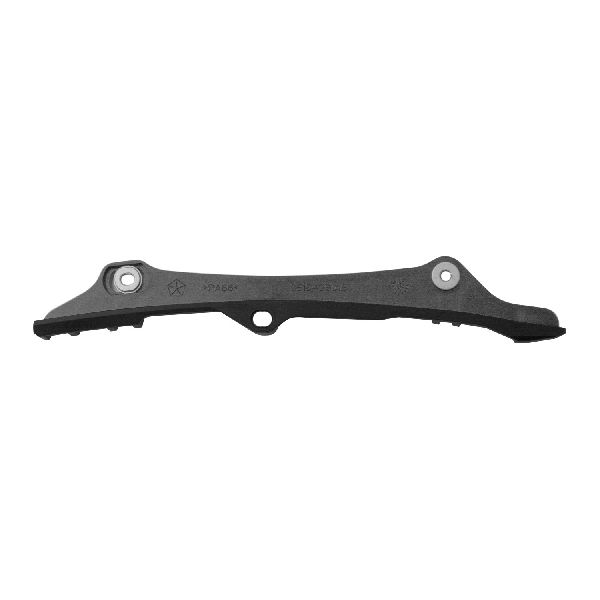
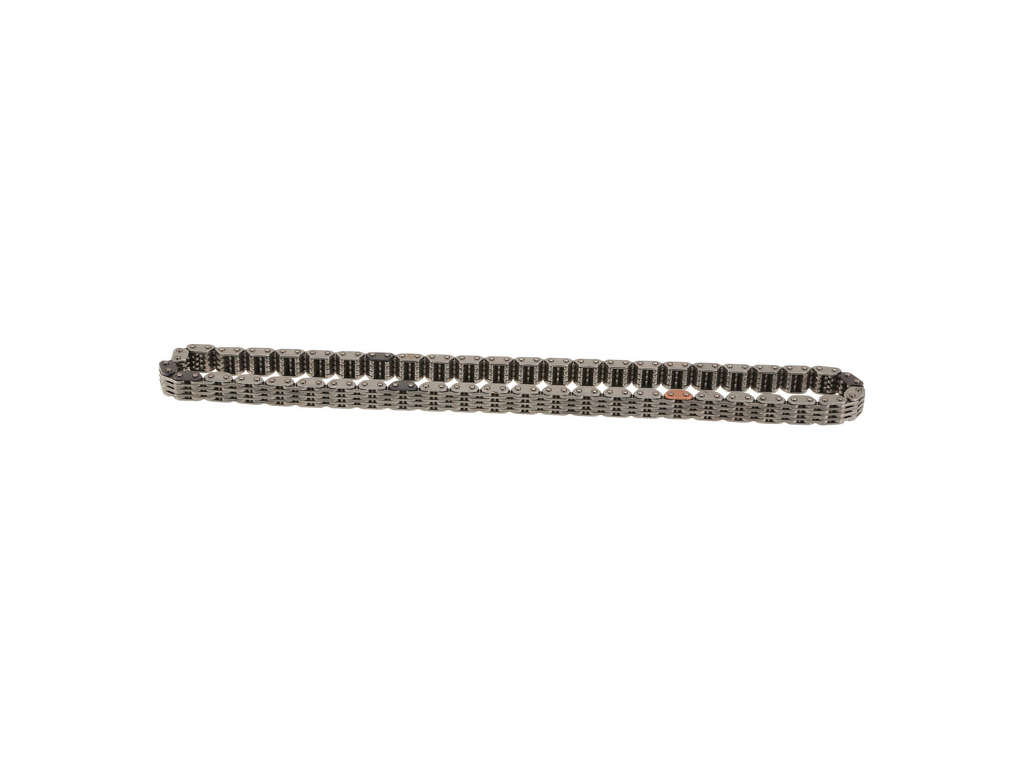
- Timing Chain Kit
(OEM #06K109158BE (Chain), 06K109467K (Tensioner))— This is the most common fix for higher mileage vehicles, as the code is often triggered by a stretched chain. A complete kit includes the chain, the latest revision tensioner, and all plastic guides.
Trusted brands: Iwis, INA, Febi Bilstein
OEM price range: $400-$600
Aftermarket price range: $250-$400 - Camshaft Adjuster Magnet (VVT Solenoid)
(OEM #06L109259D)— If the timing chain is confirmed to be okay, a faulty or clogged VVT solenoid is a likely culprit, as it directly controls camshaft phasing.
Trusted brands: Bosch, Pierburg, OEM Volkswagen
OEM price range: $70-$120
Aftermarket price range: $40-$80 - Camshaft Bridge / Bearing Bracket
(OEM #06H103144K (example, verify by VIN))— Replaced if the integrated oil screen is found to be torn, which is a known failure mode leading to VVT issues and P0016.
Trusted brands: OEM Volkswagen
OEM price range: $120-$200
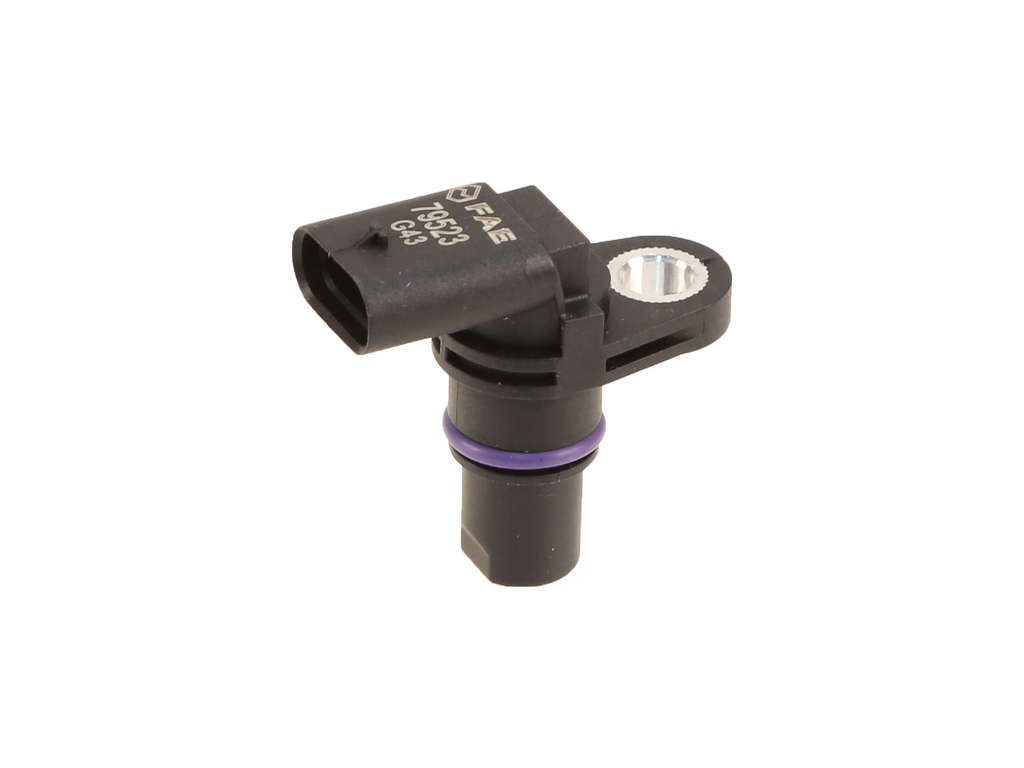
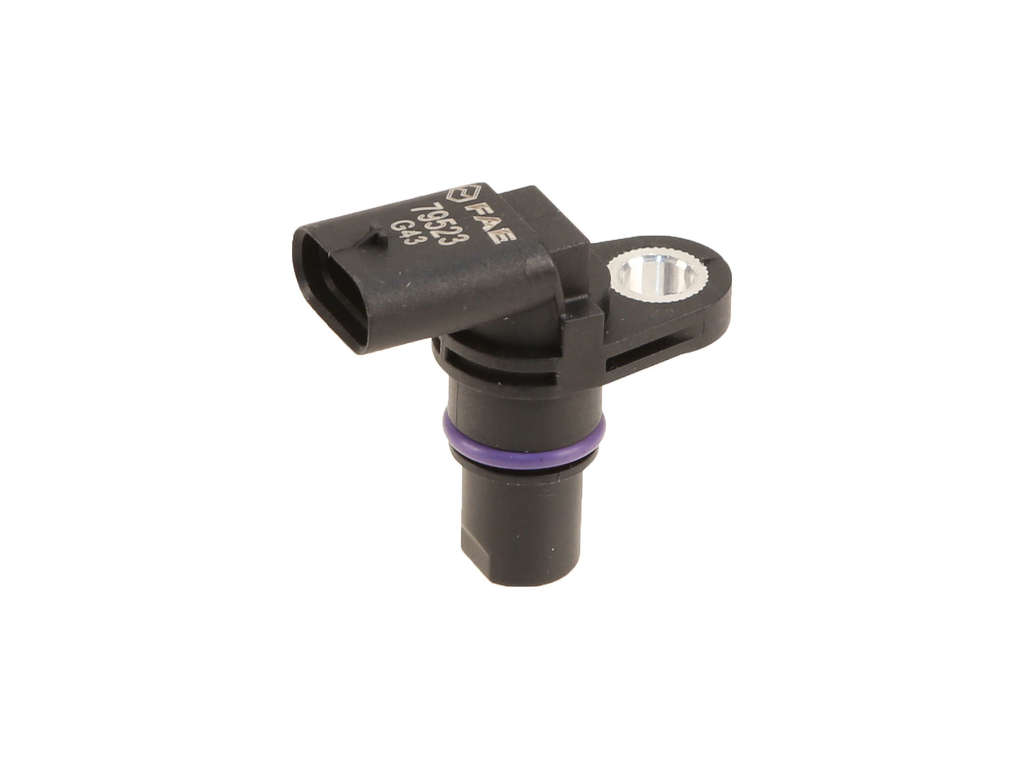
Aftermarket price range: $80-$150 - Camshaft Position Sensor
(OEM #06L905163C)— Replaced only when confirmed faulty through testing. It is not the most common cause of a P0016 code alone and is a frequent misdiagnosis.
Trusted brands: Bosch, Hella, NTK
OEM price range: $60-$100
Aftermarket price range: $30-$70
Related Codes That Often Appear With This One
- P0011 — P0011 indicates 'A' Camshaft Position - Timing Over-Advanced (Bank 1). Both P0011 and P0016 are mentioned together in VW Technical Service Bulletins and forum posts, as they share root causes related to VVT control and timing chain stretch.
- P0341 — This code points to a Camshaft Position Sensor 'A' Circuit Range/Performance issue. It frequently appears with P0016 because a large mechanical timing deviation can cause a signal that the ECM deems erratic or out of its expected performance range.
- P0300, P0301, P0302, P0303, P0304 — Random or specific cylinder misfire codes can be triggered by incorrect cam timing, as it disrupts the proper sequence of intake, compression, power, and exhaust strokes.
Technical Service Bulletins (TSBs) & Recalls
- VIN-4-A-PIN APRI (2016-04-21): Mentions P0016 as a possible fault.
- TB011603 / 01-16-03 (2016-02-17): Mentions P0011 and/or P0016 as a cause for MIL on.
- TSB 2045454 / 15-17-02: Specifically identifies a torn strainer screen in the camshaft bearing bracket as a cause for P0016.
Platform-Specific Known Issues
- Volkswagen issued Technical Service Bulletin (TSB) 2045454 (also listed as 15-17-02) which addresses P0016. It points to a torn strainer screen in the camshaft bearing bracket as a possible cause of camshaft adjuster issues.
- A broader TSB, #VIN-4-A-PIN APRI, for 2016 models also lists 'FAULT P0011 AND/OR P0016 IN THE ECM' as a potential issue requiring investigation.
- TSB TB011603 (also 01-16-03) for the 2015 model year specifically mentions that the 'MIL on' can be caused by camshaft position faults P0011 and/or P0016 being stored in memory.
Mechanic-Grade Diagnostic Values
- Camshaft Adjuster Magnet (N205) resistance — expected: 5-8 Ohms. Failure: A reading significantly outside this range indicates a failed solenoid coil.
- Camshaft Position Sensor (G40) Pin 1 Voltage (Key On, Engine Off) — expected: Approx. 5V (Reference Voltage). Failure: No voltage or significantly lower voltage points to a wiring or ECM issue.
- Camshaft Position Sensor (G40) Pin 3 Voltage (Key On, Engine Off) — expected: Less than 0.1V (Ground). Failure: Voltage significantly above 0.1V indicates a poor ground connection.
- VCDS Camshaft Adaptation Phase Position (IDE00182 or Measuring Block 93) — expected: -4° to +4° at warm idle. Failure: A value of +/- 5° or greater strongly indicates a stretched timing chain or other mechanical timing issue.
Scan Tool Commands That Help
- VCDS (VAG-COM): Basic Settings: "Timing chain elongation: correction after other work" (IDE06717) — This function should be run after replacing the timing chain or performing other major timing system repairs to allow the ECM to re-learn the baseline timing parameters.
- VCDS (VAG-COM): Output Test (VVT System) — To functionally test the N205 solenoid. The scan tool will command the solenoid to actuate, and the technician can observe the 'actual' vs 'specified' camshaft angle to see if the phaser is responding correctly.
Wiring & Ground Locations
- G40 Camshaft Position Sensor — Located on the upper timing chain cover, near the VVT solenoid.. This sensor provides the primary signal for intake camshaft position. A fault in its wiring or connector can directly cause a P0016 code.
- G28 Crankshaft Position Sensor — Located on the lower engine block, reading the reluctor wheel on the crankshaft.. This sensor provides the crankshaft position signal that is correlated against the G40 signal. A wiring fault here can cause a correlation error.
- Engine Sensor Ground — A primary engine ground point with multiple brown wires is located on the bulkhead/firewall, above and behind the battery. Another key ground point is on the cylinder head.. A poor ground connection for the ECM or the sensors themselves can introduce electrical noise or voltage offsets, causing the ECM to misinterpret the sensor signals and falsely trigger a correlation code.
Real Owner Repair Stories
- golfmk7.com forum user (2015 VW GTI (2.0T EA888.3)) — P0016 and P0011 codes, rough idle.
❌ Tried (didn't work) Replaced timing chain, tensioner, and guides.
✅ What actually fixed it The camshaft bridge (bearing bracket) was replaced. The original bridge's oil screen had failed, sending debris to the spool valve and VVT system, causing the timing correlation fault even with a new chain. - reddit.com/r/MechanicAdvice user (VW Golf R (2.0T EA888.3)) — P0016 Check Engine Light.
❌ Tried (didn't work) Replaced the N205 VVT solenoid.
✅ What actually fixed it A diagnosis at the dealer confirmed the timing chain had stretched. A full timing service including the chain, guides, and tensioner resolved the code. - vwvortex.com forum user (2015 GTI (2.0T EA888.3) at 85,000 miles) — P0016 code, camshaft phase angle measured at -8 degrees via VCDS.
✅ What actually fixed it The shop replaced the timing chain, tensioner, guides, crankshaft sprocket, and the N205 VVT solenoid. This comprehensive repair fixed the -8 degree deviation and cleared the code.
OEM Part Supersession History
06L103144F→06L103144H (and others like G, K)— Updated design with a more robust oil screen to prevent tearing and debris contamination of the VVT system.06L109259A→06L109259D, 06L109259E— Internal revisions to the VVT solenoid (Camshaft Adjuster Magnet) for improved reliability and performance.
Heads up: While newer revisions are preferred, older ones may still function if not failed. It is best practice to use the latest available part number.Older revisions (e.g., 06K109467P)→06K109467K— Updated timing chain tensioner design for improved longevity and prevention of premature failure, an issue on earlier EA888 generations.
Heads up: Always use the latest revision (06K109467K) when performing a timing service on a Gen 3 engine.
Model Year Variations Within This Range
- 2015-2016: There were no significant mechanical changes to the EA888 Gen 3 engine within this specific model year range that would alter the common causes or diagnostic procedures for a P0016 code. The platform was consistent regarding the timing system and VVT components.
Helpful Videos
We Have This Part in Stock


The information in this article is provided for general reference and educational purposes only. Vehicle specifications, procedures, and part compatibility can vary by production date, trim level, and region. Always consult your vehicle's factory service manual and verify part numbers before purchasing or performing repairs. Safety-critical components such as airbags, seat belts, and braking systems should be installed by a qualified professional.
- Volkswagen GOLF:
- 🎬 Helpful Videos
- 🛍️ Shop This Part
- What's Unique About the 2015-2016 Volkswagen GOLF
- Diagnostic Flowchart
- Symptoms You May Notice
- Most Likely Causes
- Rare But Worth Checking
- Diagnosis Steps
- Parts You'll Likely Need
- Related Codes That Often Appear With This One
- Technical Service Bulletins (TSBs) & Recalls
- Platform-Specific Known Issues
- Mechanic-Grade Diagnostic Values
- Scan Tool Commands That Help
- Wiring & Ground Locations
- Real Owner Repair Stories
- OEM Part Supersession History
- Model Year Variations Within This Range
- 🎟️ Get 5% Off