

P0016 on 2007-2013 Mini Cooper (Base): Causes and Fixes for Crank/Cam Correlation
P0016 on a 2007-2013 Mini Cooper Base almost always means the timing chain system has failed. This is a very common and serious issue known as the 'death rattle.' Expect a repair cost of $1,200-$2,500 for a full timing chain replacement, which is the most likely fix. Do not drive the vehicle until it is repaired to avoid catastrophic engine failure.
- P0016 on a 2007-2013 Mini Cooper Base is a serious code that should be addressed immediately to avoid catastrophic engine failure.
- The most likely cause is a failing timing chain system (stretched chain, bad tensioner, broken guides), a very common issue on this engine.
- Always check the engine oil level and condition first. Low or dirty oil is a major contributing factor.
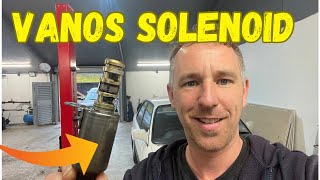
- A simpler potential fix is a faulty VANOS solenoid. Swapping the intake and exhaust solenoids is a key diagnostic step.
- Do not simply replace the cam or crank sensors; a full mechanical timing inspection is almost always required to find the true root cause.
What's Unique About the 2007-2013 Mini Cooper (Base)

The second-generation Mini Cooper's 'Prince' engine (N12/N16) is infamous for premature timing chain failure. A combination of a weak original timing chain tensioner design that relies on oil pressure, plastic guide rails that become brittle with age, and a tendency for the chain to stretch makes these engines highly susceptible to the exact timing deviation that triggers a P0016 code. This issue is so common that the resulting noise is widely known among owners and technicians as the 'death rattle.' While the issue is most famous on the turbocharged N14 engine, the naturally-aspirated N12 and N16 engines use a similar timing assembly and are also affected.
Generation note: This guide covers the second-generation (R56) Mini Cooper. Within this generation, the engine was updated from the N12 to the N16 around 2011. Both engines are part of the 'Prince' family and are known to suffer from the same timing chain-related issues that cause code P0016, though the N16 has some revisions, including a different oil pump design. The timing chain problem, however, persists across all Gen 2 engines (N12, N14, N16, N18).
Symptoms You May Notice
- Check Engine Light is on
- Loud metallic rattling noise from the engine on cold starts (the 'death rattle'), which may quiet down as the engine warms up.
- Rough or unstable idle.
- Loss of engine power and sluggish acceleration.
- Engine may hesitate or stall.
- Difficulty starting the engine.
- Increased oil consumption.
- Replacing the camshaft position sensor or crankshaft position sensor without diagnosing the root cause. The code indicates a *correlation* problem, which is usually mechanical, not a sensor circuit failure.
Most Likely Causes

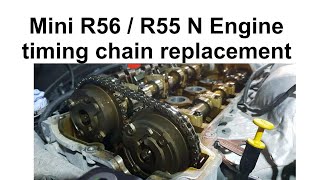
- Stretched Timing Chain / Failed Tensioner / Broken Guides 🔴 High Probability The original hydraulic tensioner design was weak, losing pressure at startup and allowing the chain to slap against the plastic guides, causing them to break. The chains themselves are also known to stretch over time. This is a well-documented, systemic issue with the N12/N16 engines, though less frequent than on the turbocharged N14.
How to confirm: The definitive confirmation is a physical inspection. Remove the valve cover and check for excessive slack in the chain between the camshaft sprockets. Look for broken pieces of the black or brown plastic guides in the cylinder head or oil pan. A rattling noise on cold start is a strong indicator.
Typical fix: A complete timing chain service is required. This involves replacing the timing chain, the updated longer tensioner, all guides, and sometimes the camshaft and crankshaft sprockets. It is critical to also remove the oil pan and clean out any broken plastic fragments to prevent them from clogging the oil pump pickup tube.
Est. part cost: $150-$400 for a complete aftermarket kit. - Low or Dirty Engine Oil 🟡 Medium Probability The timing chain tensioner and the VANOS (variable valve timing) system are both operated by hydraulic oil pressure. These engines are known to consume oil. If the level is low or the oil is dirty/degraded, it can't provide enough pressure to operate the tensioner and VANOS solenoids correctly, leading to timing errors. Long oil change intervals recommended by the manufacturer are believed to contribute to premature wear.
How to confirm: Check the engine oil dipstick. Note the level and the condition of the oil (color, thickness). Oil consumption of up to a quart every 1000 miles is considered 'normal' by BMW/Mini but can be a sign of underlying issues.
Typical fix: Perform an oil and filter change using a high-quality, manufacturer-specified synthetic oil (e.g., 5W-30). This should be the very first step in any P0016 diagnosis. Monitor oil levels closely, as frequent top-offs may be necessary.
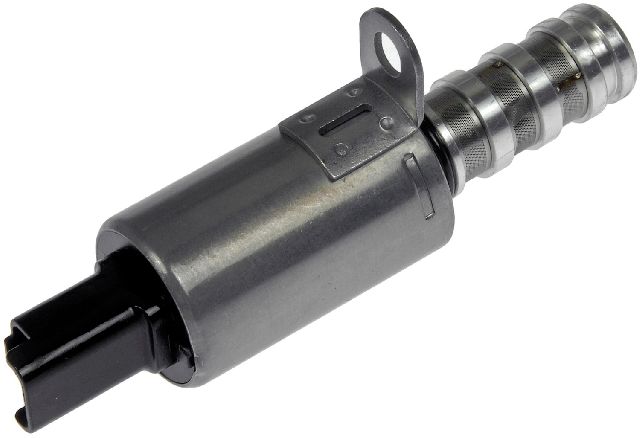
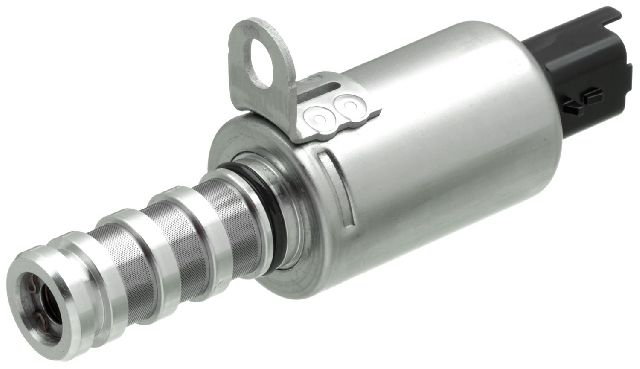
Est. part cost: $50-$100 for oil and a filter. - Faulty Intake VANOS Solenoid 🟡 Medium Probability The VANOS solenoid controls oil flow to the camshaft phaser to adjust timing. These solenoids can become clogged with debris from old oil or fail electronically, causing them to get stuck. This is a very common failure point on N12/N16 engines.
How to confirm: A common diagnostic trick is to swap the intake and exhaust VANOS solenoids, as they are identical parts. They are located on the front of the cylinder head. Clear the codes, run the engine, and see if the fault code changes to P0017 (Exhaust Camshaft Correlation). If it does, the solenoid you moved is faulty. You can also attempt to clean the solenoids before replacing them.
Typical fix: Replace the faulty VANOS solenoid. It is secured by a single 10mm bolt and is easily accessible on top of the engine.
Est. part cost: $40-$120 for one solenoid.
Rare But Worth Checking
- Faulty Camshaft or Crankshaft Sensor: While these sensors can fail, they are often mistakenly replaced. On the N12/N16 engine, P0016 is far more likely to be a mechanical timing issue. Only replace a sensor if you have definitively tested it and confirmed it is bad.
- Slipped Camshaft or Crankshaft Reluctor Ring: The reluctor ring (or tone wheel) is what the sensor reads. In very rare cases, this ring can slip on its respective shaft, causing the sensor to send incorrect timing information to the ECM. This is an advanced diagnosis that requires an oscilloscope.
Diagnosis Steps

- Check the engine oil level and condition. Top off or change the oil and filter if necessary. This is the most important first step.
- Scan for all stored fault codes to see if other codes, like P0017 or 2A82, are present.
- Listen for the 'death rattle' when starting the engine from cold. A loud, metallic rattle that fades after a minute is a classic sign of a failing timing chain system.
- If no rattle is present, perform a VANOS solenoid swap. Locate the intake and exhaust solenoids on the front of the engine, swap their positions, clear the codes, and drive the vehicle. If the code changes to P0017, the solenoid is bad.
- If the code returns as P0016 or a rattle is present, the next step is a physical inspection. Remove the valve cover.
- With the valve cover off, inspect the timing chain for obvious slack between the cam sprockets. Check for any visible pieces of broken black or brown plastic from the timing chain guides.
- If significant slack or broken guides are found, the timing chain kit must be replaced. This is a job for a professional or a very experienced DIYer with special timing tools.
- If no issues are visible, an advanced diagnosis with an oscilloscope may be needed to check the signals from the cam and crank sensors to verify their patterns against a known-good waveform.
Parts You'll Likely Need

- Engine Timing Chain Kit
(OEM #11314609483, 11318618318)— This is the most common cause of P0016. A complete kit replaces the stretched chain, failed tensioner, and brittle guides all at once.
Trusted brands: Iwis (OEM supplier), Febi Bilstein, Genuine MINI
OEM price range: $300-$450
Aftermarket price range: $150-$250 - Engine Variable Valve Timing (VVT) Solenoid / VANOS Solenoid
(OEM #11368610388 (supersedes 11367587760, 11367604292))— A clogged or failed solenoid can cause the intake cam timing to be incorrect, triggering the code. It's a common secondary cause and a relatively easy part to replace.
Trusted brands: Bosch, Delphi, Genuine MINI
OEM price range: $100-$150
Aftermarket price range: $40-$80 - Timing Chain Tensioner (latest revised version)
(OEM #11317607551)
Related Codes That Often Appear With This One
- P0017 — Crankshaft/Exhaust Camshaft Position Correlation. This may appear if the timing chain has jumped multiple teeth, affecting both cams, or during diagnosis if a faulty intake VANOS solenoid is swapped to the exhaust side.
- 2A98 — This is the BMW/Mini-specific manufacturer code for P0016. Seeing this on a professional scan tool confirms the intake cam correlation fault.
- 2A82 — A Mini-specific code for 'Intake VANOS, jammed mechanically.' This code points directly to a problem with the VANOS solenoid or the camshaft phaser itself and frequently appears with P0016.
Technical Service Bulletins (TSBs) & Recalls
- SIM-11-02-08: A 2008 TSB was released regarding premature timing chain wear, but a recall was not issued at the time.
- M110411: A service action bulletin related to replacing the timing chain tensioner seal on N18 engines due to leaks, highlighting the manufacturer's ongoing revisions to the timing system components.
Platform-Specific Known Issues
- Post-Repair P0016 Code: Some owners report that the P0016 code appears for the first time *after* a timing chain replacement. This can be caused by incorrect timing during the installation, a faulty new part in the kit, or the need to clear the ECU's VANOS adaptations with a specialized scan tool after the repair.
- Class Action Lawsuit & Warranty Extension: A class-action lawsuit was filed against BMW regarding timing chain failures. This primarily focused on the turbocharged N14 engine but brought widespread attention to the issue. It resulted in a warranty extension for some vehicles, but many N12/N16 owners were not covered.
Mechanic-Grade Diagnostic Values
- Crankshaft Position Sensor Signal Voltage (Hall Effect Sensor) — expected: The voltage signal should fluctuate between approximately 0V and 5V as the engine is cranked or running.. Failure: Voltage stays constant at 0V, 5V, or 12V, and does not fluctuate while rotating the engine. This indicates a faulty sensor or wiring issue.
- Crankshaft Position Sensor Supply Voltage — expected: Approximately 5V reference voltage on the supply wire (often yellow) with the key on, engine off.. Failure: No 5V reference voltage indicates a problem with the DME or the wiring between the DME and the sensor.
- VANOS Solenoid Resistance — expected: A functional VANOS solenoid should have a resistance reading, although specific values are not consistently published. A common reading on similar BMW solenoids is between 8 and 12 Ohms. An open circuit (infinite resistance) or a dead short (zero resistance) indicates a failed solenoid.. Failure: Infinite resistance (open loop) or near-zero resistance (short circuit).
Hidden / Shadow Codes Worth Checking
- 2A99: Crankshaft - Exhaust Camshaft, Correlation. This is the manufacturer-specific equivalent of P0017. It will appear if a faulty intake VANOS solenoid is moved to the exhaust side during diagnosis. (see via BMW/MINI-specific scan tool like ISTA, Foxwell, or Autel.)
- 2A87: Exhaust VANOS, jammed mechanically. Similar to 2A82 for the intake, this points to a mechanical issue with the exhaust-side VANOS system. (see via BMW/MINI-specific scan tool like ISTA, Foxwell, or Autel.)
- 2A9A: Cam sensor, inlet signal invalid for synchronization. This code suggests the signal from the intake camshaft position sensor itself is implausible. (see via BMW/MINI-specific scan tool like ISTA, Foxwell, or Autel.)
Scan Tool Commands That Help
- ISTA, Foxwell NT510/NT530, Autel: Delete adaptations, variable camshaft timing control — This function should be performed after replacing the timing chain, VANOS solenoids, or camshaft sensors. The DME stores learned adjustments for the timing system; a stretched chain causes the DME to adapt. After installing new parts, the old adaptations are incorrect and must be reset to allow the DME to learn the new, correct timing baseline.
- ISTA: VANOS System Test — This is a guided diagnostic test within the dealer software that actuates the VANOS solenoids and measures the camshafts' response time. It can help determine if the issue is with the solenoid, the VANOS phaser unit, or oil pressure/flow without extensive disassembly.
Wiring & Ground Locations
- Engine Ground Strap — A braided strap connecting the passenger side (right) engine mount to the chassis frame rail.. A poor or corroded main engine ground can cause electrical noise and voltage drops, potentially affecting the sensitive readings of the crankshaft and camshaft position sensors, leading to erroneous correlation faults. While not a primary cause, it's a critical maintenance point to ensure sensor signals are clean.
- DME/Fuse Box Grounds — Under the engine bay fuse box on the driver's side, in front of the firewall. There are typically multiple brown wires terminating at a ground stud.. The DME (ECU) and its related sensors rely on these grounds as a reference. A loose or corroded ground point here can directly impact the DME's ability to accurately interpret sensor signals, including those from the cam and crank sensors.
- Crankshaft Position Sensor Connector — The sensor is located on the front of the engine block, near the crankshaft pulley. The connector has three pins.. For testing, the pins are typically: Pin 1 (Yellow wire) = 5V reference from DME, Pin 2 (Black wire) = Sensor ground, Pin 3 (White wire) = Signal to DME. Verifying voltage at these pins is a key diagnostic step.
Real Owner Repair Stories
- North American Motoring user 'bugeye1031' (2007 Mini Cooper (Base) N12) — Not specified, but repair was preventative/maintenance-related.
✅ What actually fixed it The user reported replacing the timing chain at approximately 120,000 miles. They also noted a strict 5,000-mile oil change interval, suggesting this is key to longevity. - Bimmerpost user (BMW with N-series engine (similar VANOS system)) — Check engine light with codes 2A98 and 2A99, along with a misfire code, immediately after an oil change.
❌ Tried (didn't work) Replacing one VANOS solenoid., Replacing an ignition coil (fixed misfire but not VANOS codes)., Switching VANOS solenoids side-to-side.
✅ What actually fixed it The issue was caused by an incorrect oil filter installation by an independent shop. The center cage/spigot from the oil filter cap was missing, having been thrown away with the old filter. This part is critical for proper oil pressure and flow. Replacing the oil filter cap with a new, complete one resolved the VANOS codes.
OEM Part Supersession History
11367587760, 11367604292→11368610388— Revisions to improve reliability and resistance to clogging from oil debris.
Heads up: The newest part number is fully backward compatible with all N12/N16 engines.Unknown (early versions)→11317607551— The original timing chain tensioner was too short and relied solely on oil pressure, which could be insufficient on cold start. The revised tensioner is physically longer and has a stronger internal spring to maintain tension before oil pressure builds, reducing chain slap.
Heads up: Always use the latest revised tensioner. Never install an old-style tensioner.
Model Year Variations Within This Range
- 2007-2010 (N12 Engine): Uses a conventional, mechanically-driven oil pump. The ECU (DME MEV172) and wiring harness are specific to this setup.
- 2011-2013 (N16 Engine): Uses a map-controlled, variable-volume electric oil pump with a solenoid. This requires a different ECU (DME MEV1722D) and wiring harness. An N12 and N16 engine cannot be directly swapped without also swapping the corresponding DME and engine wiring harness due to the oil pump control difference.
Diagnostic Flowchart
Other Known Issues on This Vehicle
Issues unrelated to this code that are worth knowing about as an owner of this generation:
- Leaking Plastic Thermostat Housing 🔴 High — Extremely common, often failing every 50,000-70,000 miles. The plastic housing can crack or warp, causing significant coolant loss.
- Water Pump Failure 🔴 High — Common failure item. The original pumps have a plastic housing that can warp or the impeller can fail, leading to coolant leaks or a complete loss of coolant circulation.
- Oil Filter Housing / Oil Cooler Gasket Leak 🟠 Medium — Very common leak point. The gaskets between the oil filter housing, oil cooler, and the engine block become hard and brittle, causing significant oil and/or coolant leaks onto the front of the engine and exhaust.
- High Oil Consumption 🟠 Medium — Widespread issue, particularly as mileage increases. Caused by a combination of factors including high operating temperatures, low-friction piston rings, and valve stem seal wear.
- Footwell Module (FRM) Failure 🟡 Low — Common electrical failure, often triggered by disconnecting the battery or after a battery dies. Results in malfunctioning windows, lights, and turn signals. (Ref: An extended warranty was offered for the FRM on some models.)
Used vs. New Parts: Buying Guide for This Vehicle
When a used part is the smart pick: For this specific repair, used parts are generally not recommended. However, if a low-cost repair is essential, a used VANOS solenoid from a low-mileage, reputable donor vehicle could be considered. Never use a used timing chain, tensioner, or guides.
Donor-vehicle mileage cap: roughly under 50000 miles for the part to have meaningful remaining life.
What to inspect on the donor part:
- For a VANOS solenoid, inspect the mesh screens for any tears or heavy, metallic sludge.
- Verify the donor vehicle did not have any timing-related fault codes.
- Check for a documented service history; a car with regular oil changes is a better donor.
OEM-only on this vehicle (don't cheap out):
- Timing Chain Kit: The consequences of a cheap aftermarket timing kit failing are catastrophic engine damage. It is highly recommended to use an OEM (Genuine MINI) or a reputable OEM supplier kit like Iwis, INA, or Febi Bilstein.
Aftermarket brands forum-validated for this vehicle:
- Timing Chain Kits: Iwis (often the OEM manufacturer), INA, Febi Bilstein
- VANOS Solenoids: Bosch, Pierburg (OEM supplier), Delphi
Brands owners have reported issues with on this vehicle:
- Unbranded, low-cost timing chain kits from online marketplaces. These often use inferior materials for the guides (which become brittle) and chain (which stretches prematurely).
Real Owner Stories
Aggregated from forums and TSBs cited above. Mileages and costs reflect what owners reported in those sources.
2007 Mini Cooper S N14 — 24000 miles
Symptoms: Snapped timing chain, even after having the tensioner replaced under warranty at 12,000 miles.
What fixed it: The source describes a catastrophic failure (snapped chain) following a previous tensioner replacement.
Source hint: Honest John Forums thread regarding a 57-plate Cooper S
2011 Mini Cooper (Base) N16
Symptoms: Discussion of the prevalence of timing chain issues on naturally aspirated engines and whether they share the same 'death rattle' as turbo models.
What fixed it: A Mini technician confirmed the problem exists on these engines, though it is often overshadowed by N14 failures.
Source hint: North American Motoring Forum thread 'r56-n16-engine-is-there-a-timing-chain-problem'
2010 Citroen DS3 1.6 VTi (Prince Engine)
Symptoms: Stretched timing chains and high-pressure fuel pump failures.
What fixed it: Replacement of the stretched timing chain; the issue is noted as a specific weakness of the Prince engine family shared with Mini.
Source hint: French Car Forum discussion on Prince engine family issues
Related OBD-II Codes
Frequently Asked Questions
Is there a TSB for the timing chain issues on my 2007-2013 Mini Cooper?
I just replaced my timing chain but the P0016 code is still there. What happened?
Is it true that my Mini Cooper Base (N12/N16) is less likely to have this issue than the S model?
Can I just swap parts to see if the VANOS solenoid is causing the P0016?
Was there a class-action lawsuit for timing chain failures that covers my N12 engine?
How much oil consumption is considered 'normal' for this engine before it affects the timing?
Helpful Videos

We Have This Part in Stock



The information in this article is provided for general reference and educational purposes only. Vehicle specifications, procedures, and part compatibility can vary by production date, trim level, and region. Always consult your vehicle's factory service manual and verify part numbers before purchasing or performing repairs. Safety-critical components such as airbags, seat belts, and braking systems should be installed by a qualified professional.
- Mini Cooper (Base):
- 🎬 Helpful Videos
- 🛍️ Shop This Part
- What's Unique About the 2007-2013 Mini Cooper (Base)
- Symptoms You May Notice
- Most Likely Causes
- Rare But Worth Checking
- Diagnosis Steps
- Parts You'll Likely Need
- Related Codes That Often Appear With This One
- Technical Service Bulletins (TSBs) & Recalls
- Platform-Specific Known Issues
- Mechanic-Grade Diagnostic Values
- Hidden / Shadow Codes Worth Checking
- Scan Tool Commands That Help
- Wiring & Ground Locations
- Real Owner Repair Stories
- OEM Part Supersession History
- Model Year Variations Within This Range
- Diagnostic Flowchart
- Other Known Issues on This Vehicle
- Used vs. New Parts: Buying Guide for This Vehicle
- Real Owner Stories
- 2007 Mini Cooper S N14 — 24000 miles
- 2011 Mini Cooper (Base) N16
- 2010 Citroen DS3 1.6 VTi (Prince Engine)
- Related OBD-II Codes
- Frequently Asked Questions
- 🎟️ Get 5% Off