

P0016 on 2015-2020 Lincoln MKZ: Crankshaft-Camshaft Correlation Causes and Fixes
On a 2015-2020 Lincoln MKZ, P0016 often points to a problem with the Variable Camshaft Timing (VCT) system. The most common causes are low or dirty engine oil, or a faulty VCT solenoid, which can stick due to debris as noted in manufacturer TSBs. A solenoid replacement is relatively inexpensive, but if the timing chain has stretched or the internal water pump on the 3.7L V6 has failed, expect a much costlier repair.
- P0016 is a serious code that indicates a loss of synchronization between the engine's crankshaft and camshaft.
- Before suspecting expensive mechanical failure, the first and most important step is to check the engine oil level and quality. Change if necessary.
- Ford/Lincoln has acknowledged that a common cause for this code is a sticking VCT solenoid, which is a relatively affordable part to replace.
- Do not ignore this code. Continued driving can lead to stalling, poor performance, and potentially catastrophic engine failure if the timing chain is the root cause.
What's Unique About the 2015-2020 Lincoln MKZ

For this generation of Lincoln MKZ, which shares platforms and engines with the Ford Fusion and Edge, the Variable Camshaft Timing (VCT) system is a known point of sensitivity. Ford has issued multiple Technical Service Bulletins (TSBs), like SSM 47170 and SSM 48423, acknowledging that P0016 can be triggered by small debris causing VCT solenoids to stick. Furthermore, the 3.7L V6 engine features an internal, timing-chain-driven water pump; a failure of this pump can leak coolant into the oil, leading to timing chain and engine damage that also presents with a P0016 code.
Diagnostic Flowchart
Tap your situation to follow the diagnostic path that matches what you're seeing on this vehicle.
Symptoms You May Notice
- Check Engine Light is on
- Rough or unstable idle
- Engine is hard to start, or cranks but won't start
- Reduced engine power and poor acceleration
- Stalling, especially when coming to a stop
- Rattling noise from the engine, particularly near the timing chain cover on a cold start
- Decreased fuel economy
- Replacing the camshaft or crankshaft position sensors without first checking the oil level/condition or testing the VCT solenoids. The sensors are often just reporting the problem, not the cause of it.
- Replacing only the timing chain without replacing the tensioners, guides, and especially the sprockets, which can be worn and contribute to the timing error.
Most Likely Causes


- Low or Dirty Engine Oil 🔴 High Probability The VCT system is hydraulically operated by engine oil. Low levels or contaminated oil can clog the fine mesh screens on the VCT solenoids or impede the function of the phasers, causing timing correlation errors.
How to confirm: Check the oil level on the dipstick and inspect its color and consistency. If it's low, dark, or sludgy, it needs to be changed. Note if it appears milky, which indicates coolant contamination (a major issue on the 3.7L V6).
Typical fix: Perform a complete oil and filter change using the manufacturer-specified grade of oil (e.g., Motorcraft Synthetic Blend and a Motorcraft filter).
Est. part cost: $50-$100 - Faulty VCT Solenoid (Oil Control Valve) 🔴 High Probability Manufacturer TSBs #SSM 47170 and #SSM 48423 directly state that P0016 on these vehicles may be due to small debris causing the VCT solenoid to stick. This is the most common failure point before the timing chain itself.
How to confirm: A bidirectional scan tool can command the solenoid to activate per pinpoint test HK11 mentioned in the TSBs; a lack of response or change in engine idle indicates a problem. The solenoid can also be removed and tested for mechanical movement and electrical resistance.
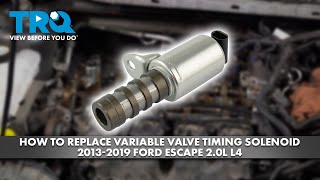
Typical fix: Replace the Bank 1 intake VCT solenoid. It is often recommended to replace both intake and exhaust solenoids for the bank at the same time. Cleaning is rarely a permanent fix.
Est. part cost: $40-$120 - Stretched Timing Chain or Failed Tensioner 🟡 Medium Probability Over time, timing chains can stretch, and the hydraulic tensioners that keep them tight can fail. This is a known issue on many modern engines, including Ford's EcoBoost and Cyclone V6 families. Worn sprocket teeth can also contribute to timing slack even with a new chain.
How to confirm: This is a complex diagnosis. It may involve listening for a persistent rattle from the front of the engine, or removing the valve cover to inspect for chain slack. An oscilloscope comparing cam and crank sensor patterns is the definitive non-invasive check.
Typical fix: Replace the timing chain, tensioners, guides, and sprockets. This is a labor-intensive job often costing over $2,000. If the vehicle has the 3.7L V6, the internal water pump should always be replaced at the same time.
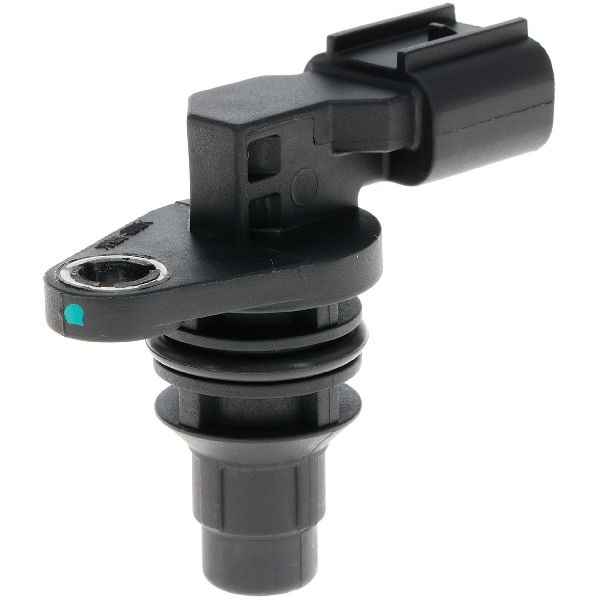
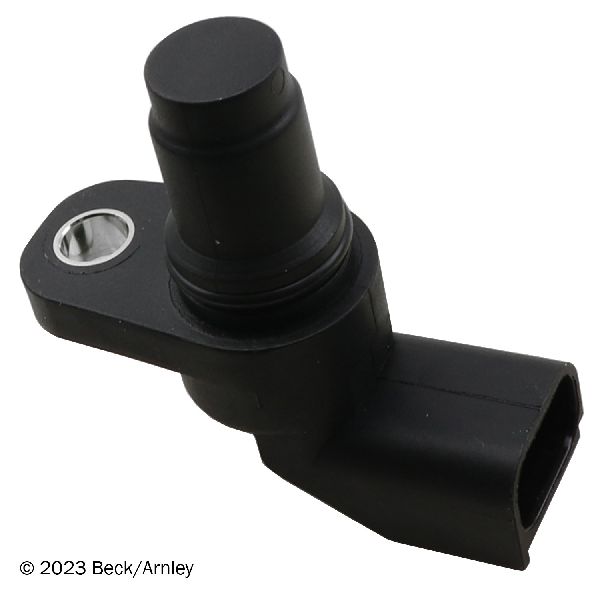
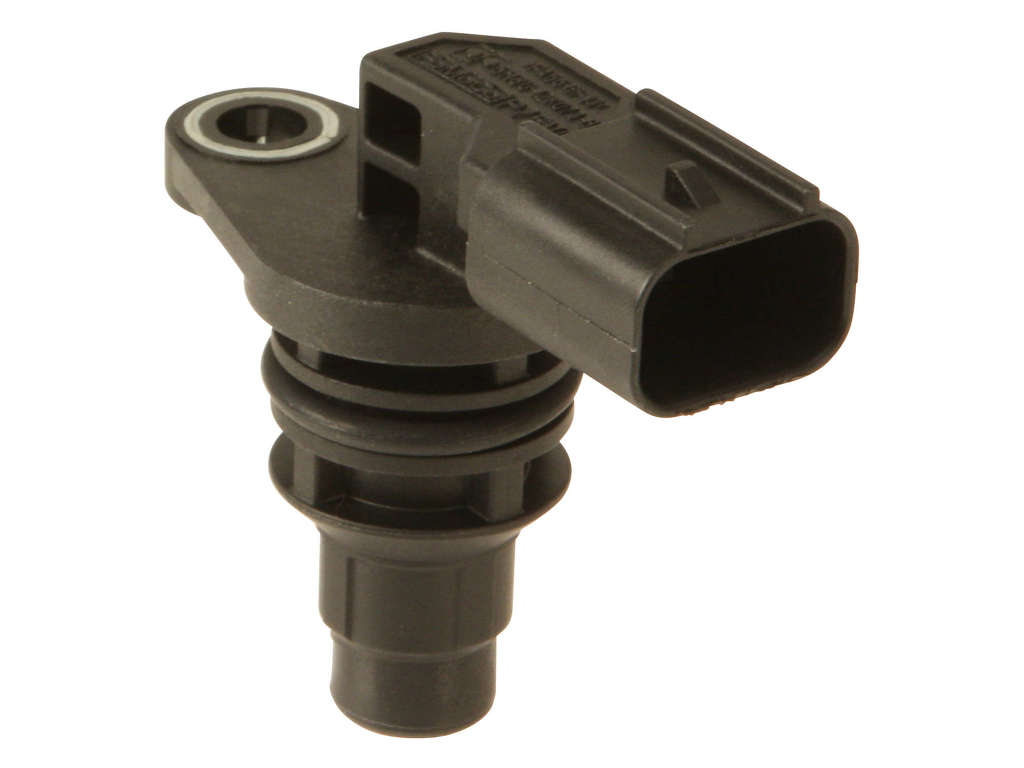
Est. part cost: $400-$900 - Faulty Camshaft or Crankshaft Position Sensor ⚪ Low Probability
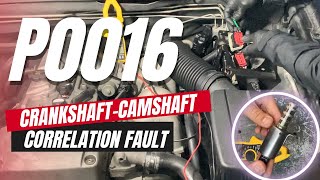
How to confirm: Test the sensor's output with a multimeter or oscilloscope. 🎬 Watch: How to test and fix P0016 correlation codes Check the wiring and connector for damage or corrosion. The sensors are often just accurately reporting the timing error, not causing it.
Typical fix: Replace the faulty sensor. The Bank 1 intake camshaft sensor is 'Sensor A'.
Est. part cost: $30-$80
Rare But Worth Checking
- Damaged Camshaft Phaser: The phaser is the gear on the end of the camshaft that actually adjusts the timing. It can get stuck or fail internally, but this is less common than a solenoid failure. It is typically replaced during a timing chain job.
- Damaged Reluctor Ring/Tone Ring: The toothed ring that the crankshaft or camshaft sensor reads can become damaged, bent, or slip, sending incorrect position data to the ECM. This is rare but can happen.
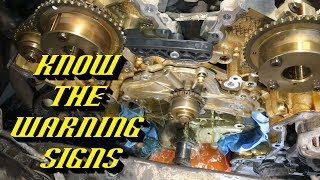
- Internal Water Pump Failure (3.7L V6): On the 3.7L V6, the water pump is located inside the engine and is driven by the timing chain. If its seals fail, it leaks coolant directly into the engine oil. This contaminates the oil, destroying the timing chain, tensioners, and phasers, leading to a P0016 code and likely catastrophic engine failure 🎬 Watch: How to check for internal water pump failure if not addressed immediately.
Diagnosis Steps
- Read all fault codes stored in the ECM. Note any other codes that appear with P0016, such as P0017, P0011, or P0012.
- Critical First Step: Check the engine oil level and condition. If low or dirty, perform an oil and filter change with the correct viscosity oil (e.g., Motorcraft 5W-30) and clear the codes to see if the problem returns. If the oil is milky, suspect an internal water pump failure on the 3.7L V6 and stop immediately.
- Inspect the wiring and connectors for the Bank 1 intake camshaft position sensor, crankshaft position sensor, and Bank 1 VCT solenoid for any visible damage, corrosion, or loose connections.
- Using a bidirectional scan tool, access the Powertrain Control/Emissions Diagnosis (PC/ED) menu and perform pinpoint test HK11. This test cycles the affected VCT solenoid 10 times to try and clear debris. If the code clears and does not immediately return, the solenoid may have been temporarily stuck. If the code returns, the solenoid is likely faulty.
- If the solenoid is suspected, remove it. Inspect it for debris on the screens and test its resistance with a multimeter (check service manual for specs). Given the low cost, replacement is often recommended over cleaning.
- If solenoids and oil are good, use an oscilloscope to compare the camshaft and crankshaft sensor signals against a known-good pattern. This is the most reliable way to confirm if there is a true mechanical timing lag, pointing to a stretched chain or phaser issue.
- If a mechanical timing issue is confirmed, a physical inspection of the timing chain, guides, and tensioners is required. This involves significant engine disassembly and is best left to a professional.
Parts You'll Likely Need

- Variable Camshaft Timing (VCT) Solenoid
(OEM #CJ5Z-6M280-A (For 2.0L EcoBoost) or 7T4Z-6M280-C (For 3.7L V6). Verify with VIN.)— As cited in Ford/Lincoln TSBs, these solenoids are prone to sticking due to debris, making them a primary suspect for P0016.
Trusted brands: Motorcraft, Dorman
OEM price range: $60-$100
Aftermarket price range: $40-$80 - Timing Chain Kit
(OEM #Varies by engine. Example: Cloyes kit 9-0738S for 3.7L V6.)— If the timing chain has stretched or the tensioner has failed, a full kit is required to restore proper mechanical timing. Kits should include chains, guides, tensioners, and sprockets.
Related Codes That Often Appear With This One
- P0017 — This is the correlation code for the exhaust camshaft on Bank 1. If both P0016 and P0017 appear, it points more strongly towards a base timing issue like a stretched chain affecting the entire bank.
- P0011 — This code indicates 'Camshaft Position A - Timing Over-Advanced'. It often accompanies P0016 and points to a VCT solenoid being stuck open or a phaser stuck in the advanced position.
- P0012 — This code indicates 'Camshaft Position A - Timing Over-Retarded'. Like P0011, it points to a VCT control issue (e.g., stuck solenoid, low oil pressure) and frequently appears with P0016.
Technical Service Bulletins (TSBs) & Recalls
- SSM 48423 / SSM 47170: States that on some 2015-2020 Ford and Lincoln vehicles, DTCs including P0016 may be caused by small debris causing the VCT solenoid to stick. It advises technicians to perform pinpoint test HK11 to cycle the solenoid 10 times to attempt to clear debris before replacing parts.
Platform-Specific Known Issues
- 3.7L V6 Internal Water Pump: This is the most critical vehicle-specific issue. The water pump is driven by the primary timing chain. When it fails, it leaks coolant into the oil pan, contaminating the oil. This quickly ruins the timing chain, guides, and phasers, leading to P0016 and catastrophic engine failure. If performing a timing chain job on a 3.7L, replacing the water pump is mandatory.
- TSB for Sticking VCT Solenoids: TSBs SSM 47170 and 48423 apply to all engines in this vehicle and highlight that debris in the oil is a common cause for VCT-related codes like P0016. The official diagnostic procedure includes using a scan tool to cycle the solenoid to attempt to clear it before replacement.
Mechanic-Grade Diagnostic Values
- VCT Solenoid Coil Resistance — expected: 5.0 to 15.0 Ohms. Failure: A reading of infinite resistance (Open Loop) or near zero Ohms (short circuit) indicates a failed solenoid. Some sources note that a reading outside a tighter 7.5-9.0 Ohm range can indicate degradation.
- Mode $06 Camshaft Timing Deviation — expected: Within the MIN/MAX values specified by the PCM (e.g., between -10 and +10 degrees).. Failure: The test value reported by the scan tool exceeds the MIN or MAX limit, confirming the correlation fault detected by the PCM.
Scan Tool Commands That Help

- Ford IDS (Integrated Diagnostic System): VCT System Test / Output State Control — This function allows a technician to command the VCT solenoids to a specific duty cycle (e.g., 0% to 50%) while monitoring the VCT_ADV_ERR (camshaft advance error) PID. If the camshaft angle doesn't change as commanded, it points to a stuck solenoid, clogged oil passage, or failed phaser, helping to distinguish between an electrical and mechanical fault.
- Ford IDS (Integrated Diagnostic System): Datalogger with Histogram Mode — To diagnose intermittent issues, a technician can record the VCT error PIDs while driving the vehicle through various load and RPM ranges. The histogram feature can then visually display any anomalies or deviations in camshaft timing that occurred during the test drive, helping to capture faults that don't happen at idle.
Wiring & Ground Locations
- G103 / G104 (example) — Typically located on the front of the engine block or cylinder head, near the main engine harness connection.. These are primary ground points for the PCM and its associated sensors, including the camshaft and crankshaft position sensors. A loose or corroded ground at this location can cause erratic sensor readings, leading to false correlation codes like P0016. A factory wiring diagram should be consulted for the exact location.
Real Owner Repair Stories
- Ford Truck Enthusiasts Forum (2014 Ford F-150 3.5L EcoBoost (mechanically similar VCT system) at 150k miles) — Slightly rough idle before warm-up, P0016 code would return daily after clearing.
❌ Tried (didn't work) The owner was preparing for a full timing chain replacement.
✅ What actually fixed it As a last resort before the major repair, the owner replaced only the Bank 1 Intake Camshaft Position Sensor. The code did not return, and the truck was trouble-free for the next 10k miles. This highlights a rare case where the sensor itself was the culprit. - Reddit r/AskMechanics (2010 Ford Edge V6 (with the 3.7L Cyclone, predecessor to the MKZ's)) — P0016 code present, oil found in the coolant reservoir.
❌ Tried (didn't work) Changing the camshaft position sensor.
✅ What actually fixed it The confirmed cause was a failed internal water pump, which is driven by the timing chain. The failure allowed coolant and oil to mix, contaminating the VCT system and stretching the chain. The fix is a complete timing job including the water pump, chains, and tensioners. - Ford Fusion Forum (user report) (Ford Fusion with 2.0L EcoBoost) — Persistent P0016 immediately after an oil change.
❌ Tried (didn't work) Initial diagnosis pointed towards VCT solenoids or timing components.
✅ What actually fixed it The root cause was a faulty aftermarket oil filter. The filter's internal bypass valve had failed, causing improper oil pressure and flow to the VCT system. Replacing the filter with a genuine Motorcraft part and performing another oil change resolved the code completely.
When the Usual Fixes Don't Work
- In one documented case involving a similar Ford EcoBoost engine, a vehicle presented with a P0016 code and a rough idle. The owner was advised by a shop that a full timing chain replacement was necessary. Before committing to the expensive repair, the owner decided to replace the Bank 1 intake camshaft position sensor as a relatively inexpensive test. This single part replacement permanently resolved the code, indicating that in some rare instances, the sensor itself can fail and is not just reporting a mechanical issue.
OEM Part Supersession History
7T4Z-6M280-A, 7T4Z-6M280-AA, 7T4Z-6M280-B→7T4Z-6M280-C— Part revision and consolidation for the VCT solenoid used on 3.5L/3.7L V6 engines.
Heads up: While physically similar, using a solenoid designed for a different engine family (e.g., a 2.0L solenoid in a 3.7L) can cause issues due to different oil flow characteristics.CJ5Z-6M280-A→CJ5Z-6M280-B— Standard part revision for the VCT solenoid used on 2.0L/2.3L/2.5L engines.
Model Year Variations Within This Range
- 2017-2020: The optional V6 engine was changed from the 3.7L naturally aspirated V6 to a 3.0L Twin-Turbo (GTDI) V6. While the P0016 code functions the same, the timing components, VCT solenoids, and phasers are entirely different parts specific to the 3.0L engine and are not interchangeable with the earlier 3.7L or the standard 2.0L EcoBoost.
Helpful Videos
We Have This Part in Stock


The information in this article is provided for general reference and educational purposes only. Vehicle specifications, procedures, and part compatibility can vary by production date, trim level, and region. Always consult your vehicle's factory service manual and verify part numbers before purchasing or performing repairs. Safety-critical components such as airbags, seat belts, and braking systems should be installed by a qualified professional.
- Lincoln MKZ:
- 🎬 Helpful Videos
- 🛍️ Shop This Part
- What's Unique About the 2015-2020 Lincoln MKZ
- Diagnostic Flowchart
- Symptoms You May Notice
- Most Likely Causes
- Rare But Worth Checking
- Diagnosis Steps
- Parts You'll Likely Need
- Related Codes That Often Appear With This One
- Technical Service Bulletins (TSBs) & Recalls
- Platform-Specific Known Issues
- Mechanic-Grade Diagnostic Values
- Scan Tool Commands That Help
- Wiring & Ground Locations
- Real Owner Repair Stories
- When the Usual Fixes Don't Work
- OEM Part Supersession History
- Model Year Variations Within This Range
- 🎟️ Get 5% Off