

P0016 on 2015-2016 Lincoln MKS: Crank/Cam Correlation Causes and Fixes
For a 2015-2016 Lincoln MKS, code P0016 is most often caused by a sticking Variable Camshaft Timing (VCT) solenoid due to dirty oil, a known issue cited in TSBs. Replacing a solenoid costs about $287-$380. However, this code can also point to a more severe stretched timing chain or, on the 3.7L V6, a failing internal water pump. A timing chain job can cost over $2,500.
- P0016 is a serious timing correlation code that should be addressed promptly to avoid engine damage.
- Always check the engine oil level and condition first. A simple oil change can sometimes resolve the issue.
- The most common faulty part is the Bank 1 intake VCT solenoid, often due to oil debris, as confirmed by Ford/Lincoln TSBs.
- A rattling noise on startup strongly suggests a stretched timing chain, which is a much more involved and expensive repair.
- On the 3.7L V6 engine, this code can be a symptom of a failing internal water pump leaking coolant into the oil, which requires immediate attention.
What's Unique About the 2015-2016 Lincoln MKS
On these Lincoln V6 engines, the Variable Camshaft Timing (VCT) system is sensitive to oil quality and cleanliness. Manufacturer Technical Service Bulletins (TSBs), like SSM 48423, specifically state that P0016 can be triggered by small debris in the oil causing a VCT solenoid to stick. Furthermore, the 3.7L V6 used in the MKS features an internal, timing-chain-driven water pump; if its seals fail, it leaks coolant directly into the oil pan. This contamination destroys the oil's lubricating properties, causing rapid timing system wear, chain stretch, and ultimately this code.
Diagnostic Flowchart
Tap your situation to follow the diagnostic path that matches what you're seeing on this vehicle.
Symptoms You May Notice
- Check Engine Light is on
- Rough or unstable idle
- Reduced engine power and poor acceleration
- Engine rattling or ticking noise, especially on cold starts for a second or two
- Difficulty starting the engine, or it cranks but won't start
- Decreased fuel economy
- Engine misfires
- Replacing the camshaft or crankshaft position sensors when the root cause is a mechanical timing issue. The sensors are often just the messenger.
- Replacing only the VCT solenoids when the root cause is a stretched timing chain or contaminated oil from a failing water pump. The code will likely return.
Most Likely Causes
- Sticking or Failed VCT Solenoid 🔴 High Probability Manufacturer TSBs SSM 48423 and SSM 54366 confirm that debris in the oil can cause VCT solenoids to stick, triggering this code. This is often the first component to check after verifying oil quality.
How to confirm: Use a scan tool to command the solenoid on and off to check for response; TSB 48423 suggests cycling it 10 times to clear debris. A common diagnostic step is to swap the Bank 1 intake solenoid with the Bank 1 exhaust solenoid. If the code changes to P0017, the solenoid is faulty.
Typical fix: Replace the Bank 1 intake VCT solenoid. 🎬 Watch: Step-by-step guide to replacing your VCT solenoids. It is recommended to also change the engine oil and filter.
Est. part cost: $30-$95 - Low, Old, or Dirty Engine Oil 🔴 High Probability The VCT system uses oil pressure to adjust cam timing. Contaminated or low oil can't operate the phasers or solenoids correctly, leading to timing correlation errors. Long oil change intervals are a major contributor to VCT and timing chain problems.
How to confirm: Check the oil level on the dipstick and inspect its condition. If it's low, dark, or sludgy, it needs to be changed. On the 3.7L, specifically look for a milky or frothy appearance, which indicates coolant contamination from a failing water pump.
Typical fix: Perform an engine oil and filter change using the correct viscosity oil specified for your engine (e.g., Motorcraft Synthetic Blend and a Motorcraft filter).
Est. part cost: $40-$80 - Stretched Timing Chain 🟡 Medium Probability The 3.5L EcoBoost engines are known for timing chain stretch, often occurring before 100,000 miles. The 3.7L chain can also stretch, especially if the oil is contaminated by a failing water pump. Forum users report this is the most common 'final answer' for a persistent P0016 code.
How to confirm: A distinct rattling noise on a cold start lasting 1-2 seconds is a classic symptom. A mechanic can use a scan tool to monitor VCT error PIDs; a deviation of more than +/- 5-6 degrees at idle points to a mechanical timing issue. 🎬 Watch: How to diagnose a stretched chain using a scan tool. Physical confirmation requires removing the valve cover to inspect the tensioner; if more than 5-7 teeth are visible on the tensioner plunger, the chain is considered stretched.
Typical fix: Replace the primary timing chain, tensioners, guides, and sprockets. This is a labor-intensive and expensive repair. If the water pump is internal (3.7L), it must be replaced at the same time.
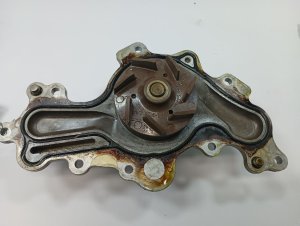
Est. part cost: $400-$900 - Failed Internal Water Pump (3.7L V6 only) 🟡 Medium Probability The water pump is located inside the engine and driven by the timing chain. When its seals fail, it leaks coolant into the oil, destroying the oil's lubricating properties and causing rapid wear of all timing components. This is a well-documented failure mode for transverse Ford Cyclone engines. 🎬 Watch: See why this internal water pump design fails.
How to confirm: Check the engine oil for a milky, frothy appearance, which is a definitive sign of coolant contamination. Also, check for unexplained coolant loss from the reservoir with no visible external leaks. A weep hole behind the alternator may show signs of coolant crust.
Typical fix: A complete timing system overhaul is required, including a new water pump, timing chains, tensioners, and phasers. The engine should be flushed to remove all contaminated oil. This is a mandatory preventative replacement during any timing chain job on this engine.
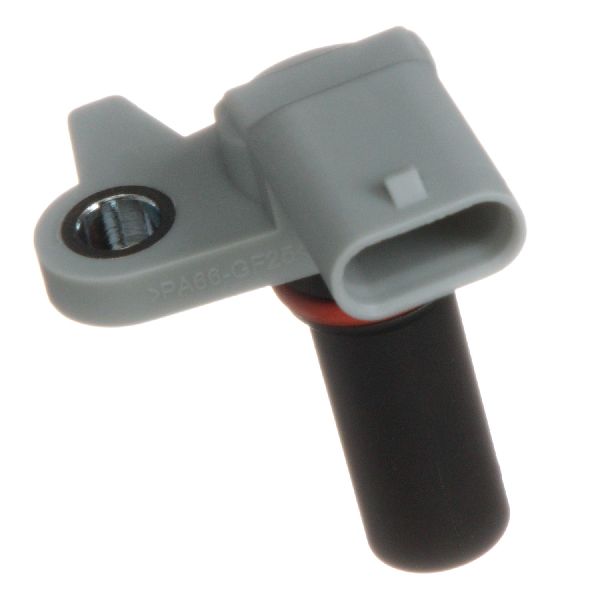
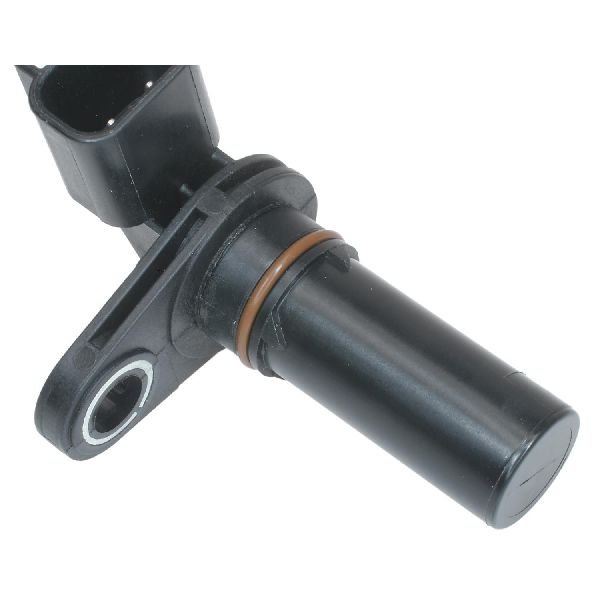
Est. part cost: $600-$1500 - Failed Camshaft Position Sensor ⚪ Low Probability
How to confirm: Use a multimeter to test the sensor's resistance and voltage output against specifications. A scan tool can also monitor its live data for dropouts. However, this is rarely the cause; the sensor is usually accurately reporting a mechanical problem.
Typical fix: Replace the Bank 1 intake camshaft position sensor. Many owners replace this first, only to have the code return.
Est. part cost: $25-$60
Rare But Worth Checking
- Failed Crankshaft Position Sensor: This sensor is generally very reliable. It should only be suspected after all other more common causes have been ruled out. A failure here often causes a no-start condition.
- Damaged Camshaft Phaser/Actuator: The phaser itself can fail mechanically or become clogged with debris, preventing it from adjusting the cam angle correctly. This is usually diagnosed after solenoids and sensors have been checked and is often replaced along with the timing chain.
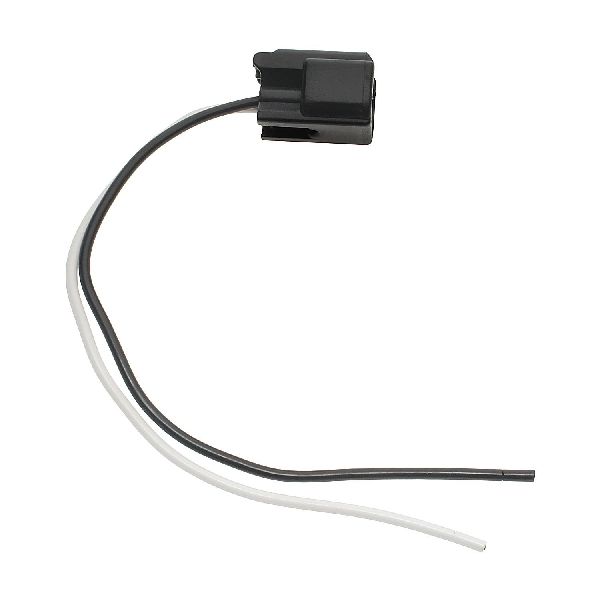
- Damaged Wiring or Connectors: Frayed wires or loose connections to the camshaft sensor, crankshaft sensor, or VCT solenoid can cause intermittent signals and trigger the code. Check for oil contamination in the connectors.
Diagnosis Steps
- Verify the engine oil level and condition. If low, dirty, or milky (on 3.7L), perform an oil and filter change and clear the code to see if it returns. This is the most critical first step.
- Use a professional scan tool (like FORScan) to check for any other accompanying fault codes.
- Monitor live data PIDs for VCT operation. At a stable warm idle, the desired and actual cam angles (e.g., VCT_INT_ADV_DES1 vs VCT_INT_ACT1) should match, and the error PID (VCT_ERR1) should be near zero. A persistent error of more than 5-6 degrees suggests a mechanical problem.
- Inspect the wiring and connectors for the Bank 1 camshaft sensor, crankshaft sensor, and VCT solenoid for any visible damage or oil saturation.
- As per TSB SSM 48423, use the scan tool's active command function to cycle the Bank 1 intake VCT solenoid 10 times to try and dislodge debris. Listen for an audible click from the engine.
- If the solenoid is suspect, swap it with the Bank 1 exhaust solenoid. Clear codes and drive the vehicle. If the fault code 'moves' and returns as P0017, the solenoid is confirmed to be faulty.
- If solenoids and sensors check out, suspect a mechanical timing issue. Listen for a timing chain rattle on a cold start.
- For the 3.7L V6, check the oil again for signs of coolant contamination, which points directly to a failed internal water pump.
- Confirm a stretched timing chain with a physical inspection, which requires removing the valve cover to check the timing chain tensioner extension.
Parts You'll Likely Need
- Variable Camshaft Timing (VCT) Solenoid
(OEM #BR3Z-6M280-F (supersedes BR3Z-6M280-E))— This is the most common cause of P0016 on this platform, as identified by manufacturer TSBs. It often gets stuck due to oil debris.
Trusted brands: Motorcraft, Dorman, Standard Motor Products, NGK
OEM price range: $60-$90
Aftermarket price range: $30-$65 - Timing Chain Kit
(OEM #AT4Z-6D256-A (Example, always verify by VIN))— Required if the timing chain has stretched, which is a known issue especially on the 3.5L EcoBoost and any 3.7L with a failed water pump. Kits include the chain(s), guides, and tensioners.
Trusted brands: Motorcraft, Melling, Cloyes
OEM price range: $400-$700
Aftermarket price range: $250-$500 - Internal Water Pump (3.7L V6)
(OEM #AG1Z-8501-B (Example, always verify by VIN))— Mandatory replacement during any timing chain service on the 3.7L V6. A failed pump seal leaks coolant into the oil, causing catastrophic timing component wear.
Trusted brands: Motorcraft, Gates, AISIN
OEM price range: $150-$250
Aftermarket price range: $80-$160
Related Codes That Often Appear With This One
- P0017 — This is the correlation code for the exhaust camshaft on the same bank (Bank 1). If both appear, it strengthens the possibility of a base timing issue like a stretched chain affecting the entire bank.
- P0018 / P0019 — These are the equivalent correlation codes for Bank 2. Seeing them with P0016 suggests a widespread problem like low oil pressure, a primary timing chain issue affecting both banks, or catastrophic oil contamination.
- P0011 / P0012 — These codes indicate the Bank 1 intake camshaft is over-advanced or over-retarded. They are often caused by the same sticking VCT solenoid responsible for P0016.
Technical Service Bulletins (TSBs) & Recalls
- SSM 48423: States that various VCT codes, including P0016, may be caused by small debris causing the VCT solenoid to stick. It advises using a scan tool to cycle the solenoid 10 times to attempt to clear it before replacement.
- SSM 54366: A later TSB that also lists P0016 and other VCT codes, directing technicians to specific pinpoint tests in the service manual.
- TSB 17-0026: While specific to the F-150, this TSB is highly relevant as it directly addresses P0016 on the 3.5L GTDI (EcoBoost) engine due to a worn primary timing chain.
Platform-Specific Known Issues
- Internal Water Pump Failure (3.7L V6): The water pump on the 3.7L V6 is internal to the engine and driven by the primary timing chain. When the pump's seals fail, coolant leaks directly into the oil pan, contaminating the lubrication system. This leads to rapid wear of the timing chain, guides, and phasers, causing P0016 and potentially catastrophic engine failure. Any sign of 'milky' oil on the dipstick is a red alert for this issue.
- Timing Chain Stretch (3.5L EcoBoost): The first-generation 3.5L EcoBoost engines have a well-documented history of premature timing chain stretch. A brief (1-3 second) rattle on a cold start is the most common symptom. P0016 is one of the primary codes that indicates the chain has elongated beyond the tensioner's ability to compensate.
Mechanic-Grade Diagnostic Values
- VCT Solenoid Internal Resistance — expected: 6.9 to 7.9 Ohms at 68°F (20°C). Failure: A reading of 0 ohms (short) or infinite/OL (open circuit).
- Camshaft Position (CMP) Sensor Resistance (2-pin type) — expected: 586 - 2,033 Ohms. Failure: A reading outside this range indicates a faulty sensor.
- Camshaft Position (CMP) Sensor Signal Voltage (3-wire Hall-effect type) — expected: Reference voltage of ~5V, which drops to 0V when metal passes the sensor.. Failure: Voltage that does not switch, or is stuck at 0V or 5V.
- Scan Tool VCT Error PID (e.g., VCT_ERR1 on FORScan) — expected: Near 0 degrees at stable idle.. Failure: A persistent deviation of more than +/- 5-6 degrees indicates a mechanical timing issue like a stretched chain.
Hidden / Shadow Codes Worth Checking
- Mode $06, TID $81 / $83: These Test IDs monitor the Bank 1 intake/exhaust camshaft position error against a predetermined limit. A 'fail' value here can confirm a timing deviation even before the main P0016 code becomes persistent. (see via A professional scan tool or software like FORScan that can access Mode $06 data.)
Scan Tool Commands That Help
- Ford IDS / FORScan: VCT Solenoid On/Off Command — This bidirectional control, mentioned in TSBs, is used to test the mechanical function of the VCT solenoid by cycling it. A lack of audible clicking can indicate a stuck or failed solenoid.
- Ford IDS / FORScan: VCT PIDs (VCT_ADV, VCT_ERR, RCAM) — Monitor these live data PIDs to observe the requested vs. actual cam angle and the resulting error. This is the primary way to diagnose if the problem is electronic (solenoid not responding) or mechanical (chain stretch causing persistent error).
Wiring & Ground Locations
- PCM (Powertrain Control Module) — In the engine compartment, typically on the driver's side near the firewall or shock tower.. The PCM is the source of the 5V reference voltage for the sensors and controls the ground signal for the VCT solenoids. A poor ground connection for the PCM itself could cause erratic sensor readings and codes.
- Engine Block Grounds — Multiple ground straps and bolts connect the engine block and cylinder heads to the vehicle chassis.. The CMP and CKP sensors rely on a clean engine ground. Corrosion or a loose ground strap can introduce electrical noise into the sensor signals, potentially causing correlation errors.
Real Owner Repair Stories
- Reddit user in r/AskMechanics (2010 Ford Edge V6 (shares 3.7L architecture with internal water pump)) — P0016 code present for a month, oil found in coolant.
❌ Tried (didn't work) Replacing the camshaft position sensor (code returned after a week).
✅ What actually fixed it The confirmed root cause was a failed internal water pump leaking coolant into the oil. The required fix is a full timing job, including new timing chains, tensioners, and the water pump, as the contaminated oil damages all timing components. The user was strongly advised to stop driving to prevent catastrophic engine failure. - F150forum.com user (2012 F-150 3.5L EcoBoost) — Loss of power, engine light on, misfire at idle, P0016 code.
❌ Tried (didn't work) Initial diagnosis pointed towards expensive timing chain or phaser replacement.
✅ What actually fixed it The user manually cycled the VCT solenoid with 12V power about 10 times. The solenoid, which was initially stuck, began to click. After clearing the code and driving, the misfire and code were gone, indicating the issue was a temporarily stuck solenoid that was freed by the cycling. This aligns with TSB SSM 48423.
OEM Part Supersession History
BR3Z-6M280-E→BR3Z-6M280-F— Updated design or material to improve durability and resistance to sticking from oil debris.
Heads up: The new part number is a direct replacement for the old one.3L3Z-6M280-EA, 8L3Z-6M280-A→8L3Z-6M280-B— These are older part numbers for VCT solenoids on similar Ford V8 engines, showing a history of revisions to address failures. While not for this specific V6, it demonstrates a pattern of Ford updating these components.
Heads up: These part numbers are not for the 3.5L/3.7L V6 and are listed for historical context only.
Model Year Variations Within This Range
- 2015-2016: There are no significant documented changes to the 3.5L EcoBoost or 3.7L V6 engines, their timing systems, or the VCT components between the 2015 and 2016 model years for the Lincoln MKS. The diagnostic procedures and common failures are identical for both years.
Helpful Videos
Used OEM Parts in Stock
New Aftermarket Parts Available


The information in this article is provided for general reference and educational purposes only. Vehicle specifications, procedures, and part compatibility can vary by production date, trim level, and region. Always consult your vehicle's factory service manual and verify part numbers before purchasing or performing repairs. Safety-critical components such as airbags, seat belts, and braking systems should be installed by a qualified professional.
- Lincoln MKS:
- 🎬 Helpful Videos
- 🛍️ Shop This Part
- What's Unique About the 2015-2016 Lincoln MKS
- Diagnostic Flowchart
- Symptoms You May Notice
- Most Likely Causes
- Rare But Worth Checking
- Diagnosis Steps
- Parts You'll Likely Need
- Related Codes That Often Appear With This One
- Technical Service Bulletins (TSBs) & Recalls
- Platform-Specific Known Issues
- Mechanic-Grade Diagnostic Values
- Hidden / Shadow Codes Worth Checking
- Scan Tool Commands That Help
- Wiring & Ground Locations
- Real Owner Repair Stories
- OEM Part Supersession History
- Model Year Variations Within This Range
- 🎟️ Get 5% Off