

P0016 on 2018 Jeep Renegade: Crank/Cam Timing Misalignment Causes & Fixes
On a 2018 Jeep Renegade, code P0016 usually points to an issue with the variable valve timing (VVT) system, often caused by low or dirty engine oil. Always check your oil level and condition first. A known TSB (#18-054-20) also indicates a software update may fix the code without parts. Other likely culprits are a faulty VVT solenoid or a bad camshaft/crankshaft sensor.
- First, check your engine oil. Low or dirty oil is the #1 cause of P0016 on the 2018 Jeep Renegade, especially with the 2.4L engine.
- If the oil level is fine, the next most likely culprits are a bad oil control valve (VVT solenoid) or a faulty camshaft/crankshaft sensor.
- Do not immediately assume the timing chain needs replacement. While it is a possible cause, it is less common and far more expensive to fix than sensors or solenoids.
- Driving with this code can lead to stalling and poor performance. Address it promptly to prevent the risk of more serious engine damage.
- This code indicates a serious issue that will cause your vehicle to fail an emissions test.
What's Unique About the 2018-2018 Jeep Renegade

For the 2018 Renegade, this code is particularly relevant for the 2.4L Tigershark engine, which is known for potential oil consumption issues detailed in multiple TSBs. Since the MultiAir VVT system relies heavily on clean oil at the correct pressure to function, low or dirty oil can quickly lead to timing correlation faults like P0016. Furthermore, FCA released Technical Service Bulletin 18-054-20 for this specific model and engine, which indicates the code can be set erroneously and may be fixed with a simple PCM software update, which also addresses a potential no-start condition. 🎬 Watch: Fixing a P0016 no-start condition on the 2.4L engine This should be investigated before replacing any hardware.
Diagnostic Flowchart

Tap your situation to follow the diagnostic path that matches what you're seeing on this vehicle.
Symptoms You May Notice
- Check Engine Light is on
- Engine runs rough or idles poorly
- Engine hesitates or stalls
- Reduced engine power and acceleration
- Decreased fuel economy
- Engine is hard to start, or cranks but won't start
- Intermittent no-start condition
- Rattling noise from the engine, especially on startup
- Replacing the camshaft and crankshaft sensors without checking the engine oil level and quality first. Low or dirty oil is a very common cause and the easiest to fix.
- Immediately replacing the timing chain without first diagnosing the VVT solenoid (OCV) and sensors, which are much cheaper and easier to replace.
- Replacing hardware components before checking if TSB 18-054-20 applies, as a software flash may be the only required fix.
Most Likely Causes

- Low or Dirty Engine Oil 🔴 High Probability The 2.4L Tigershark engine has a known tendency for excessive oil consumption, which can starve the VVT system of necessary lubrication and pressure. The MultiAir system is particularly sensitive to oil quality and level. Multiple TSBs exist for oil consumption testing on this engine.
How to confirm: Check the oil level on the dipstick. Inspect the oil's color and consistency. If it's low, black, or sludgy, this is a likely contributing factor.
Typical fix: Perform an oil and filter change using the manufacturer-specified oil (e.g., Mopar or Pennzoil meeting Chrysler Spec MS-6395) and viscosity. Correcting the oil level and quality often resolves the code.
Est. part cost: $40-$80 - Failing Oil Control Valve (OCV) / VVT Solenoid 🟡 Medium Probability The OCV can get clogged with sludge from dirty oil or fail electronically, preventing it from properly controlling oil flow to the cam phaser.
How to confirm: A mechanic can command the solenoid with a scan tool to check for a response. It can also be removed and tested for resistance with a multimeter or by applying 12V power to see if it actuates. The screen should be inspected for debris.
Typical fix: Replace the Bank 1 intake VVT solenoid. Part number should be verified by VIN.
Est. part cost: $30-$90 - Faulty Camshaft or Crankshaft Position Sensor 🟡 Medium Probability
How to confirm: The sensors can be tested with a multimeter for proper resistance, or their output signal can be viewed with an oscilloscope. Often, swapping a suspect sensor with a known good one can confirm the fault.
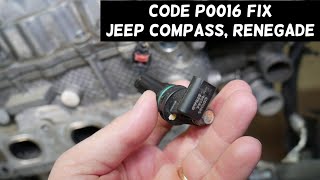
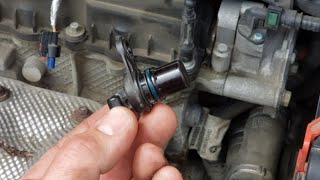
Typical fix: Replace the faulty sensor. The camshaft position sensor is typically on the top of the engine, 🎬 See this guide for replacing the camshaft position sensor while the crankshaft sensor is on the lower part of the engine block. A cam/crank relearn procedure is required with a capable scan tool after replacement.
Est. part cost: $25-$75 - Stretched Timing Chain or Failing Tensioner ⚪ Low Probability Chronically low oil levels can accelerate wear on the timing chain, guides, and tensioner, causing the chain to stretch or 'jump' a tooth.
How to confirm: This is an advanced diagnosis. A mechanic may listen for a rattling noise from the timing cover on startup. Confirmation requires partial engine disassembly to physically inspect the chain's slack and alignment marks.
Typical fix: Replace the timing chain, tensioner, and guides. This is a labor-intensive job.
Est. part cost: $150-$400
Rare But Worth Checking
- Failing MultiAir Actuator (VVA 'Brick'): The Variable Valve Actuator (VVA), often called the 'MultiAir brick', is a complex assembly that uses engine oil pressure to control intake valve lift. If it fails internally, leaks, or its solenoids get stuck, it can cause a variety of codes, including P0016. This is an expensive, labor-intensive repair and is often misdiagnosed.
- Damaged Camshaft Phaser / VVT Actuator: The phaser itself can fail mechanically, getting stuck in one position. This usually happens after other causes (like oil issues) have been ruled out. Diagnosis involves checking live data on a scan tool to see if the actual cam angle matches the desired angle.
- Wiring or Connector Issue: A damaged wire or loose connector for the camshaft sensor, crankshaft sensor, or OCV can mimic a component failure. Always inspect the wiring harness for signs of damage, especially near hot exhaust components. On Jeeps, there is a known pattern of the main PCM wiring harness rubbing against its bracket, which can cause chafing.
- Needs a Powertrain Control Module (PCM) Software Update: As per TSB 18-054-20, the P0016 code can be triggered by a software glitch. Before replacing expensive hardware, a dealer or qualified shop should check if this PCM update is available and has been performed. This is a much more common fix than the PCM itself failing.
Diagnosis Steps

- Check for TSBs: Before any other step, check if TSB #18-054-20 is applicable to your vehicle's VIN. A PCM software update at a dealership could be the complete fix.
- Check Engine Oil: Verify the oil level is full and the oil is clean and of the correct viscosity (Chrysler Spec MS-6395). If low or dirty, perform an oil and filter change, clear the codes, and drive to see if the code returns.
- Scan Tool Data: Use a scan tool to check for any other accompanying fault codes. Observe live data for desired vs. actual camshaft position angles to see if the VVT system is responding to commands.
- Inspect Wiring: Visually inspect the wiring and connectors for the camshaft position sensor, crankshaft position sensor, and the oil control valve (VVT solenoid) for any signs of damage, melting, or corrosion. Pay close attention to the PCM wiring harness for chafing against its bracket.
- Test Oil Control Valve (OCV): Command the OCV with a scan tool to check for an audible click and a change in engine idle. If no scan tool is available, the OCV can be removed, inspected for debris on its screen, and tested by applying 12V to see if the internal plunger moves.
- Test Sensors: If wiring is okay, test the resistance of the camshaft and crankshaft position sensors with a multimeter and compare to factory specifications. An oscilloscope is the best tool to verify a clean signal pattern. 🎬 Watch: How to test and fix cam/crank correlation codes
- Perform Cam/Crank Relearn: If sensors are replaced, a cam/crank variation relearn procedure must be necessary using a capable scan tool to sync the new components with the PCM.
- Mechanical Timing Check: If all electronic components test good, the issue is likely mechanical. This requires removing the valve cover and/or timing cover to inspect the timing chain for slack and verify the timing marks on the sprockets and crankshaft are aligned. This step is best left to a professional.
Parts You'll Likely Need
- Engine Oil and Filter — Low, dirty, or incorrect viscosity oil is the most common and easily fixed cause for VVT-related codes like P0016.
Trusted brands: Mopar, Pennzoil (meeting MS-6395 spec), Mobil 1
OEM price range: $60-$100
Aftermarket price range: $40-$80 - Oil Control Valve (VVT Solenoid)
(OEM #Must be verified by VIN)— This solenoid controls oil flow to the cam phaser and is a frequent failure point, either by clogging or electronic failure.
Trusted brands: Mopar, Dorman, Standard Motor Products
OEM price range: $70-$120
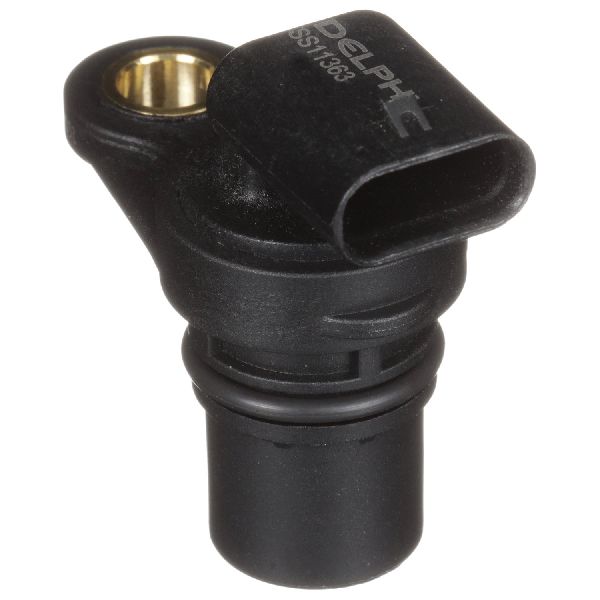
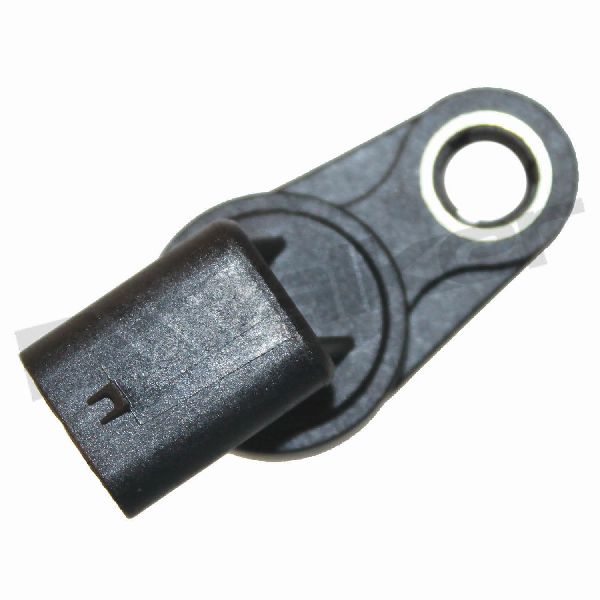
Aftermarket price range: $30-$90 - Camshaft Position Sensor — A failing sensor can send an incorrect signal to the PCM, causing a false timing correlation code.
Trusted brands: Mopar, Bosch, NTK
OEM price range: $60-$90
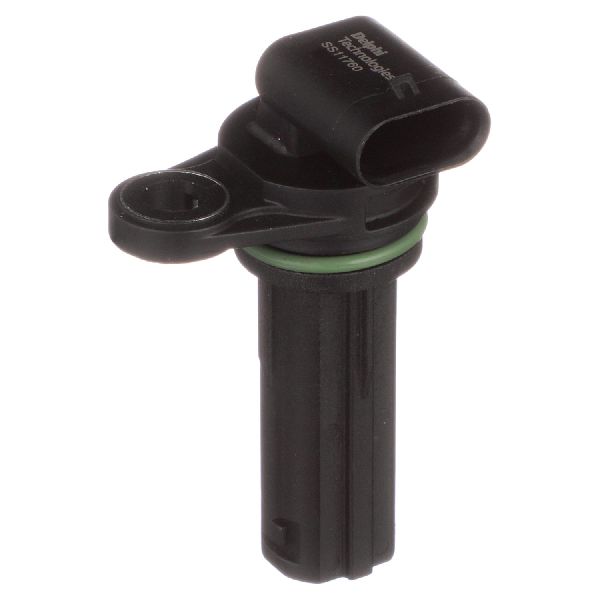
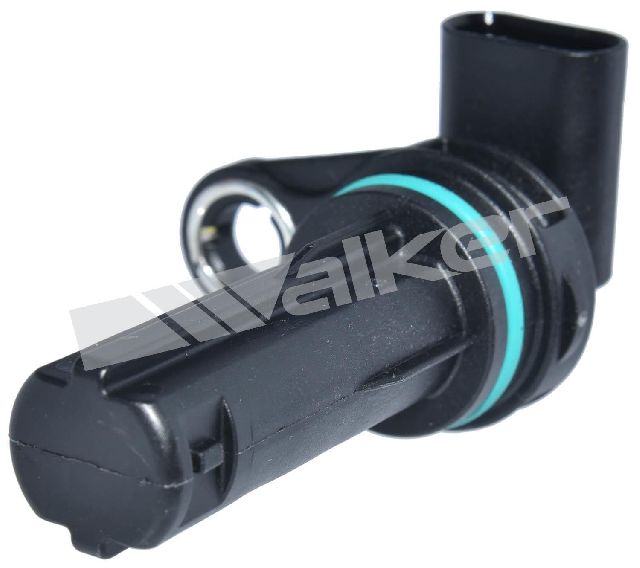
Aftermarket price range: $25-$60 - Crankshaft Position Sensor — A failing sensor provides the baseline for engine timing; if its signal is erratic, it can trigger a P0016 code.
Trusted brands: Mopar, Bosch, NTK
OEM price range: $50-$80
Aftermarket price range: $25-$55
Related Codes That Often Appear With This One
- P0340 — This code indicates a fault in the Camshaft Position Sensor circuit itself. It can appear with P0016 if the sensor is failing or has a wiring issue. TSB #18-054-20 lists them together as potentially being resolved by a PCM software update.
- P0017 — This is the same timing correlation error but for the exhaust camshaft ('Sensor B'). If both P0016 and P0017 appear, it may point more strongly towards a base timing issue like a stretched chain or a problem with the oil supply feeding both VVT phasers.
- P000B — This code means 'Bank 1 Camshaft 2 Position Slow Response'. It often appears with P0016 and points to a problem with the VVT system's ability to change cam timing on demand, often due to a sticky VVT solenoid or low oil pressure.
Technical Service Bulletins (TSBs) & Recalls

- FCA issued this bulletin for 2018 Renegades with the 2.4L engine involving a Powertrain Control Module (PCM) software update. The update addresses several Diagnostic Trouble Codes (DTCs) that may be set erroneously, including P0016, P0340 (Camshaft Position Sensor Circuit), and P0456. It also addresses a customer complaint of a vehicle that 'periodically may fail to start'. The fix is to reprogram the PCM with the latest software, which may resolve the code without any parts replacement.
Platform-Specific Known Issues
- The 2.4L Tigershark MultiAir engine in many FCA vehicles, including the Renegade, is noted for having issues with excessive oil consumption. This can lead to low oil levels that cause VVT system malfunctions and trigger P0016. Owners should check their oil level frequently.
Mechanic-Grade Diagnostic Values
- Crankshaft Position Sensor (CKP) Signal Voltage — expected: ≥1.2 Vpp (Volts peak-to-peak) at idle for a genuine OEM sensor.. Failure: A reading ≤0.7 Vpp may indicate a failing or incorrect aftermarket sensor.
- Crankshaft Position Sensor (CKP) Air Gap — expected: 0.8mm ±0.1 mm. Failure: An incorrect air gap can cause erratic signal generation.
- Cam/Crank Waveform Correlation via Oscilloscope — expected: At idle, the 17th tooth signal of the crankshaft sensor after the missing tooth should align with the high signal of the camshaft sensor.. Failure: If these signals do not align as specified, it indicates a mechanical timing issue (e.g., stretched chain).
Scan Tool Commands That Help
- wiTECH or equivalent professional scanner: Cam/Crank Relearn — This function must be performed after replacing the camshaft or crankshaft position sensor, or after any timing chain service, to synchronize the new components with the PCM.
- wiTECH or equivalent professional scanner: ECU Reset — Often performed in conjunction with the Cam/Crank Relearn to clear adaptive memory and ensure the new learned values are stored correctly.
- wiTECH or equivalent professional scanner: Multi-air VVA Solenoid Active Test — Used to individually command each VVT solenoid on the MultiAir 'brick'. Listening for an audible click confirms the solenoid is activating electronically, helping to isolate a mechanical vs. electrical failure without removal.
- Advanced OBD-II Scanner: Power Balance Test — While typically for misfires, this test can help determine if the P0016 code is associated with a performance issue in a specific cylinder by deactivating one cylinder at a time and observing the RPM drop.
Wiring & Ground Locations
- PCM Connector C2 — The Powertrain Control Module (PCM) is located in the engine bay. C2 is one of the main harness connectors plugging into it.. This connector contains the signal wires for the cam and crank sensors. On a 2018 model, Pin 44 is the Crankshaft Position (CKP) signal and Pin 45 is the Camshaft Position (CMP) signal. Damage to these specific pins or wires can directly cause P0016.
- PCM Wiring Harness Bracket — Located near the Powertrain Control Module (PCM) in the engine bay.. There is a known issue on Jeep platforms where the main wiring harness can rub (chafe) against this metal bracket, potentially damaging the insulation on the cam or crank sensor wires and causing an intermittent short or open circuit.
- Engine Compartment Fuse Box — Located next to the battery in the engine bay.. Contains fuses and relays essential for the PCM and engine control systems. A blown fuse for the PCM or related sensors could cause this code.
OEM Part Supersession History
4884695aa→4884695AB— Updated part for the Intake VVT Solenoid (Oil Intake Control Valve).4884483aa, 4884483ab→4884483AC— Updated part for the Exhaust VVT Solenoid (Oil Exhaust Control Valve).5047021aa→5047021AB— Updated part for the Intake Camshaft Phaser.
Model Year Variations Within This Range
- 2017-2018: The 2.4L engine used in the 2018 Renegade is identified by the 8th VIN digit 'B', which differs from the 'T' VIN engine used in 2015-2016 models, indicating a production change.
Helpful Videos
We Have This Part in Stock


The information in this article is provided for general reference and educational purposes only. Vehicle specifications, procedures, and part compatibility can vary by production date, trim level, and region. Always consult your vehicle's factory service manual and verify part numbers before purchasing or performing repairs. Safety-critical components such as airbags, seat belts, and braking systems should be installed by a qualified professional.
- Jeep RENEGADE:
- 🎬 Helpful Videos
- 🛍️ Shop This Part
- What's Unique About the 2018-2018 Jeep Renegade
- Diagnostic Flowchart
- Symptoms You May Notice
- Most Likely Causes
- Rare But Worth Checking
- Diagnosis Steps
- Parts You'll Likely Need
- Related Codes That Often Appear With This One
- Technical Service Bulletins (TSBs) & Recalls
- Platform-Specific Known Issues
- Mechanic-Grade Diagnostic Values
- Scan Tool Commands That Help
- Wiring & Ground Locations
- OEM Part Supersession History
- Model Year Variations Within This Range
- 🎟️ Get 5% Off