

P0016 on 2015-2021 Ford Expedition: Crank/Cam Correlation Causes & Fixes
On a 2015-2021 Expedition with the 3.5L EcoBoost, P0016 almost always indicates a stretched timing chain or related timing component failure, such as worn phasers. This is a serious, complex, and expensive repair, often costing between $2,500 and $4,500+. Do not continue to drive the vehicle, as it can lead to catastrophic engine failure.
- P0016 on a 2015-2021 Expedition is a serious code that should be addressed immediately.
- Do not drive the vehicle, as you risk catastrophic engine failure.
- The most likely cause is a stretched timing chain, a known issue with the 3.5L EcoBoost engine.
- While a faulty VCT solenoid or dirty oil can cause the code, a full timing system failure is highly probable.
- This is not a DIY-friendly repair. Expect a professional repair bill in the range of $2,500 to $4,500+.
What's Unique About the 2015-2021 Ford EXPEDITION

The 3.5L EcoBoost engine, particularly the second generation (2017+) used in this Expedition, is notoriously prone to premature timing component wear, specifically the camshaft phasers. This isn't just a possibility; it's a well-documented pattern acknowledged by Ford through numerous Technical Service Bulletins (TSBs). While older generations (pre-2017) were known for timing chain stretch, the newer engines are more susceptible to phaser failure, which often presents with a loud 2-5 second rattle on a cold start. Unlike many other vehicles where P0016 might be a simple sensor issue, on this platform, it is very frequently the first warning of a major mechanical failure that requires a complete timing system overhaul.
Diagnostic Flowchart

Tap your situation to follow the diagnostic path that matches what you're seeing on this vehicle.
Generation note: This range covers the end of the third generation (2015-2017) and the start of the fourth generation (2018-2021). Both generations use versions of the 3.5L EcoBoost V6 prone to timing issues. The first generation 3.5L (up to 2016) was more known for primary timing chain stretch. The second generation 3.5L (2017+) is more known for cam phaser failure causing a cold start rattle, though chain stretch can still occur. The Gen 2 engine, introduced to the Expedition in 2018, features a dual-injection (port and direct) fuel system and other revisions. The fundamental repair is similar across these years, involving a full timing component replacement.
Symptoms You May Notice
- Check Engine Light is on
- Loud rattling, slapping, or tapping noise from the front of the engine for 2-5 seconds on a cold start.
- Rough or unstable idle
- Engine stalling or hesitating, sometimes cleared by restarting the engine.
- Noticeable reduction in engine power and acceleration, sometimes referred to as 'limp mode'.
- Decreased fuel economy.
- Engine may crank but not start in severe cases.
- Replacing only the camshaft position sensor or crankshaft position sensor without verifying the mechanical timing. The code almost always points to a mechanical fault, not a sensor failure, on this engine.
- Replacing only the VCT solenoids when the chain is already stretched or the phasers have failed. While solenoids can be a cause, they are often a secondary issue or not the root cause of a persistent P0016.
- Ignoring the cold start rattle. This rattle is a key diagnostic clue that points directly to phaser and timing chain issues and should not be ignored.
Most Likely Causes

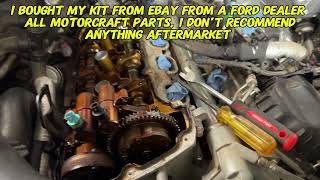
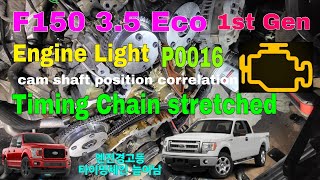
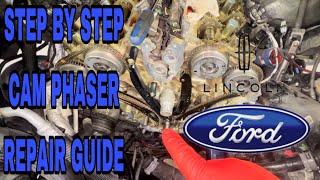
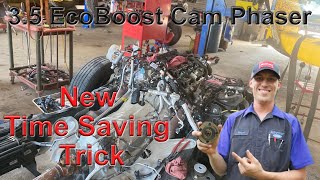
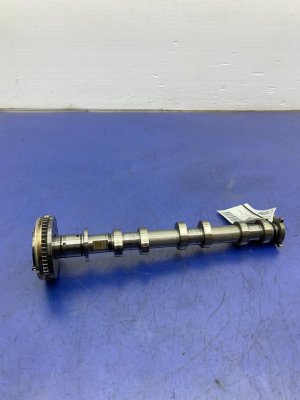
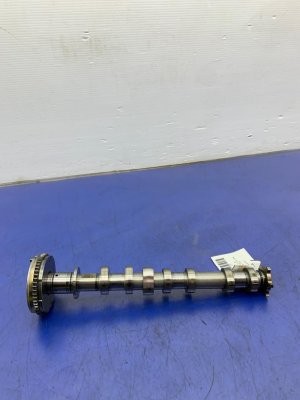
- Worn Camshaft Phasers (VCT Units) 🔴 High Probability This is the most common cause, especially on 2017+ models. The phasers can fail internally, lose oil pressure on shutdown, and cause a loud rattle on startup as they wait for oil pressure to build. Ford has released multiple TSBs (e.g., 20-2315, 21-2119) and updated part numbers specifically to address this phaser rattle issue. 🎬 Watch: See the updated phaser design and how they are replaced.
How to confirm: The primary symptom is a 2-5 second rattle on cold start. A mechanic can use a scan tool to monitor requested vs. actual cam angle PIDs (e.g., VCT_ADV_ERR); significant deviation points to a phaser or timing issue. Conclusive diagnosis requires visual inspection during teardown.
Typical fix: Replace all four camshaft phasers (two intake, two exhaust). This is almost always done as part of a complete timing chain job.
Est. part cost: $150-$300 per phaser. - Stretched Timing Chain 🔴 High Probability The primary timing chain is very long and can stretch over time, causing slack that the tensioner can no longer accommodate. This was a more prominent issue on the Gen 1 EcoBoost (pre-2017) but can still happen on later models. A stretched chain directly causes the cam and crank signals to de-correlate.
How to confirm: A mechanic must remove the front engine cover or passenger-side valve cover to physically inspect the chain for slack and check the tensioner's extension. A rattling noise on startup is a strong audible clue.
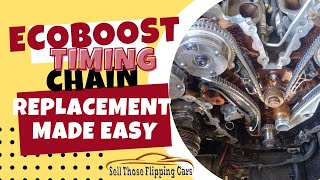
Typical fix: Complete replacement of the primary timing chain, all tensioners, and all plastic guides. This is done along with the phasers and often the water pump.
Est. part cost: $500-$1200 for a complete OEM kit. - Failing VCT Solenoid 🟡 Medium Probability Ford TSBs SSM 48423 and SSM 47170 state that small debris in the oil can cause the Variable Camshaft Timing (VCT) solenoids to stick, leading to timing correlation codes like P0016.
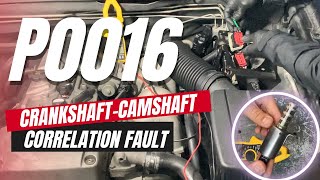
How to confirm: A scan tool can command the solenoid on and off to monitor its response and listen for a click. Resistance can be checked across the solenoid's pins. It's a common first diagnostic step before tearing the engine down. However, it's crucial to use OEM solenoids, as aftermarket ones are known to be unreliable.
Typical fix: Replace the VCT solenoid for Bank 1 Intake. It's often recommended to replace all four VCT solenoids as a preventative measure during a full timing job.
Est. part cost: $30-$60 per solenoid. - Low or Dirty Engine Oil 🟡 Medium Probability The entire VCT system is hydraulic and relies on clean oil at the correct pressure to function. Neglected oil changes or using the wrong viscosity oil can lead to sludge and debris that clog solenoid screens and phaser passages, causing timing deviations.
How to confirm: Check the oil level on the dipstick and inspect its condition. If it's low, black, or sludgy, this is a likely contributor. An oil change is a cheap first step, but unlikely to fix a persistent P0016.
Typical fix: Change the engine oil and filter using the correct viscosity (5W-30) and a high-quality filter. An engine flush may be recommended, but if the chain is already stretched, this will not solve the problem.
Est. part cost: $50-$100
Rare But Worth Checking
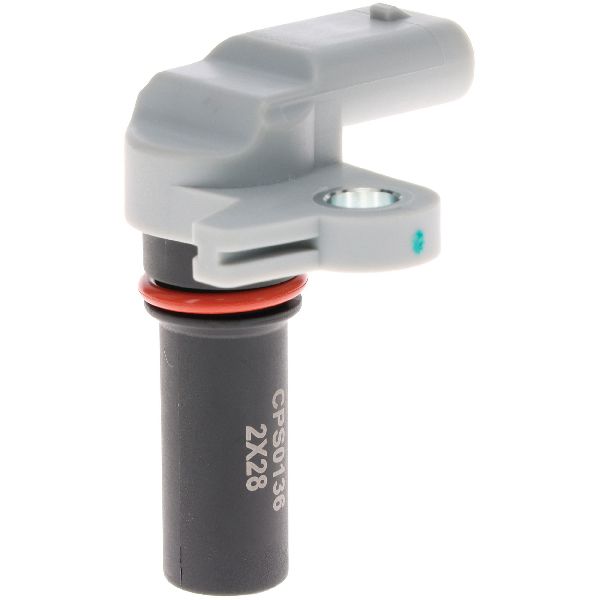
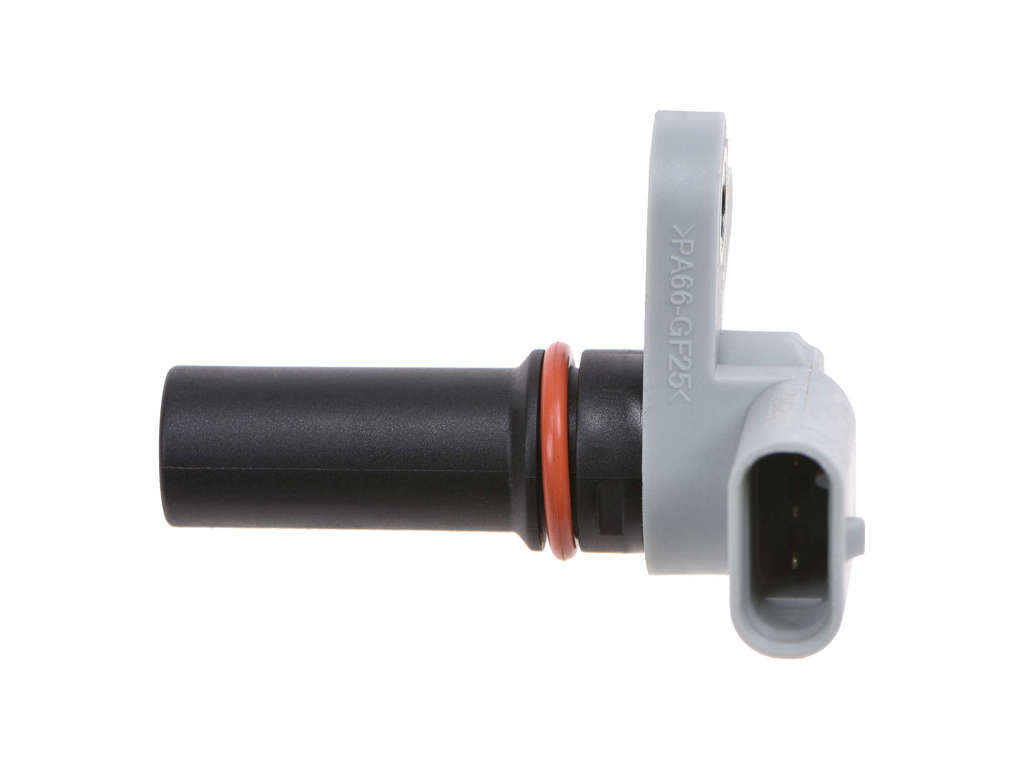
- Failed Crankshaft or Camshaft Position Sensor: While these sensors can fail, it's far less common than the mechanical timing components on this engine. They are often replaced unnecessarily in a failed attempt to fix the P0016 code.
- Damaged Tone Ring: The reluctor wheel (tone ring) on the crankshaft or camshaft that the sensor reads can be damaged, bent, or slip, but this is rare and usually only happens during other engine work.
- Wiring Issues: A short or open in the wiring to the camshaft position sensor or VCT solenoid could cause the code, as could a loose pin in a connector.
Diagnosis Steps
- Verify engine oil level and condition. If low or dirty, correct this first, clear codes, and see if the issue returns.
- Scan the PCM for all DTCs. Note any other codes present, especially other timing or turbo-related codes.
- Listen for a distinct rattling noise from the front of the engine during a cold start (after sitting for 6+ hours). This is a classic symptom of worn cam phasers and a loose timing chain.
- Using a professional scan tool (like FORScan or Ford's IDS), monitor the PIDs for desired vs. actual camshaft position for all four cams. Specifically look at the error PIDs (e.g., VCT_INT1_ERR, VCT_EXH1_ERR). A persistent deviation of several degrees at idle or under load strongly indicates a mechanical timing issue.
- As suggested by Ford TSBs, a mechanic may try commanding the Bank 1 intake VCT solenoid with a scan tool to listen for a click and see if it is stuck.
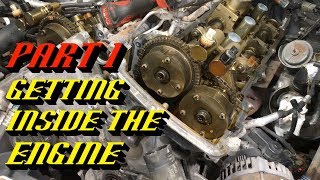
- If the above steps strongly suggest a timing issue, the final step is mechanical verification. This requires removing the valve covers and/or front engine cover to physically inspect the timing chain for slack, check guide condition, and verify the timing marks on the phasers, sprockets, and crankshaft.
Parts You'll Likely Need
- Timing Chain Kit
(OEM #BL3Z-6D256-C)— This is the most common failure. A complete kit ensures all worn components (chain, guides, tensioners) are replaced. This part number is for the primary chain and tensioner kit.
Trusted brands: Motorcraft
OEM price range: $350-$550
Aftermarket price range: $200-$400 - Camshaft Phaser/VCT Actuator (Intake)
(OEM #ML3Z-6256-A)— The phasers are a primary failure point, especially on 2017+ models. This is the latest updated part number that supersedes older, more failure-prone versions like the HL3Z-6256-CD.
Trusted brands: Motorcraft
OEM price range: $150-$300
Aftermarket price range: $100-$200 - Camshaft Phaser/VCT Actuator (Exhaust)
(OEM #ML3Z-6C525-A)— Similar to the intake phasers, the exhaust phasers should be replaced at the same time. This is the latest updated part number, superseding the older HL3Z-6C525-CD.
Trusted brands: Motorcraft
OEM price range: $150-$300
Aftermarket price range: $100-$200 - VCT Solenoid
(OEM #AT4Z-6M280-B)— Often replaced as a preventative measure or if diagnostics point to a sticking solenoid. It's recommended to replace all four during a timing job. This part number is for the left bank intake.
Trusted brands: Motorcraft
OEM price range: $30-$60
Aftermarket price range: $20-$40
Related Codes That Often Appear With This One
- P0011 — Intake Camshaft Position Timing - Over-Advanced (Bank 1). This code is often seen with P0016 as they both relate to the timing of the Bank 1 intake camshaft. [TSB SSM 54366]
- P0012 — Intake Camshaft Position Timing - Over-Retarded (Bank 1). Similar to P0011, this indicates a timing error on the same camshaft. [TSB SSM 54366]
- P0017, P0018, P0019 — These are correlation codes for the exhaust camshaft (P0017) and the camshafts on Bank 2 (P0018, P0019). If the timing chain is stretched, it can affect the timing of all camshafts. [TSB SSM 54366]
- P0299 — Turbocharger/Supercharger Underboost. The PCM may limit turbo boost as a protective measure ('limp mode') when a serious timing code like P0016 is present.
Technical Service Bulletins (TSBs) & Recalls
- ODI #11557822: Owner complaint linking P0016 to a stretched crankshaft chain.
- SSM 54366: Acknowledges P0016 can appear on 2015-2021 Ford vehicles and directs technicians to specific diagnostic tests.
- SSM 48423 / SSM 47170: Suggests P0016 may be due to small debris causing the VCT solenoid to stick.
- TSB 20-2315 / 21-2119: Addresses cold start rattle from worn VCT units (phasers) on 2018-2020 Expeditions.
- TSB 16-0093: Addresses timing codes including P0016 on very low mileage 2016 models, pointing to VCT solenoid replacement.
- TSB 17-0026: Pertains to older (pre-2015) F-150s but confirms P0016 is caused by a worn primary timing chain and provides a kit part number.
Platform-Specific Known Issues
- An owner of a 2020 Expedition reported DTCs P0011, P0012, and P0016, which the dealer diagnosed as a stretched crankshaft chain requiring replacement. [ODI #11557822]
- Ford Technical Service Bulletin TSB 20-2315 (superseded by 21-2119) specifically addresses a 'ticking/tapping or rattle type noise' on 2018-2020 Expedition/Navigator models on cold start due to worn VCT units (phasers).
- TSB 16-0093 addresses P0016 and other timing codes on very low mileage (under 2000 miles) 2016 Expeditions, suggesting a potential for premature failure right from the factory, directing technicians to replace the affected VCT solenoid.
- Forum user on F150forum with a 2017 3.5L EcoBoost at only 47k miles reported the classic cold start rattle and 'diesel' sound at idle, which points directly to the common cam phaser and timing chain issue.
- A Reddit user with a 2012 F-150 (same engine family) experienced P0016 without the typical rattle, tried replacing the sensor twice, but the code returned, illustrating that the lack of a rattle doesn't rule out a mechanical timing issue.
Mechanic-Grade Diagnostic Values
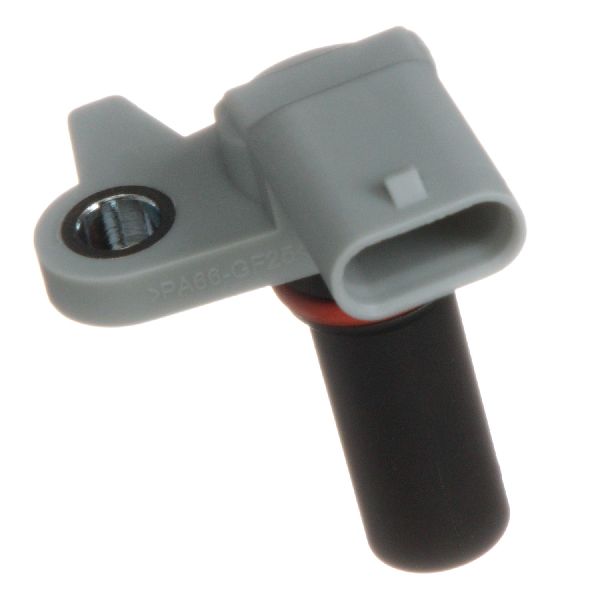
- Camshaft Position Sensor (3-wire Hall effect) Power Supply Voltage — expected: ~5 Volts (with key on, engine off). Failure: No voltage or significantly lower voltage indicates a wiring or PCM issue.
- Camshaft Position Sensor (3-wire Hall effect) Signal Wire Voltage — expected: Toggles between ~5V and ~0V when a metallic object is passed in front of the sensor tip.. Failure: Voltage does not change or is stuck at 0V or 5V, indicating a faulty sensor.
- VCT Solenoid Resistance — expected: Within manufacturer's specified Ohm range (Note: a specific value for this exact part was not found, but a general diagnostic guide suggests a reading outside of spec, like 22 Ohms in one example, confirms failure).. Failure: Reading of 0 ohms (short circuit), infinite resistance (open circuit), or a value outside the OEM specification.
Scan Tool Commands That Help

- Ford IDS (Integrated Diagnostic System): VCT_INT_DSD# and VCT_EXH_DSD# (Output State Control) — These are bidirectional PIDs used to command the VCT solenoids on and off while monitoring VCT error PIDs. This allows a technician to test the solenoid's and phaser's mechanical response to a command from the PCM, helping to isolate a sticky solenoid from a mechanically failed phaser.
Wiring & Ground Locations
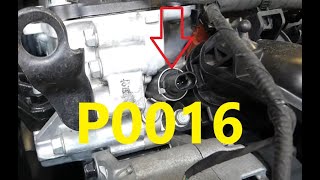
- Bank 1 Camshaft Position Sensor 'A' (Intake) — On the passenger side (Bank 1) valve cover, towards the rear of the engine. It is one of two sensors on that cover.. This is the specific sensor ('Sensor A') referenced by the P0016 code. Checking its connector and wiring is a crucial first step before condemning mechanical parts.
- PCM Connector C175B — This is one of the main connectors at the Powertrain Control Module (PCM).. For vehicles with the 3.5L engine, wiring for the cam sensors runs to this connector. For example, on some models, the circuit for a cam sensor runs between pin 2 of the sensor connector and pin 74 of C175B at the PCM, allowing for continuity checks.
Real Owner Repair Stories
- Ford Truck Enthusiasts Forums (2014 F-150 3.5 EcoBoost, 150k miles) — Slightly rough idle before operating temp, P0016 code that would return after being cleared.
❌ Tried (didn't work) Clearing the code repeatedly.
✅ What actually fixed it The owner was preparing for a full timing chain job but decided to first try replacing only the Bank 1 Intake Camshaft Position Sensor. This resolved the P0016 code, and the fix was reported as holding for six months and 10,000 miles. This represents a rare but possible outcome where the sensor itself was the fault. - Reddit r/f150 (2013 F-150 3.5L EcoBoost, 90k miles) — P0016 code, confirmed stretched timing chain (tensioner fully extended).
❌ Tried (didn't work) A complete timing chain and phaser replacement using the latest Ford kit (BL3Z-6D256-C). The P0016 code returned 5-10 minutes after the repair.
✅ What actually fixed it The story is unresolved. The user posted seeking help after the full timing job did not fix the code, highlighting a scenario where even the most common and comprehensive fix may not be the final answer, possibly pointing to an underlying wiring or PCM issue.
OEM Part Supersession History
HL3Z-6256-A, HL3Z-6256-B, HL3Z-6256-C, HL3Z-6256-CD→ML3Z-6256-A— Redesign to address premature failure and cold start rattle. The ML3Z part is from the 2021+ engines and is physically different.
Heads up: The ML3Z-6256-A part is the correct, updated replacement for the older HL3Z phasers on 2017-2020 models, even though some parts catalogs may incorrectly show it as incompatible. Using the old HL3Z stock is not recommended.HL3Z-6C525-A, HL3Z-6C525-B, HL3Z-6C525-C, HL3Z-6C525-CD→ML3Z-6C525-A— Redesign to address premature failure and cold start rattle, in line with the intake phaser update.
Heads up: The ML3Z-6C525-A part is the correct, updated replacement for the older HL3Z exhaust phasers on 2017-2020 models. It is critical to use this updated part instead of old stock.
Model Year Variations Within This Range
- 2015-2017: These model years use the first-generation 3.5L EcoBoost. While still prone to timing issues, the primary cause is more often attributed to primary timing chain stretch. The cam phaser issue is less prominent than in later years.
- 2018-2021: These model years use the second-generation 3.5L EcoBoost, which was a significant redesign. It introduced a dual fuel injection system (port and direct) to combat carbon buildup and featured different turbochargers and a higher compression ratio. This generation is particularly known for the cam phaser failure that causes a cold start rattle, which became the most common cause for timing-related codes like P0016.
Helpful Videos
Used OEM Parts in Stock
New Aftermarket Parts Available


The information in this article is provided for general reference and educational purposes only. Vehicle specifications, procedures, and part compatibility can vary by production date, trim level, and region. Always consult your vehicle's factory service manual and verify part numbers before purchasing or performing repairs. Safety-critical components such as airbags, seat belts, and braking systems should be installed by a qualified professional.
- Ford EXPEDITION:
- 🎬 Helpful Videos
- 🛍️ Shop This Part
- What's Unique About the 2015-2021 Ford EXPEDITION
- Diagnostic Flowchart
- Symptoms You May Notice
- Most Likely Causes
- Rare But Worth Checking
- Diagnosis Steps
- Parts You'll Likely Need
- Related Codes That Often Appear With This One
- Technical Service Bulletins (TSBs) & Recalls
- Platform-Specific Known Issues
- Mechanic-Grade Diagnostic Values
- Scan Tool Commands That Help
- Wiring & Ground Locations
- Real Owner Repair Stories
- OEM Part Supersession History
- Model Year Variations Within This Range
- 🎟️ Get 5% Off