

P0016 on 2009-2016 Chevrolet Traverse: Stretched Timing Chain Causes and Fixes
P0016 on a 2009-2016 Traverse almost always means the timing chains have stretched. This is a well-known issue with the 3.6L V6 engine, often exacerbated by extended oil change intervals. The definitive fix is a complete timing chain kit replacement, which is a major repair costing between $2,700 and $4,005 at a shop.
- P0016 on a 2009-2016 Traverse is a serious code that almost always points to stretched timing chains.
- Do not ignore this code. Driving with it can lead to catastrophic engine failure.
- The correct fix is to replace the entire timing chain system (chains, guides, tensioners), not just sensors.
- This is a difficult and expensive repair, with shop costs often exceeding $3,000. It is not recommended for a DIY beginner.
What's Unique About the 2009-2016 Chevrolet TRAVERSE

The 3.6L V6 engine used in the first-generation Traverse (both the earlier LLT and later LFX versions) is notorious for premature timing chain stretching. This isn't a random failure; it's a widely documented pattern. A combination of factors, including the original chain design and potentially long oil change intervals recommended by the oil life monitor (OLM), can lead to accelerated wear. The chains stretch, causing slack that the tensioners can no longer accommodate, leading to the correlation error. While faulty sensors or solenoids can cause P0016 on other vehicles, on this specific platform, the root cause is overwhelmingly the timing chains themselves, as confirmed by multiple GM Technical Service Bulletins.
Diagnostic Flowchart
Tap your situation to follow the diagnostic path that matches what you're seeing on this vehicle.
Symptoms You May Notice
- Check Engine Light is on
- Rough or unstable idle
- Lack of power and sluggish acceleration
- Rattling, scraping, or knocking noise from the engine, especially on startup and most noticeable on the passenger side
- Engine cranks but fails to start in severe cases.
- Reduced fuel economy.
- Replacing only the camshaft and crankshaft position sensors without checking the mechanical timing. On the 3.6L V6, the problem is almost always the chains themselves.
- Replacing only one or two of the three timing chains, or reusing old tensioners and guides. The job must be done with a complete kit to be effective.
Most Likely Causes

- Stretched Timing Chains 🔴 High Probability The original timing chains on the 3.6L V6 engine were prone to premature wear and stretching. GM later updated the parts. This is the most common cause by a wide margin, as documented in TSBs #PIP3423P and #12-06-01-009F. The issue is often linked to extended oil change intervals, as the oil life monitoring system may have allowed for intervals that were too long, leading to oil degradation and increased chain wear.
How to confirm: A technician will use a scan tool to view camshaft/crankshaft correlation data; a deviation of more than 4-6 degrees often indicates a problem. Physical confirmation requires removing the timing cover to inspect the chains for excessive slack and checking if the tensioners are fully extended.
Typical fix: Replace all three timing chains, all tensioners, and all guides with a new, updated timing chain kit. It is also highly recommended to replace the water pump, VVT solenoids, and perform an oil change with full synthetic oil at the same time.
Est. part cost: $250-$500 - Failed Timing Chain Tensioner(s) 🟡 Medium Probability The tensioners, which use oil pressure to keep the chains tight, can fail, stick, or become weak, allowing the chains to go slack. This often happens in conjunction with chain stretching, as a stretched chain forces the tensioner to its maximum travel, where it is more likely to fail.
How to confirm: During a physical inspection with the timing cover off, a technician can check if the tensioners are fully extended or failing to hold pressure. Broken pieces of the tensioner guides may also be found in the oil pan.
Typical fix: Replace all timing chain tensioners as part of a complete timing chain kit replacement. They are a critical wear item and should not be reused.
Est. part cost: $50-$100 - Low or Dirty Engine Oil ⚪ Low Probability The timing chain tensioners and VVT system are entirely dependent on clean oil and proper oil pressure. GM's oil life monitor (OLM) in this era has been criticized for allowing excessively long oil change intervals (up to 10,000-12,000 miles), which can lead to oil breakdown, sludge, and accelerated wear on all timing components. This is considered a major contributing factor to the timing chain problem.
How to confirm: Check the oil level and condition on the dipstick. Review vehicle service history for oil change frequency. An engine flush may be attempted, but it is highly unlikely to fix a chain that is already stretched or a tensioner that has failed.
Typical fix: Perform an oil and filter change with a high-quality, dexos-approved full synthetic oil. Adhering to a shorter oil change interval (e.g., 5,000 miles) is a critical preventative measure for engine longevity, but it will not fix existing mechanical wear.
Est. part cost: $50-$100
Rare But Worth Checking
- Slipped Crankshaft Reluctor Ring: TSB #PIP3423P specifically addresses this. The toothed reluctor ring that the crankshaft sensor reads is press-fit onto the crank and can physically move. This causes a timing correlation code even if the chains are perfect. Diagnosis can sometimes be done with a borescope through the crank sensor hole, but the fix requires crankshaft replacement or, in some aftermarket cases, tack welding the ring in place.
- Failed VVT Solenoid or Cam Phaser (Actuator): A stuck VVT solenoid (also called a camshaft position actuator solenoid) or a mechanically failed cam phaser can cause a correlation error. Debris in the oil can clog the solenoid screens, causing them to stick. While less common than chain stretch, they are often replaced during a timing chain job as a preventative measure.
- Failed Camshaft or Crankshaft Position Sensor: While possible, sensor failure is much less common than mechanical timing chain issues on this engine. Usually, a bad sensor will set its own specific circuit code (e.g., P0335, P0341) in addition to P0016, which would point more directly to a sensor or wiring fault.
Diagnosis Steps
- Verify the Check Engine Light is on and code P0016 is present using an OBD-II scanner. Note any other codes, especially P0008, P0009, P0017, P0018, or P0019. 🎬 Watch: A mechanic explains common Traverse timing related codes.
- Check engine oil level and condition. If low or dirty, this is a major red flag for accelerated timing chain wear.
- Using an advanced scan tool, monitor the live data for Camshaft Position Variance for Bank 1. At idle, it should be 0 degrees. During a snap throttle, momentary deviations up to 6 degrees might be seen, but sustained deviation or deviation at idle points to a problem. 🎬 Watch: How to test timing chain issues with a labscope.
- Listen for a rattling or scraping noise from the front of the engine (passenger side), which is a classic sign of a loose timing chain slapping against the guides or timing cover.
- If a timing issue is suspected, the next step is a major disassembly to remove the engine timing cover for physical inspection.
- Inspect the timing chains for slack. Check the timing chain tensioners to see if they are fully extended, indicating significant chain stretch. Look for broken plastic from the chain guides in the oil pan.
- If chains are stretched, replace the complete timing chain kit (chains, guides, tensioners).
- If chains appear tight, the issue is likely rarer. Inspect the crankshaft reluctor wheel for movement, as per TSB PIP3423P. This can sometimes be done with a borescope through the crank sensor port.
Parts You'll Likely Need

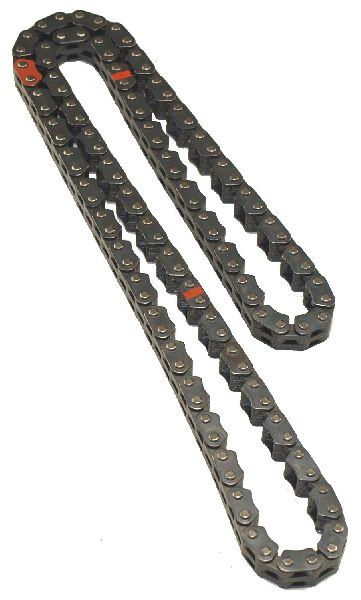
- Engine Timing Chain Kit
(OEM #12680750)— This is the definitive fix. A complete kit replaces all the wearable components (chains, guides, tensioners) to restore proper engine timing. Using an updated kit from GM or a quality aftermarket supplier is crucial.
Trusted brands: ACDelco (OEM), Cloyes, Melling
OEM price range: $270-$350
Aftermarket price range: $150-$250 - VVT Solenoids (Camshaft Position Actuator Solenoids)
(OEM #12655420 (Intake), 12655421 (Exhaust))— Often replaced as a preventative measure during a timing chain job. They are relatively inexpensive and easy to access once the engine is partially disassembled. Sludge from infrequent oil changes can cause them to stick or fail, contributing to timing codes.
Related Codes That Often Appear With This One
- P0017 — This code indicates a correlation error on the Bank 1 *exhaust* camshaft. It is extremely common to see P0016 and P0017 together, as the stretched primary timing chain affects all camshafts on that bank.
- P0008 — This is a more general engine timing code (Engine Positions System Performance Bank 1). It often appears as the first warning sign and is a strong indicator of the same stretched timing chain issue.
- P0009 — Similar to P0008, but for Bank 2 (the bank closer to the radiator). Seeing P0008 and P0009 together with P0016/P0017/P0018/P0019 strongly confirms a systemic timing chain problem affecting both cylinder banks.
- P0018 / P0019 — These are the equivalent codes for Bank 2 (P0018 for intake, P0019 for exhaust). If these appear, it confirms the timing issue is not isolated to one bank and further points to the primary or secondary chains.
Technical Service Bulletins (TSBs) & Recalls
- PIP3423P / PIP3423K / PIP3423L: DTC P0016, P0017, P0018, P0019, P0008 or P0009. Instructs technicians to check for loose timing chains/tensioners, and if none are found, to inspect for a slipped crankshaft reluctor wheel.
- 12-06-01-009F: Announces the availability of updated high feature V6 timing chain kits for repairing stretched timing chains that set codes like P0016.
Platform-Specific Known Issues
- A known history of premature timing chain failure is the single most significant issue related to this code on the 2009-2016 Traverse.
- GM issued Technical Service Bulletin #12-06-01-009F regarding the availability of updated timing chain kits to address this specific problem.
- TSB #PIP3423P (and its later revisions like K, L) directs technicians to inspect for loose timing chains or a slipped crankshaft reluctor wheel when P0016 and related codes are set.
- Multiple owner complaints filed with the NHTSA document this exact failure, often at relatively low mileage and resulting in expensive repairs.
- The GM Oil Life Monitor (OLM) system has been cited by mechanics and owners as a contributing factor, as its long change intervals can lead to oil degradation that accelerates chain wear.
Mechanic-Grade Diagnostic Values
- VVT Solenoid (Camshaft Position Actuator) Coil Resistance — expected: 8 to 13 Ohms. Failure: A reading of 0 Ohms indicates a short, while a very high or infinite (OL) reading indicates an open circuit. One real-world failure showed a reading of 1.6 Mega-ohms.
- Camshaft Position Sensor Voltage Test (at the connector, sensor unplugged, ignition ON) — expected: 5V on the reference wire terminal; 5V on the signal wire terminal; Battery Voltage (approx. 12.6V) on the ground wire terminal when measured against the positive battery post.. Failure: Readings outside these ranges point to a wiring or ECM issue, not a failed sensor.
- Crankshaft Reluctor Ring Physical Alignment (visual check) — expected: When viewed through the crankshaft position sensor mounting hole, the gap on the reluctor ring should be positioned 3.5 gear teeth away from the crankshaft's counterweight lobe.. Failure: If the gap is not in this precise position, the reluctor ring has slipped on the crankshaft, causing a false timing correlation code even if the timing chain is perfect.
Scan Tool Commands That Help

- GDS2 / Tech2 / Advanced Scan Tool: Camshaft Position Actuator Solenoid Control — This bidirectional command allows a technician to manually command the VVT solenoid on and off while monitoring engine data. A lack of response (no change in engine sound or cam angle data) indicates a stuck solenoid or a circuit problem, helping to isolate the fault without disassembly.
Wiring & Ground Locations
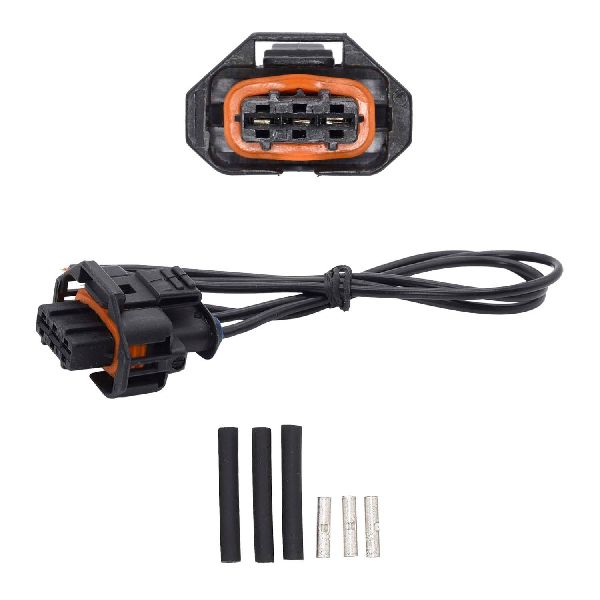
- Bank 1 Camshaft Position Sensor Connector — Bank 1 is the cylinder head closer to the firewall. The intake and exhaust camshaft sensors are located on the end of the head. The connectors are a known point of failure.. A GM Preliminary Information bulletin (PI0090D) specifically calls out intermittent poor connections and backed-out terminals in the camshaft position sensor harness connector as a cause for hesitation and timing-related codes. A visual inspection of the connector for integrity is a critical first step before replacing parts.
- Engine Control Module (ECM) Grounds — Main grounding points for the engine harness are typically located on the engine block, cylinder heads, and chassis. The ECM for the Traverse is located in the engine compartment.. All sensors and actuators rely on a clean ground path to the ECM. A corroded or loose ground can introduce electrical noise and voltage drops, causing the ECM to receive inaccurate signals from the cam and crank sensors, potentially triggering a false P0016 code.
Real Owner Repair Stories
- Mechanic comment on a diagnostic video (2010 Chevrolet Equinox with 2.4L engine (similar GM timing system architecture)) — Persistent P0016 and P0017 codes immediately after starting, even after a complete, known-good used engine was installed.
❌ Tried (didn't work) Tearing down the engine multiple times to verify mechanical timing was perfect., Replacing timing chain, phasers, and tensioners., Consulting a GM master certified technician who had not seen the issue before.
✅ What actually fixed it The reluctor ring on the rear of the intake camshaft had spun due to a previous overheat event on the donor engine. This part was a one-year-only design and discontinued, forcing a third engine replacement. The fix was replacing the entire camshaft with one that had a correctly positioned reluctor ring. - Reddit user AxelHeredia in r/MechanicAdvice (2012 GMC Terrain with 2.4L EcoTec engine) — Engine ran completely out of oil, then would not start and had a loud popping sound. P0016 code was present.
❌ Tried (didn't work) Refilling the engine with oil., Replacing both the camshaft and crankshaft position sensors.
✅ What actually fixed it After removing the timing cover, pieces of a broken timing chain guide fell out. The loss of oil pressure caused the tensioner to fail, the chain went slack, and the plastic guides shattered. The actual fix was a complete timing chain, guide, and tensioner replacement.
When the Usual Fixes Don't Work
- While the overwhelming cause of P0016 on the 3.6L V6 is a stretched timing chain, there are rare but confirmed cases where the code persists even after a complete and correct timing service. In one documented instance involving a similar GM engine, the root cause was a spun reluctor ring on the camshaft itself, not the crankshaft. This type of failure is purely mechanical, will not be fixed by replacing sensors, and can be misdiagnosed as a faulty timing job because the symptoms are identical. It highlights that if the code returns immediately after a timing chain replacement, a deeper mechanical inspection for rare faults like spun reluctor rings (both crank and cam) is warranted before questioning the new parts.
OEM Part Supersession History
Varies (Original Cam Phasers)→Varies (Updated Cam Phasers)— Design change to improve durability and operation of the VVT system.
Heads up: When replacing cam phasers on the 3.6L engine, technicians must check if the new phaser design is different (e.g., 4-bolt vs. 5-bolt). The updated phasers may require a new, THINNER thrust washer. Re-using the original, thicker thrust washer with a new-style phaser will cause zero camshaft endplay, leading to binding and catastrophic engine damage.
Model Year Variations Within This Range
- 2009-2012 (LLT) vs. 2013-2016 (LFX): The 2013 model year marked the switch from the LLT to the LFX version of the 3.6L V6. While based on the same architecture, the LFX featured significant changes including integrated exhaust manifolds, a composite intake manifold, and a different ECM (Delphi instead of Bosch). Critically for this code, the LFX redesign was intended to address the timing chain stretching issues of the earlier LLT, and they are generally considered more reliable in this regard.
Helpful Videos
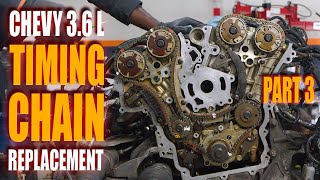
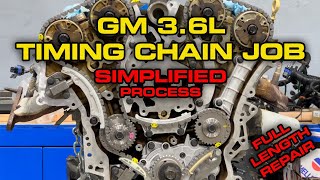
Used OEM Parts in Stock
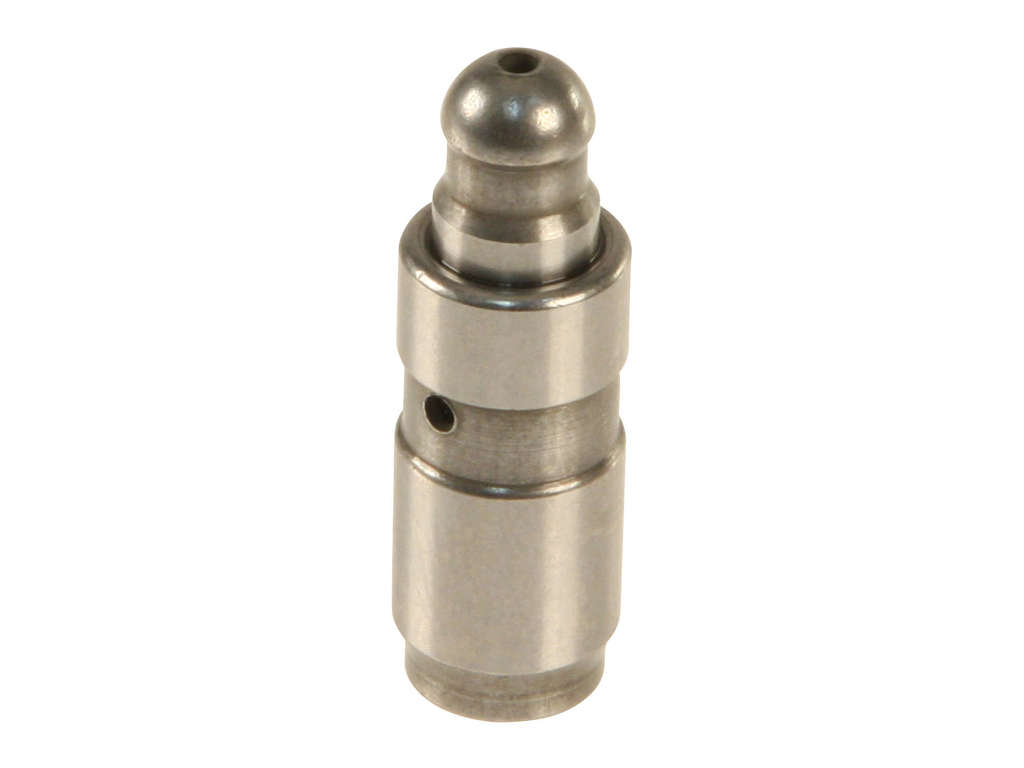
New Aftermarket Parts Available


The information in this article is provided for general reference and educational purposes only. Vehicle specifications, procedures, and part compatibility can vary by production date, trim level, and region. Always consult your vehicle's factory service manual and verify part numbers before purchasing or performing repairs. Safety-critical components such as airbags, seat belts, and braking systems should be installed by a qualified professional.
- Chevrolet TRAVERSE:
- 🎬 Helpful Videos
- 🛍️ Shop This Part
- What's Unique About the 2009-2016 Chevrolet TRAVERSE
- Diagnostic Flowchart
- Symptoms You May Notice
- Most Likely Causes
- Rare But Worth Checking
- Diagnosis Steps
- Parts You'll Likely Need
- Related Codes That Often Appear With This One
- Technical Service Bulletins (TSBs) & Recalls
- Platform-Specific Known Issues
- Mechanic-Grade Diagnostic Values
- Scan Tool Commands That Help
- Wiring & Ground Locations
- Real Owner Repair Stories
- When the Usual Fixes Don't Work
- OEM Part Supersession History
- Model Year Variations Within This Range
- 🎟️ Get 5% Off