

P0016 on 2007-2014 Chevrolet Malibu: Crank/Cam Correlation Causes & Fixes
For the 2007-2014 Malibu, P0016 almost always points to a stretched timing chain, a known issue on both the 2.4L and 3.6L engines. This is a serious, complex repair costing $1,000-$2,500 that involves replacing the timing chain, tensioners, and guides. Ignoring this can lead to catastrophic engine failure.
- P0016 on a 2007-2014 Malibu is a serious code that almost always indicates a major mechanical problem with the timing chain.
- Stop driving the vehicle immediately to prevent the chain from breaking, which would cause catastrophic engine damage.
- The correct repair is a complete timing chain kit replacement, not just a sensor. This is an expensive, labor-intensive job for a professional.
- This issue is a well-known factory defect. Both the 2.4L four-cylinder and 3.6L V6 engines are affected.
- Regular oil changes with quality oil are critical to prolonging the life of the timing components on these engines.
What's Unique About the 2007-2014 Chevrolet MALIBU

Both the 2.4L Ecotec I4 and the 3.6L High Feature V6 engines used in this era of Malibu are notorious for premature timing chain stretching. For the 2.4L engine, this is often a secondary failure caused by excessive oil consumption due to faulty piston rings, which leads to poor lubrication and accelerated chain wear. For the 3.6L V6 (LY7 and early LLT versions), the issue was often attributed to the original timing chain design and exacerbated by GM's extended oil change intervals recommended by the oil life monitor, which allowed oil to degrade and lose its protective properties. GM issued multiple Technical Service Bulletins (TSBs) and updated timing chain kits to address these widespread problems.
Diagnostic Flowchart

Tap your situation to follow the diagnostic path that matches what you're seeing on this vehicle.
Generation note: This range covers the end of the 6th generation (2007-2008 'Classic'), the full 7th generation (2008-2012), and the start of the 8th generation (2013-2014). The primary causes, related to timing chain issues on the 2.4L I4 and 3.6L V6 engines, are common across these generations. The 3.6L V6 issues are most prevalent on the earlier LY7 and LLT engines, typically pre-2012.
Symptoms You May Notice

- Engine rattle, especially on a cold startup, sometimes described as 'marbles in a can'
- Check Engine Light is on
- Reduced engine power and poor acceleration
- Rough or unstable idle
- Engine cranks but refuses to start.
- Poor fuel economy
- Engine stalling while driving.
- Replacing the camshaft position sensor or crankshaft position sensor without verifying the engine's mechanical timing. This is a frequent mistake that does not fix the underlying, and much more serious, timing chain issue.
- Replacing only the VVT solenoids when the code is P0016/P0017. While solenoids can cause other codes (P0010/P0011/P0013/P0014), P0016/P0017 almost always indicates a base timing problem.
Most Likely Causes

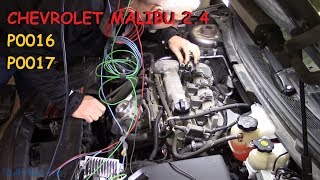
- Stretched Timing Chain 🔴 High Probability This is a well-documented, widespread issue on both the 2.4L and 3.6L engines from this period, acknowledged by GM through multiple TSBs. On the 2.4L, the root cause is often oil starvation from high oil consumption. On the 3.6L, early chain designs were prone to premature wear. An owner of a 2011 Malibu with the 2.4L engine reported getting P0016 and P0017 codes due to timing chain issues at only 67,000 miles. [ODI #11190432]
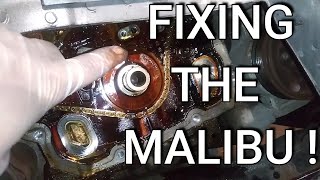
How to confirm: A mechanic can use a scan tool to view camshaft deviation data; a significant, consistent deviation points to a stretched chain. The ultimate confirmation is a physical inspection, which requires removing the timing cover to check for slack. 🎬 Watch: This walkthrough shows the full timing chain removal process.
Typical fix: Replace the timing chain, tensioners, and guides with an updated kit. It is critical to use the complete kit.
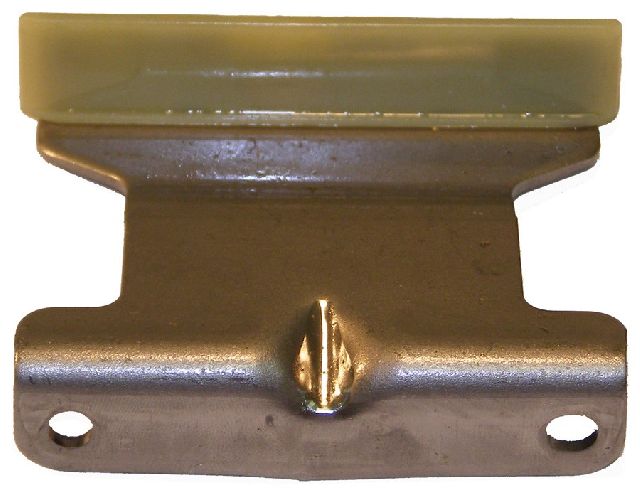
Est. part cost: $150-$400 - Failed Timing Chain Tensioner(s) 🔴 High Probability The hydraulic tensioners can fail, get stuck, or become weak due to sludge from old oil, allowing the chain to become slack. This is often a root cause or contributing factor to the chain stretching or jumping time. TSB #PIP3423P specifically calls for inspecting for loose tensioners.
How to confirm: During a physical inspection of the timing system, the tensioner's operation is checked. A compressed or leaking tensioner is a clear sign of failure.
Typical fix: Tensioners are always replaced as part of a complete timing chain service.
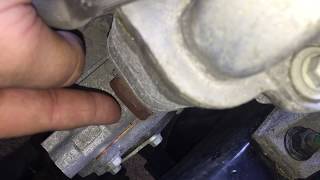
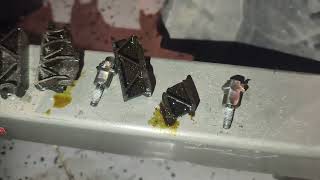
Est. part cost: $50-$150 - Worn or Broken Timing Chain Guides 🟡 Medium Probability The original guides were made of plastic that can become brittle and break over time. A YouTube video shows a mechanic pointing out a completely missing top half of a guide as the cause for P0016/P0017 codes. A 2011 Malibu owner reported a broken timing chain guide as the cause of their P0016 code. [ODI #11190432] Pieces of a broken guide can fall into the oil pan, potentially clogging the oil pump pickup tube.
How to confirm: Visible cracks, deep grooves, or broken pieces found during a physical inspection of the timing system.
Typical fix: Guides are always replaced as part of a complete timing chain service.
Est. part cost: $40-$100 - Low or Dirty Engine Oil 🟡 Medium Probability The camshaft phasers (part of the Variable Valve Timing system) are operated by oil pressure. Low or dirty oil can cause them to respond slowly or incorrectly, leading to a correlation code. This is often a major contributing factor to premature timing chain wear, especially on the 2.4L Ecotec which is known for consuming oil.
How to confirm: Check the oil level on the dipstick and inspect its condition. If it's low or looks like sludge, this is a likely contributor. Some mechanics recommend performing an oil change as a first step if the oil condition is suspect.
Typical fix: Perform an oil and filter change. However, if the P0016 code is already present, this is unlikely to be the sole fix and timing component damage has likely already occurred.
Est. part cost: $30-$70
Rare But Worth Checking
- Faulty Camshaft Position Actuator Solenoid: These solenoids control oil flow to the cam phasers. They can get clogged with sludge from dirty oil or fail electrically, causing codes like P0010 or P0011, but can sometimes contribute to correlation codes. They are relatively easy to access and test, making them a worthwhile check before committing to a timing chain job.
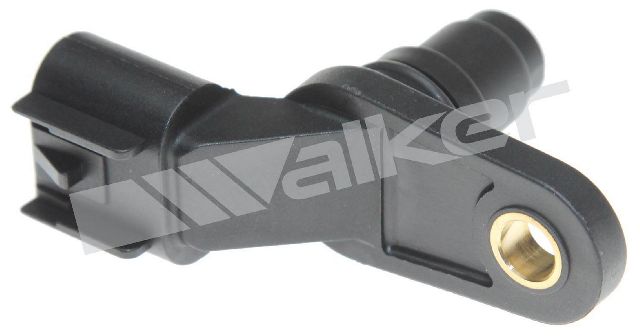
- Failed Camshaft or Crankshaft Position Sensor: While possible, a sensor failure is much less common than mechanical timing issues on this vehicle. Usually, a bad sensor will set its own specific circuit code (like P0340) rather than a correlation code. Do not replace sensors without first suspecting a timing chain problem, as many owners and mechanics report this does not fix the issue.
- Damaged Reluctor Wheel on Camshaft or Crankshaft: The reluctor wheel (or tone ring) is what the position sensor reads. If it's damaged, cracked, or has slipped on the shaft, it can send an incorrect signal even if the mechanical timing is perfect. TSB #PIP4548F mentions inspecting these components if the code sets on a properly timed engine. A GM preliminary bulletin noted that on some 2.4L engines, the reluctor ring is an interference fit and not keyed, and can slip if the engine has overheated.
Diagnosis Steps
- Check the engine oil level and condition. Low or sludgy oil is a major contributor. Top up or change the oil and filter, clear the codes, and see if they return.
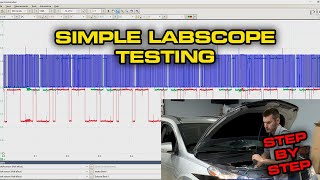
- Use an OBD-II scanner with live data capability to monitor the desired vs. actual camshaft position angles 🎬 See how a pro uses a labscope to verify timing deviation. for Bank 1. A large and persistent deviation (e.g., more than 4-6 degrees) at idle strongly suggests a mechanical timing issue. The ECM may set the code when deviation exceeds 9 degrees.
- Inspect the wiring and connectors for the camshaft and crankshaft position sensors for any visible damage.
- Test the Bank 1 intake camshaft position actuator solenoid. This can be done by swapping it with the exhaust solenoid (if identical) to see if the code changes to P0017, or by checking its resistance (spec is 8-13 ohms).
- If all previous steps fail to identify the issue, the next step is to perform a physical inspection of the timing chain, guides, and tensioner. This is a labor-intensive process that involves removing the valve cover and/or timing cover to visually check for slack in the chain, broken guides, or a faulty tensioner.
Parts You'll Likely Need
- Engine Timing Chain Kit
(OEM #3.6L V6 (2007 models): 12650230; 2.4L I4: 12680750 (supercedes older numbers))— This is the definitive fix for the common stretched timing chain issue. A complete kit ensures all wearable components (chains, guides, tensioners, sprockets) are replaced at once with updated parts. TSB #12-06-01-009F discusses the availability of these kits for the V6 engine.
Trusted brands: ACDelco, Cloyes
OEM price range: $250-$450
Aftermarket price range: $150-$300 - Camshaft Position Actuator Solenoid (Intake)
(OEM #12655420 / 12679099)— If the cause is not the timing chain itself, a clogged or failed VVT solenoid is the next most likely culprit. It's a common maintenance item and much cheaper and easier to replace than the timing chain.
Trusted brands: ACDelco, Dorman
OEM price range: $40-$70
Aftermarket price range: $20-$50
Related Codes That Often Appear With This One
- P0017 — This code is for the Exhaust Camshaft Position Correlation. It very commonly appears with P0016 because a stretched timing chain affects the timing of both the intake and exhaust camshafts simultaneously. [ODI #11190432, 5]
- P0008, P0009, P0018, P0019 — These are all engine timing correlation codes. On the 3.6L V6 engine, which has two cylinder banks, you may see these additional codes indicating timing issues on the second bank. TSB #12-06-01-009F groups all these codes together as symptoms of a stretched timing chain.
Technical Service Bulletins (TSBs) & Recalls
- TSB #12-06-01-009F: Announces availability of updated timing chain kits for the 3.6L V6 to fix codes P0008, P0009, P0016, P0017, etc., due to stretched chains.
- TSB #PIP3423P: Advises technicians to inspect for loose timing chains or tensioners when various timing correlation codes are present.
- TSB #PIP4548F: Instructs technicians to inspect the camshaft reluctor wheel for movement if P0016/P0017 codes appear on an engine that is confirmed to be mechanically in time.
Platform-Specific Known Issues
- Premature Timing Chain Wear: Both the 2.4L I4 and 3.6L V6 engines in this vehicle range are known for timing chains stretching far earlier than their expected service life.
- Oil Life Monitor Calibration: Early versions of the software for the oil life monitor allowed for excessively long oil change intervals, which contributed to oil breakdown and accelerated wear on timing components.
- PCV System Issues (V6): On the 3.6L V6, a clogged PCV orifice in the valve cover can lead to increased oil consumption, which can starve the timing components of lubrication if the oil level is not checked regularly.
Mechanic-Grade Diagnostic Values
- Camshaft Position Actuator Solenoid Resistance (2.4L Ecotec) — expected: 8 to 13 Ohms. Failure: A reading outside this range, or a reading that fluctuates wildly when the connector is wiggled, indicates a failed solenoid.
- Camshaft vs. Crankshaft Correlation Variance (Scan Tool) — expected: 0 degrees at idle. Failure: The ECM may set the code when the variance is more than 9 crankshaft degrees. A consistent, non-zero reading at idle indicates a mechanical timing problem.
Scan Tool Commands That Help
- GDS2 / Tech 2: Camshaft Position (CMP) Actuator Control — This function allows a technician to command the VVT solenoids on and off to verify their mechanical operation and check for response from the cam phasers, helping to isolate a faulty solenoid from a deeper mechanical issue.
- GDS2 / Tech 2: CMP Variance Parameter Display — Used to monitor the live degree difference between the camshaft and crankshaft. This is the primary data point for confirming a correlation error; it should be stable at 0 degrees at idle.
Wiring & Ground Locations
- ECM (Engine Control Module) — Located in the left front of the engine compartment, under the hood.. The ECM is the computer that receives signals from the crank and cam sensors and determines if they are out of correlation. All related sensor wiring terminates here.
- G106 — On the 2.4L engine, this ground is on the left rear of the engine. On the 3.6L engine, it is on the right front of the engine.. This is a primary engine block ground. A poor connection here can introduce electrical noise or incorrect reference voltages for sensors, potentially leading to erroneous sensor readings.
- G107 — On the 2.4L engine, this ground is on the lower left side of the engine. On the 3.6L, it is at the center rear of the engine.. This is another critical engine ground point. Ensuring it is clean and tight is a fundamental step in diagnosing any electronic engine control issue.
Real Owner Repair Stories
- GM Forum user 'RedCloud657' (2012 Chevrolet Malibu 3.6L V6) — P0016 and P0017 codes persisted after a complete engine rebuild.
❌ Tried (didn't work) Replacing all camshaft phasers., Replacing the Bank 1 timing chain, guides, and tensioner for a second time., Swapping VVT actuator solenoids., Verifying wiring continuity between sensors and the ECM.
✅ What actually fixed it The owner used an oscilloscope to confirm the timing was mechanically off, despite the marks appearing to align. Upon a third teardown, he discovered the Bank 1 timing chain had been installed with 11.5 links between the cam gears instead of the correct 12. This 'half-tooth off' error was not obvious visually but was enough to set the code and cause premature wear on the new guides. The final fix was replacing the timing components again and setting the timing meticulously by counting chain links.
"I Checked Everything" — The Actual Cause
- A known issue where the code persists even if the timing chain and sprockets are perfectly aligned is a slipped reluctor wheel on the camshaft. On some 2.4L Ecotec engines, the reluctor wheel is not keyed to the camshaft but is an interference fit. If the engine has overheated, the ring can rotate slightly on the cam, causing the cam sensor to report an incorrect position relative to the crankshaft, even though the valve timing is correct. This is difficult to diagnose without an oscilloscope and a known-good waveform for comparison.
OEM Part Supersession History
12635447, 12673669, 12675579→12680750— Updates to the timing chain kit for the 2.4L I4 Ecotec engine to improve durability and address premature wear issues.
Model Year Variations Within This Range
- 2007-2012 (V6 models): The 3.6L V6 engine underwent a significant evolution. Early models (approx. 2007-2008) primarily used the LY7 engine with port fuel injection. Later models (approx. 2009-2012) used the LLT engine, which introduced direct injection and had different pistons and a higher compression ratio. While both are known for timing chain issues, the problems were most pronounced on the LY7 and early-production LLT engines before GM implemented design updates around the 2012 model year.
Helpful Videos
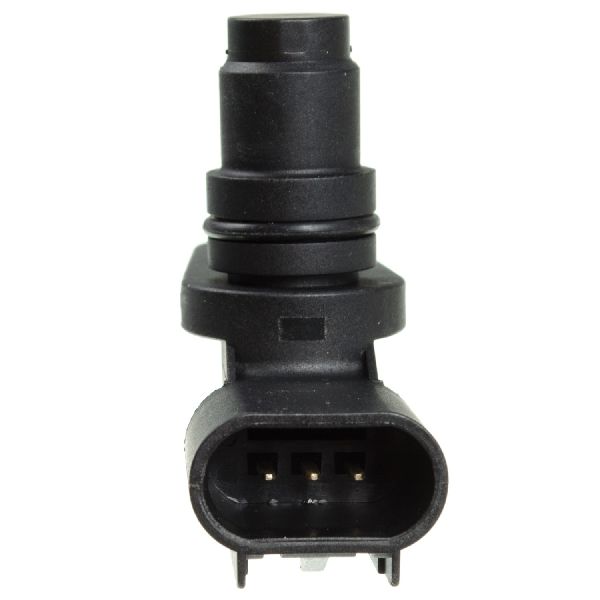
We Have This Part in Stock


The information in this article is provided for general reference and educational purposes only. Vehicle specifications, procedures, and part compatibility can vary by production date, trim level, and region. Always consult your vehicle's factory service manual and verify part numbers before purchasing or performing repairs. Safety-critical components such as airbags, seat belts, and braking systems should be installed by a qualified professional.
- Chevrolet MALIBU:
- 🎬 Helpful Videos
- 🛍️ Shop This Part
- What's Unique About the 2007-2014 Chevrolet MALIBU
- Diagnostic Flowchart
- Symptoms You May Notice
- Most Likely Causes
- Rare But Worth Checking
- Diagnosis Steps
- Parts You'll Likely Need
- Related Codes That Often Appear With This One
- Technical Service Bulletins (TSBs) & Recalls
- Platform-Specific Known Issues
- Mechanic-Grade Diagnostic Values
- Scan Tool Commands That Help
- Wiring & Ground Locations
- Real Owner Repair Stories
- "I Checked Everything" — The Actual Cause
- OEM Part Supersession History
- Model Year Variations Within This Range
- 🎟️ Get 5% Off