

P0016 on 2017-2023 Cadillac XT5: Crank/Cam Correlation, Causes, and Fixes
P0016 on a Cadillac XT5, especially with the 3.6L V6, often points to a serious timing chain issue or, in some 2017 models, a catastrophic broken crank sprocket. Do not continue driving; immediate diagnosis is required to prevent severe engine damage. Simpler causes like faulty sensors, dirty oil, or specific VVT solenoids are possible but must be diagnosed systematically.
- P0016 on a Cadillac XT5 is a serious code and driving should be stopped immediately to prevent engine damage.
- The most likely cause, especially on the 3.6L V6, is a stretched timing chain, which is a major repair.
- For 2017 models, a catastrophic broken crank sprocket is a known possibility that requires engine replacement, per TSB #17-NA-272.
- Simpler fixes like an oil change or replacing a VVT solenoid are possible, but major mechanical issues must be ruled out first.
- This is not a DIY-friendly code. Professional diagnosis is essential.
What's Unique About the 2017-2023 Cadillac XT5
For the Cadillac XT5, particularly early models with the 3.6L V6 (LGX) engine, P0016 is not a code to be taken lightly. While many vehicles might have this code due to a simple sensor failure, GM has issued technical service bulletins pointing to severe mechanical failures. One TSB for the 2017 model year, #17-NA-272, identifies a 'broken engine crank sprocket' as a potential cause, which is a catastrophic failure requiring engine replacement. Furthermore, while the GM High Feature V6 engine family has a history of timing chain stretch, the LGX version in the XT5 is considered more robust than its predecessors (LLT, LY7), though still susceptible, especially with poor oil maintenance.
Diagnostic Flowchart
Tap your situation to follow the diagnostic path that matches what you're seeing on this vehicle.
Symptoms You May Notice
- Check Engine Light is on
- Engine rattles on startup or at idle
- Rough or unstable idle
- Reduced engine power and sluggish acceleration
- Engine cranks but does not start
- Loud noise from the engine followed by stalling
- Worse than usual fuel economy
- Engine enters 'limp mode', limiting RPMs (e.g., to 4000 RPM)
- Replacing only the camshaft or crankshaft position sensor without checking mechanical timing. The code indicates a correlation *problem*, not necessarily a bad sensor. The sensor is often just accurately reporting the mechanical fault.
- Assuming the timing chain is the only cause without checking VVT solenoids, especially the park lock solenoid mentioned in TSB PIP5730B.
Most Likely Causes
- Stretched Timing Chain / Worn Guides & Tensioners 🔴 High Probability The GM 3.6L V6 engine family has a known history of premature timing chain wear, though the LGX is improved over prior generations. The primary cause is often linked to extended oil change intervals or using incorrect oil, leading to inadequate lubrication and wear.
How to confirm: A mechanic will need to remove the timing cover to physically inspect the chains for slack and check the timing marks for alignment. A scan tool can also be used to compare commanded vs. actual cam timing angles; a significant deviation points to a mechanical timing issue.
Typical fix: Replacement of all three timing chains, tensioners, and guides. This is a labor-intensive job, often quoted at 9+ hours.
Est. part cost: $300-$600 for a full kit - Broken Engine Crank Sprocket ⚪ Low Probability A specific batch of 2017 XT5 models with the 3.6L V6 were subject to TSB #17-NA-272, which identified a crank sprocket that could break due to incomplete machining. This is a known manufacturing defect.
How to confirm: Diagnosis involves ruling out all other causes. If the timing chain has lost tension or broken, inspection may reveal the failed sprocket. This often results in a no-start or catastrophic engine noise condition.
Typical fix: Per the TSB, the official correction is to replace the entire engine assembly.
Est. part cost: $3000+ for a used or remanufactured engine - Faulty Camshaft Position Actuator Solenoid (VVT Solenoid) 🟡 Medium Probability These solenoids control oil flow to the cam phasers. They can become clogged with sludge from old oil or fail electronically. GM has issued bulletins regarding diagnosis of these solenoids for timing codes.
How to confirm: A mechanic can command the solenoid with a scan tool and watch for a change in cam timing. They can also be removed and inspected for debris on the screens or tested for resistance (typically 8 to 13 ohms). They can also be tested for shorts or open circuits.
Typical fix: Replacement of the affected solenoid. It's often recommended to replace them in pairs or all four.
Est. part cost: $40-$90 per solenoid - Low or Dirty Engine Oil 🟡 Medium Probability The variable valve timing (VVT) system is entirely dependent on clean oil at the correct pressure to function. GM's own history with oil life monitors has sometimes led to extended intervals that contribute to sludge buildup and timing component wear.
How to confirm: Check the oil level and condition on the dipstick. If the oil is dark, gritty, or below the add line, this is a likely contributing factor. Some owners have reported codes disappearing after an oil change with full synthetic oil.
Typical fix: Perform an oil and filter change with the correct viscosity oil (ACDelco is the OEM brand). Consider cleaning VVT solenoids if sludge is suspected.
Est. part cost: $50-$100
Rare But Worth Checking
- Slipped Crankshaft Reluctor Wheel: A GM Preliminary Information bulletin (PIP3423) notes that the toothed reluctor wheel, which the crankshaft sensor reads, can physically move on the crankshaft. This causes a mismatch with the cam signals even if the mechanical timing is perfect. Confirming this requires comparing to a known-good crankshaft, and the fix is crankshaft replacement. Some aftermarket companies install a set screw to prevent this slippage on remanufactured engines.
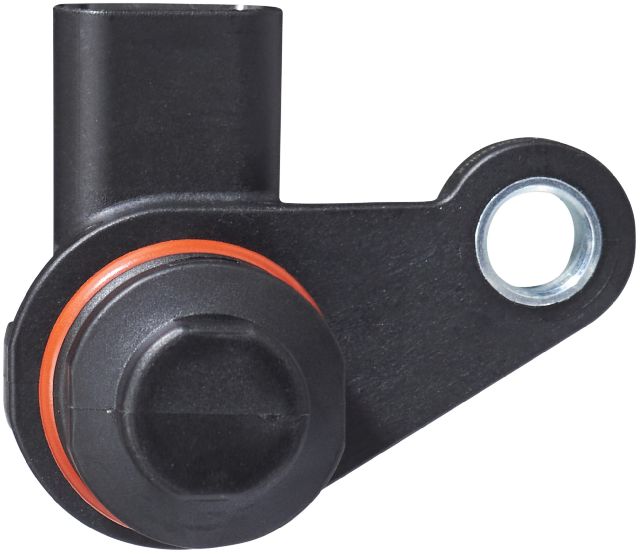
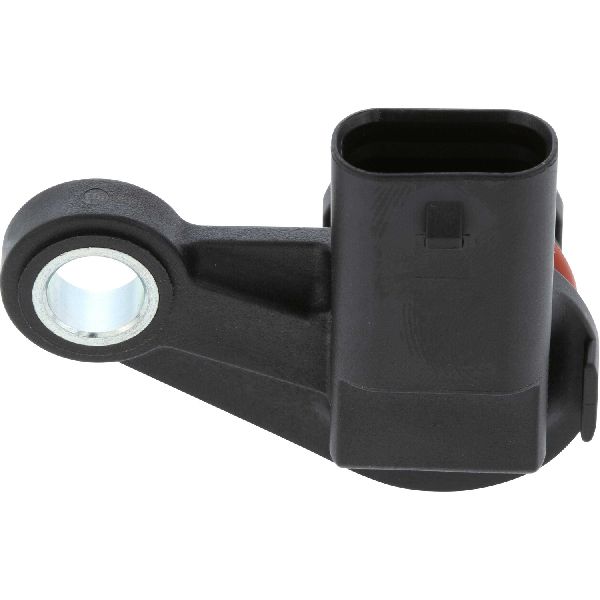
- Faulty Camshaft or Crankshaft Position Sensor: While often blamed, a sensor is less likely to be the root cause than the mechanical components it monitors. However, if all mechanical timing components are verified to be in good condition, testing the sensors and their wiring is a valid next step. The code indicates a correlation *problem*, not necessarily a bad sensor.
- Faulty Intake Camshaft Position Actuator Park Lock Solenoid Valve: TSB PIP5730B points to this specific solenoid, which can stick or come apart, causing P0016 or P0018 without other driveability issues. The diagnostic step is to remove, inspect, and potentially swap the solenoids from bank to bank to see if the code follows.
- Swapped Electrical Connectors After a Repair: TSB 23-NA-091 (superseding 19-NA-150) warns that after engine work, the connectors for the Bank 1 intake camshaft actuator solenoid and the intake actuator park lock solenoid can be accidentally swapped. They are identical and can only be identified by wire color. This will cause a hard P0016 code and a rough idle immediately after the repair.
Diagnosis Steps
- Check engine oil level and condition. If low or dirty, correct this first, clear codes, and see if the problem returns. This is the simplest and cheapest first step.
- Use a professional scan tool to monitor requested vs. actual camshaft position angles for Bank 1. This can help determine if the issue is constant or intermittent and how large the deviation is.
- Inspect and test the Camshaft Position Actuator Solenoid (VVT solenoid) for Bank 1 Intake. Check for debris on the screens and test for proper electrical function.
- Per TSB PIP5730B, specifically inspect the Intake Camshaft Position Actuator Park Lock Solenoid Valve for sticking or damage. Consider swapping with the other bank to see if the code migrates.
- If any recent engine work was performed, verify connectors for the Bank 1 intake cam actuator and park lock solenoid are not swapped, per TSB 23-NA-091.
- If the above steps do not resolve the issue, prepare for mechanical inspection. This involves removing the engine timing cover, which is a significant job.
- Visually inspect the timing chains for slack, check the timing marks for alignment, and inspect the chain guides for wear or damage.
- Inspect the timing chain tensioners to ensure they are not collapsed or stuck.
- If a 2017 model with the 3.6L engine has a no-start or loud noise, suspect the broken crank sprocket as described in TSB #17-NA-272 and prepare for probable engine replacement.
Parts You'll Likely Need
- Timing Chain Kit
(OEM #12680750)— This is the most probable mechanical cause on the 3.6L V6 engine due to a history of chain stretch. A full kit includes chains, tensioners, and guides. - Intake Camshaft Position Actuator Solenoid — These solenoids can get clogged with debris or fail electrically, causing timing correlation faults. They are a common point of failure and are relatively easy to replace.
- Intake Camshaft Position Actuator Park Lock Solenoid Valve — Specifically called out in TSB PIP5730B as a cause for P0016/P0018. It can stick or come apart, leading to the code without other symptoms.
Related Codes That Often Appear With This One
- P0017 — Crankshaft Position - Camshaft Position Correlation (Bank 1, Sensor B). This refers to the exhaust camshaft on the same bank. If the timing chain has stretched or jumped, it often affects both intake and exhaust cam timing.
- P0018 — Crankshaft Position - Camshaft Position Correlation (Bank 2, Sensor A). This indicates a timing issue on the opposite engine bank (the front bank). Codes on both banks (like P0016 & P0018) strongly suggest a primary timing chain or crankshaft issue.
- P0008 — Engine Positions System Performance (Bank 1). This is a more general GM-specific code that often points directly to a stretched primary timing chain affecting both banks.
- P0300 — Random/Multiple Cylinder Misfire Detected. A timing correlation fault will disrupt the combustion process, leading to misfires across one or all cylinders.
Technical Service Bulletins (TSBs) & Recalls
- Identifies a broken engine crank sprocket on some 2017 3.6L models as the cause for P0016/P0017/P0018/P0019, often with a loud noise or no-start. The prescribed fix is engine replacement.
- Warns technicians that after engine repairs, the identical electrical connectors for the Bank 1 intake cam actuator and the park lock solenoid can be swapped, causing a persistent P0016 code and rough idle.
- Provides diagnostic aid for P0016/P0018, pointing to a potentially faulty/sticking Intake Camshaft Position Actuator Park Lock Solenoid Valve as a cause that may not present other driveability symptoms.
Platform-Specific Known Issues
- TSB #17-NA-272 documents a critical issue on some 2017 XT5 3.6L models where a broken engine crank sprocket can cause P0016 and requires engine replacement.
- TSB #PIP3423P describes a rare but possible issue across many GM V6 engines where the crankshaft reluctor wheel can slip, causing timing codes that mimic a stretched chain. The fix is crankshaft replacement.
- The GM 3.6L High Feature V6 (LGX) has a well-known tendency for timing chains to stretch over time, making it a primary suspect for any timing correlation codes.
Mechanic-Grade Diagnostic Values
- Camshaft Position Actuator Solenoid (VVT Solenoid) Resistance — expected: 8 to 13 Ohms. Failure: A reading outside this range, or one that is intermittent and bounces around when wiggling the connector pins, indicates a faulty solenoid.
- 3-Wire Camshaft Position Sensor Voltage (Key On, Engine Off) — expected: Power Wire: ~12V (Battery Voltage); Signal Wire: ~5V; Ground Wire: Good ground continuity (<10 ohms to chassis ground).. Failure: Missing voltage on the power or signal wire, or high resistance on the ground circuit, points to a wiring or ECM issue, not a bad sensor.
- 3-Wire Camshaft Position Sensor Signal Test (Hall Effect) — expected: The signal wire voltage should drop from ~5V to 0V when a metal object is passed in front of the sensor tip.. Failure: If the voltage does not change, the sensor is bad.
Scan Tool Commands That Help
- GDS2 (GM Dealer Scanner): Crankshaft Position Variation Learn — This procedure must be performed after replacing the crankshaft, crankshaft position sensor, or ECM to allow the system to learn the minor variations in the crankshaft reluctor wheel. Failure to do so can cause misfire detection issues and may contribute to correlation codes.
- GDS2 (or professional equivalent): Camshaft Position Actuator Solenoid Control — This bidirectional command allows a technician to manually command the VVT solenoids on and off to verify their mechanical operation and observe the corresponding change in camshaft timing angles on the scan tool's live data.
Wiring & Ground Locations
- G101 — Located at the front of the engine, lower block area.. This is a primary ground for the Engine Control Module (ECM). A poor connection here can cause a wide range of erratic engine codes and sensor reading issues, including P0016.
- G102 — Located at the left rear of the engine.. This ground serves the ignition coils. While not directly related to cam/crank sensors, a poor ground here can cause misfires (P0300) that may accompany timing codes.
- Swapped Connectors (TSB 23-NA-091) — Bank 1 (rear bank on XT5). One connector is on top of the engine for the intake camshaft actuator solenoid; the other is on the front of the engine for the intake actuator park lock solenoid.. These two connectors are identical and can be accidentally swapped during service. This will cause an immediate P0016 code and rough idle. Identification must be done by wire color verification against the service manual schematic.
Real Owner Repair Stories
- Reddit user in r/MechanicAdvice (2013 Ford F-150 3.5L EcoBoost (engine with similar timing chain issues)) — P0016 code returned 5-10 minutes after a full timing chain and phaser replacement.
❌ Tried (didn't work) Complete timing chain and phaser replacement.
✅ What actually fixed it The user reported the original timing chain was definitely worn and had significant slack. The code returning after the repair suggests a possible issue with the new parts, incorrect installation alignment, a problem with a VVT solenoid not addressed during the repair, or a separate issue like a slipped reluctor wheel. The final resolution was not posted, highlighting that even a 'correct' repair can be complex.
OEM Part Supersession History
12635447, 12673669, 12675579→12680750— Standard part evolution and potential design improvements for the timing chain kit.12646386 (Timing Chain Assembly)→12646387— Part revision or change in manufacturer.
Model Year Variations Within This Range
- 2020-2023: The 2.0L Turbo I4 (LSY) engine became available as the standard engine on some trims starting in the 2020 model year. While it also has timing chains and VVT components, the specific part numbers, locations, and some TSBs for the 3.6L V6 (LGX) will not apply.
Helpful Videos
We Have This Part in Stock


The information in this article is provided for general reference and educational purposes only. Vehicle specifications, procedures, and part compatibility can vary by production date, trim level, and region. Always consult your vehicle's factory service manual and verify part numbers before purchasing or performing repairs. Safety-critical components such as airbags, seat belts, and braking systems should be installed by a qualified professional.
- Cadillac XT5:
- 🎬 Helpful Videos
- 🛍️ Shop This Part
- What's Unique About the 2017-2023 Cadillac XT5
- Diagnostic Flowchart
- Symptoms You May Notice
- Most Likely Causes
- Rare But Worth Checking
- Diagnosis Steps
- Parts You'll Likely Need
- Related Codes That Often Appear With This One
- Technical Service Bulletins (TSBs) & Recalls
- Platform-Specific Known Issues
- Mechanic-Grade Diagnostic Values
- Scan Tool Commands That Help
- Wiring & Ground Locations
- Real Owner Repair Stories
- OEM Part Supersession History
- Model Year Variations Within This Range
- 🎟️ Get 5% Off