

P0016 on 2005-2011 Cadillac STS: Causes and Fixes for Timing Chain Issues
On a 2005-2011 Cadillac STS with the 3.6L V6 engine, code P0016 almost always indicates stretched timing chains. This is a serious, labor-intensive repair costing upwards of $2,000 and should not be ignored. The root cause is often linked to premature wear of the original chains, exacerbated by extended oil change intervals.
- P0016 on a 2005-2011 Cadillac STS 3.6L V6 is a strong indicator of stretched timing chains, not a simple sensor issue.
- Do not drive the vehicle. This is a serious code that can precede catastrophic engine failure.
- The repair is expensive and labor-intensive, involving the replacement of the timing chains, guides, and tensioners.
- The root cause is often linked to extended oil change intervals. Using high-quality full synthetic oil and changing it regularly is the best prevention.
- Do not waste money replacing sensors first; the problem is almost certainly mechanical.
What's Unique About the 2005-2011 Cadillac STS

The 3.6L V6 engine (codes LY7 and LLT) used in this generation of Cadillac STS is notorious for premature timing chain stretching. The issue is so common that GM issued multiple Technical Service Bulletins (TSBs) about it, eventually releasing updated timing chain kits. While P0016 can mean a bad sensor on other cars, on this specific platform, it is almost always a mechanical issue with the timing chains, guides, or tensioners. The problem was significantly compounded by GM's own Oil Life Monitoring System (OLMS), which often recommended oil change intervals that were too long, leading to oil degradation, sludge, and accelerated wear on the timing components. An edge-case cause on these engines, after timing chains are ruled out, is a crankshaft reluctor wheel that has slipped or moved, which also creates a correlation error.
Diagnostic Flowchart
Tap your situation to follow the diagnostic path that matches what you're seeing on this vehicle.
Symptoms You May Notice
- Check Engine Light is on
- Engine rattling or scraping noise, especially on a cold start, that may last for a few seconds.
- Rough or unstable idle
- Reduced engine power and poor acceleration
- Difficulty starting the engine, or a crank-no-start condition.
- Worse fuel economy
- Engine misfires
- Replacing only the camshaft position sensor
- Replacing only the crankshaft position sensor
- Replacing only the VVT solenoids (camshaft position actuator solenoids)
- Changing the oil and clearing the code without addressing the underlying mechanical timing issue.
Most Likely Causes

- Stretched Timing Chains 🔴 High Probability The original timing chains on the 3.6L V6 engine were made of a material that was susceptible to premature wear and stretching. This was made worse by an oil life monitoring system that often allowed for excessively long oil change intervals (sometimes over 10,000 miles), leading to oil breakdown and poor lubrication of the chains and tensioners.
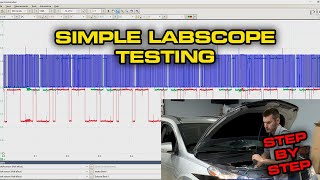
How to confirm: A mechanic can listen for chain rattle on startup. The definitive diagnosis involves using a scan tool to monitor cam/crank correlation data. 🎬 Watch: How to test timing chain stretch with a labscope. If the deviation is significant (often double digits), it points to a stretched chain. Physical verification requires removing the timing cover to measure chain slack, a labor-intensive step.
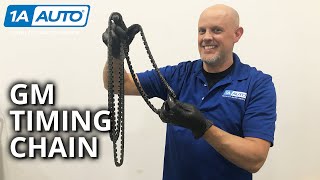
Typical fix: Replace all three timing chains, along with the tensioners, guides, and sprockets. Use an updated OEM or high-quality aftermarket kit. This is not a standalone repair; it's a full system replacement.
Est. part cost: $250-$600 - Failed Timing Chain Tensioners 🔴 High Probability The tensioners are hydraulic and rely on clean engine oil at the correct pressure. Degraded, sludgy, or low oil can cause them to fail, get stuck, or not provide adequate pressure, allowing the chains to become slack and jump time.
How to confirm: Inspected during a timing chain service. A failed tensioner will be fully extended but not keeping the chain guide tight, or it may be stuck in a retracted position.
Typical fix: Always replaced as part of a complete timing chain service. It is considered malpractice to replace just a tensioner without also replacing the chains, as a weak tensioner is often a symptom of the larger chain stretch problem.
Est. part cost: $50-$150 - Low or Dirty Engine Oil 🟡 Medium Probability This is a primary contributor to the main failure (stretched chains). The hydraulic tensioners and cam phasers require clean oil at a specific pressure to operate. Dirty or low oil accelerates wear on all timing components and can clog the small passages in the VVT solenoids and phasers.
How to confirm: Check the oil level and condition on the dipstick. Review vehicle service history for oil change frequency. Many owners recommend ignoring the Oil Life Monitor and changing full synthetic oil every 3,000-5,000 miles to prevent this issue.
Typical fix: If caught very early, an oil change with a high-quality full synthetic oil (like a Dexos-approved 5W-30) might temporarily quiet noise or even clear the code, but it will not fix stretched chains. This is a preventative measure, not a cure.
Est. part cost: $50-$100
Rare But Worth Checking
- Faulty Camshaft or Crankshaft Position Sensor: While these sensors can fail, it is extremely rare for them to be the root cause of P0016 on this engine without other accompanying sensor-specific codes (e.g., P0341). They are often replaced mistakenly when the real problem is the timing chains.
- Failed Camshaft Phaser/Actuator or VVT Solenoid: The variable valve timing (VVT) actuators (phasers) can fail or become clogged with sludge from dirty oil. The solenoids that control them can also fail or get clogged. A stuck phaser can cause a correlation code, but this is less common than chain stretch. Phasers and solenoids are often replaced during a full timing chain job for reliability.
Diagnosis Steps
- Confirm the code P0016 (and any others like P0008, P0017, P0018, P0019) with a professional OBD-II scanner.
- Check engine oil level and condition. If it is low, dirty, or past its change interval, this is a major red flag for timing component health.
- Listen for a distinct rattling or scraping noise from the front of the engine 🎬 See a demonstration of the VVT clattering noise at startup. (where the timing chains are) during a cold start. The noise may only last for 2-3 seconds.
- Using an advanced scan tool, monitor the camshaft and crankshaft position data in real-time. Look for the specific PIDs for Cam/Crank correlation or deviation. A consistent deviation, especially one that increases with RPM, points to a mechanical issue.
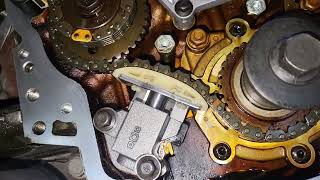
- If chain stretch is suspected, the next step is mechanical verification. This involves removing the timing cover to physically inspect the chains, guides, and tensioners for slack and wear. There is no easy inspection port on these engines.
- Only after confirming the mechanical timing is perfect should you investigate the sensors, wiring, or VVT solenoids as the root cause.
Parts You'll Likely Need

- Timing Chain Kit
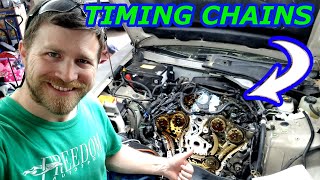
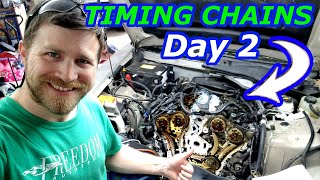
(OEM #12651450 (ACDelco kit for many LY7/LLT applications, supersedes older versions))— This is the definitive fix. 🎬 Watch: A step-by-step walkthrough of the timing chain replacement. A quality kit includes all three chains, new design tensioners, guides, and sometimes sprockets, addressing the entire wear-prone system at once. TSB 12-06-01-009F specifically discusses these kits.
Trusted brands: ACDelco (OEM), Cloyes, Melling
OEM price range: $400-$600
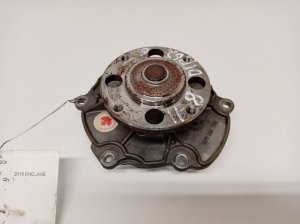
Aftermarket price range: $250-$450 - Water Pump — The water pump is driven by the timing chain. Since the entire timing system must be disassembled for this job, it is highly recommended to replace the water pump at the same time to avoid a future failure and redundant labor costs.
Trusted brands: ACDelco, Gates, Bosch
OEM price range: $150-$250
Aftermarket price range: $70-$150 - VVT Solenoids (Camshaft Position Actuator Solenoids) — These solenoids control oil flow to the cam phasers. They can become clogged with sludge or fail electronically. Given the labor involved, it is wise preventative maintenance to replace all four while the engine is accessible.
Trusted brands: ACDelco (OEM), Dorman
OEM price range: $40-$70 each
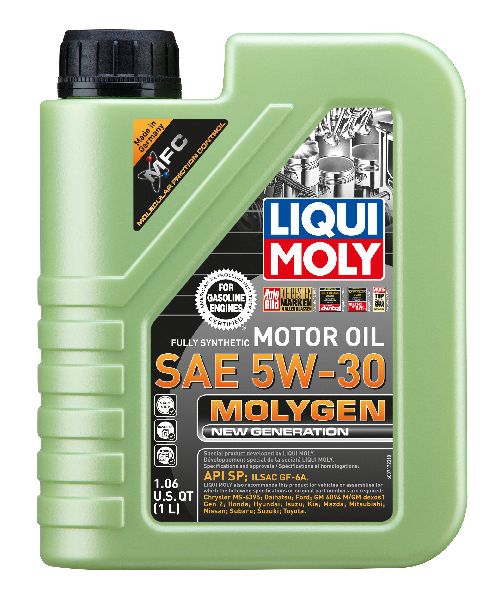
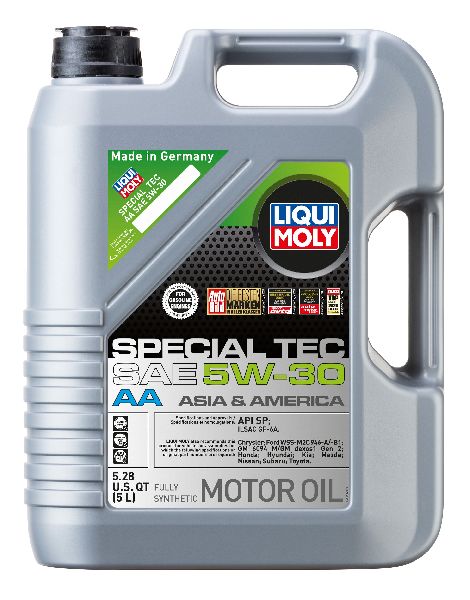
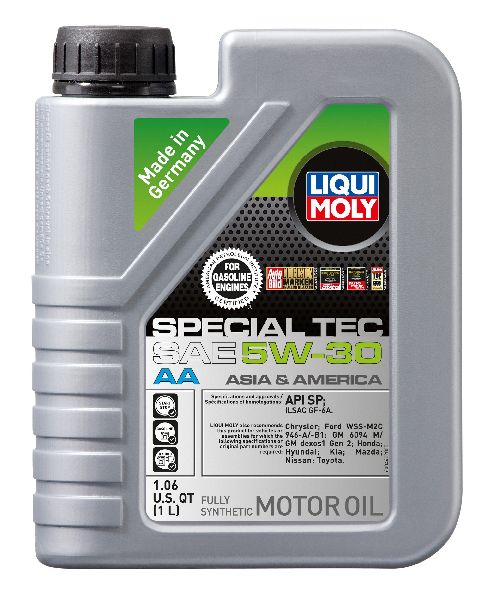
Aftermarket price range: $20-$40 each - Engine Oil and Filter — Fresh, high-quality full synthetic oil (5W-30 Dexos-approved) and a new filter are critical after a timing chain replacement to ensure proper lubrication and break-in of the new components.
Trusted brands: ACDelco, Mobil 1, Pennzoil
OEM price range: $60-$100
Aftermarket price range: $40-$80
Related Codes That Often Appear With This One
- P0008 — Indicates a general engine positions system performance problem. This is a very common companion code and strongly points to a primary timing chain issue affecting both banks.
- P0017 — Indicates a Crank/Cam correlation issue on the Bank 1 exhaust camshaft, suggesting the timing issue is affecting the entire bank.
- P0018 — Indicates a Crank/Cam correlation issue on the Bank 2 intake camshaft, suggesting the timing chains are loose enough to affect both banks.
- P0019 — Indicates a Crank/Cam correlation issue on the Bank 2 exhaust camshaft, pointing to a widespread timing problem affecting all four camshafts relative to the crank.
Technical Service Bulletins (TSBs) & Recalls
- PIP3423P: Mentions that codes P0016, P0017, P0018, P0019, P0008, or P0009 may require inspection of loose timing chains or tensioners.
- 12-06-01-009F: Discusses the availability of updated, comprehensive timing chain kits for repairing stretched timing chains that cause codes like P0016. It explicitly lists the 2007-2011 STS as an affected model and states that guides and sprockets often do not need replacement for a simple stretch condition, though most mechanics replace them as good practice.
Platform-Specific Known Issues
- The primary issue is the premature stretching of the timing chains on the 3.6L High Feature V6 engine, a well-documented problem across multiple GM vehicles that used this engine during this period.
- GM's original oil life monitoring system calibration was overly optimistic, encouraging
Mechanic-Grade Diagnostic Values
- Camshaft Position (CMP) Actuator Solenoid (VVT Solenoid) Resistance — expected: 6.9 to 7.9 Ohms at 68°F (20°C).. Failure: A reading outside this range, or no reading (open circuit), indicates a faulty solenoid.
- Camshaft Position (CMP) Sensor Signal Voltage (Key On, Engine Off) — expected: 4.8 to 5.2 Volts between the signal circuit (terminal 2) and ground.. Failure: Voltage below 4.8V can indicate a short to ground or high resistance in the signal circuit. Voltage above 5.2V can indicate a short to voltage.
- Camshaft Position (CMP) Sensor Low Reference Circuit Resistance — expected: 5 Ohms or less between the low reference circuit (terminal 1) and ground.. Failure: A reading greater than 5 Ohms indicates an open or high resistance in the ground circuit for the sensor.
- Crankshaft Reluctor Wheel Position Measurement — expected: 25mm to 26mm from the end of the machined surface of the crankshaft throw to the edge of the open space in the reluctor.. Failure: A measurement outside this range indicates the reluctor wheel has slipped on the crankshaft, requiring crankshaft replacement. This can be inspected with a borescope through the crank sensor hole.
Scan Tool Commands That Help

- GDS2/Tech2: Camshaft Position Actuator Control — This bidirectional command allows a technician to command the VVT solenoids on and off to verify their mechanical operation and observe the corresponding change in camshaft angle on the scan tool data list. This helps isolate a faulty solenoid from a mechanical phaser or oil pressure problem.
Wiring & Ground Locations
- Bank 1 Camshaft Position Sensors & Actuators — On the front of the right cylinder head (firewall side). The intake sensor is on the right, exhaust sensor is in the upper center, intake actuator is upper center, and exhaust actuator is lower center.. P0016 specifically relates to Bank 1. Knowing the physical location of the intake camshaft sensor and actuator is critical for testing the correct components and inspecting their wiring connectors.
- G103 — Top right side of the engine, fastened to the ECM case.. This is a primary ground for the Engine Control Module (ECM). A poor ground connection at G103 could cause erratic sensor readings and phantom codes, including correlation codes like P0016.
- G107 — On the right rear of the cylinder head (for 2007 models).. This is a critical engine ground point. Corrosion or a loose connection here can affect the reference voltage for various sensors, potentially leading to incorrect readings from the cam and crank sensors.
- Crankshaft Position (CKP) Sensor — On the left side of the engine block, reading the reluctor wheel on the crankshaft.. This is the primary reference sensor for ignition timing and for correlation with the camshaft sensors. Its wiring harness should be inspected for heat damage or chafing.
Real Owner Repair Stories
- YouTube channel 'GM 3.6L P0008 / P0017 CAMSHAFT POSITION SENSOR' (2007 Cadillac CTS 3.6L with 88,000 miles) — Check Engine Light with codes P0008 and P0017.
❌ Tried (didn't work) Replaced the Bank 1 exhaust camshaft position sensor (Sensor B)., Cleaned the VVT solenoids., Cleared codes and performed a test drive.
✅ What actually fixed it The check engine light returned after a 5-6 mile test drive. The owner concluded that the next step was a timing chain replacement, as the sensor replacement did not resolve the issue, which is the common outcome for these codes on this engine.
OEM Part Supersession History
Multiple older revisions→12651450 (ACDelco/GM Timing Chain Kit)— The original chains were prone to stretching. Later kits feature improved chain link design and materials to increase longevity.
Heads up: GM part number 12651450 has itself been superseded by 12679117 and more recently by 12700436. It is critical to use the latest available revision when performing the repair to get the most durable components.
Model Year Variations Within This Range
- 2005-2007: These years primarily used the LY7 engine, which features multi-port fuel injection.
- 2008-2011: Starting in 2008, the Cadillac STS received the updated LLT engine. The LLT features direct injection (DI), a higher compression ratio (11.3:1 vs 10.2:1), and different pistons. While it shares the same fundamental timing chain architecture and issues as the LY7, some components, like the high-pressure fuel pump driven by the camshaft, are different.
Helpful Videos
Used OEM Parts in Stock
New Aftermarket Parts Available



The information in this article is provided for general reference and educational purposes only. Vehicle specifications, procedures, and part compatibility can vary by production date, trim level, and region. Always consult your vehicle's factory service manual and verify part numbers before purchasing or performing repairs. Safety-critical components such as airbags, seat belts, and braking systems should be installed by a qualified professional.
- Cadillac STS:
- 🎬 Helpful Videos
- 🛍️ Shop This Part
- What's Unique About the 2005-2011 Cadillac STS
- Diagnostic Flowchart
- Symptoms You May Notice
- Most Likely Causes
- Rare But Worth Checking
- Diagnosis Steps
- Parts You'll Likely Need
- Related Codes That Often Appear With This One
- Technical Service Bulletins (TSBs) & Recalls
- Platform-Specific Known Issues
- Mechanic-Grade Diagnostic Values
- Scan Tool Commands That Help
- Wiring & Ground Locations
- Real Owner Repair Stories
- OEM Part Supersession History
- Model Year Variations Within This Range
- 🎟️ Get 5% Off