

P0015 on 2019-2021 Lincoln Nautilus: Exhaust Cam Timing Causes and Fixes
On a 2019-2021 Lincoln Nautilus, code P0015 almost always points to a problem with the exhaust VCT (Variable Camshaft Timing) solenoid on Bank 1, often caused by low or dirty oil. An oil change and a new VCT solenoid (around $40-$90 for the part) will fix it in most cases. For the 2.7L V6, this solenoid is on the firewall side of the engine.
- P0015 means the exhaust camshaft on Bank 1 is not timed correctly.
- Before buying any parts, check your engine oil level and condition. An oil change with the correct full-synthetic oil is the critical first step.
- The most likely failed part is the exhaust VCT solenoid, which is relatively inexpensive and accessible for DIY replacement.
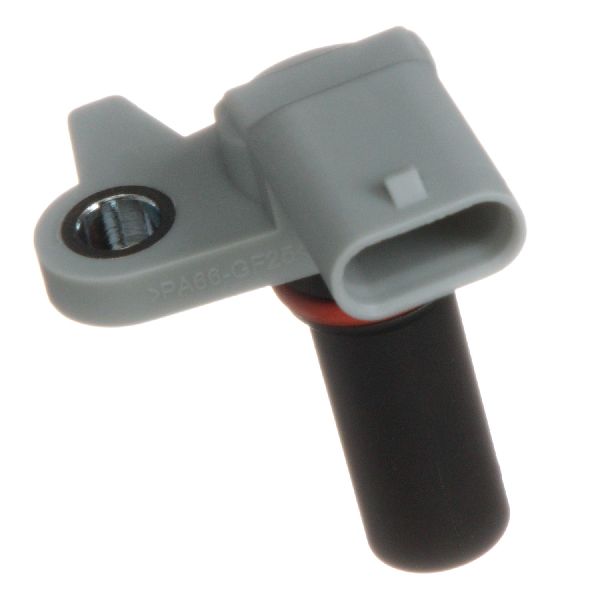
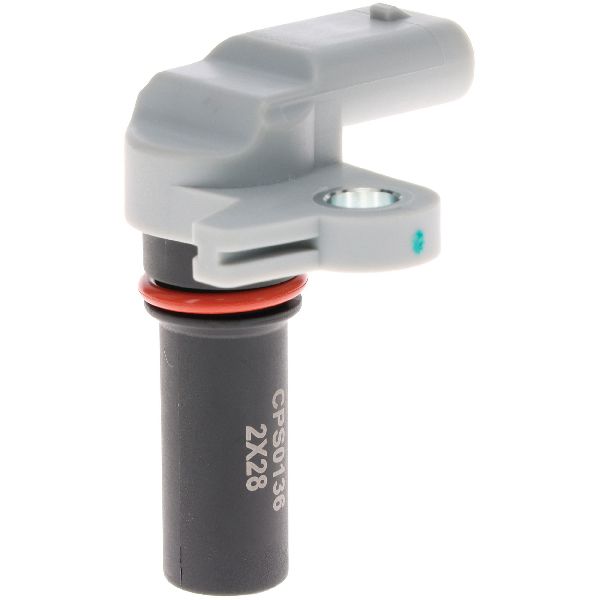
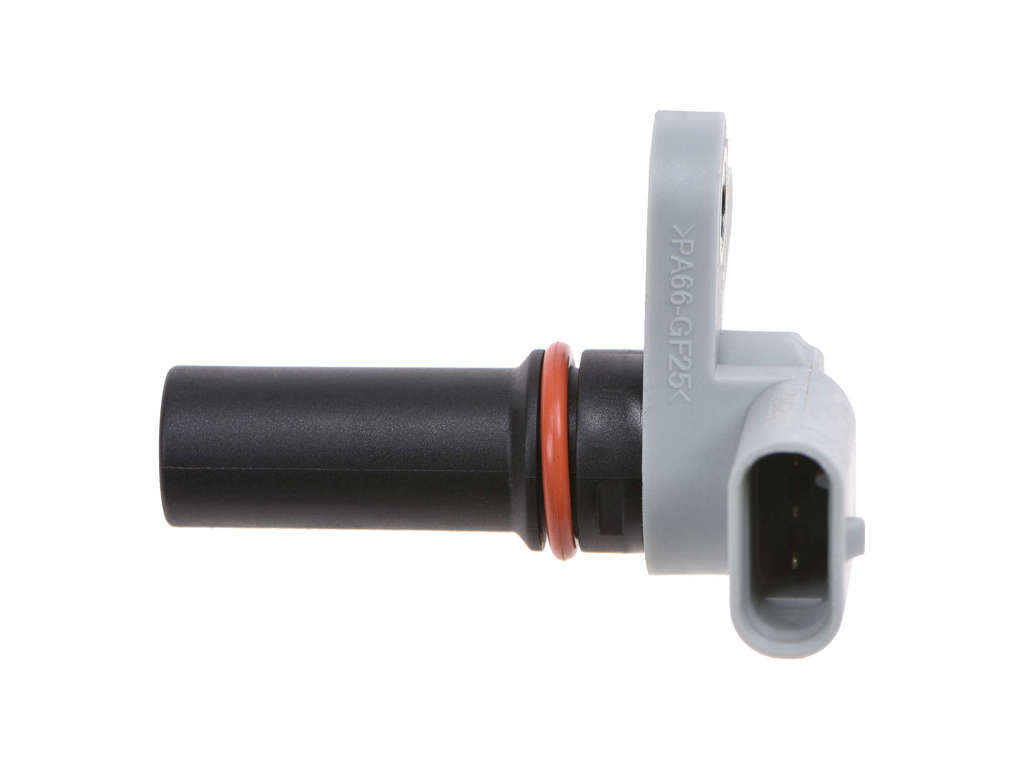
- Do not replace the camshaft position sensor; it is almost never the cause of this code.
- If you hear a rattling noise from the engine on startup, the problem could be more serious (timing chain) and should be professionally diagnosed.
What's Unique About the 2019-2021 Lincoln NAUTILUS
The P0015 code is a common issue across many modern Ford and Lincoln vehicles using the EcoBoost engine family, including the 2.0L and 2.7L in the Nautilus. The manufacturer has issued multiple Technical Service Bulletins (TSBs) acknowledging that VCT system codes, including P0015, are a known concern. These bulletins often point to the VCT solenoids being sensitive to oil condition and prone to sticking from small debris, making an oil change and solenoid inspection the most logical first steps before considering more complex timing system repairs. TSBs like SSM 48423 even recommend using a scan tool to cycle the solenoid to try and dislodge debris before replacement.
Diagnostic Flowchart
Tap your situation to follow the diagnostic path that matches what you're seeing on this vehicle.
Symptoms You May Notice
- Check Engine Light is on
- Rough or unstable idle
- Reduced engine power and acceleration
- Decreased fuel economy
- Engine may hesitate or stall 🎬 Watch: How to fix rough idle and stalling issues
- Rattling noise from the engine, especially on cold starts
- Replacing the Camshaft Position Sensor. The sensor is almost always doing its job correctly by reporting the timing error. The code indicates a mechanical timing problem or a fault in its control system (the VCT solenoid), not a sensor failure. 🎬 See this breakdown of P0015 causes and fixes An owner on f150forum.com confirmed replacing the sensor did not fix their P0015/P0017 issue.
Most Likely Causes
- Low or Dirty Engine Oil 🔴 High Probability The VCT system is hydraulic and extremely sensitive to oil pressure and cleanliness. Sludge or low oil levels are the most frequent cause of VCT system faults on Ford/Lincoln engines, a fact noted in multiple TSBs.
How to confirm: Check the oil dipstick for level and inspect the oil for darkness, thickness, or a gritty texture. If the oil change is overdue, this is the most likely cause.
Typical fix: Perform a complete oil and filter change using the manufacturer-specified full-synthetic oil (e.g., SAE 5W-30 for many EcoBoost engines) and a quality filter like Motorcraft.
Est. part cost: $50-$100 - Faulty Exhaust VCT Solenoid (Bank 1) 🔴 High Probability These solenoids can become clogged with debris or fail electrically, causing them to stick. TSBs SSM 47170 and SSM 48423 directly state this is a common failure point for P0015.
How to confirm: After checking the oil, swap the Bank 1 exhaust VCT solenoid with the Bank 1 intake VCT solenoid. Clear the codes and drive. If the code changes to P0012 (Intake 'A' Camshaft Position - Timing Over-Retarded), the solenoid is bad. You can also test the solenoid's resistance with a multimeter; a healthy reading is typically between 6.9 and 7.9 ohms.
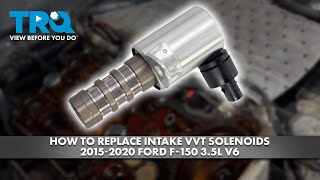
Typical fix: Replace the Bank 1 exhaust VCT solenoid. For the 2.7L V6, this is on the firewall side and requires removing the upper intake manifold, so intake gaskets should also be replaced. 🎬 Watch: Step-by-step guide to replacing the VCT solenoids
Est. part cost: $40-$90 - Failing Camshaft Phaser ⚪ Low Probability The phaser is the mechanical gear that actually adjusts the cam timing. It can get clogged with sludge or fail internally, but this is less common than a solenoid failure. It is often indicated by a distinct cold-start rattle.
How to confirm: This is typically diagnosed after the oil has been changed and the VCT solenoid has been tested or replaced and the code persists. Diagnosis often requires more advanced tools to monitor cam variance (CAMERR PID) and may require removing the valve cover for inspection.
Typical fix: Replace the camshaft phaser, which is a more labor-intensive job and often done as part of a larger timing chain service.
Est. part cost: $150-$400
Rare But Worth Checking
- Stretched Timing Chain or Failed Tensioner: While less common for just a single code to appear, it's a known possibility on higher-mileage EcoBoost engines. A persistent rattling noise on cold startups lasting 2-5 seconds is a key indicator of a stretched chain or failing tensioner.
- Wiring or Connector Issue: Damage to the wiring harness or a corroded/oil-soaked connector for the VCT solenoid can interrupt the signal from the PCM, causing this code. A user on a Mustang forum noted wiggling the harness could make the code appear/disappear.
Diagnosis Steps
- Verify the code with an OBD-II scanner.
- Check the engine oil level and condition. If low, dirty, or overdue for a change, perform an oil and filter change with the correct OEM-spec oil. Clear the code and see if it returns.
- Inspect the electrical connector and wiring for the Bank 1 exhaust VCT solenoid for any damage or corrosion. On the 2.7L V6, this is on the passenger side (firewall side) of the engine.
- Listen for a rattling noise from the engine on a cold start. A 2-5 second rattle strongly suggests a more serious timing chain/phaser issue.
- If the oil is clean and the code returns, swap the exhaust VCT solenoid with the intake VCT solenoid on Bank 1. They are typically identical parts. Clear the codes and drive the vehicle.
- If the code changes to P0012 (Intake Over-Retarded), the VCT solenoid you moved is faulty and must be replaced.
- If the code P0015 returns after the swap, the problem is likely not the solenoid. Further diagnosis of the camshaft phaser, timing chain, and oil passages is required, which may necessitate professional help.
Parts You'll Likely Need
- Variable Camshaft Timing (VCT) Solenoid
(OEM #For 2.0L EcoBoost: HL3Z-6M280-A. For 2.7L EcoBoost (Bank 1 Exhaust): AT4Z-6M280-C (Verify with VIN).)— This is the most common component to fail for this code. It gets stuck or clogged, preventing proper oil flow to adjust cam timing, a fact confirmed by multiple Ford TSBs.
Trusted brands: Motorcraft, Dorman, Delphi
OEM price range: $60-$110
Aftermarket price range: $40-$90
Related Codes That Often Appear With This One
- P0017 — This code ('Crankshaft Position - Camshaft Position Correlation Bank 1 Sensor B') often appears with P0015 because if the exhaust cam is over-retarded, its position will not correlate correctly with the crankshaft's position. Ford TSB 16-0038 specifically notes that if P0015 and P0017 appear together on a low-mileage vehicle, the recommended fix is to replace the bank 1 exhaust VCT solenoid.
Technical Service Bulletins (TSBs) & Recalls
- SSM 54366: Notes that 2015-2021 Ford and Lincoln vehicles may exhibit an illuminated MIL with DTCs including P0015 and refers technicians to a specific pinpoint test in the service manual.
- SSM 48423 / SSM 47170: States that for 2015-2020 models, P0015 may be due to small debris causing the VCT solenoid to stick. Recommends cycling the solenoid with a scan tool before replacement.
- TSB 16-0038: For low-mileage 3.5L GTDI engines, but relevantly states that if P0015 and P0017 are present together, the official fix is to replace the Bank 1 exhaust VCT solenoid.
Platform-Specific Known Issues
- The 2.0L and 2.7L EcoBoost engines are known to be sensitive to oil quality and maintenance intervals. Extending oil changes can lead to sludge that clogs the small passages in the VCT system.
- A Technical Service Bulletin (TSB #SSM 54366) was issued for a wide range of 2015-2021 Ford and Lincoln vehicles, including the Nautilus, for numerous VCT-related codes, including P0015, directing technicians to a specific diagnostic procedure.
- For the 2.7L V6, the Bank 1 VCT solenoids are located on the rear (firewall side) of the engine, requiring the removal of the upper intake manifold for access, which adds labor time and cost (new gaskets are required).
Mechanic-Grade Diagnostic Values
- VCT Solenoid Coil Resistance — expected: 6.9 to 12 ohms. A common range cited is 8-12 ohms, while a Ford-specific source notes 6.9-7.9 ohms.. Failure: An open circuit (infinite resistance) or a reading outside the specified range.
- Engine Oil Pressure at Idle (Hot) — expected: Minimum of 15 PSI. Failure: Pressure below 15 PSI at hot idle can cause the VCT system to malfunction.
- VCT Advanced Error PID (using Ford IDS) — expected: Should hover around 0° with no more than a +/- 5° variation for an excessive time.. Failure: Consistently high positive or negative values indicate the camshaft is not where the PCM is commanding it to be.
Hidden / Shadow Codes Worth Checking
- Mode $06, TID $51-$54: This is not a hidden code but a diagnostic monitor. On Ford vehicles, Test IDs (TID) in the $5x range often relate to the VCT system. Monitoring these can show the last measured camshaft angle error in degrees, providing insight into how far off the timing is before a full DTC is set. (see via A professional scan tool capable of displaying Mode $06 data.)
Scan Tool Commands That Help
- Ford IDS (Integrated Diagnostic System): VCT Solenoid Output State Control — This command allows a technician to directly activate and deactivate the VCT solenoid while the engine is running to see if it responds. A change in idle quality should be noticed if the solenoid is working. This is a key part of Pinpoint Test HK in the service manual.
- Ford IDS (Integrated Diagnostic System): VCT Advanced Error PID Monitoring — This live data PID shows the difference between the commanded and actual camshaft position. It's the most direct way to see the VCT system's performance in real-time and confirm the over-retarded condition reported by P0015.
- Ford IDS (or capable scan tool): Cycle VCT Solenoid (per TSB SSM 48423) — Before replacing a suspected faulty solenoid, some TSBs recommend using the scan tool to cycle the solenoid on and off multiple times (e.g., 10 times) to dislodge any small debris that may be causing it to stick.
Wiring & Ground Locations
- Motorcraft P/N 23587CN — This is the 2-lead pigtail connector that plugs into the VCT solenoid.. The connection at the solenoid is a common point of failure. The connector can become brittle from heat cycles or contaminated with oil, leading to a poor connection and intermittent or constant loss of signal to the solenoid, triggering the code.
Real Owner Repair Stories
- fordedgeforum.com (2017 Ford Edge Sport 2.7L (platform mate to Nautilus)) — Check engine light with code P0015.
❌ Tried (didn't work) Initial diagnosis suggested a timing chain issue, which the owner was concerned about.
✅ What actually fixed it The owner was advised by other forum members that the VCT solenoid was the most likely culprit. The owner replaced the Bank 1 exhaust VCT solenoid (on the firewall side) and the code was resolved. This confirmed the common failure pattern and avoided an unnecessary and expensive timing chain repair.
OEM Part Supersession History
Unknown→HL3Z-6M280-A— This is the current part number for the VCT solenoid used on the 2.0L EcoBoost and other Ford engines.Unknown→AT4Z-6M280-C— This is the current part number for the VCT solenoid used on the 2.7L and 3.5L EcoBoost engines, often specified for the exhaust side on Bank 1.
Heads up: This part is often described with a 'Blue connector' and may be position-specific (intake vs. exhaust, left vs. right bank) depending on the application. Always verify with VIN.
Model Year Variations Within This Range
- 2019-2023: Ford issued TSB 23-2049 (later superseded by 23-2356) for 2019-2023 Nautilus and Edge vehicles with the 2.7L EcoBoost engine. It addresses a cold start ticking or rattle noise lasting 2-5 seconds, which is caused by stuck internal components of the VCT unit (phaser). While this TSB doesn't directly call out P0015, a sticking VCT phaser is a known cause for this code, indicating a potential known mechanical issue with the phasers in this specific model year range.
Helpful Videos


We Have This Part in Stock


The information in this article is provided for general reference and educational purposes only. Vehicle specifications, procedures, and part compatibility can vary by production date, trim level, and region. Always consult your vehicle's factory service manual and verify part numbers before purchasing or performing repairs. Safety-critical components such as airbags, seat belts, and braking systems should be installed by a qualified professional.
- Lincoln NAUTILUS:
- 🎬 Helpful Videos
- 🛍️ Shop This Part
- What's Unique About the 2019-2021 Lincoln NAUTILUS
- Diagnostic Flowchart
- Symptoms You May Notice
- Most Likely Causes
- Rare But Worth Checking
- Diagnosis Steps
- Parts You'll Likely Need
- Related Codes That Often Appear With This One
- Technical Service Bulletins (TSBs) & Recalls
- Platform-Specific Known Issues
- Mechanic-Grade Diagnostic Values
- Hidden / Shadow Codes Worth Checking
- Scan Tool Commands That Help
- Wiring & Ground Locations
- Real Owner Repair Stories
- OEM Part Supersession History
- Model Year Variations Within This Range
- 🎟️ Get 5% Off