

P0015 on 2015-2018 Lincoln MKX: Exhaust Cam Timing Causes and Fixes
On a 2015-2018 Lincoln MKX, code P0015 is most often caused by a sticking exhaust VCT solenoid on Bank 1, usually due to dirty or low engine oil. An oil change and replacing the VCT solenoid (around $30-$80 for the part) is the most common fix. Bank 1 is on the firewall side, making access more labor-intensive.
- Always check your engine oil level and condition first; low or dirty oil is the number one cause of VCT system problems.
- The most likely failed part is the Bank 1 (firewall side) exhaust VCT solenoid, which is a known issue confirmed by Lincoln TSBs.
- A common and effective diagnostic step is to swap the exhaust and intake VCT solenoids on Bank 1 to see if the trouble code follows the solenoid.
- Due to the labor required to access the firewall-side solenoids, it is wise to use high-quality OEM (Motorcraft) or reputable aftermarket parts to avoid repeat repairs.
- Do not immediately assume a major timing chain issue; the VCT solenoid is a much more common and less expensive failure point.
What's Unique About the 2015-2018 Lincoln MKX
For this generation of Lincoln MKX and related Ford/Lincoln vehicles, the manufacturer has issued multiple Technical Service Bulletins (TSBs). These bulletins acknowledge that codes like P0015 are frequently caused by small debris in the engine oil, which makes the Variable Camshaft Timing (VCT) solenoid stick. TSB SSM 48423 specifically advises technicians 🎬 Watch: Why you should try this VCT cleaning trick first. to use a scan tool to cycle the affected solenoid 10 times to attempt to clear debris before replacing it. This makes a dirty or failing VCT solenoid the primary suspect, often before more complex issues like timing chain stretch are considered.
Diagnostic Flowchart
Tap your situation to follow the diagnostic path that matches what you're seeing on this vehicle.
Generation note: The 2015 model year is the final year of the first-generation MKX, which came standard with the 3.7L V6 engine. The 2016-2018 models are the second generation, offering the 3.7L V6 as a base engine and a 2.7L EcoBoost V6 as an option. The P0015 code and its common causes apply to both generations and engine types, as they are covered under the same TSBs and share the same fundamental VCT design.
Symptoms You May Notice
- Check Engine Light is on
- Rough idle or stalling
- Poor engine performance and sluggish acceleration
- Reduced fuel economy
- Rattling, ticking, or knocking noise from the engine
- Hesitation or stumbling during acceleration
- Replacing the camshaft position sensor. The sensor is usually just reporting the problem, not causing it. The code indicates a mechanical timing issue, not an electrical sensor failure.
- Replacing the timing chain immediately. While a possible cause, the VCT solenoids are far more likely to fail and are much cheaper and easier to replace. Always diagnose the VCT system first, starting with an oil change and solenoid swap/test.
Most Likely Causes
- Sticking or Failed VCT Solenoid 🔴 High Probability Manufacturer TSBs SSM 48423 and SSM 47170 directly state this code can be caused by small debris causing the VCT solenoid to stick. This is the most widely acknowledged cause for this engine family.
How to confirm: After checking oil, swap the Bank 1 exhaust solenoid with the Bank 1 intake solenoid. Clear the codes and drive the vehicle. If the code changes to P0012 (Intake Over-Retarded), the solenoid is faulty. A diagnostic scan tool can also be used to command the solenoid on and off to check for a response, which may also clear debris as per TSB guidance. The solenoid's internal resistance can be tested with a multimeter; a reading between 7 and 14 ohms is expected.
Typical fix: Replace the Bank 1 exhaust VCT solenoid. Since accessing the Bank 1 (firewall side) valve cover is labor-intensive and requires removing the upper intake manifold, it's highly recommended to replace the valve cover gasket, spark plug tube seals, and potentially both VCT solenoids (intake and exhaust) on that bank at the same time to save on future labor.
Est. part cost: $30-$80 - Low or Dirty Engine Oil 🔴 High Probability The VCT system is entirely dependent on oil pressure and cleanliness to function. The TSBs mention debris in the oil as a primary cause of solenoid failure. Using oil of the incorrect viscosity can also cause this issue.
How to confirm: Check the engine oil level on the dipstick and inspect its condition. If the oil is low, dark, sludgy, or past its recommended change interval, this is a likely contributor.
Typical fix: Perform an engine oil and filter change using the manufacturer-specified grade of full-synthetic or synthetic-blend oil (e.g., 5W-30 for 2.7L/3.7L) and a quality filter. This should be the first step in any diagnosis for this code and may resolve it alone.
Est. part cost: $40-$100 - Worn Timing Chain or Phasers ⚪ Low Probability While less common than solenoid failure, timing chain stretch or cam phaser failure can occur at higher mileage (typically over 100k miles), causing a permanent retard in cam timing that a new solenoid cannot fix.
How to confirm: This is a complex diagnosis requiring removal of the timing cover. A persistent rattling noise on cold starts that lasts for a few seconds is a strong indicator of a timing chain/phaser issue. This should only be considered after VCT solenoids and oil have been ruled out.
Typical fix: This is a major repair that involves replacing the timing chain, guides, tensioners, and often the cam phasers and water pump. This is typically a job for a professional shop.
Est. part cost: $500-$1500
Rare But Worth Checking
- Faulty Camshaft Position Sensor: This is rare. The sensor's job is to report the camshaft's position. A faulty sensor could send bad data, but it's more likely to throw a sensor-specific circuit code (e.g., P0345, P0349) rather than a mechanical timing correlation code like P0015.
- Wiring Harness Damage: Damage to the wires leading to the VCT solenoid or camshaft position sensor can cause intermittent signals. Check for frayed wires, oil contamination in the connector, or loose connections near the rear valve cover.
- Clogged Oil Passages: In engines with a history of poor maintenance or oil sludge, the small oil passages feeding the VCT solenoids and cam phasers can become blocked, starving the system of the pressure needed to operate correctly. This often requires significant engine disassembly to clean.
Diagnosis Steps
- Check Engine Oil: Verify the oil level is correct and the oil is clean and of the proper viscosity (typically 5W-30). If low or dirty, perform an oil and filter change before proceeding. This step alone may fix the issue.
- Scan for Codes: Use an OBD-II scanner to confirm P0015 and note any other codes. Freeze frame data can show engine conditions when the code was set.
- Inspect Wiring: Visually inspect the wiring harness and connector for the Bank 1 exhaust VCT solenoid (firewall side, under the intake manifold) for any signs of damage, corrosion, or looseness.
- Test the Solenoid: The most effective test is to swap the Bank 1 exhaust solenoid with the Bank 1 intake solenoid. Clear the codes and drive the vehicle. If the code returns as P0012 ('A' Camshaft Over-Retarded), the solenoid you moved is confirmed to be faulty. Alternatively, a capable scan tool can run the 'Output State Control' or 'On/Off Cycle Test' to cycle the solenoid and check for response.
- Professional Diagnosis: If the code persists after changing the oil and replacing the solenoid, the issue may be more severe, such as a stretched timing chain, a failing cam phaser, or clogged oil passages. This level of diagnosis requires specialized tools and significant labor to inspect the timing components.
Parts You'll Likely Need
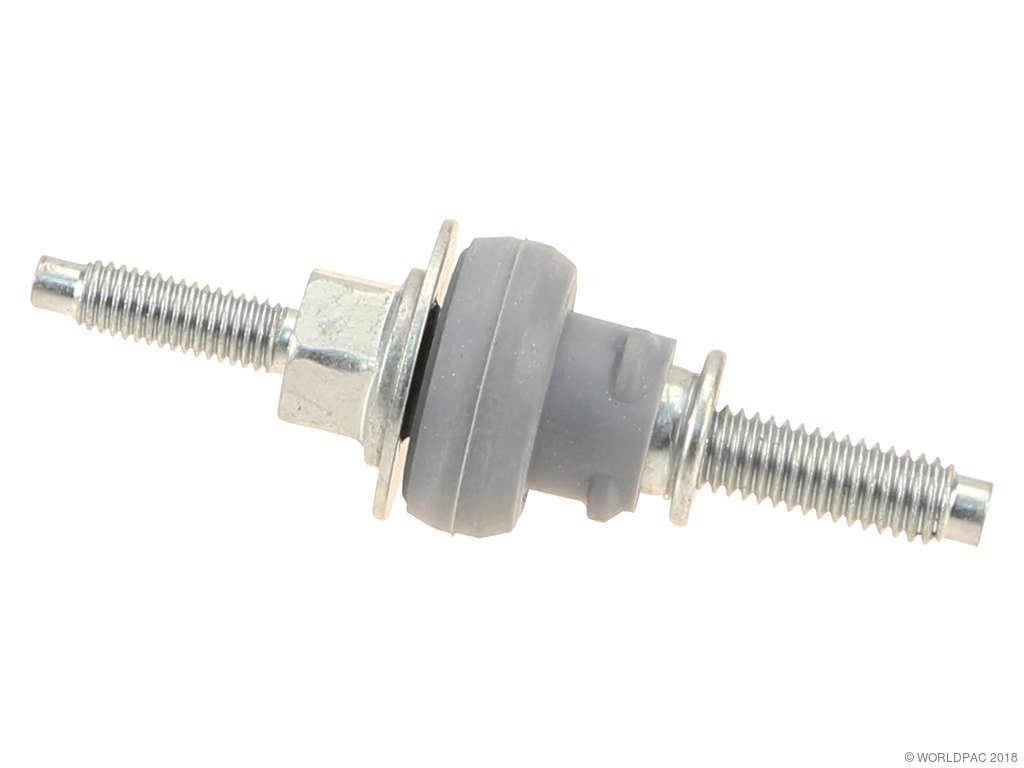
- Variable Camshaft Timing (VCT) Solenoid
(OEM #AT4Z-6M280-A)— This is the most common failure point for code P0015, as confirmed by multiple TSBs. It gets stuck due to oil debris. This part number is used for multiple positions on the 3.7L and 2.7L engines.
Trusted brands: Motorcraft, Standard Motor Products (SMP), Dorman
OEM price range: $50-$90
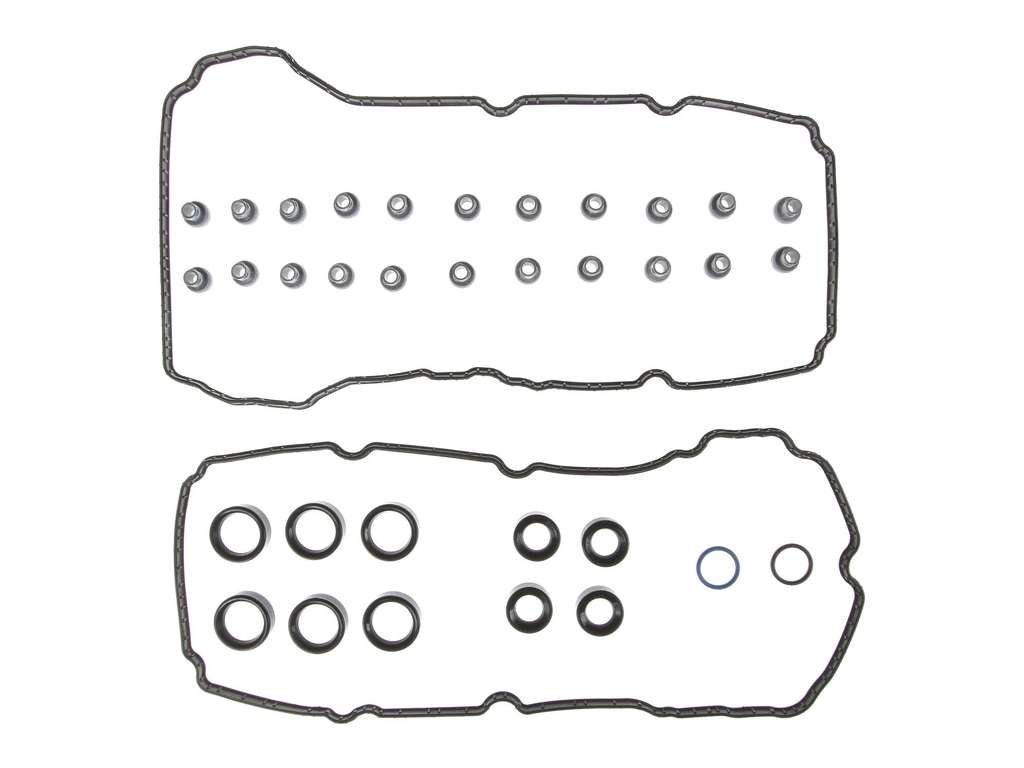
Aftermarket price range: $30-$60 - Valve Cover Gasket Kit (Bank 1 / Rear)
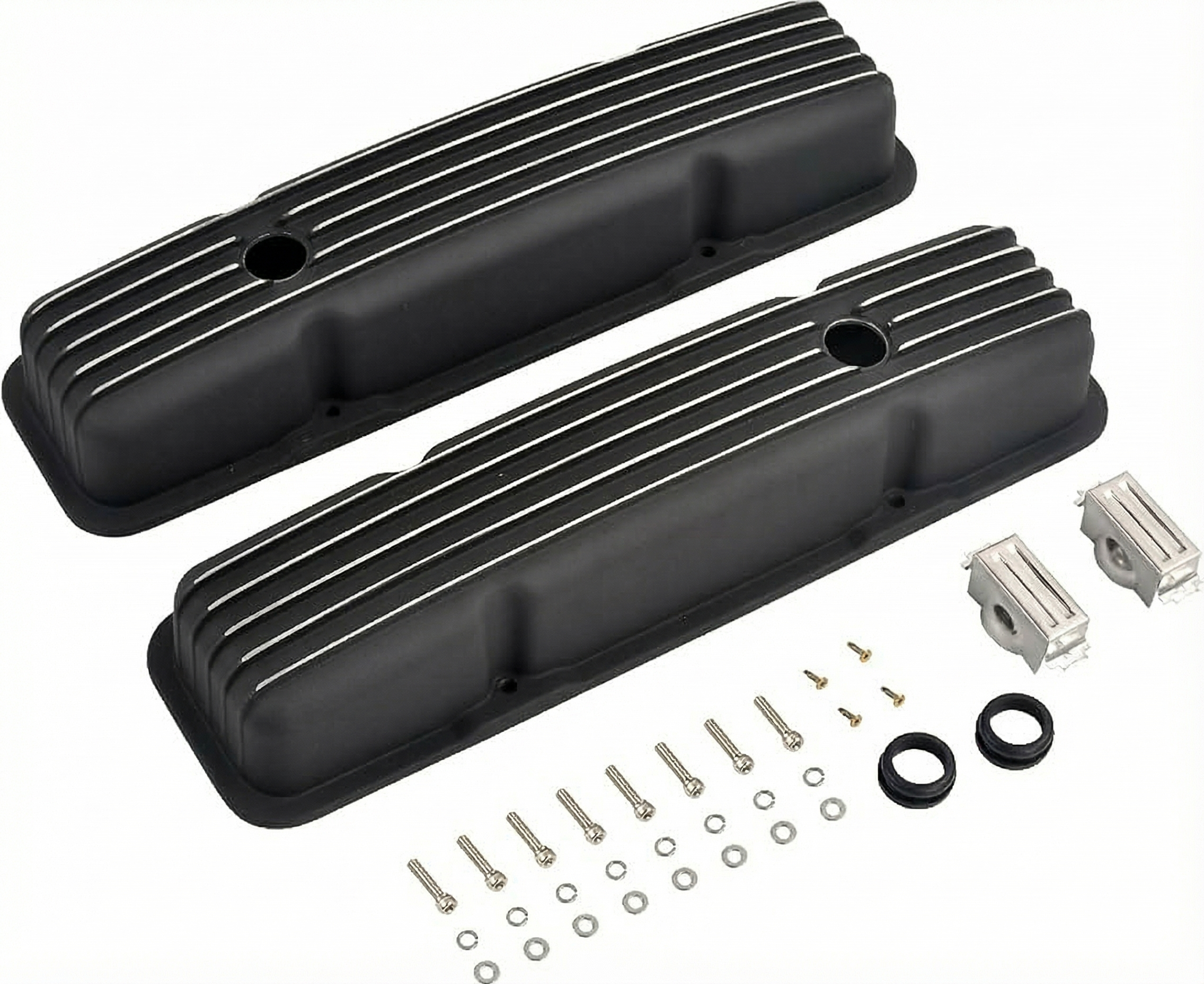
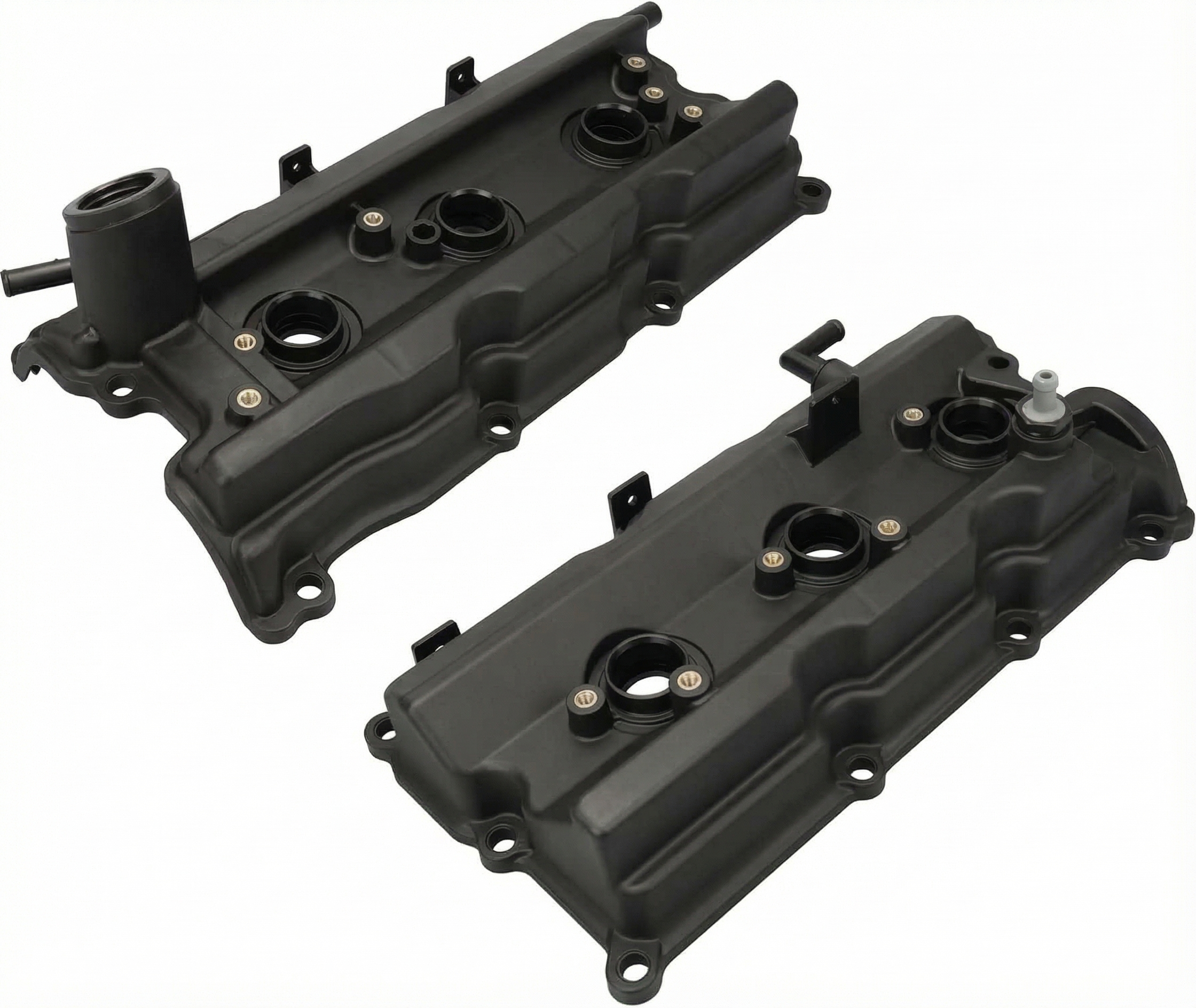
(OEM #DL3Z-6584-C)— The valve cover must be removed to access the VCT solenoids on Bank 1. The gasket is a single-use item and must be replaced to prevent oil leaks. A kit usually includes spark plug tube seals.
Trusted brands: Motorcraft, Fel-Pro, Mahle
OEM price range: $25-$50
Aftermarket price range: $20-$40 - Upper Intake Manifold Gaskets — Required for reinstallation of the upper intake manifold after accessing the rear valve cover. Reusing old gaskets is a major cause of vacuum leaks.
Trusted brands: Motorcraft, Fel-Pro
OEM price range: $20-$40
Aftermarket price range: $20-$40
Related Codes That Often Appear With This One
- P0014 — This is for 'B' Camshaft Position - Timing Over-Advanced. Seeing both P0014 and P0015 can indicate an erratic VCT solenoid that is sticking in both directions or a wiring issue.
- P0025 — This is the same over-retarded code but for Bank 2 (radiator side). If both are present, it strongly suggests a common cause affecting the whole engine, such as low oil pressure or severe oil contamination.
- P0011 / P0012 — These codes are for the intake camshaft on the same bank (Bank 1). If they appear with P0015, it could point to a problem affecting the entire bank, like a clogged oil passage or low oil pressure to that cylinder head.
- P0017 — This code indicates a Crankshaft/Camshaft correlation error for the Bank 1 Exhaust cam. If seen with P0015, it reinforces a mechanical timing problem and can sometimes point more strongly toward a stretched timing chain or failed phaser, especially if a new solenoid doesn't fix the issue.
Technical Service Bulletins (TSBs) & Recalls
- SSM 54366: Notes that various VCT codes including P0015 may occur and refers to a specific pinpoint test in the service manual for 2015-2021 models.
- SSM 48423: States that P0015 may be due to small debris causing the VCT solenoid to stick and advises using a scan tool to cycle the solenoid to clear it before replacement.
- SSM 47170: An earlier TSB that also notes P0015 may be due to a sticking VCT solenoid from debris and refers to diagnostic procedures.
Platform-Specific Known Issues
- TSB SSM 48423 and SSM 47170: These bulletins cover 2015-2020 Ford and Lincoln vehicles and state that VCT codes like P0015 may be caused by small debris making the solenoid stick. They refer technicians to pinpoint test HK11, which involves commanding the solenoid with a scan tool 10 times to try and clear it before replacement.
- Bank 1 Access Difficulty: A common complaint on forums is the high labor cost associated with any repair on the rear (Bank 1) cylinder bank. This is due to the requirement to remove the upper intake manifold to access the valve cover, under which the VCT solenoids are located.
- Leaking VCT Solenoid Seals: Even without a trouble code, the seals for the VCT solenoids themselves can leak oil onto the valve cover. Some owners on F-150 forums have noted that replacing just the seals can be difficult and that replacing the entire valve cover (which comes with new seals pre-installed) is sometimes an easier, albeit more expensive, solution to leaks.
Mechanic-Grade Diagnostic Values
- VCT Solenoid Internal Resistance — expected: 7.0 - 14.0 Ohms. Failure: A reading outside this range (open circuit or short) indicates a failed solenoid.
- VCT Solenoid Connector Voltage (Key On, Engine Off) — expected: 12V+ (Battery Voltage) on the power supply pin.. Failure: No voltage suggests a wiring or fuse issue upstream of the solenoid.
- Scan Tool PID: VCT_ADV_ERR (Camshaft Advance Error) — expected: Near 0 degrees (+/- 5 degrees) during closed-loop operation.. Failure: A consistently high positive or negative value indicates the camshaft is not reaching its commanded position.
- Engine Oil Pressure at Idle (Warm Engine) — expected: Minimum 15 PSI. Failure: Pressure below this threshold can cause the VCT system to malfunction, even with good components.
Hidden / Shadow Codes Worth Checking
- Mode $06, TID $51-$54: This is not a proprietary code, but a standard OBD-II function that shows raw test data from the PCM's non-continuous monitors. For Ford vehicles, Test IDs (TID) in the $5x range relate to the VCT system and can display the last measured camshaft angle error in degrees, providing more granular data than the DTC alone. (see via A professional scan tool or advanced OBD-II app capable of displaying Mode $06 data.)
Scan Tool Commands That Help
- Ford IDS (or equivalent professional scanner): Output State Control for VCT Solenoid / VCT Solenoid On/Off Cycle Test — This bidirectional command is used to manually cycle the solenoid, often 10-20 times. It helps confirm if the solenoid is electrically responsive (audible click) and can sometimes dislodge small debris, as recommended in Ford TSBs before part replacement.
Wiring & Ground Locations
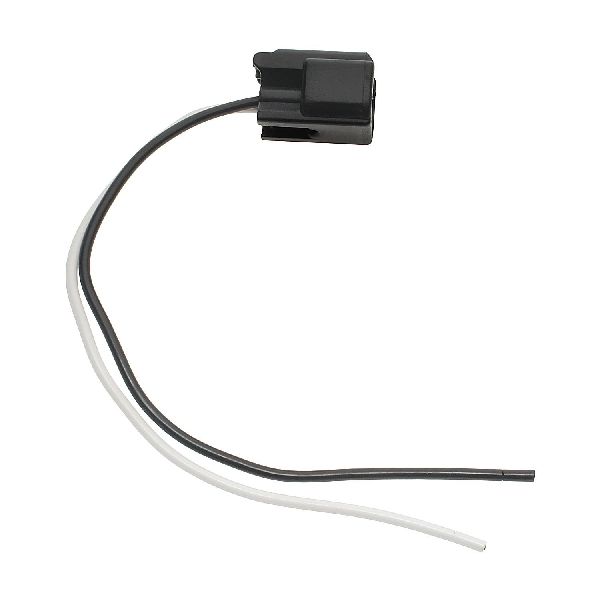
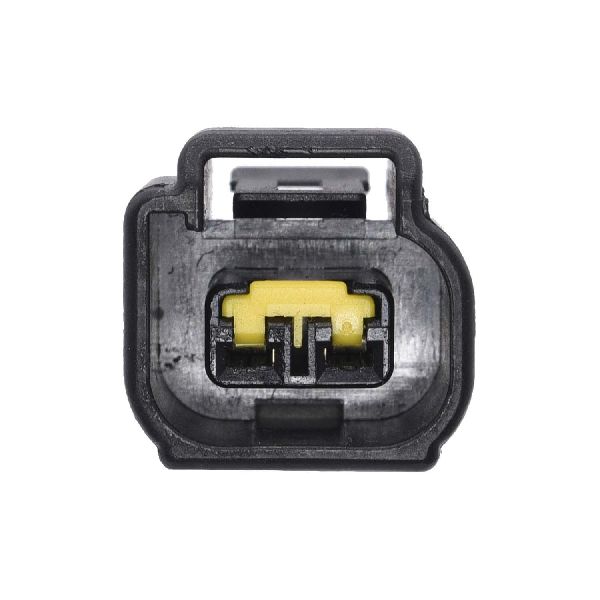
- VCT Solenoid Connector — On the VCT solenoid itself. Bank 1 (rear) solenoids are under the upper intake manifold.. The two-pin connector provides power and a PCM-controlled ground. Oil contamination, corrosion, or a loose connection here will prevent the solenoid from actuating correctly.
- G104 — Left front of the engine compartment.. This is a primary engine bay ground point. A corroded or loose ground here can cause erratic behavior in sensors and actuators controlled by the PCM, including the VCT solenoids.
- Power Distribution Box — In the engine bay, near the battery on the front left side.. This fuse box contains the fuses and relays that supply power to the PCM and VCT solenoid circuits. A blown fuse (e.g., Fuse F16 mentioned in a general Ford example) would cut power to the solenoid.
When the Usual Fixes Don't Work
- If code P0015 returns after an oil change and replacement of the Bank 1 exhaust VCT solenoid, the root cause is likely not the solenoid itself. Technicians should then investigate less common but critical possibilities before repeating the repair. For the 3.7L V6, a primary suspect becomes a failing internal water pump leaking coolant into the oil, creating sludge that fouls the VCT system. For both the 3.7L and 2.7L engines, another possibility is the use of an aftermarket oil filter with incorrect flow or bypass characteristics, which can starve the VCT phasers of required oil pressure, especially on startup. If oil quality and components are confirmed good, the diagnosis must escalate to mechanical timing, suspecting a stretched timing chain or a faulty (stuck) cam phaser, which requires significant engine disassembly to confirm.
OEM Part Supersession History
AT4Z-6M280-A→AT4Z-6M280-B, AT4Z-6M280-C— Part revision and improvement by the manufacturer.
Heads up: AT4Z-6M280-C is the latest service part number and often has a blue connector. While these solenoids are often interchangeable between intake/exhaust positions, some documentation suggests specific part numbers for specific camshafts. Always verify the correct part number for the exact position (Bank 1 Exhaust) with a dealer using the vehicle's VIN.
Model Year Variations Within This Range
- 2015: The 2015 model is the last year of the first-generation MKX (U388 platform) and came standard with the 3.7L V6 engine.
- 2016-2018: These years are the second-generation MKX (U540 platform), featuring a significant exterior and interior redesign. The 3.7L V6 was the base engine, with the 2.7L twin-turbo EcoBoost V6 offered as a new optional engine. While the engines differ, the VCT system design and its susceptibility to oil-related faults are common across both.
Helpful Videos




![How to Fix P0015 Engine Code in 4 Minutes [2 DIY Methods / Only $6.62]](https://img.youtube.com/vi/kO0eG5jKmzg/mqdefault.jpg)
Used OEM Parts in Stock




New Aftermarket Parts Available


The information in this article is provided for general reference and educational purposes only. Vehicle specifications, procedures, and part compatibility can vary by production date, trim level, and region. Always consult your vehicle's factory service manual and verify part numbers before purchasing or performing repairs. Safety-critical components such as airbags, seat belts, and braking systems should be installed by a qualified professional.
- Lincoln MKX:
- 🎬 Helpful Videos
- 🛍️ Shop This Part
- What's Unique About the 2015-2018 Lincoln MKX
- Diagnostic Flowchart
- Symptoms You May Notice
- Most Likely Causes
- Rare But Worth Checking
- Diagnosis Steps
- Parts You'll Likely Need
- Related Codes That Often Appear With This One
- Technical Service Bulletins (TSBs) & Recalls
- Platform-Specific Known Issues
- Mechanic-Grade Diagnostic Values
- Hidden / Shadow Codes Worth Checking
- Scan Tool Commands That Help
- Wiring & Ground Locations
- When the Usual Fixes Don't Work
- OEM Part Supersession History
- Model Year Variations Within This Range
- 🎟️ Get 5% Off