

P0015 on 2019-2021 Ford Ranger: Causes and Fixes for Over-Retarded Cam Timing
For the 2019-2021 Ford Ranger, code P0015 is most often caused by low or dirty engine oil, or a failing Variable Camshaft Timing (VCT) solenoid. Always check your oil level and condition first. Replacing the exhaust VCT solenoid is the next most common fix, with the OEM part (e.g., CJ5Z-6M280-A) costing around $50-$90.
- Code P0015 on a 2019-2021 Ranger means the exhaust camshaft timing is retarded.
- Before buying any parts, check your engine oil. Low or dirty oil is the most common cause.
- The next most likely culprit is a faulty exhaust VCT solenoid, which is relatively inexpensive and easy to access on the 2.3L EcoBoost engine.
- A simple diagnostic step is to swap the intake and exhaust VCT solenoids to see if the trouble code follows the part.
- If an oil change and solenoid replacement don't fix the issue, the problem may be a faulty sensor or a more serious mechanical timing issue requiring professional help.
What's Unique About the 2019-2021 Ford RANGER
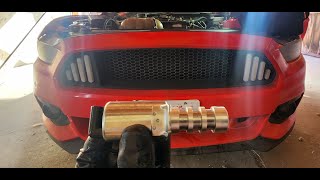
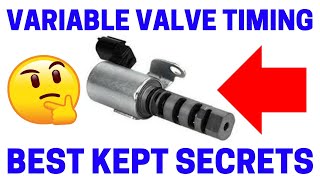
The 2.3L EcoBoost engine in the Ranger relies heavily on clean, correct-viscosity oil for its Variable Camshaft Timing (VCT) system to function. 🎬 Watch: A deep dive into how Ford 2.3L VVT systems work. While the causes for P0015 are common across many Ford models, the accessibility of the VCT solenoids on the front of the engine makes diagnosis and repair more straightforward than on some V6 Ford engines where they are under the valve covers. Ford has acknowledged that sticking VCT solenoids are a common issue across the 2.3L EcoBoost platform (also used in the Mustang and Explorer), as noted in multiple TSBs like SSM 54366 and TSB 16-0010.
Diagnostic Flowchart
Tap your situation to follow the diagnostic path that matches what you're seeing on this vehicle.
Symptoms You May Notice
- Rough idle
- Reduced engine power and poor acceleration
- Decreased fuel economy
- Engine may stall, especially when idling
- Difficulty starting the engine
- Rattling or tapping noise from the engine
- Replacing the camshaft position sensor when the actual problem is the VCT solenoid or dirty oil.
- Replacing the camshaft phaser before thoroughly testing the much cheaper and easier to replace VCT solenoid.
Most Likely Causes
- Low or Dirty Engine Oil 🔴 High Probability The VCT system is hydraulic and highly sensitive to oil pressure and cleanliness. Sludge or low oil levels are the most frequent cause of VCT-related codes.
How to confirm: Check the engine oil dipstick for level and inspect the oil's color and consistency. If it's low, dark, or sludgy, it needs to be changed.
Typical fix: Top off the oil or perform a complete oil and filter change using the manufacturer-specified grade (e.g., SAE 5W-30 for the 2.3L EcoBoost).
Est. part cost: $40-$80 - Faulty Exhaust VVT/VCT Solenoid 🔴 High Probability These solenoids can get clogged with debris from the oil or fail electrically. Ford TSBs for similar engines point to this as a common failure point. TSB 16-0010 specifically advises replacing the exhaust VCT solenoid on low-mileage 2.3L engines if P0015 is present with P0017.
How to confirm: Swap the exhaust VCT solenoid with the intake solenoid (if they are identical). If the code changes to P0014 or P0012, the solenoid is bad. You can also test its resistance with a multimeter (should be 6.9-7.9 ohms). A capable scan tool can also be used to command the solenoid and check its response.
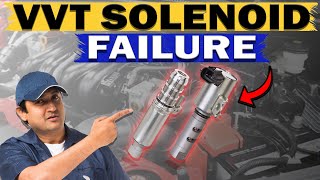
Typical fix: Replace the Bank 1 exhaust VCT solenoid. 🎬 Watch: This walkthrough shows how to replace the 2.3L solenoid. Common OEM part numbers include CJ5Z-6M280-A and JT4Z-6C880-A.
Est. part cost: $30-$80 - Faulty Camshaft Position Sensor ⚪ Low Probability
How to confirm: The sensor provides the timing data to the PCM. If it sends incorrect signals, the PCM may set a false code. Testing involves checking the sensor's signal with an oscilloscope or replacing it if other causes are ruled out. A failing sensor will often throw its own circuit code, like P0340.
Typical fix: Replace the Bank 1 exhaust camshaft position sensor.
Est. part cost: $25-$60 - Sticking or Failed Camshaft Phaser ⚪ Low Probability This is a more severe mechanical failure, often caused by prolonged operation with dirty oil.
How to confirm: This is difficult to confirm without ruling out all other causes. Diagnosis typically requires removing the valve cover for inspection and may involve advanced scan tool data analysis. This is usually suspected after solenoids and oil issues are eliminated.
Typical fix: Replace the camshaft phaser assembly. This is a labor-intensive job.
Est. part cost: $100-$250
Rare But Worth Checking
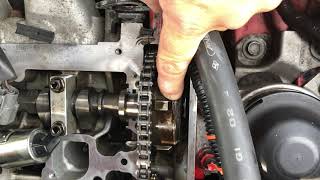
- Stretched Timing Chain or Failed Tensioner: While not common on newer vehicles, a stretched chain or bad tensioner can cause base timing to be off, triggering this code. This would likely be accompanied by rattling noises.
- Clogged Oil Passages: Severe engine sludge can block the small oil passages leading to the VCT solenoid and phaser, starving them of the oil pressure needed to operate.
Diagnosis Steps
- Check Engine Oil: Verify the oil level is correct and the oil is clean. If it's low or past its service interval, perform an oil and filter change, clear the code, and drive the vehicle to see if the code returns.
- Scan for Other Codes: Use an OBD-II scanner to confirm P0015 is the only code present. Note any other codes, paying special attention to P0017, which could point directly to a solenoid issue per TSB 16-0010.
- Command Solenoid with Scan Tool (If available): Per Ford diagnostic procedures (Pinpoint Test HK), use a capable scan tool to command the VCT solenoid multiple times. This can sometimes dislodge debris and may resolve the code without parts replacement.
- Inspect VCT Solenoid: Locate the exhaust VCT solenoid on the front of the engine. Inspect the wiring and connector for damage or corrosion. Wiggle the harness to ensure the solenoid mount isn't broken.
- Test the VCT Solenoid: The most effective DIY test is to swap the exhaust and intake VCT solenoids (they are identical and next to each other). Clear the codes and drive. If the code changes to P0012 or P0014, the solenoid you moved is the faulty part. Alternatively, test the solenoid's resistance with a multimeter; it should be between 6.9 and 7.9 ohms.
- Test Camshaft Position Sensor: If the solenoid swap doesn't isolate the problem, inspect the camshaft position sensor and its wiring. Replacement is often the next logical step if the sensor is suspected.
- Advanced Mechanical Checks: If all the above steps fail to resolve the issue, the problem is likely more severe, such as a failing camshaft phaser or timing chain issue. This level of diagnosis is best left to a professional.
Parts You'll Likely Need
- Variable Camshaft Timing (VCT) Solenoid
(OEM #CJ5Z-6M280-A or JT4Z-6C880-A)— This is the most common failure point for P0015, as it can get stuck from oil debris or fail electrically. TSBs confirm this is a known issue.
Trusted brands: Motorcraft, Dorman (p/n 917-196), Hitachi
OEM price range: $50-$90
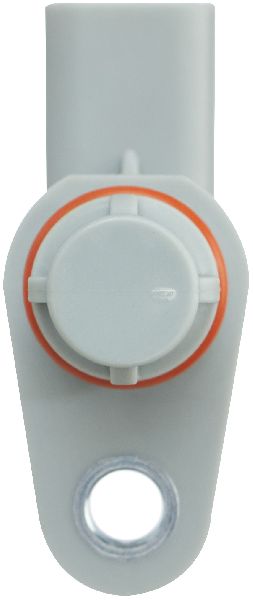
Aftermarket price range: $30-$60 - Camshaft Position Sensor — If the VCT solenoid is not the cause, a faulty sensor providing incorrect data to the PCM is the next most likely electrical component to fail.
Trusted brands: Motorcraft, Bosch, NGK/NTK
OEM price range: $40-$70
Aftermarket price range: $25-$50
Related Codes That Often Appear With This One
- P0014 — If you swap a faulty exhaust VCT solenoid with the intake one for diagnosis, the code may change to P0014 ('B' Camshaft Position - Timing Over-Advanced).
- P0017 — Camshaft Position 'B' - Crankshaft Position Correlation (Bank 1). TSB 16-0010 specifically notes that if P0015 and P0017 appear together on a low-mileage 2.3L engine, the exhaust VCT solenoid is the likely culprit and should be replaced.
- P0340 — A code for the camshaft position sensor circuit itself can sometimes appear alongside a timing correlation code if the sensor is failing.
Technical Service Bulletins (TSBs) & Recalls
- SSM 54366: Mentions P0015 among other VCT codes for 2015-2021 Ford vehicles and points to a specific diagnostic test (Pinpoint Test HK).
- TSB 16-0010: Advises replacement of the exhaust VCT solenoid (CJ5Z-6M280-A) on low-mileage 2.3L GTDI engines if P0015 is paired with P0017.
Platform-Specific Known Issues
- A Technical Service Bulletin (TSB #SSM 54366) covers 2015-2021 Ford vehicles, including the Ranger, for a wide range of VCT codes including P0015. It directs technicians to a specific diagnostic procedure (Pinpoint Test HK), indicating a known pattern of VCT system issues that require careful diagnosis rather than immediate part replacement.
- TSB 16-0010 is highly specific for 2.0L and 2.3L EcoBoost engines (in various 2016 models) with less than 2,000 miles. It states that if DTCs P0015 and P0017 are present together, the exhaust VCT solenoid (Part No. CJ5Z-6M280-A) should be replaced. While for a different model year, this provides strong evidence of the solenoid being a known weak point on this engine platform.
Mechanic-Grade Diagnostic Values
- VCT Solenoid Internal Resistance — expected: 6.9 - 7.9 Ohms @ 68°F (20°C). Failure: A reading outside this range, or OL (Open Loop/infinite resistance), indicates a failed solenoid coil.
- Engine Oil Pressure at Hot Idle — expected: Minimum 15 PSI. Failure: Pressure below 15 PSI at a normal operating temperature idle will prevent the VCT system from functioning correctly and can set timing codes.
- Scan Tool PID: VCT_ADV_ERR (Camshaft Timing Advance Error) — expected: Near 0 degrees (+/- 5 degrees). Failure: A large, persistent error value for the exhaust cam while the engine is running indicates a discrepancy between the commanded and actual cam position, pointing to a fault in the VCT system.
- VCT Solenoid Connector Voltage (Key On, Engine Off) — expected: Approximately 12V (Battery Voltage). Failure: No voltage or very low voltage indicates a problem in the power supply circuit to the solenoid, such as a blown fuse or wiring fault.
Scan Tool Commands That Help
- Ford IDS or FORScan: Output State Control (OSC) / Cycle VCT Solenoid — This bidirectional command is used to manually cycle the VCT solenoid on and off multiple times. As recommended in Ford TSBs, this can dislodge small debris causing the solenoid to stick, potentially fixing the issue without part replacement. It also serves as a functional test to see if the solenoid clicks and responds to PCM commands.
Wiring & Ground Locations
- Engine Harness Ground — Grounded to one of the bolts for the high-pressure fuel pump (HPFP).. The PCM and its related sensors and actuators require a solid ground reference to function. A poor ground at this location can cause erratic behavior in various engine systems, including the VCT solenoids, leading to incorrect operation and fault codes.
Real Owner Repair Stories
- Mustang6G.com forum user (Ford Mustang with 2.3L EcoBoost engine) — Low oil pressure warning, codes P0012 and P0015 for both intake and exhaust retarded cam timing.
❌ Tried (didn't work) Initial assumption was a major timing issue or 'ecoboom'.
✅ What actually fixed it The root cause was a leaking Engine Oil Pressure Sensor (EOPS) that was 'squirting oil'. This leak caused the oil level to drop. Replacing the faulty sensor and topping off the engine oil resolved the cam timing codes. This highlights how an external oil leak can directly cause VCT system codes due to loss of oil pressure.
OEM Part Supersession History
CJ5Z-6M280-A→N/A— This part number is widely cited for 2.0L and 2.3L EcoBoost applications, including the Ranger.
Heads up: The part number JT4Z-6C880-A is also a Ford VCT solenoid but is typically listed for other applications like the 5.0L V8. While they may appear similar, they are not listed as interchangeable. For the 2019-2021 Ranger 2.3L, CJ5Z-6M280-A is the most consistently referenced correct part.
Helpful Videos
Used OEM Parts in Stock
New Aftermarket Parts Available


The information in this article is provided for general reference and educational purposes only. Vehicle specifications, procedures, and part compatibility can vary by production date, trim level, and region. Always consult your vehicle's factory service manual and verify part numbers before purchasing or performing repairs. Safety-critical components such as airbags, seat belts, and braking systems should be installed by a qualified professional.
- Ford RANGER:
- 🎬 Helpful Videos
- 🛍️ Shop This Part
- What's Unique About the 2019-2021 Ford RANGER
- Diagnostic Flowchart
- Symptoms You May Notice
- Most Likely Causes
- Rare But Worth Checking
- Diagnosis Steps
- Parts You'll Likely Need
- Related Codes That Often Appear With This One
- Technical Service Bulletins (TSBs) & Recalls
- Platform-Specific Known Issues
- Mechanic-Grade Diagnostic Values
- Scan Tool Commands That Help
- Wiring & Ground Locations
- Real Owner Repair Stories
- OEM Part Supersession History
- 🎟️ Get 5% Off