

P0015 on 2015-2019 Ford Police Interceptor Sedan: Exhaust Cam Timing Causes and Fixes
On a 2015-2019 Police Interceptor Sedan with a V6, P0015 almost always points to a sticking exhaust VCT solenoid on Bank 1 (firewall side), often caused by dirty oil or debris. Start with an oil and filter change using the correct Ford-spec oil. If the code persists, the solenoid needs replacement, which is a labor-intensive job requiring removal of the upper intake manifold and valve cover.
- P0015 on this vehicle means the exhaust camshaft on the firewall-side cylinder bank is out of time.
- The most likely cause is a sticking VCT solenoid due to dirty oil; always start diagnosis with an oil and filter change.
- Replacing the correct solenoid is a high-probability fix, but it is labor-intensive (DIY Difficulty 4/5) because it's on the firewall side of the engine.
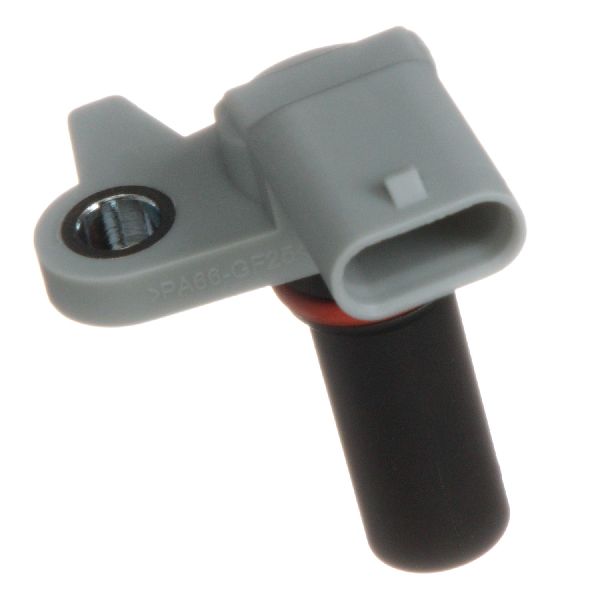
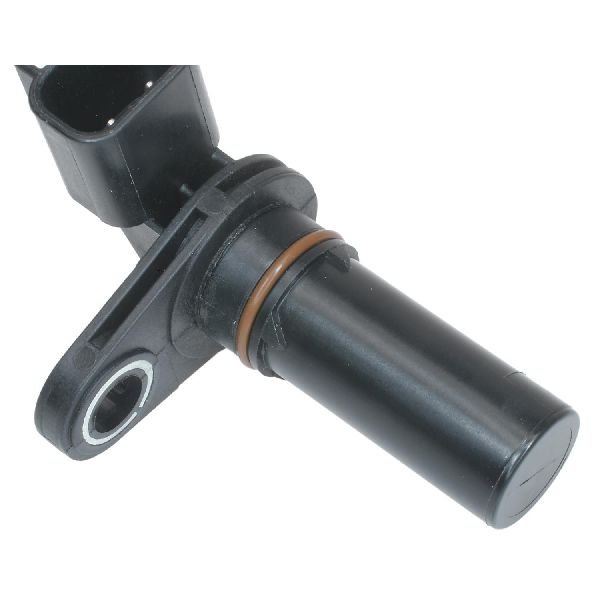
- Do not replace the camshaft position sensor; it is rarely the cause of this code.
- If you hear rattling noises, stop driving and seek professional help as it could be a more serious timing chain issue.
What's Unique About the 2015-2019 Ford POLICE INTERCEPTOR SEDAN
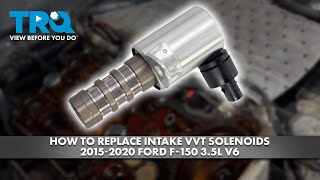
The Ford 3.5L and 3.7L V6 engines (part of the Cyclone family) are well-known for VCT solenoid issues, a fact acknowledged by Ford in multiple Technical Service Bulletins like #SSM 49821. The bulletin notes that small debris in the oil can cause the solenoids to stick, leading directly to codes like P0015. 🎬 Watch: A breakdown of P0015 causes and common fixes. The typical high-idle duty cycle of a police vehicle can accelerate oil degradation and sludge formation, making these specific sedans more susceptible to this exact failure mode. The primary challenge is that Bank 1 is on the firewall side, making the solenoid replacement significantly more labor-intensive than on Bank 2 because it requires removing the upper intake manifold to access the valve cover.
Diagnostic Flowchart
Tap your situation to follow the diagnostic path that matches what you're seeing on this vehicle.
Symptoms You May Notice
- Check Engine Light is on
- Rough or shaky engine idle
- Engine stalling, especially at low speeds or when stopping
- Noticeable loss of power and poor acceleration
- Reduced fuel economy
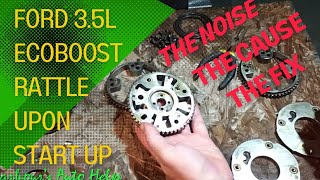
- Rattling, ticking, or chain-slapping noise from the engine, especially on cold startup (may indicate a more serious timing chain or phaser issue). 🎬 See this video to identify the classic cam phaser rattle.
- Replacing the camshaft position sensor. The sensor is almost always functioning correctly and simply reporting the timing error caused by the solenoid or other mechanical issue. A bad sensor would typically throw a specific circuit code like P0349.
Most Likely Causes
- Low, Dirty, or Incorrect Viscosity Engine Oil 🔴 High Probability The VCT system is hydraulic and extremely sensitive to oil pressure and cleanliness. The high-idle time common in police use can degrade oil more quickly, leading to sludge and debris that clogs the fine mesh screens on the VCT solenoids.
How to confirm: Check the engine oil dipstick. If the level is low or the oil appears dark, gritty, or sludgy, this is the first suspect. Using the wrong oil viscosity (e.g., a heavier weight than specified) can also delay solenoid response and trigger this code.
Typical fix: Perform an engine oil and filter change using the manufacturer-specified oil (typically a 5W-20 or 5W-30 synthetic blend for this engine) and a quality filter. Clear the codes and drive.
Est. part cost: $40-$80 - Sticking or Failed VCT Solenoid (Oil Control Valve) 🔴 High Probability Ford TSB #SSM 49821 and others directly state that debris can cause the VCT solenoid to stick, making this a well-documented failure pattern on this platform. They are a common wear item.
How to confirm: After an oil change, if the code returns, the solenoid is the next logical part. A capable scan tool can command the solenoid to cycle to check for response (Ford's Pinpoint Test HK). A common DIY test is to check the solenoid's resistance with a multimeter (should be 6.9-7.9 ohms) or to apply a 12V source to see if it clicks.
Typical fix: Replace the Bank 1 exhaust VCT solenoid. This is labor-intensive as it is located under the valve cover on the firewall side of the engine, requiring removal of the upper intake manifold. It is highly recommended to use Motorcraft OEM parts, as aftermarket solenoids have a higher reported failure rate.
Est. part cost: $30-$80 - Failing Camshaft Phaser ⚪ Low Probability Phasers can fail from the same oil contamination issues that affect solenoids, or from simple mechanical wear over time. A startup rattle is a classic symptom of a failing phaser as it loses oil pressure when sitting.
How to confirm: This is difficult to confirm without ruling out the solenoid first. A persistent P0015 code after a solenoid replacement, especially if accompanied by rattling noises on startup that go away after a few seconds, points to the phaser or timing chain.
Typical fix: Replace the Bank 1 exhaust camshaft phaser. This is a major repair that involves removing the timing cover and is best left to a professional. It is often done as part of a full timing chain service.
Est. part cost: $100-$250
Rare But Worth Checking
- Stretched Timing Chain or Failed Tensioner: While less common than a solenoid failure for an isolated P0015, a rattling noise from the engine that accompanies the code is a strong indicator of a timing chain issue. TSB 15-0131 was issued for some 3.5L engines for a startup rattle caused by a stretched timing chain, recommending replacement of the chain and phasers. This should be addressed immediately to prevent catastrophic engine failure. 🎬 Watch: A deep dive into the full timing chain overhaul.
- Clogged Oil Passages: In cases of severe engine sludge, the small oil passages that feed the VCT system can become blocked. This may require an engine flush procedure or significant engine disassembly to resolve.
Diagnosis Steps
- Check Engine Oil: Verify the oil level is full and the oil is clean and of the correct viscosity (e.g., 5W-20 or 5W-30). If it's low or past its service interval, perform an oil and filter change. Clear the code and drive to see if it returns.
- Scan for Other Codes: Use an OBD-II scanner to see if any other codes are present. Multiple timing codes (like P0017 or codes for Bank 2) often point to a systemic oil pressure/quality issue rather than a single component failure.
- Inspect Solenoid Wiring: While access is difficult, inspect the wiring harness leading to the Bank 1 valve cover for any visible damage, corrosion, or oil contamination.
- Test VCT Solenoid: Use a scan tool with bidirectional controls to command the Bank 1 exhaust VCT solenoid on and off; you should hear a click and see a change in engine idle. If this isn't possible, you can test the solenoid's resistance (should be 6.9-7.9 ohms) or carefully apply 12V to check for a click.
- Swap Solenoids (If Accessible): On some engines, swapping the suspect solenoid with a known good one (e.g., from the other bank) is a good diagnostic step. If the code 'moves' to the other bank (e.g., P0025), the solenoid is confirmed bad. However, due to the labor to access the Bank 1 solenoid on this vehicle, this is not practical; replacement is the better option.
- Replace VCT Solenoid: If the code returns after an oil change and the solenoid is the prime suspect, replace it. Given the high labor involved to access it, replacement is often done instead of extensive testing.
- Professional Diagnosis: If a new solenoid and clean oil do not fix the code, the issue is likely mechanical (cam phaser, timing chain, tensioner). This requires professional diagnosis, potentially including checking engine oil pressure with a mechanical gauge and inspecting the timing components.
Parts You'll Likely Need
- Variable Camshaft Timing (VCT) Solenoid
(OEM #AT4Z-6M280-C)— This is the most common failure point for P0015, as identified by owner experiences and Ford's own service bulletins. It gets stuck from oil debris.
Trusted brands: Motorcraft, Dorman, Walker Products
OEM price range: $50-$90
Aftermarket price range: $30-$60 - Valve Cover Gasket (Bank 1)
(OEM #BR3Z-6584-C)— This gasket must be replaced when accessing the VCT solenoid, which is located under the valve cover. Reusing an old gasket will almost certainly cause an oil leak.
Trusted brands: Motorcraft, Fel-Pro
OEM price range: $30-$50
Aftermarket price range: $20-$40 - Upper Intake Manifold Gaskets
(OEM #AT4Z-9H486-A)— These are required because the intake manifold must be removed to access the Bank 1 (firewall side) valve cover. They are single-use and must be replaced.
Trusted brands: Motorcraft, Fel-Pro
OEM price range: $25-$40
Aftermarket price range: $15-$30
Related Codes That Often Appear With This One
- P0017 — Crankshaft Position - Camshaft Position Correlation (Bank 1, Sensor B). This code often appears with P0015 because an over-retarded cam creates a direct mismatch between the crankshaft and camshaft signals, confirming a timing correlation error.
- P0011, P0012, P0021, P0022, P0025 — If other VCT codes for intake/exhaust on either bank appear, it strongly suggests a systemic problem like very low/dirty oil or low oil pressure from a failing oil pump, affecting the entire system.
- P0016 — Crankshaft Position - Camshaft Position Correlation (Bank 1, Sensor A). If seen with P0015, it indicates timing issues on both the intake and exhaust cams of Bank 1, pointing towards a larger issue like a jumped tooth on the timing chain or a problem with the phasers on that bank.
Technical Service Bulletins (TSBs) & Recalls
- SSM 49821: Notes that various VCT codes, including P0015, may be due to debris causing the VCT solenoid to stick.
- TSB 16-0093: Recommends VCT solenoid replacement on low-mileage 2016 3.5L engines throwing various timing codes.
- TSB 15-0131: Addresses timing chain stretch on 3.5L EcoBoost engines, a more serious potential cause.
Platform-Specific Known Issues
- TSB #SSM 49821: Ford acknowledges that DTCs P0011, P0012, P0014, P0015, and others may be caused by small debris causing the VCT solenoid to stick. This officially confirms the common failure pattern.
- TSB 16-0093: Issued for some 2016 models with 3.5L engines exhibiting VCT codes (including P0015) at very low mileage (under 2000 miles), recommending direct replacement of the a
Mechanic-Grade Diagnostic Values
- VCT Solenoid Internal Resistance — expected: 6.9 to 7.9 Ohms at 68°F (20°C).. Failure: A reading of 0 ohms indicates a short, while an infinite (OL) reading indicates an open circuit.
- VCT Solenoid Connector Voltage (Key On, Engine Off) — expected: 12V+ (Battery Voltage) on the power supply pin.. Failure: Low or no voltage points to a wiring, fuse, or PCM power relay issue.
- Engine Oil Pressure (at hot idle) — expected: Minimum of 15 PSI. Ford's original spec was 25 PSI, but it was later revised down.. Failure: Pressure dropping below 15-20 PSI at hot idle will cause VCT system concerns.
- Scan Tool PID: VCT Advanced Error — expected: Should hover around 0°, with a difference no greater than +/- 5° for an excessive time.. Failure: A consistent, large error value on Bank 1 Exhaust indicates a lagging phaser.
Hidden / Shadow Codes Worth Checking
- Mode $06, TID ~$51-$54: This is a non-continuous monitor test result, not a formal DTC. Test IDs in this range for Ford often relate to the VCT system and can show the last measured camshaft angle error in degrees, providing insight into how far out of spec the timing was, even if the fault isn't currently active. (see via A professional scan tool or an app like FORScan capable of displaying Mode $06 test results.)
Scan Tool Commands That Help
- Ford IDS, FORScan, or equivalent: Pinpoint Test HK: VCT Solenoid Cycle — As recommended by Ford TSBs (e.g., SSM 48423), this function should be used after an oil change but before replacing the solenoid. It rapidly cycles the solenoid to dislodge debris, which can sometimes fix the issue without part replacement.
- Ford IDS, FORScan, or equivalent: Monitor PIDs: VCT_EXH_CMD (Commanded) vs. VCT_EXH_ACT (Actual) — During diagnosis, graphing the commanded position versus the actual reported position for the Bank 1 exhaust cam provides a clear visual of the lag. A slow or non-responsive 'Actual' PID confirms the over-retarded condition.
Wiring & Ground Locations
- G105 (Rear of engine compt) — Located on the rear of the engine compartment, likely on the firewall or a nearby structure.. A poor engine ground can cause erratic voltage for various sensors and actuators, including the VCT solenoids and Camshaft Position Sensors. While not a primary cause, verifying this ground is clean and tight is a crucial step in diagnosing any electronic engine control issue.
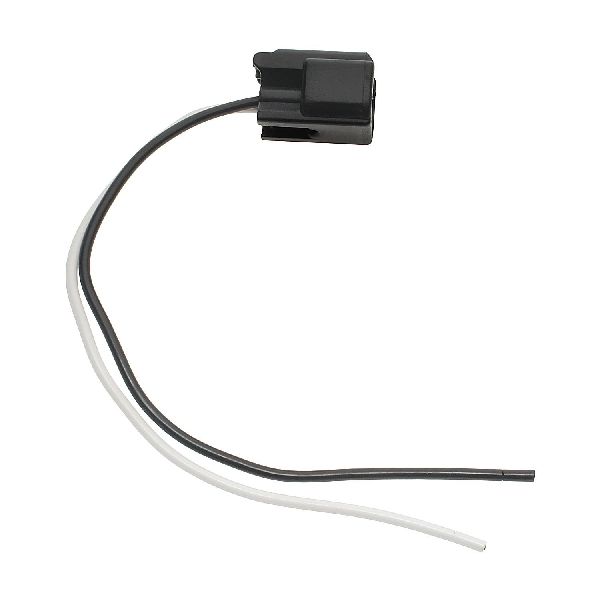
- VCT Solenoid Connector (Bank 1 Exhaust) — On the valve cover for the rear cylinder bank (firewall side). The connector for the exhaust solenoid (AT4Z-6M280-C) is typically blue.. This is the primary electrical connection to test for power and to command the solenoid. The wiring harness in this area is exposed to high heat, and the connector itself can become brittle or contaminated with oil.
Real Owner Repair Stories
- Ford Edge Forum user (Ford Edge with 3.7L V6, 132,000 miles) — Rough idle, stalling when put in gear, sputtering and poor acceleration above 3500 RPM. Codes P0012, P0015, P0022, P0420 present.
❌ Tried (didn't work) Replacing all 6 ignition coils., Replacing all 4 camshaft position sensors.
✅ What actually fixed it The user found sludge on the VVT solenoids with partially clogged screens. An engine oil flush followed by replacing all four VVT solenoids significantly improved the idle and stopped the stalling, though other issues remained. This points to the solenoids being the primary cause of the severe drivability symptoms. - Ford F150 Forum user (2019 F-150 with 5.0L V8, 118,000 miles (Note: Different engine, but identical VCT system principles and diagnostic path)) — Rough idle, intermittent stalling, P0022 code (Bank 2 equivalent of P0012, often seen with P0015-type issues).
❌ Tried (didn't work) BG crankcase cleaner treatment (provided temporary relief)., Scan tool actuation of VCT solenoids (they appeared to function correctly).
✅ What actually fixed it The root cause was not the solenoids themselves, but low oil pressure. A mechanic measured the oil pressure with a mechanical gauge and found it dropped to 10 PSI at hot idle, well below the 25 PSI the VCT system needs to operate correctly. The final diagnosis pointed to an internal engine issue causing the low pressure, not the VCT components.
OEM Part Supersession History
Unknown→AT4Z-6M280-C— Ongoing design revisions to improve reliability and prevent sticking.
Heads up: The Bank 1 Exhaust solenoid for this application is AT4Z-6M280-C, which often has a blue connector. Be aware that other solenoids for intake/exhaust on the opposite bank have different part numbers (e.g., AT4Z-6M280-A, AT4Z-6M280-B) and are not interchangeable.
Helpful Videos

Used OEM Parts in Stock


New Aftermarket Parts Available


The information in this article is provided for general reference and educational purposes only. Vehicle specifications, procedures, and part compatibility can vary by production date, trim level, and region. Always consult your vehicle's factory service manual and verify part numbers before purchasing or performing repairs. Safety-critical components such as airbags, seat belts, and braking systems should be installed by a qualified professional.
- Ford POLICE INTERCEPTOR SEDAN:
- 🎬 Helpful Videos
- 🛍️ Shop This Part
- What's Unique About the 2015-2019 Ford POLICE INTERCEPTOR SEDAN
- Diagnostic Flowchart
- Symptoms You May Notice
- Most Likely Causes
- Rare But Worth Checking
- Diagnosis Steps
- Parts You'll Likely Need
- Related Codes That Often Appear With This One
- Technical Service Bulletins (TSBs) & Recalls
- Platform-Specific Known Issues
- Mechanic-Grade Diagnostic Values
- Hidden / Shadow Codes Worth Checking
- Scan Tool Commands That Help
- Wiring & Ground Locations
- Real Owner Repair Stories
- OEM Part Supersession History
- 🎟️ Get 5% Off