

P0015 on 2015-2021 Ford Mustang: Causes and Fixes for Over-Retarded Camshaft Timing
On a 2015-2021 Ford Mustang, code P0015 is most often caused by a faulty Variable Camshaft Timing (VCT) solenoid, often contaminated by oil debris or sludge. Replacing the Bank 1 exhaust VCT solenoid is the most common fix, costing around $30-$80 for the part and is a straightforward DIY job for most engines.
- P0015 on a 2015-2021 Mustang means the exhaust camshaft on the passenger side (Bank 1) is not timing correctly.
- The most likely cause is a sticking or failed VCT solenoid, an issue acknowledged by Ford in multiple service bulletins.
- Always check your engine oil level and condition first; low or dirty oil is a common cause of VCT system problems.
- Replacing the Bank 1 exhaust VCT solenoid is a relatively inexpensive and accessible DIY repair that often solves the problem.
- If the code appears with a Bank 2 code (like P0025), suspect a global issue like oil pressure or quality rather than a single failed part.
What's Unique About the 2015-2021 Ford MUSTANG
For the S550 generation Mustang (2015-2021), Ford has issued multiple Technical Service Bulletins (TSBs) acknowledging that P0015 and related VCT codes can be caused by small debris contaminating the VCT solenoids, causing them to stick. This is a well-documented issue for this specific platform, making a faulty VCT solenoid a higher-probability cause than on other vehicles. The issue is common enough that Ford Performance offers higher-strength VCT solenoids (M-6297-M50A) for modified 5.0L engines, which feature a stronger mounting provision to prevent failure in high-RPM or racing applications.
Diagnostic Flowchart
Tap your situation to follow the diagnostic path that matches what you're seeing on this vehicle.
Symptoms You May Notice
- Check Engine Light is on
- Rough or unstable idle
- Engine stalling, especially when coming to a stop
- Poor acceleration and loss of power
- Decreased fuel efficiency
- Hard starting
- Engine ticking or clacking noises
- Replacing the camshaft position sensor when the VCT solenoid is the actual cause. The sensor reports the problem; it doesn't usually cause the timing error itself.
- Immediately assuming a stretched timing chain without first diagnosing the much more common and cheaper VCT solenoid and oil issues.
Most Likely Causes
- Sticking or Failed VCT Solenoid 🔴 High Probability Ford TSBs #SSM 54366, #SSM 48423, and #SSM 47170 directly state that small debris can cause the VCT solenoid to stick, triggering this code on 2015-2021 Mustangs. The solenoid's internal screens can also tear, allowing debris into the oil passages or becoming lodged in the solenoid itself.
How to confirm: Use a scan tool to monitor commanded vs. actual cam position. You can also swap the exhaust VCT solenoid with the intake solenoid on the same bank; if the code changes to P0012 (Intake 'A' Over-Retarded), the solenoid is faulty. A resistance test should show between 6.9 and 7.9 ohms. 🎬 See how to properly test a VVT solenoid with a multimeter. A visual inspection upon removal may show torn screens or sludge.
Typical fix: Replace the Bank 1 exhaust VCT solenoid. It is located on the front of the valve cover for that cylinder head. On 2018+ 5.0L models, this requires removing the valve cover. 🎬 Watch this step-by-step guide to replacing VCT solenoids on a GT.
Est. part cost: $30 - $90 - Low or Dirty Engine Oil 🟡 Medium Probability The VCT system is entirely dependent on hydraulic pressure to function. Sludge, varnish, or using the incorrect oil viscosity can clog the small passages and screens in the VCT solenoids and phasers, preventing them from adjusting cam timing correctly.
How to confirm: Check the engine oil dipstick for level and condition. If the oil is dark, gritty, or below the 'add' line, this is a likely contributor. This should always be the first check.
Typical fix: Perform an oil and filter change using the correct viscosity oil specified for your engine (e.g., 5W-20 for 5.0L, 5W-30 for 2.3L EcoBoost). Clear the code and see if it returns.
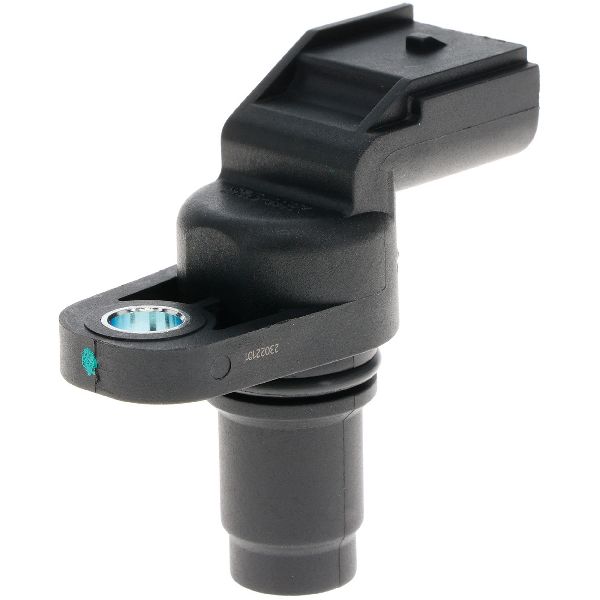
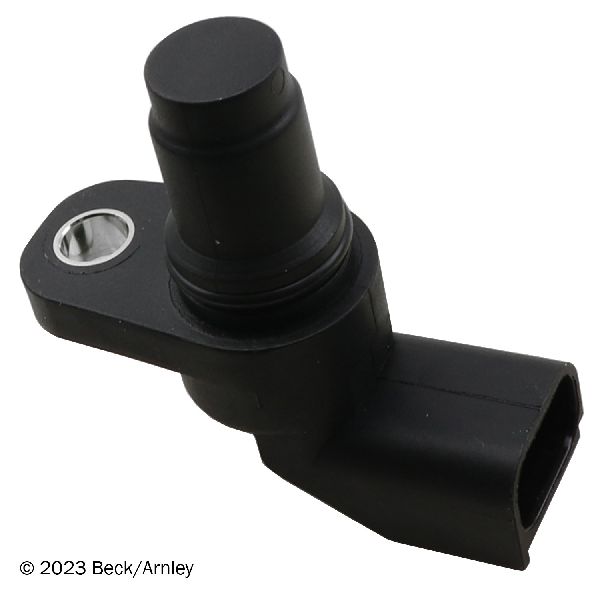
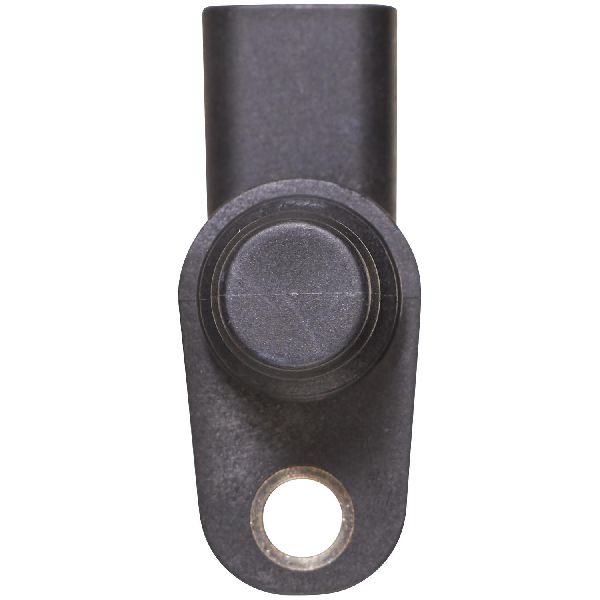
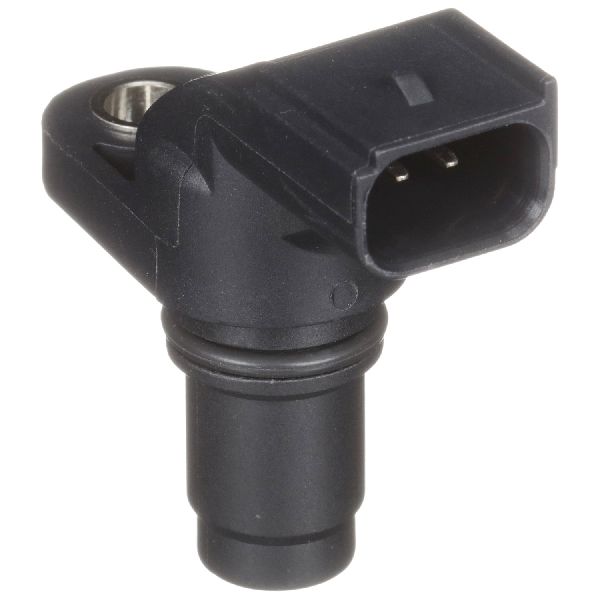
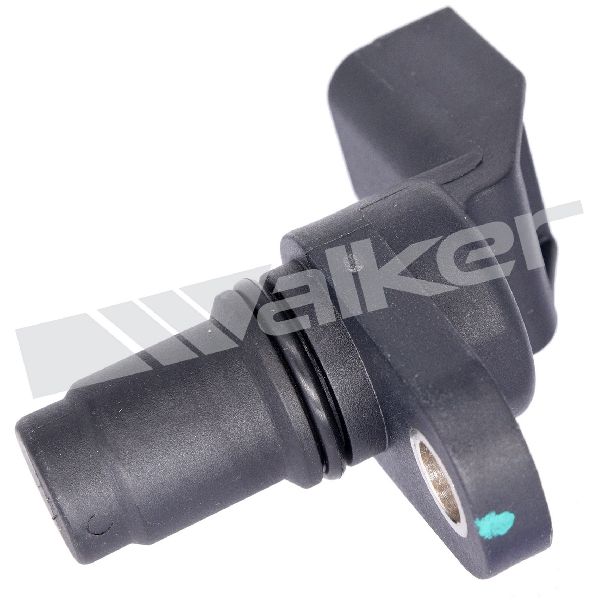
Est. part cost: $50 - $100 - Faulty Camshaft Position Sensor ⚪ Low Probability
How to confirm: Test the sensor's output with a multimeter or oscilloscope. However, a bad sensor often throws its own specific circuit codes (e.g., P0340, P0345) in addition to or instead of P0015.
Typical fix: Replace the Bank 1 exhaust camshaft position sensor.
Est. part cost: $25 - $60 - Worn Timing Components ⚪ Low Probability This is more common on very high-mileage engines or those with poor maintenance history. A stretched timing chain can cause timing correlation errors.
How to confirm: This is an involved diagnosis. It may involve removing the valve cover to inspect the timing chain, guides, and tensioner for slack or damage. A rattling noise from the front of the engine, especially on startup, can be an indicator.
Typical fix: Replace the timing chain, tensioners, and guides. This is a significant and costly repair.
Est. part cost: $400 - $1000+
Rare But Worth Checking
- Damaged Camshaft Phaser: The phaser is the mechanical gear that actually adjusts the cam timing. It can become clogged with sludge, its internal locking pin can fail, or it can fail mechanically, but this is less common than a solenoid failure.
- Wiring Harness Issue: A damaged wire or corroded connector for the VCT solenoid or camshaft position sensor can cause an intermittent signal, triggering the code. A user on Mustang6G.com noted wiggling the harness could reveal a bad connection.
- Faulty Powertrain Control Module (PCM): This is extremely rare. The PCM should only be considered after all other possibilities have been exhaustively ruled out.
Diagnosis Steps
- Check the engine oil level and condition. If it is low or dirty, perform an oil change with the correct grade oil and a new filter, clear the code, and re-test. This is the simplest and first step.
- Scan for any other DTCs. Codes related to other VCT components or sensors can help narrow down the diagnosis.
- Inspect the wiring and connector for the Bank 1 exhaust VCT solenoid for any signs of damage, corrosion, or oil contamination. Wiggle the connector to check for intermittent faults.
- Using a capable scan tool, monitor the desired vs. actual camshaft position for Bank 1 Exhaust (B1E) while the engine is running. A large discrepancy indicates a problem.
- As per TSB SSM 48423, use the scan tool to command the VCT solenoid on and off (or cycle it 10 times via pinpoint test HK11) to see if it responds and to potentially clear debris.
- Perform a VCT solenoid swap. Swap the Bank 1 exhaust solenoid with the Bank 1 intake solenoid. Clear the codes and run the engine. If the code changes to P0012 (Intake Over-Retarded), the solenoid you moved is faulty and needs replacement.
- If a swap isn't feasible, remove the VCT solenoid. Inspect the small screens on the solenoid for metal debris or sludge. Test its resistance with a multimeter; it should be between 6.9 and 7.9 ohms.
- If the issue persists, consider testing the camshaft position sensor and its circuit.
- For advanced diagnosis, an oil pressure test may be needed to rule out oil flow problems.
- If all else fails, the issue may be mechanical with the camshaft phaser or timing chain, which requires more intensive labor to inspect.
Parts You'll Likely Need
- Variable Camshaft Timing (VCT) Solenoid
(OEM #5.0L V8: BR3Z-6M280-E (Intake/Exhaust, 2015-17), JT4Z-6C880-A (2018+); 2.3L EcoBoost: CJ5E-6B297-AB; 3.7L V6: AT4Z-6M280-B (Intake), AT4Z-6M280-A (Exhaust))— This is the most frequent point of failure for this code on this platform, often due to contamination as cited in Ford TSBs. Part numbers vary by engine and year.
Trusted brands: Motorcraft, Dorman, NGK, Standard Motor Products
OEM price range: $50 - $90
Aftermarket price range: $30 - $60
Related Codes That Often Appear With This One
- P0011 — Relates to Bank 1 Intake Camshaft Timing Over-Advanced. Both codes point to a general VCT system issue on Bank 1.
- P0012 — Relates to Bank 1 Intake Camshaft Timing Over-Retarded. Often seen if oil level/quality is affecting the entire VCT system.
- P0014 — Relates to Bank 1 Exhaust Camshaft Timing Over-Advanced. This is the opposite condition of P0015 but involves the same hardware. 🎬 Watch a breakdown of common causes and fixes for the P0015 code.
- P0025 — Identical to P0015 but for Bank 2 (driver's side). If both codes are present, it strongly suggests a systemic issue like oil quality/pressure.
- P0017 — Crankshaft Position - Camshaft Position Correlation (Bank 1 Exhaust). This code can appear alongside P0015, indicating a discrepancy between what the crank and cam sensors are reporting.
Technical Service Bulletins (TSBs) & Recalls
- SSM 54366: Notes that various VCT codes including P0015 on 2015-2021 vehicles may require following specific pinpoint tests.
- SSM 48423: States that P0015 on 2015-2020 vehicles may be due to small debris causing the VCT solenoid to stick. Recommends cycling the solenoid with a scan tool before replacement.
- SSM 47170: An earlier bulletin with the same guidance as SSM 48423 for 2018 and prior models.
Platform-Specific Known Issues
- TSB #SSM 48423 and #SSM 47170 specifically mention that for some 2015-2020 Ford vehicles, P0015 (and other VCT codes) may be due to small debris causing the VCT solenoid to stick. The recommended first step is to use a scan tool to cycle the solenoid 10 times to attempt to clear it before replacement.
- TSB #SSM 54366 extends this guidance to 2021 models, indicating the same potential issue with VCT solenoids.
- On 2018+ 5.0L V8 engines, the VCT solenoids were moved and now reside under the valve covers, making replacement more labor-intensive as the covers must be removed. This is in contrast to earlier models where they were externally accessible.
- On high-horsepower 5.0L applications, the original VCT solenoid mounting points can fail. Ford Performance offers an upgraded part (M-6297-M50A) with a stronger housing to prevent this.
Mechanic-Grade Diagnostic Values
- VCT Solenoid Resistance — expected: 6.9 - 7.9 Ohms. Failure: A reading outside this range, or an open circuit (no reading), indicates a faulty solenoid coil.
- VCT Solenoid Connector Voltage (Key On, Engine Off) — expected: 12V+ (Battery Voltage). Failure: No voltage indicates a problem with the power supply circuit, such as a blown fuse or wiring issue.
Scan Tool Commands That Help
- Ford IDS (or equivalent professional scanner like FORScan): Pinpoint Test HK12: Cycle VCT Solenoid — As per Ford TSBs SSM 48423 and SSM 54366, this command should be used before replacing a VCT solenoid. It cycles the solenoid 10 times to attempt to dislodge small debris that may be causing it to stick.
- Ford IDS (or equivalent): Monitor VCT PIDs (VCTADV, VCTADVERR) — During diagnosis, monitor the commanded camshaft advance (VCTADV) versus the actual advance error (VCTADVERR). A large, persistent error value on the exhaust cam for Bank 1 when the solenoid is commanded indicates a fault in the system.
Wiring & Ground Locations
- Fuse F44 — In the underhood fuse box (Battery Junction Box).. A YouTube video identifies fuse #44 as the power source for the VCT solenoids on the S550 Mustang platform. A blown fuse would disable the solenoids and could set multiple VCT-related codes.
- VCT Solenoid Connector — On the front of the valve cover for the respective cylinder head (2015-2017 5.0L, 2.3L, 3.7L) or under the valve cover (2018+ 5.0L).. This is the primary point for electrical testing (resistance, voltage). The connector and its wiring are susceptible to damage, corrosion, or oil contamination which can cause intermittent or failed operation of the solenoid.
Real Owner Repair Stories
- iATN (International Automotive Technicians Network) (2012 Ford Mustang Boss 302 5.0L (Note: S197 platform, but same engine family and principles apply)) — Towed in with code P0015, would not stay running or idle.
✅ What actually fixed it The vehicle was found to be 5.5 quarts low on engine oil. The driver's side (Bank 2) exhaust solenoid was also tested and found to be bad and was replaced. The combination of extremely low oil and a failed solenoid caused the issue. This highlights the critical importance of checking oil level first.
OEM Part Supersession History
BR3Z-6M280-D, BR3Z-6M280-E→BR3Z-6M280-F— Standard part revision and improvement by the manufacturer.
Heads up: The parts are generally interchangeable for the specified applications (e.g., 2015-2017 5.0L V8), but it is always best practice to use the latest revision (F).
Model Year Variations Within This Range
- 2018-2021 5.0L V8: The VCT solenoids were redesigned and moved to a location underneath the valve covers. This makes replacement significantly more labor-intensive than on 2015-2017 models, as the valve covers must be removed. A forum user noted that removing the high-pressure fuel pump and battery box provides better access.
- 2015-2017 5.0L V8, 2.3L EcoBoost, 3.7L V6: The VCT solenoids are externally mounted on the front of the valve covers, making them easily accessible for testing and replacement with only minimal disassembly required.
Helpful Videos



![How to Fix P0015 Engine Code in 4 Minutes [2 DIY Methods / Only $6.62]](https://img.youtube.com/vi/kO0eG5jKmzg/mqdefault.jpg)
We Have This Part in Stock


The information in this article is provided for general reference and educational purposes only. Vehicle specifications, procedures, and part compatibility can vary by production date, trim level, and region. Always consult your vehicle's factory service manual and verify part numbers before purchasing or performing repairs. Safety-critical components such as airbags, seat belts, and braking systems should be installed by a qualified professional.
- Ford MUSTANG:
- 🎬 Helpful Videos
- 🛍️ Shop This Part
- What's Unique About the 2015-2021 Ford MUSTANG
- Diagnostic Flowchart
- Symptoms You May Notice
- Most Likely Causes
- Rare But Worth Checking
- Diagnosis Steps
- Parts You'll Likely Need
- Related Codes That Often Appear With This One
- Technical Service Bulletins (TSBs) & Recalls
- Platform-Specific Known Issues
- Mechanic-Grade Diagnostic Values
- Scan Tool Commands That Help
- Wiring & Ground Locations
- Real Owner Repair Stories
- OEM Part Supersession History
- Model Year Variations Within This Range
- 🎟️ Get 5% Off