

P0014 on 2009-2010 Pontiac G3: Exhaust Cam Timing Over-Advanced Causes and Fixes
On a 2009-2010 Pontiac G3, code P0014 is most often caused by a faulty exhaust camshaft position actuator solenoid or low/dirty engine oil. Replacing the solenoid is an easy, low-cost DIY job, and it's recommended to replace both intake and exhaust solenoids at the same time. Before replacing parts, always check the engine oil level and condition first, as this is a very common and simple fix.
- P0014 on a Pontiac G3 points to the exhaust camshaft timing being too advanced.
- The most likely cause is a bad exhaust VVT solenoid or dirty/low engine oil. Always check the oil first.
- Before buying parts, try swapping the intake and exhaust VVT solenoids to confirm the solenoid is the problem. A code change to P0011 confirms a bad solenoid.
- This is a very DIY-friendly repair; the solenoids are inexpensive and easily accessible on top of the engine.
- It is best practice to replace both VVT solenoids at the same time.
- If the code appears after an engine repair, a missing plastic oil sleeve behind the cam phaser is a likely cause, as noted in TSB PIP4543D.
What's Unique About the 2009-2010 Pontiac G3
The 2009-2010 Pontiac G3, a rebadged Chevrolet Aveo, uses a 1.6L Ecotec engine with dual variable valve timing (VVT). A key characteristic of this platform is that both the intake and exhaust VVT solenoids are identical and interchangeable, which is useful for diagnostics. The system is highly dependent on oil pressure, making regular oil changes with the correct viscosity oil critical to preventing this code. A specific known issue on this engine family, documented in TSB PIP4543D, is a small plastic oil sleeve between the camshaft and the phaser that can be lost during repairs, which will cause this code to set immediately.
Diagnostic Flowchart
Tap your situation to follow the diagnostic path that matches what you're seeing on this vehicle.
Symptoms You May Notice
- Check Engine Light is on
- Rough idle
- Engine stalling or nearly stalling at stops
- Poor acceleration or hesitation
- Reduced fuel economy
- Rattling or ticking noise from the top of the engine.
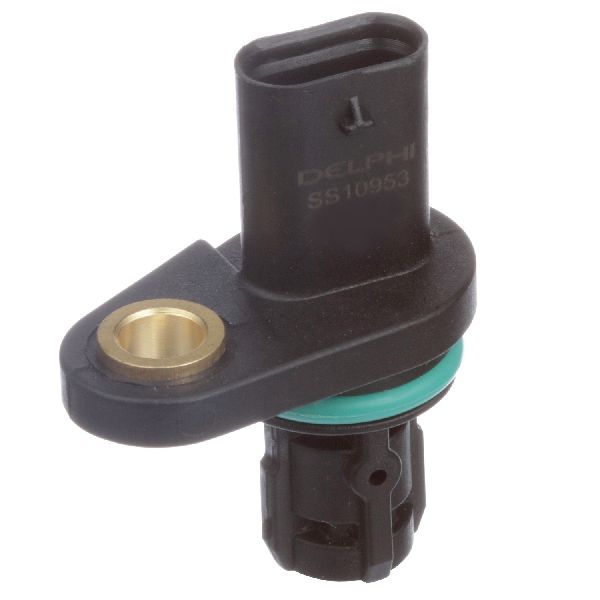
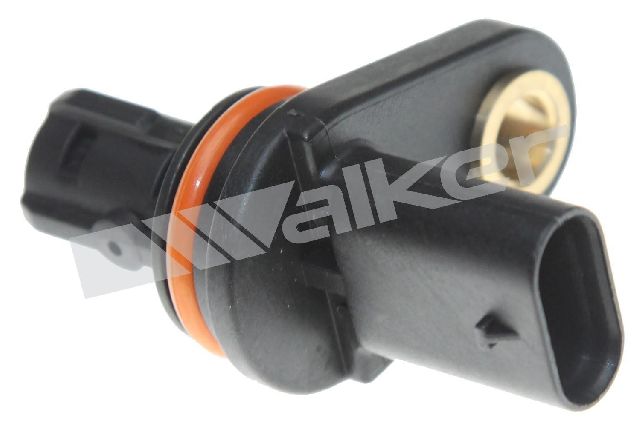
- Replacing the camshaft position *sensor* instead of the camshaft position *actuator solenoid*. The sensor reads the position, but the solenoid controls it. The solenoid is far more likely to be the cause of P0014. A user on a YouTube video about a Chevy Cruze with P0014 made this initial mistake before realizing the solenoids were the more likely cause.
Most Likely Causes
- Low, Dirty, or Incorrect Viscosity Engine Oil 🔴 High Probability The VVT system uses oil pressure to adjust cam timing. Sludge or low pressure from old or incorrect oil prevents the phasers from operating correctly. An improperly installed oil filter can also cause a drop in oil pressure and trigger this code.
How to confirm: Check the oil level on the dipstick and inspect its condition. If it's low, black, sludgy, or past its change interval, it needs to be changed.
Typical fix: Perform an oil and filter change using the manufacturer-recommended 5W-30 oil. In cases of significant sludge, an engine flush product may be considered before the oil change.
Est. part cost: $30-$60 - Failed Exhaust Camshaft Position Actuator Solenoid (VVT Solenoid) 🔴 High Probability These solenoids can get clogged with debris from dirty oil, causing their internal screens to tear or the valve to stick. They can also fail electrically over time.
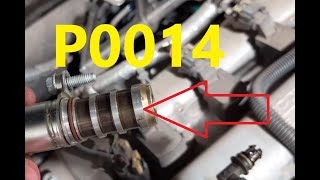
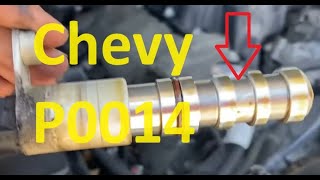
How to confirm: Swap the exhaust solenoid with the identical intake solenoid. Clear codes and drive. If the code changes to P0011 (Intake Cam Position), the solenoid is bad. You can also test its resistance with a multimeter; a good solenoid should read between 8 and 14 ohms for this engine family. Applying 12V power should produce an audible click 🎬 Watch: How to diagnose and fix timing over-advanced codes. as the internal piston moves.
Typical fix: Replace the exhaust VVT solenoid. It is highly recommended to replace both the intake and exhaust solenoids as a pair, as they are the same age and operate under the same conditions.
Est. part cost: $25-$70 for a pair - Sticking or Failed Camshaft Phaser (Actuator) 🟡 Medium Probability The mechanical phaser unit mounted on the end of the camshaft can get stuck due to oil contamination or internal wear. This is a more likely cause if the code appears immediately after a timing belt or other major engine service.
How to confirm: This is an advanced diagnosis. If a new solenoid and clean oil don't fix the issue, a mechanic may need to command the phaser with a scan tool to check its response. A forum user reported a dealer diagnosed a bad phaser after the solenoid replacement did not work.
Typical fix: Replace the exhaust camshaft phaser, which is a more involved job that includes removing the valve cover and timing belt. The OEM part number for the phaser is 55567048.
Est. part cost: $80-$200
Rare But Worth Checking
- Stretched or Jumped Timing Belt: While less common than a solenoid failure, a stretched or improperly installed timing belt can cause the base cam timing to be physically off, triggering this code. This is a serious issue that can lead to severe engine damage if not addressed.
- Wiring or Connector Issue: A damaged wire or loose, corroded connection at the VVT solenoid can interrupt the signal from the ECM, causing the code. This can be tested by checking for battery voltage at one of the solenoid's electrical connector pins with the key on.
- Missing Camshaft Actuator Oil Sleeve: As per TSB PIP4543D, a small black plastic oil sleeve located between the camshaft and the actuator can be lost or damaged during repairs. This will prevent proper oil flow to the phaser and cause timing codes. This part is not sold separately and comes with a new camshaft actuator assembly.
Diagnosis Steps
- Check the engine oil level and condition. Top up or perform an oil and filter change if necessary, using 5W-30 oil. This resolves the issue a surprising amount of the time.
- Scan for any other trouble codes. Codes like P0011, P0013, P0016, or P0017 can provide additional diagnostic clues.
- Locate the two VVT solenoids on the top of the engine. The exhaust solenoid ('B') is typically the one closer to the exhaust manifold (rear of the engine bay).
- Inspect the electrical connector and wiring to the exhaust solenoid for any visible damage or loose connections. Check for battery voltage at the supply pin in the connector with the key in the 'on' position.
- As a definitive test, swap the exhaust solenoid with the identical intake solenoid. Clear the codes and drive the vehicle. If the code returns as P0011 (for the intake cam), you have confirmed the solenoid is faulty.
- If the code remains P0014 after the swap, remove the solenoid again and inspect the small mesh screens for tears or heavy sludge. Cleaning may be a temporary fix, but replacement is recommended.
- If the code persists after a new solenoid and oil change, the problem may be a sticking camshaft phaser, a timing belt issue, or the missing oil sleeve mentioned in TSB PIP4543D, which may require professional diagnosis.
Parts You'll Likely Need
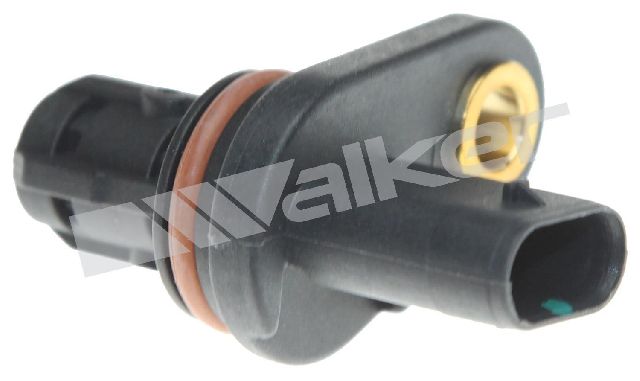
- Camshaft Position Actuator Solenoid (VVT Solenoid)
(OEM #55567050)— This is the most frequent failure point for code P0014 on this engine, often due to clogging from engine oil contaminants. This part number is also listed as a replacement for the older number 12992408.
Trusted brands: ACDelco, Delphi, Dorman
OEM price range: $40-$100 per solenoid.
Aftermarket price range: $20-$40 per solenoid, or $25-$70 for a pair
Related Codes That Often Appear With This One
- P0011 — Intake Camshaft Position Timing Over-Advanced. Since the G3 uses two identical solenoids, it's common for both to fail around the same time or for oil issues to affect both.
- P0016 / P0017 — Crankshaft/Camshaft Position Correlation. These codes can appear with P0014, especially if the root cause is a more serious mechanical timing issue like a jumped timing belt or the missing oil sleeve described in TSB #PIP4543D.
- P0013 — Exhaust Camshaft Position Actuator Solenoid Circuit Malfunction. This code points to an electrical fault (open or short) in the solenoid's circuit, while P0014 points to a performance problem. Seeing them together strongly suggests the solenoid itself or its wiring is the culprit. 🎬 Watch: A quick guide to the cheapest VVT solenoid fixes.
Technical Service Bulletins (TSBs) & Recalls
- PIP4543D: Mentions DTCs P0011, P0014, P0016, or P0017 appearing after camshaft actuator repairs. The cause is identified as a missing or damaged black plastic oil sleeve that is critical for directing oil to the actuator. This bulletin applies to the 1.6L and 1.8L engines used in the G3, Aveo, Cruze, and Sonic.
Platform-Specific Known Issues
- A Technical Service Bulletin (TSB #PIP4543D) was issued for concerns with codes P0011, P0014, P0016, or P0017 after engine repairs involving the camshaft actuators. It notes a 'unique black plastic oil sleeve' that can be lost or damaged. This sleeve directs oil to the actuator, and its absence prevents the ECM from controlling cam timing, leading to these codes. The sleeve is only available as part of the complete camshaft actuator assembly.
- Owner Experience: Phaser Replacement Needed: On a Chevrolet Aveo forum, a user with a 2009 model reported that after replacing the exhaust VVT solenoid for a P0014 code, the problem persisted. A GM dealer diagnosed the issue as a failed exhaust cam actuator (phaser) and quoted over $1000 for the repair. The user planned to replace the phaser (part number 55567048) themselves, which is a much more involved job requiring timing belt removal.
Mechanic-Grade Diagnostic Values
- Camshaft Position Actuator Solenoid Resistance — expected: 8-14 Ohms. Failure: A reading outside this range, or an open loop (OL), indicates a failed solenoid.
- Camshaft Position Actuator Solenoid Connector Voltage (Key On, Engine Off) — expected: One pin should have battery voltage (approx. 12V).. Failure: No voltage on the supply pin points to a problem in the ignition voltage circuit, such as a broken wire or blown fuse.
- Live Scan Tool Data - Camshaft Position Variance at Idle — expected: Should be at or very near 0 degrees for both intake and exhaust.. Failure: A consistent variance at idle, especially after an oil change and solenoid check, points towards a mechanical timing issue (phaser or timing belt).
Scan Tool Commands That Help
- GDS2 / Tech2 or capable bidirectional scanner: Camshaft Position Actuator Control — This function allows a technician to command the solenoid to activate and deactivate while monitoring the engine's response and the desired vs. actual cam position angles on the scan tool. This can confirm if the solenoid is physically working and if the phaser is responding to oil pressure changes, helping to isolate the fault between the solenoid, phaser, or an oil flow issue.
Wiring & Ground Locations
- G103 — Located below the Engine Control Module (ECM) in the engine compartment. On similar GM vehicles, this is often on the cowl, above the brake booster.. This is a primary ground point for the Engine Control Module (ECM). A poor or corroded connection at G103 can cause erratic behavior from the ECM and its controlled components, including the VVT solenoids, potentially leading to false or intermittent timing codes.
- VVT Solenoid Connector — On top of the valve cover, one connector for the intake solenoid and one for the exhaust solenoid.. The ECM sends a pulse-width modulated (PWM) signal to the solenoid through this 2-pin connector. One pin is the 12V supply from the ignition circuit, and the other is the control wire from the ECM. Checking for 12V power at the supply pin is a key step in diagnosing a circuit fault vs. a component fault.
Real Owner Repair Stories
- Aveo Forum user 'Thymeclock' (2009 Chevrolet Aveo, 40k miles) — Initial clacking noise from engine for 15-20 seconds on startup, followed by a persistent P0014 Check Engine Light. No other drivability symptoms were noted.
❌ Tried (didn't work) Clearing the code with a scan tool (light would return daily)., Attempting to remove the solenoid himself but it was stuck.
✅ What actually fixed it A mechanic replaced both the intake and exhaust VVT solenoids, which resolved the code and the vehicle passed its state inspection. The initial clacking noise was attributed to the solenoid failing.
OEM Part Supersession History
12992408→55567050— GM regularly updates service parts to integrate new materials and technologies.
Heads up: The new part number (55567050) is the direct replacement and is fully compatible with vehicles that used the original part.
Helpful Videos

We Have This Part in Stock



The information in this article is provided for general reference and educational purposes only. Vehicle specifications, procedures, and part compatibility can vary by production date, trim level, and region. Always consult your vehicle's factory service manual and verify part numbers before purchasing or performing repairs. Safety-critical components such as airbags, seat belts, and braking systems should be installed by a qualified professional.
- Pontiac G3:
- 🎬 Helpful Videos
- 🛍️ Shop This Part
- What's Unique About the 2009-2010 Pontiac G3
- Diagnostic Flowchart
- Symptoms You May Notice
- Most Likely Causes
- Rare But Worth Checking
- Diagnosis Steps
- Parts You'll Likely Need
- Related Codes That Often Appear With This One
- Technical Service Bulletins (TSBs) & Recalls
- Platform-Specific Known Issues
- Mechanic-Grade Diagnostic Values
- Scan Tool Commands That Help
- Wiring & Ground Locations
- Real Owner Repair Stories
- OEM Part Supersession History
- 🎟️ Get 5% Off