

P0014 on 2015-2021 Ford Mustang: Exhaust Cam Timing Over-Advanced Causes and Fixes
On a 2015-2021 Ford Mustang, code P0014 is most often caused by low or dirty engine oil, or a sticking exhaust VCT (Variable Camshaft Timing) solenoid on Bank 1 (passenger side). Start by checking your oil; if it's clean and full, the VCT solenoid is the next likely part to replace. For 2015-2017 5.0L engines, the part is BR3Z-6M280-F, and for 2018+ 5.0L and 2.3L EcoBoost engines, it is HL3Z-6M280-A. An OEM part costs around $40-$90.
- P0014 on your Mustang points to the exhaust camshaft on the passenger side being timed incorrectly.
- Before buying any parts, check your engine oil. Low, old, or dirty oil is the #1 cause of this code.
- The most likely failed part is the VCT solenoid, which is relatively inexpensive and accessible on top of the engine.
- Be aware that 2018 and newer 5.0L Mustangs use different VCT solenoids than 2015-2017 models; verify the part number before purchasing.
- While scary, this code rarely means a catastrophic timing chain failure. Follow the simple diagnostic steps first.
What's Unique About the 2015-2021 Ford MUSTANG
For this generation of Ford Mustang, the VCT system is a known point of discussion. Ford has issued multiple Technical Service Bulletins (TSBs) that directly address this code and others in its family (P0011, P0012, P0024, etc.). The TSBs suggest that small debris in the engine oil can cause the VCT solenoids to stick, making this a particularly common issue on these engines. Therefore, oil condition and VCT solenoid health are the primary focus for diagnosis. A specific diagnostic step recommended by Ford before parts replacement is to use a capable scan tool to cycle the affected solenoid multiple times to try and dislodge debris (Pinpoint test HK11 or HK12).
Diagnostic Flowchart
Tap your situation to follow the diagnostic path that matches what you're seeing on this vehicle.
Symptoms You May Notice
- Check Engine Light is on
- Rough or unstable idle
- Reduced engine power and poor acceleration, especially at low RPM
- Decreased fuel economy
- Engine stalling in some cases
- Rattling, ticking, or "typewriter" noise from the engine, particularly on a warm idle or cold start.
- Replacing the camshaft position sensor when the root cause is a sticking VCT solenoid or an oil quality issue.
- Immediately assuming a major timing component (phaser/chain) has failed before checking the oil and VCT solenoid, which are far more common and cheaper to fix.
- Replacing VCT solenoids without first performing an oil change, as dirty oil can cause the new solenoids to stick as well.
Most Likely Causes
- Low, Dirty, or Incorrect Viscosity Engine Oil 🔴 High Probability The Ti-VCT system is hydraulically operated and highly sensitive to oil pressure and cleanliness. Ford TSBs specifically mention debris in oil as a primary cause for sticking solenoids. Some owners on forums report the P0014 code appearing specifically when their oil change is due, and it resolves after the service.
How to confirm: Check the oil level on the dipstick and inspect its color and consistency. An oil level that is too low to register on the dipstick is a major red flag. Ensure the correct oil viscosity (e.g., 5W-20 or 5W-30 as specified for your engine) is being used.
Typical fix: Change the engine oil and filter using the manufacturer-specified grade and a quality filter. Some owners recommend shortening the oil change interval to 3,000-5,000 miles to prevent sludge buildup.
Est. part cost: $60-$100 - Failing or Sticking VCT Solenoid (Oil Control Valve) 🔴 High Probability As noted in Ford TSBs SSM 48423, SSM 50067, and others, these solenoids can stick due to small debris, leading to timing control issues. The internal actuating pin can get gummed up and fail to move freely.
How to confirm: With a capable scan tool, command the solenoid on and off to check for response (Ford's pinpoint test HK11/HK12). A common DIY method is to swap the suspect solenoid (Bank 1 Exhaust) with a known good one (like the Bank 1 Intake). Clear codes and drive. If the code changes to P0011 (Intake Cam Over-Advanced), the solenoid is confirmed faulty. You can also remove it, inspect for sludge on the screens, and test its resistance with a multimeter (typically 7-8 Ohms).
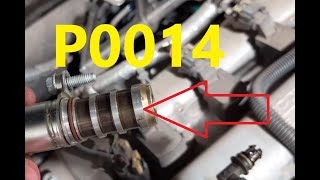
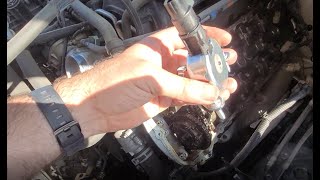
Typical fix: Replace the Bank 1 exhaust VCT solenoid. It is located on the valve cover. On the 5.0L, this requires removing the valve cover for access. 🎬 Watch: Step-by-step VCT solenoid replacement on a 5.0L engine.
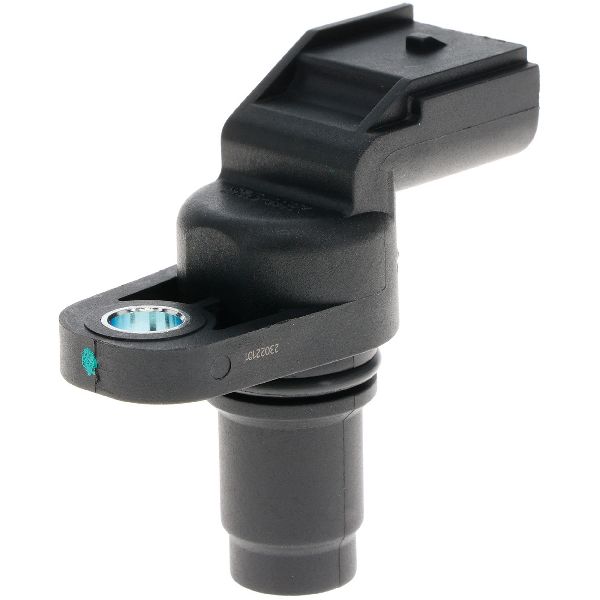
Est. part cost: $40-$90 - Faulty Camshaft Position Sensor ⚪ Low Probability
How to confirm: The sensor provides the position data to the PCM. If the sensor is sending incorrect information, it can trigger the code. A user on the Mustang6G forum reported having camshaft sensor codes (P0365/P0369) appear right before the P0014 code, suggesting a related failure sequence. Diagnosis involves checking the sensor's signal with an oscilloscope or swapping it with a known-good sensor.
Typical fix: Replace the Bank 1 exhaust camshaft position sensor.
Est. part cost: $25-$60
Rare But Worth Checking
- Worn Timing Components (Cam Phaser, Timing Chain, Tensioner): While less common, especially on lower-mileage cars, a stretched timing chain or a failing cam phaser can cause this code. A Mustang6G forum user considered this after replacing solenoids didn't fix the issue, though a Ford service manager noted 5.0L phaser failure is rare. This is a much more involved and expensive repair. Bad phasers may produce a knocking sound long before throwing a code.
- Wiring or Connector Issue: Damaged wiring or a loose/corroded connector for the VCT solenoid or camshaft position sensor can interrupt the signal, causing the code. One F-150 owner with a 5.0L found the original connectors wouldn't clip securely onto new solenoids and had to replace the pigtails to resolve the issue. Visually inspect the harness leading to both components on the passenger-side valve cover.
Diagnosis Steps
- Check Engine Oil: Verify the oil level is full and the oil is clean and of the correct viscosity. If it's low, dirty, or overdue for a change, perform an oil and filter change with manufacturer-specified products. This alone may resolve the code.
- Scan for Other Codes: Check for any other related DTCs that could point to a broader issue (e.g., codes for Bank 2, intake cams, or sensor circuits).
- Inspect VCT Solenoid Wiring: Locate the exhaust VCT solenoid on the Bank 1 (passenger side) valve cover. Inspect the wiring and connector for damage, corrosion, or a loose fit.
- Perform Solenoid Swap Test: The most effective DIY test is to swap the Bank 1 exhaust solenoid with the Bank 1 intake solenoid. Clear the codes and drive the vehicle. If the code changes to P0011 (Intake Cam Over-Advanced), the solenoid is confirmed faulty and should be replaced.
- Advanced Scan Tool Diagnostics: If you have a capable bidirectional scan tool, run Ford's HK11/HK12 pinpoint test. This commands the PCM to cycle the solenoid 10 times to attempt to clear debris. If the code clears, the issue was likely temporary debris.
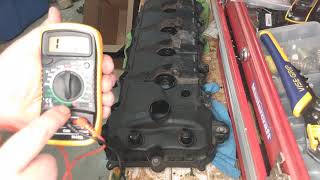
- Test VCT Solenoid Electrically: Remove the solenoid and test its resistance with a multimeter (should be around 7-8 Ohms). You can also apply 12V from a battery to its terminals to see if the internal plunger actuates with an audible click.
- Advanced Diagnostics: If the code persists after a new solenoid and clean oil, the issue may be mechanical. This involves checking oil pressure with a mechanical gauge and inspecting the timing chain, tensioners, and cam phasers. This step is best left to a professional.
Parts You'll Likely Need
- Variable Camshaft Timing (VCT) Solenoid (2018-2021 5.0L & 2.3L EcoBoost)
(OEM #HL3Z-6M280-A)— This is the most common point of failure for the Gen 3 Coyote V8 and 2.3L EcoBoost, getting stuck due to oil debris as cited in multiple Ford TSBs.
Trusted brands: Motorcraft, Dorman
OEM price range: $40-$90
Aftermarket price range: $25-$60 - Variable Camshaft Timing (VCT) Solenoid (2015-2017 5.0L)
(OEM #BR3Z-6M280-F (supersedes BR3Z-6M280-D))— This is the correct solenoid for the Gen 2 Coyote V8. It is also prone to sticking from oil debris. It's crucial to use this part number for pre-2018 V8s.
Trusted brands: Motorcraft, Dorman
OEM price range: $35-$80
Aftermarket price range: $20-$50 - Engine Oil and Filter — The VCT system is dependent on clean oil at the correct pressure. This is the first and most important step
Related Codes That Often Appear With This One
- P0011 — Intake ('A') camshaft timing over-advanced on the same bank (Bank 1). Indicates a potential oil supply or pressure issue affecting the entire bank, or can appear after swapping a faulty exhaust solenoid to the intake position for diagnosis.
- P0012 — Intake ('A') camshaft timing over-retarded on Bank 1. Often appears with other VCT codes when there is an oil or solenoid issue.
- P0024 — The same 'over-advanced' fault but for the exhaust camshaft on Bank 2 (driver's side). Seeing both P0014 and P0024 together strongly points to a systemic issue like oil pressure, oil quality, or a faulty tune.
- P0365/P0369 — These are codes for the camshaft position sensor circuit on Bank 1. A forum user reported these codes appeared before P0014, suggesting a sequence of related failures that started with the sensor or its wiring.
Technical Service Bulletins (TSBs) & Recalls
- SSM 54366: Group of VCT codes including P0014 on 2015-2021 models.
- SSM 48423: Notes that P0014 may be due to small debris causing the VCT solenoid to stick on 2015-2020 models.
- SSM 47170: An earlier version of SSM 48423 with the same guidance for 2018 and older models.
Platform-Specific Known Issues
- Ford Technical Service Bulletins (TSBs): Multiple TSBs (including SSM 47170, 48423, 50067, and 54366) cover 2015-2021 Ford vehicles and list P0014 among other VCT codes. They all point to the same root cause: 'small debris causing the VCT solenoid to stick.' The recommended procedure before replacement is to run a specific diagnostic test (pinpoint test HK11 or HK12) with a scan tool to cycle the solenoid and attempt to clear the debris.
- Real Owner Experience (Mustang6G Forum): A user with a 2015 Mustang GT encountered P0014 after first resolving P0365/P0369 by replacing a camshaft position sensor connector. They then replaced both Bank 1 VCT solenoids and changed the oil, but the code remained. This led them down a path of advanced diagnostics, suspecting a cam phaser, although their Ford service manager contact stated that phaser failure on the 5.0L is very rare. This highlights how the issue can sometimes be more complex than just a solenoid.
- Real Owner Experience (F-150 Forum with 5.0L): An owner of a 2012 F-150 with a 5.0L engine noted that the P0014 code would appear intermittently, specifically around the time an oil change was due, and would disappear after the oil was changed, suggesting a strong link between oil degradation and the fault. Another F-150 owner found that after replacing the solenoids, the electrical connectors would not clip on securely, requiring replacement of the pigtails to fix the problem.
Mechanic-Grade Diagnostic Values
- VCT Solenoid Internal Resistance — expected: 7 to 14 Ohms (commonly 7-8 Ohms). Failure: A reading outside this range, or an open/short circuit, indicates a failed solenoid coil.
- VCT Solenoid Connector Voltage (Key On, Engine Off) — expected: Battery Voltage (~12V) on the power supply pin.. Failure: No voltage suggests a problem with the fuse (e.g., engine bay fuse #40 mentioned in forums) or wiring harness between the fuse box and the solenoid.
- Ford IDS Scan Tool VCT PIDs — expected: VCT_EXH_ACT_DIF1 (Bank 1 Exhaust Actual vs Desired Difference) should be close to 0 degrees at idle. VCT_EXH_CMD1 (Commanded Duty Cycle) will vary based on engine speed and load.. Failure: A large, persistent value for VCT_EXH_ACT_DIF1 indicates the phaser is not reaching its commanded position. The fault code P0014 triggers if the difference exceeds a threshold (e.g., >20 degrees) during operation.
Hidden / Shadow Codes Worth Checking
- Mode $06, Test ID $51, Component ID $03: This refers to Mode 6 diagnostic data for Bank 1 Variable Camshaft Timing (VCT). It provides raw test data from the PCM's last self-test cycle, including pass/fail counts and measured values versus thresholds. It can show a component is close to failing before a DTC is set. (see via A capable OBD-II scan tool that can access Mode 6 data, such as the Ford IDS or high-end consumer scanners.)
Scan Tool Commands That Help
- Ford IDS (Integrated Diagnostic System): Power Balance Test — To identify if the timing issue is causing a misfire on a specific cylinder within Bank 1. While not a direct VCT test, it helps assess the impact of the timing error on engine operation.
- Ford IDS (or equivalent bidirectional scanner): VCT Solenoid On/Off State or Duty Cycle Command — This is a key bidirectional test. While the engine is idling, a technician can command the Bank 1 exhaust solenoid (VCT21) on and off or to a specific duty cycle. A functioning system will cause the engine to run rough or stall, confirming the phaser and solenoid are mechanically responding to commands. No change in engine operation points to a stuck solenoid, clogged oil passage, or failed phaser.
- Ford IDS: VCT Error PID (e.g., VCTADVERR) — This PID shows the difference between the commanded and actual cam angle in real-time. Monitoring this during a test drive can reveal if the timing is sticking, slow to respond, or consistently over-advanced, helping to pinpoint the exact conditions under which the fault occurs.
Wiring & Ground Locations
- G104 — In the engine bay, on the driver's side near the battery. On some S550 models, this ground is critical for the Data Link Connector (DLC).. While not a direct ground for the VCT solenoid, a poor ground at G104 can cause communication issues with the PCM via the DLC, hindering diagnostics. A solid ground connection is essential for all computer-controlled systems.
- G201 — Behind the passenger side kick panel, near the PCM.. This is a primary ground for the Powertrain Control Module (PCM). A compromised PCM ground can cause erratic behavior and incorrect readings from any sensor, including the camshaft position sensor, potentially leading to false VCT codes.
- Engine-to-Chassis Ground Strap — Typically runs from the engine block to the chassis or firewall on the driver's side.. This is a main ground path for the engine block and all components attached to it. Corrosion or a loose connection here can create a weak ground for the entire engine management system, leading to a host of electrical gremlins, including sensor and actuator faults.
Real Owner Repair Stories
- Mustang6G Forum User (2015 Mustang GT) — Started with P0365/P0369 (cam sensor circuit), then after replacing sensor and connector, got P0014 with muffled exhaust and no low-end torque.
❌ Tried (didn't work) Replacing all camshaft position sensors., Replacing the Bank 1 VCT solenoids., Performing an oil change.
✅ What actually fixed it The user's final update indicated the issue was ultimately traced to a faulty aftermarket tune. After consulting with the tuner and getting a revised file, the problem was resolved. The user had been running the same tune for months without issue before the codes appeared. - S197 Forum User (2011 Mustang GT (S197, but relevant Coyote engine)) — Car felt down on power, then threw CEL with codes P0012 and P0014.
❌ Tried (didn't work) Clearing codes and resetting PCM (dealer attempt)., Replacing the VCT solenoid.
✅ What actually fixed it The thread ends without a definitive confirmed fix from the original poster. The dealer was struggling to diagnose it, suspecting everything from the tune to the phasers or timing chain. This story highlights how the issue can be difficult to resolve even for professionals if it's not a simple solenoid failure.
OEM Part Supersession History
BR3Z-6M280-D→BR3Z-6M280-E, then BR3Z-6M280-F— Standard part revision and improvement by the manufacturer.
Heads up: These parts are for the 2015-2017 5.0L V8. They are not compatible with the 2018+ 5.0L V8, which uses HL3Z-6M280-A.
Model Year Variations Within This Range
- 2018-2021: The 2018 model year refresh introduced a revised 5.0L 'Gen 3' Coyote V8. This engine uses different VCT solenoids (Part # HL3Z-6M280-A) compared to the 2015-2017 'Gen 2' Coyote (Part # BR3Z-6M280-F). The 2.3L EcoBoost also uses the HL3Z-6M280-A solenoid. Using the wrong part will result in improper fitment or function.
Helpful Videos

Used OEM Parts in Stock
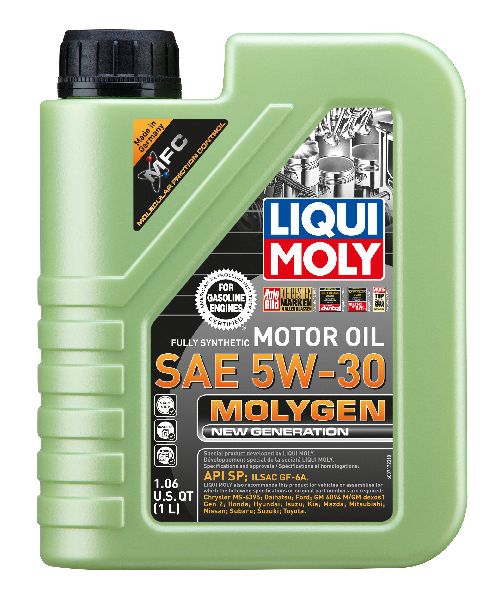
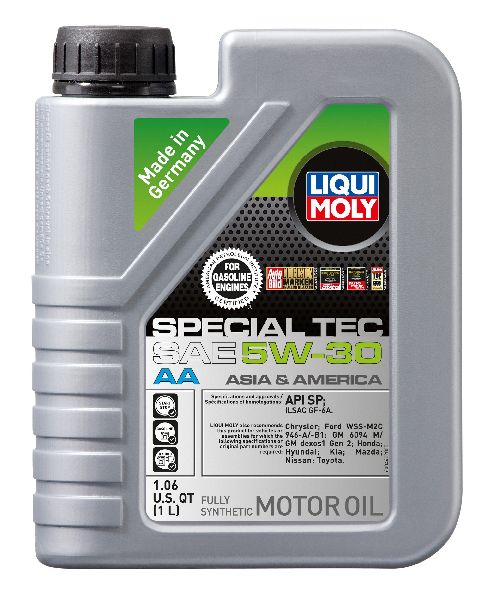
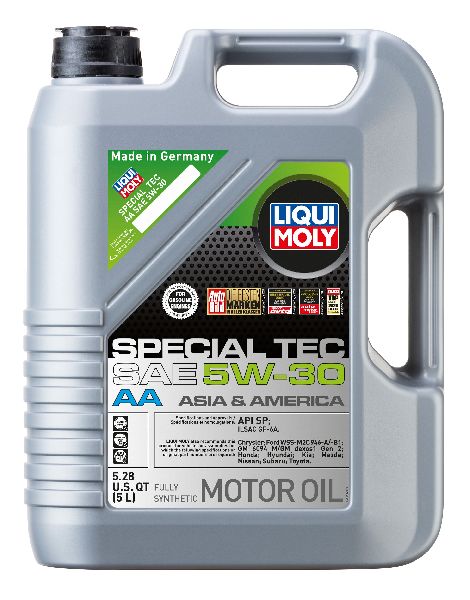
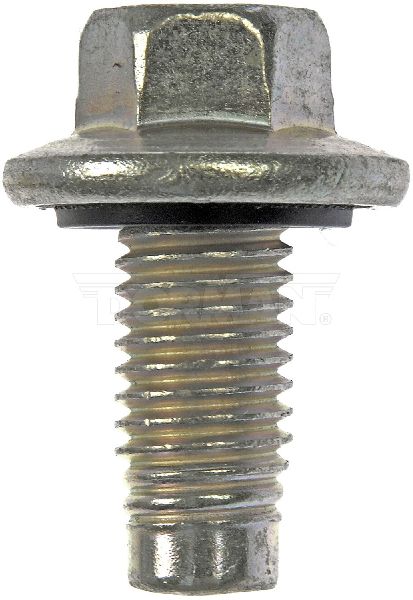
New Aftermarket Parts Available


The information in this article is provided for general reference and educational purposes only. Vehicle specifications, procedures, and part compatibility can vary by production date, trim level, and region. Always consult your vehicle's factory service manual and verify part numbers before purchasing or performing repairs. Safety-critical components such as airbags, seat belts, and braking systems should be installed by a qualified professional.
- Ford MUSTANG:
- 🎬 Helpful Videos
- 🛍️ Shop This Part
- What's Unique About the 2015-2021 Ford MUSTANG
- Diagnostic Flowchart
- Symptoms You May Notice
- Most Likely Causes
- Rare But Worth Checking
- Diagnosis Steps
- Parts You'll Likely Need
- Related Codes That Often Appear With This One
- Technical Service Bulletins (TSBs) & Recalls
- Platform-Specific Known Issues
- Mechanic-Grade Diagnostic Values
- Hidden / Shadow Codes Worth Checking
- Scan Tool Commands That Help
- Wiring & Ground Locations
- Real Owner Repair Stories
- OEM Part Supersession History
- Model Year Variations Within This Range
- 🎟️ Get 5% Off