

P0014 on 2009-2014 Chevrolet Malibu: Exhaust Cam Timing Causes and Fixes
On a 2009-2014 Malibu, code P0014 is most often caused by a faulty exhaust camshaft position actuator solenoid or low/dirty engine oil. The 2.4L Ecotec engine's known oil consumption issues often contribute to this problem. Replacing the solenoid is a common, affordable DIY fix, often costing between $20 and $50 for the part.
- P0014 on your Malibu almost always points to the exhaust camshaft actuator solenoid or the oil.
- Before buying any parts, check your oil level and condition. An oil change is the cheapest and easiest first step.
- The most likely required part is the exhaust camshaft position actuator solenoid (part # 12655421).
- Replacing the solenoid is a beginner-friendly DIY job that takes less than an hour with basic tools.
- Swapping the intake and exhaust solenoids is a free and effective way to confirm that the solenoid is the root cause of the problem.
What's Unique About the 2009-2014 Chevrolet MALIBU

The 2.4L Ecotec engine used in this generation of Malibu is well-known for issues with the camshaft position actuator solenoids. These components are highly sensitive to oil quality and pressure. Furthermore, this engine family is documented to have problems with excessive oil consumption due to piston ring design, which can lead to low oil levels. This oil starvation directly impacts the hydraulic VVT system, causing solenoids to fail or operate erratically and increasing the risk of premature timing chain wear, both of which are primary triggers for the P0014 code.
Diagnostic Flowchart

Tap your situation to follow the diagnostic path that matches what you're seeing on this vehicle.
Generation note: This guide covers the end of the 7th generation (2009-2012) and the beginning of the 8th generation (2013-2014) Chevrolet Malibu. Both generations used versions of the 2.4L Ecotec engine where this P0014 issue is prevalent and the diagnostic/repair process is very similar.
Symptoms You May Notice
- Check Engine Light is on
- Rough or unstable idle
- Engine stalling, especially when coming to a stop
- Reduced engine power and poor acceleration
- Worse fuel economy
- Rattling noise from the engine on startup or during operation
- Replacing the camshaft position *sensor* instead of the camshaft position actuator *solenoid*. The sensor reads the position, while the solenoid controls it. P0014 is almost always related to the control side (solenoid, oil pressure) rather than the sensor itself.
Most Likely Causes

- Faulty Exhaust Camshaft Position Actuator Solenoid 🔴 High Probability These solenoids are a known, high-frequency failure point on the 2.4L Ecotec engine, often after 100,000 miles. They can fail electrically (open circuit) or become clogged/stuck mechanically due to oil sludge.
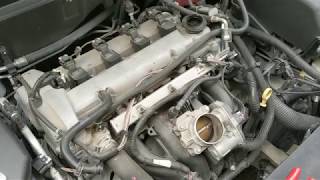
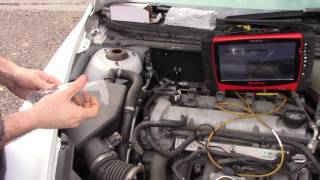
How to confirm: Test the solenoid's resistance with a multimeter; a good solenoid should have a resistance between 8-13 ohms, while a failed one will often show an open circuit (infinite resistance) or wildly fluctuating readings. A common and effective diagnostic step is to swap the exhaust solenoid (rear position) with the intake solenoid (front position). If the code changes to P0011, you have confirmed the solenoid is faulty. 🎬 Watch: Step-by-step diagnostics and repair for the P0014 code.
Typical fix: Replace the exhaust camshaft position actuator solenoid. It is held in by a single 10mm bolt and is accessible after removing the engine cover. Many owners and technicians recommend replacing both intake and exhaust solenoids at the same time as a preventative measure. 🎬 Watch: A complete walkthrough for replacing these common VVT solenoids.
Est. part cost: $20-$60 - Low or Dirty Engine Oil 🔴 High Probability The VVT system is hydraulic and uses engine oil pressure to adjust timing. The 2.4L Ecotec engine is known for consuming oil, making low oil levels a frequent problem that directly causes VVT codes. Old, contaminated, or incorrect viscosity oil can also clog the solenoid screens and passages.
How to confirm: Check the oil level on the dipstick and inspect its color and consistency. Verify the oil change history. This should always be the first step in diagnosing P0014.
Typical fix: Perform an oil and filter change using the manufacturer-specified grade of oil (e.g., 5W-30 full synthetic meeting dexos specifications).
Est. part cost: $40-$80 - Stretched Timing Chain 🟡 Medium Probability Premature timing chain wear is another known issue on the 2.4L Ecotec, often exacerbated by poor lubrication from the oil consumption problem. A stretched chain causes a deviation between the commanded and actual camshaft positions, triggering the code.
How to confirm: This is a more involved diagnosis. A key symptom is a rattling noise from the front of the engine, especially on a cold start. A mechanic would need to remove the valve cover to check timing marks or measure chain slack, which requires significant disassembly.
Typical fix: Replace the timing chain, guides, and tensioner as a complete kit. This is a complex and expensive repair best left to professionals.
Est. part cost: $200-$500+ - Clogged Solenoid Screens 🟡 Medium Probability Debris or sludge in the engine oil can clog the small filter screens on the body of the solenoid, restricting oil flow and preventing it from operating correctly. This is explicitly mentioned in TSBs #PIP5167 and #PIP5162.
How to confirm: Remove the solenoid and visually inspect the screens for contamination or metal shavings.
Typical fix: The screens can be carefully cleaned with brake cleaner and compressed air, but if they are heavily clogged, the solenoid is old, or if there are any metal shavings present (indicating a larger issue), replacement is the recommended course of action.
Est. part cost: $0 (if cleaning) or cost of new solenoid
Rare But Worth Checking
- Wiring Harness Issue: A GM TSB (18-NA-307) for other models notes that the engine wiring harness can chafe against the camshaft cover, causing shorts or open circuits that can trigger various codes, including P0014. While not specific to Malibu, it's a plausible cause if the solenoid and oil are good.
- Faulty Camshaft Phaser: The phaser is the mechanical gear that the solenoid controls. If it fails internally, gets stuck due to sludge, or is damaged, it can cause an over-advanced condition even with a good solenoid. This is less common than a solenoid failure and is often replaced during a timing chain job.
- Faulty Powertrain Control Module (PCM): In very rare cases, the PCM itself can be faulty and incorrectly report a P0014 code when no mechanical or electrical issue exists in the VVT system. This should only be considered after all other possibilities have been exhaustively ruled out.
Diagnosis Steps
- Check the engine oil level and condition. If it's low, dirty, or the wrong viscosity, perform an oil and filter change with a full synthetic 5W-30 oil meeting GM's dexos specification as the first step.
- Scan for other DTCs to see if P0014 is accompanied by codes like P0013 or P0011, which can help pinpoint the issue.
- Inspect the wiring connector at the exhaust camshaft solenoid for damage, corrosion, or oil contamination.
- Remove the plastic engine cover (usually requires removing the oil cap and pulling up).
- Locate the exhaust camshaft actuator solenoid. On the 2.4L engine, it's the rearward of the two solenoids on top of the valve cover (closer to the firewall/exhaust manifold). The intake solenoid is the front one.
- Remove the single 10mm bolt holding the solenoid and carefully pull it out. Be prepared for some oil spillage and have a rag ready.
- Inspect the solenoid's screens for metal shavings or sludge. Clean if possible, but replacement is recommended for heavy contamination.
- For a definitive diagnosis, swap the exhaust solenoid with the intake solenoid. They are interchangeable for testing. Clear the codes and drive the vehicle. If the code changes to P0011 (Intake Camshaft Position), you have confirmed the exhaust solenoid is faulty.
- If the problem persists after replacing the solenoid and changing the oil, listen carefully for a startup rattle. If present, further investigation into the timing chain and phasers by a professional is necessary.
Parts You'll Likely Need

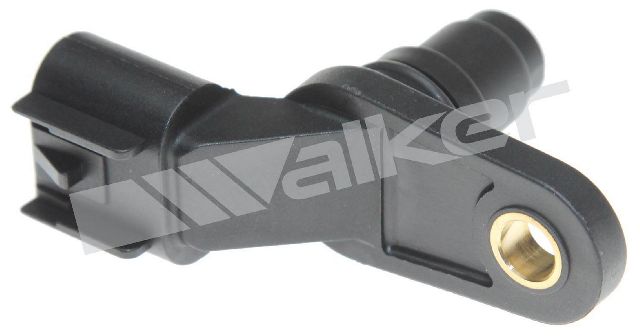
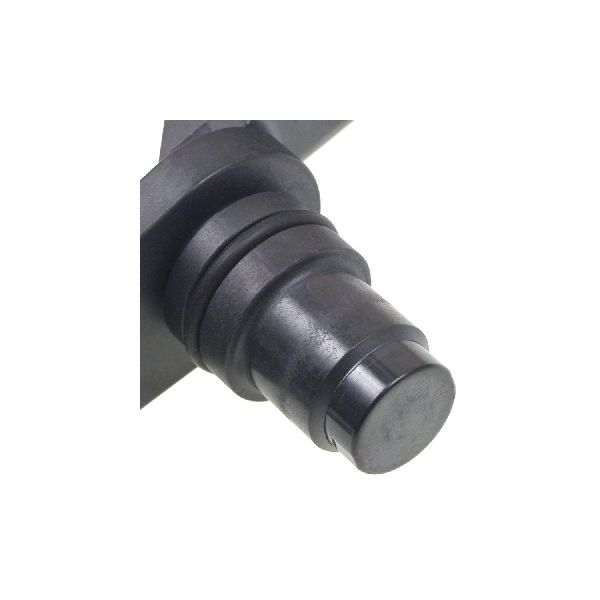
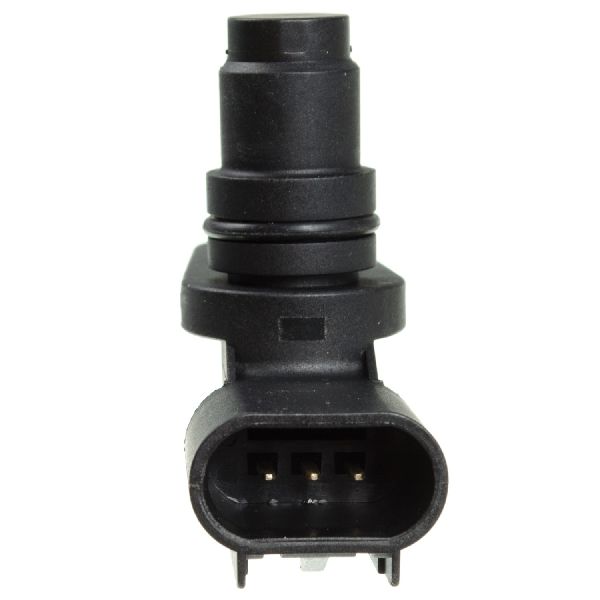
- Exhaust Camshaft Position Actuator Solenoid
(OEM #12679100 (Supersedes 12655421, 12628348))— This is the most common part to fail, either electrically or by getting clogged, directly causing the P0014 code.
Trusted brands: ACDelco (GM Original Equipment), Delphi, Standard Motor Products (SMP)
OEM price range: $40-$70
Aftermarket price range: $20-$50
Related Codes That Often Appear With This One
- P0013 — This code indicates an electrical circuit issue (open or short) with the same exhaust camshaft actuator solenoid. They often appear together if the solenoid has failed electrically, as seen in many owner repair videos. 🎬 See how these codes appear together and how to fix them.
- P0011 — This is the corresponding code for the intake camshaft ('A') timing being over-advanced. It can appear if both solenoids are failing, if there's a systemic oil pressure/quality issue, or if the timing chain has stretched. TSBs often mention P0011 and P0014 together.
- P0300 — A Random Misfire code can be triggered because incorrect valve timing disrupts the combustion process in the cylinders. TSB #PIP5167 mentions this possibility.
Technical Service Bulletins (TSBs) & Recalls
- PIP5167: Mentions inspecting camshaft solenoid screens for debris when P0011 and/or P0014 are present with a P0300 misfire code.
- PIP5162: Advises technicians to remove and clean camshaft solenoid screens for P0011 and/or P0014 codes.
- PIP4716F: Connects a sharp rattle noise at startup to DTCs including P0014, pointing towards potential timing system issues.
Platform-Specific Known Issues
- An owner complaint filed with the NHTSA (ODI #10870877) for a 2010 Malibu specifically mentions needing a repair on the exhaust VVT solenoid for codes P0013 & P0014.
- TSB #PIP5162 explicitly instructs technicians to inspect and clean the camshaft solenoid screens with brake cleaner for P0011/P0014 codes.
- TSB #PIP4716F links a startup rattle noise with DTCs like P0014, suggesting a potential connection to timing components.
- A 2013 Malibu owner filed NHTSA complaint #10845929 after being diagnosed with a failed exhaust solenoid valve at only 40,639 miles, questioning the part's durability.
- Multiple YouTube repair videos, such as one from 'TonyTheTechnician', show the step-by-step process for a 2012 Malibu, confirming the commonality and DIY nature of the fix.
Mechanic-Grade Diagnostic Values
- Camshaft Actuator Solenoid Resistance — expected: 8 to 13 Ohms. Failure: A reading of open circuit (OL), infinite resistance, or a value that fluctuates wildly when wiggling the connector indicates a failed solenoid.
- Scan Tool Camshaft Angle Variance (Desired vs. Actual) — expected: Near 0 degrees at idle.. Failure: A variance greater than 5 degrees that persists for more than 10 seconds can set the P0014 code.
- Solenoid Connector Voltage (Key On, Engine Off) — expected: Battery voltage (~12.6V) on the power supply pin.. Failure: No voltage suggests a wiring or fuse issue upstream of the solenoid.
Scan Tool Commands That Help
- GDS2 / Professional Scan Tool: Camshaft Position Actuator Active Test — This bidirectional control allows the technician to command the solenoid to advance or retard the cam timing while monitoring the 'Desired' vs 'Actual' cam position PIDs. If the ECM commands a change and the actual position doesn't respond, it confirms a fault in the solenoid, oil pressure, or phaser, helping to isolate the problem without swapping parts.
Wiring & Ground Locations
- G107 (2.4L) — Lower left side of the engine block.. This is a primary engine ground. A poor connection here can cause erratic behavior and incorrect readings for various engine sensors and actuators controlled by the ECM, potentially contributing to control codes like P0014.
- G106 (2.4L) — Left rear of the engine.. Another critical engine ground point. Ensuring this ground is clean and tight is a fundamental step when diagnosing any electronic control issues.
- Exhaust Camshaft Position Actuator Solenoid Connector — The rearward of the two VVT solenoids on top of the valve cover, typically with a black plastic connector.. This is the direct electrical connection to the component in question. The two pins are for the 12V power supply and the control signal (duty-cycled ground) from the ECM. Testing for voltage, ground, and resistance occurs at this connector.
Real Owner Repair Stories
- Reddit user in /r/MechanicAdvice (2011 Chevy Malibu) — Persistent P0014 code with no noticeable drivability problems.
❌ Tried (didn't work) Refilled low engine oil., Replaced both intake and exhaust VVT solenoids with aftermarket parts., Replaced the exhaust solenoid again with an OEM ACDelco part (twice)., Performed a second oil and filter change., Cleaned the existing camshaft position sensors (found oil sludge on them)., Cleaned the MAF sensor.
✅ What actually fixed it The issue was diagnosed by a Chevrolet dealership as a jumped/stretched timing chain, likely caused by the initial period of running with low oil. The final fix was a timing chain replacement, quoted at over $2,200. - YouTube channel 'Fixing with Passion' (2006 GMC Envoy 4.2L (similar VVT system)) — P0014 code that would return 80-100 miles after being cleared.
❌ Tried (didn't work) Clearing the code.
✅ What actually fixed it Replacing the single exhaust VVT solenoid fixed the issue. The creator drove the vehicle for over 240 miles after the repair to confirm the check engine light did not return.
When the Usual Fixes Don't Work
- In one documented case, an owner of a 2011 Malibu replaced the exhaust VVT solenoid three separate times (including with OEM parts) and performed multiple oil changes, but the P0014 code kept returning. This contradicts the common wisdom that a solenoid or oil change is almost always the fix. The ultimate cause was determined by a dealer to be a stretched timing chain, highlighting that when the common fixes fail, a more serious mechanical issue is the likely culprit.
OEM Part Supersession History
12628348→12655421— Part revision and improvement by the manufacturer.12655421→12679100— Latest part revision by GM. This is the most current OEM number to use for this repair.
Model Year Variations Within This Range
- 2009-2012: These 7th generation Malibus primarily used the 2.4L Ecotec LE5 (VIN U) or LE9 (VIN U) engines.
- 2013-2014: The 8th generation Malibus introduced updated versions of the 2.4L Ecotec, including the LEA and the LUK with eAssist (VIN R). While the P0014 diagnosis is very similar, part numbers for other components on these engines may differ from the earlier generation.
Helpful Videos

We Have This Part in Stock



The information in this article is provided for general reference and educational purposes only. Vehicle specifications, procedures, and part compatibility can vary by production date, trim level, and region. Always consult your vehicle's factory service manual and verify part numbers before purchasing or performing repairs. Safety-critical components such as airbags, seat belts, and braking systems should be installed by a qualified professional.
- Chevrolet MALIBU:
- 🎬 Helpful Videos
- 🛍️ Shop This Part
- What's Unique About the 2009-2014 Chevrolet MALIBU
- Diagnostic Flowchart
- Symptoms You May Notice
- Most Likely Causes
- Rare But Worth Checking
- Diagnosis Steps
- Parts You'll Likely Need
- Related Codes That Often Appear With This One
- Technical Service Bulletins (TSBs) & Recalls
- Platform-Specific Known Issues
- Mechanic-Grade Diagnostic Values
- Scan Tool Commands That Help
- Wiring & Ground Locations
- Real Owner Repair Stories
- When the Usual Fixes Don't Work
- OEM Part Supersession History
- Model Year Variations Within This Range
- 🎟️ Get 5% Off