

P0014 on 2004-2011 Chevrolet Colorado: Exhaust Cam Timing Causes and Fixes
On a 2004-2011 Colorado, P0014 is most often caused by a faulty exhaust camshaft actuator solenoid (ACDelco P/N 12615873), which is often due to dirty, low, or incorrect viscosity engine oil. Replacing the solenoid is a simple, 10-minute DIY job with the part costing between $30 and $60. An oil and filter change is a critical first step.
- P0014 on a 2004-2011 Colorado almost always points to the exhaust camshaft actuator solenoid.
- Always check your oil level and condition first; low or dirty oil is a primary cause of VVT system faults.
- The fix is usually cheap and easy: replace the solenoid (Part #12615873) with a single 10mm bolt.
- Using the updated OEM ACDelco solenoid is highly recommended, as its design is more robust than the original.
- If replacing the solenoid doesn't fix the code, you may have a more serious timing chain issue that requires professional diagnosis.
What's Unique About the 2004-2011 Chevrolet COLORADO

The first-generation Chevrolet Colorado and its platform-mates (GMC Canyon, Hummer H3) use the Atlas family of inline engines (I4 and I5). This P0014 code is a very common issue on these trucks. The primary culprit is almost always the camshaft actuator solenoid, which has fine mesh screens that are prone to tearing or clogging with oil sludge. In fact, GM issued an updated part (ACDelco #12615873) with a wire spring reinforcing the screens to address this weakness. While the solenoid is the easy fix, TSB #PIP3694F notes that these engines can also be susceptible to more serious issues like excessive crankshaft end play, so it's important to diagnose the problem correctly after a solenoid replacement fails to resolve the code.
Diagnostic Flowchart

Tap your situation to follow the diagnostic path that matches what you're seeing on this vehicle.
Generation note: This covers the entire first generation of the Chevrolet Colorado. The engines were updated for the 2007 model year (2.8L/3.5L became 2.9L/3.7L). While the causes for P0014 are the same, some related parts like the timing chain kits are different between the 2004-2006 and 2007-2011 models.
Symptoms You May Notice
- Check Engine Light is on
- Rough idle or stalling [16, TSB #PIP3694F]
- Engine noise, such as rattling, clicking, or knocking
- Reduced engine power and sluggish acceleration
- Poor fuel economy
- Hard starting
- Engine belt noise (mentioned in TSB #PIP3694F)
- Replacing the Camshaft Position Sensor. The sensor is what reports the problem to the ECM, but it's rarely the cause of the problem itself. The code indicates a mechanical timing issue (timing is 'over-advanced'), not a sensor electrical failure. Owners often replace the sensor only to have the code return.
Most Likely Causes

- Faulty Exhaust Camshaft Actuator Solenoid 🔴 High Probability The fine mesh screens on the original solenoids (P/N 12577245 or 12602516) are known to tear or become clogged with oil debris, impeding oil flow. The updated OEM part (ACDelco #12615873) includes a wire spring to better secure the screens and prevent this failure.
How to confirm: Remove the solenoid (held by a single 10mm bolt on the exhaust side of the cylinder head) and visually inspect the screens for tears, clogging, or missing pieces. You can test its resistance with a multimeter; it should be between 8 and 13 ohms. A simple diagnostic trick is to swap the exhaust solenoid with the identical intake solenoid; if the code changes to P0011 (Intake Cam Position), the solenoid is confirmed faulty.
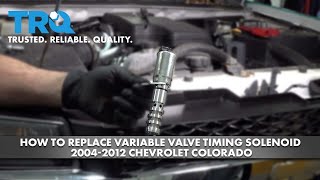
Typical fix: Replace the exhaust camshaft actuator solenoid. This is a very common and simple fix. 🎬 Watch: Step-by-step walkthrough for replacing the VVT solenoid. Always use a quality part, preferably the updated OEM ACDelco version #12615873.
Est. part cost: $30-$60 - Low or Dirty Engine Oil 🟡 Medium Probability The VVT system is entirely dependent on clean oil and correct oil pressure to function. Sludge from infrequent oil changes or using the wrong oil viscosity can easily clog the small passages in the actuator solenoids and phasers.
How to confirm: Check the oil level on the dipstick and inspect its condition. If the oil is low, dark, sludgy, or past its service interval, it is a likely contributor.
Typical fix: Perform an engine oil and filter change using the manufacturer-specified oil weight (typically 5W-30). Some mechanics recommend using an engine oil flush product before draining the old oil to help clean out sludge.
Est. part cost: $30-$70 - Stretched Timing Chain or Worn Timing Components ⚪ Low Probability While less common than the solenoid, the timing chains on Atlas engines can stretch over time, causing camshaft correlation issues that trigger P0014, often along with P0017. This is a more significant mechanical failure.
How to confirm: This is an advanced diagnosis usually performed after a new solenoid and oil change fail to fix the code. It involves checking for excessive slack in the timing chain, often requiring removal of the valve cover. A high-end scan tool can also monitor actual vs. desired cam angle to spot a deviation that is consistent with chain stretch.
Typical fix: Replace the timing chain, tensioner, and guides. This is a significant repair requiring specialized tools and knowledge, with labor costs often exceeding $1000.
Est. part cost: $150-$400 for a kit
Rare But Worth Checking
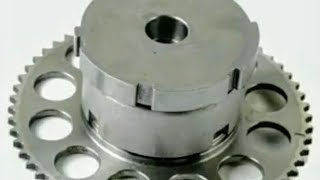
- Faulty Camshaft Phaser: The phaser is the mechanical gear on the end of the camshaft that the solenoid controls. It can get stuck, clogged with debris from a failed solenoid screen, or fail internally, but this is much less common than a solenoid failure.
- Excessive Crankshaft End Play: TSB #PIP3694F specifically mentions this as a potential cause after inspecting the solenoid. If the crankshaft can be moved back and forth excessively (e.g., more than .050 inches), it can cause timing correlation issues. The TSB suggests engine replacement in severe cases.
Diagnosis Steps

- Check the engine oil level and condition. Top off or change the oil and filter if necessary, using the correct 5W-30 viscosity. This is the simplest and most crucial first step.
- Scan for any other trouble codes. The presence of codes like P0017 can point towards a more serious timing chain issue.
- Diagnostic Swap: Swap the exhaust camshaft actuator solenoid with the identical intake solenoid. Clear the codes and run the engine. If the code changes from P0014 (Exhaust) to P0011 (Intake), you have definitively proven the solenoid is faulty.
- Inspect the exhaust camshaft actuator solenoid. It is located on the front of the engine on the exhaust side, held by one 10mm bolt.
- Remove the solenoid and carefully inspect its three mesh screens. Look for any tears, holes, or heavy sludge buildup. If screens are missing, they may be circulating in the oil galleys.
- If the screens are damaged or missing, replace the solenoid. It is highly recommended to use the updated ACDelco OEM part #12615873.
- If the screens look intact but dirty, you can try cleaning the solenoid with brake cleaner and a soft brush, but replacement is often the more reliable, long-term fix.
- If a new solenoid does not resolve the code, the next step is to investigate more serious mechanical issues like excessive crankshaft end play (per TSB #PIP3694F), a stretched timing chain, or a faulty camshaft phaser. This level of diagnosis is best left to a professional.
Parts You'll Likely Need

- Exhaust Camshaft Position Actuator Solenoid
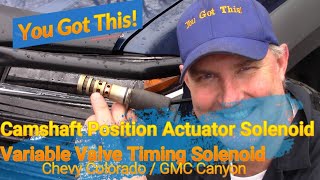
(OEM #12615873 (Updated), 12602516 / 12577245 (Superseded))— This is the most frequent failure point for code P0014 on this vehicle due to its screens clogging or tearing. The updated part is more robust. 🎬 See why these defective solenoids can ruin your engine.
Trusted brands: ACDelco (GM OE)
OEM price range: $40-$60
Aftermarket price range: $25-$50 - Intake Camshaft Position Actuator Solenoid
(OEM #12615873 (Same part as exhaust))— Many owners choose to replace both intake and exhaust solenoids at the same time as preventative maintenance, since they are the same age and subject to the same conditions.
Trusted brands: ACDelco (GM OE)
OEM price range: $40-$60
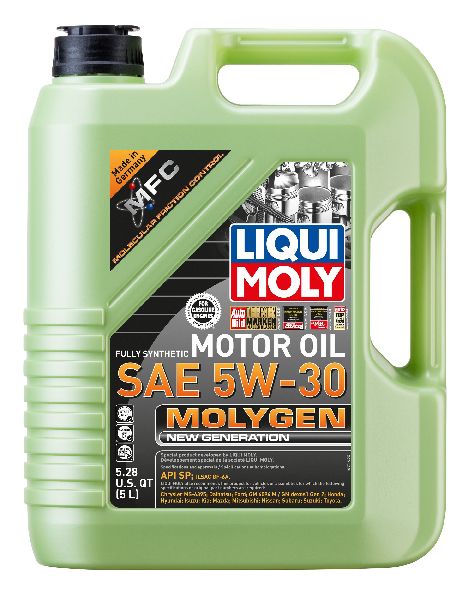
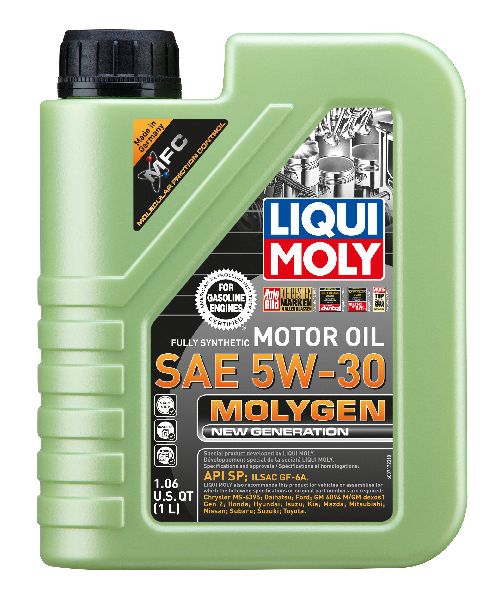
Aftermarket price range: $25-$50 - Engine Oil and Filter (5W-30) — Clean oil is essential for the VVT system to work. An oil change is a critical first step and may resolve the issue if it's caused by sludge or low level.
Trusted brands: ACDelco, Mobil 1, Pennzoil
OEM price range: $40-$70
Aftermarket price range: $30-$50
Related Codes That Often Appear With This One
- P0017 — This code indicates a correlation issue between the crankshaft and the exhaust camshaft. Both P0014 and P0017 point to a problem with the exhaust cam's timing control system. TSB #PIP3694F notes they often appear together. 🎬 Watch: Common causes and simple solutions for P0014 and P0017.
- P0300 — A random misfire code can be triggered because the incorrect camshaft timing disrupts the engine's combustion process, leading to an unstable idle and misfires.
- P0106 — This MAP sensor code can be set because the rough idle caused by the cam timing issue affects the engine's vacuum, which the MAP sensor reads. TSB #PIP3694F also mentions this possibility.
Technical Service Bulletins (TSBs) & Recalls
- Bulletin #PIP3694F: Mentions that vehicles with engine belt noise, rough idle, and a check engine light may have DTC P
Platform-Specific Known Issues
- The original camshaft actuator solenoids were prone to their filter screens tearing and falling off, potentially circulating in the engine oil. GM released an updated part (ACDelco #12615873) with a reinforced design using a wire spring to prevent this.
- TSB #PIP3694F directly addresses P0014, instructing technicians to first inspect the camshaft actuator solenoid for missing screens. If the screens are intact, the TSB then directs them to measure crankshaft end play, indicating a known, albeit rarer, secondary cause for these timing codes.
Mechanic-Grade Diagnostic Values
- VVT Camshaft Actuator Solenoid Resistance — expected: 8 to 13 Ohms (per Pass 2), some sources state 6 to 12 Ohms. Failure: A reading outside the specified range, or an open circuit (infinite resistance), indicates a faulty solenoid.
- Camshaft Position (CMP) Sensor Signal Voltage — expected: Switches between 0V DC and 12V DC. Failure: Signal does not switch between 0V and 12V as the engine is turned by hand. A constant 0V or 12V indicates a failed sensor or wiring issue.
Scan Tool Commands That Help
- GM Tech2 / High-End Bidirectional Scanner: VVT Actuator Test / OCV Control — After verifying oil level and quality. This command directly activates the exhaust VVT solenoid while the engine is idling. If the solenoid is functioning, activating it should cause the engine to stumble, hesitate, or stall. If there is no change in engine operation, the solenoid is either stuck, clogged, or there is an oil pressure issue to the phaser.
Wiring & Ground Locations
- SP105 — Splice pack located on the driver's side of the engine compartment, near the battery.. This is a major ground distribution point for numerous components, including the Powertrain Control Module (PCM) and fuel pump. Corrosion or a loose connection here can cause a wide range of difficult-to-diagnose electrical issues, including erratic sensor readings and codes like P0014.
- G102 / G103 — Located on the lower left side of the engine block.. These are primary engine ground points. A poor connection at these locations can affect the electrical reference for various sensors and actuators, including the VVT system components, leading to incorrect operation and fault codes.
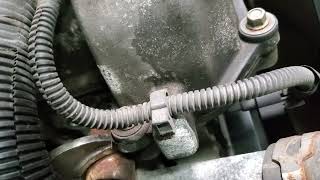
- VVT Solenoid Connector — Two-wire connector plugging into the exhaust camshaft actuator solenoid on the front of the cylinder head.. This is the direct electrical connection for the solenoid. The pins should be checked for corrosion, and the wiring harness immediately behind it should be inspected for chafing or breaks, which would cause the same symptoms as a failed solenoid.
Real Owner Repair Stories
- YouTube user 'cars4fun' (2010 Chevrolet Colorado 3.7L I5) — Check Engine Light with codes P0014 and P0017.
❌ Tried (didn't work) The user first confirmed the engine oil was clean and at the correct level. They noted that many people suggest cleaning the solenoid, but in their experience, the fix is often temporary and the code returns.
✅ What actually fixed it Replaced the exhaust camshaft actuator solenoid (VVT solenoid). The video shows the entire process, and replacing the part cleared the codes. - Reddit user on r/chevycolorado (First-generation Chevrolet Colorado) — P0014 engine code.
❌ Tried (didn't work) A mechanic quoted $4,000, claiming a stretched timing chain without proper diagnosis.
✅ What actually fixed it The user performed a diagnostic swap by switching the intake and exhaust solenoids. When the code changed to P0011 (intake), it confirmed the solenoid was the faulty component, not the timing chain. They replaced the bad solenoid themselves.
OEM Part Supersession History
12577245, 12602516→12615873— The original parts used screens that were prone to tearing and falling off. The updated part, 12615873, features a reinforced screen design with a visible wire spring to prevent this failure mode.
Model Year Variations Within This Range
- 2004-2012: A key design characteristic of the first-generation Atlas engines (I4 and I5) is that they only have Variable Valve Timing on the exhaust camshaft. They do not have VVT on the intake cam. This is why P0014 (Exhaust Cam) is a very common code, while P0011 (Intake Cam) is not seen on its own.
- 2004-2006 vs 2007-2012: The engines were updated in 2007, with displacement increasing from 2.8L to 2.9L (I4) and 3.5L to 3.7L (I5). While the P0014 fault and its primary cause (VVT solenoid) remain the same, internal components like the timing chain and guides are different between these engine versions, affecting more in-depth repairs.
Helpful Videos
We Have This Part in Stock



The information in this article is provided for general reference and educational purposes only. Vehicle specifications, procedures, and part compatibility can vary by production date, trim level, and region. Always consult your vehicle's factory service manual and verify part numbers before purchasing or performing repairs. Safety-critical components such as airbags, seat belts, and braking systems should be installed by a qualified professional.
- Chevrolet COLORADO:
- 🎬 Helpful Videos
- 🛍️ Shop This Part
- What's Unique About the 2004-2011 Chevrolet COLORADO
- Diagnostic Flowchart
- Symptoms You May Notice
- Most Likely Causes
- Rare But Worth Checking
- Diagnosis Steps
- Parts You'll Likely Need
- Related Codes That Often Appear With This One
- Technical Service Bulletins (TSBs) & Recalls
- Platform-Specific Known Issues
- Mechanic-Grade Diagnostic Values
- Scan Tool Commands That Help
- Wiring & Ground Locations
- Real Owner Repair Stories
- OEM Part Supersession History
- Model Year Variations Within This Range
- 🎟️ Get 5% Off