

P0014 on 2012-2015 Cadillac SRX: Exhaust Camshaft Timing Causes and Fixes
On a 2012-2015 Cadillac SRX, P0014 is most often caused by a faulty Bank 1 exhaust camshaft position actuator solenoid, often due to low or dirty oil. This is a ~$40 part and a 1/5 difficulty DIY fix. However, it can also be a symptom of a more serious stretched timing chain, a known issue on this engine family, particularly in the 2012 model year.
- Always check your engine oil level and condition first. A simple oil change can sometimes fix P0014.
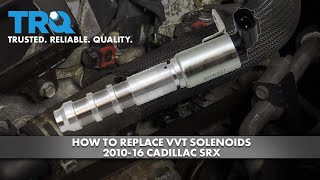
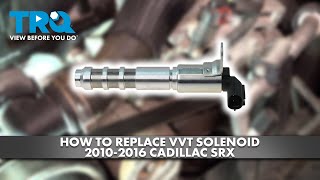
- The most likely failed part is the Bank 1 (rear bank) exhaust camshaft position actuator solenoid (part #12655421).
- A simple diagnostic is to swap the exhaust and intake solenoids on Bank 1 to see if the code follows the part (changes to P0011).
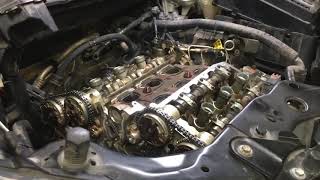
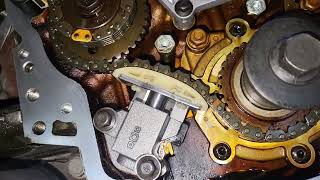
- Be aware that P0014 on the 3.6L V6 can be an early symptom of a stretched timing chain, a much more serious and expensive repair.
- If you hear a rattling noise from the engine, stop driving and have it inspected by a professional immediately.
What's Unique About the 2012-2015 Cadillac SRX
 🎬 Watch: Is the GM LFX V6 engine actually reliable?" loading="eager" fetchpriority="high" style="max-width:100%;height:auto;border-radius:6px;display:block;box-shadow:0 2px 8px rgba(0,0,0,0.1);" />
The 2012-2015 Cadillac SRX uses the 3.6L LFX V6 engine. While the most common cause for P0014 is a simple, inexpensive solenoid, this engine family has a well-documented history of premature timing chain stretching, though it was improved from the prior LLT engine. The 2012 model year LFX engines are noted to be more susceptible as they used a timing chain design carried over from the problematic LLT engine, which was updated in 2013. An owner complaint to the NHTSA specifically mentions P0014 appearing with other timing codes (P0011, P0016, P0018, P0021), leading to a timing chain diagnosis. Therefore, while you should start with the simple fixes, be aware that P0014 on this specific vehicle can be an early warning sign of a much more significant repair, especially on 2012 models.
Diagnostic Flowchart

Tap your situation to follow the diagnostic path that matches what you're seeing on this vehicle.
Symptoms You May Notice
- Check Engine Light is on
- Rough or unstable idle
- Engine runs rough
- Poor fuel economy
- Hard starting
- Engine stalling
- Rattling, ticking, or clattering noise from the engine
- Loss of power or poor acceleration
- Replacing the Camshaft Position *Sensor* instead of the Camshaft Position Actuator *Solenoid*. The sensor reads the position, but the solenoid controls it. P0014 is a control performance code, making the solenoid the much more likely culprit.
Most Likely Causes

- Low or Dirty Engine Oil 🔴 High Probability The VVT system is hydraulically operated by engine oil. The LFX engine is known to consume about a quart of oil every 2,000 miles, which GM considers normal. If the oil is low, dirty, or the wrong viscosity, it cannot provide the pressure needed to operate the camshaft actuators (phasers) correctly. Debris can also clog the fine mesh screens on the solenoids.
How to confirm: Check the oil level on the dipstick and inspect its condition. If it's low, dark, or sludgy, it needs to be changed. The manufacturer's oil life monitoring system can allow for long intervals (8,000-12,000 miles), which may be too long to prevent sludge or low levels due to consumption.
Typical fix: Perform an oil and filter change using the correct oil specification (full-synthetic 5W-30 oil that meets GM's dexos1 specification is recommended). Clear the codes and see if the issue is resolved.
Est. part cost: $50-$100 - Faulty Exhaust Camshaft Position Actuator Solenoid (Bank 1) 🔴 High Probability These solenoids get clogged with debris from old oil or can fail electronically over time, causing them to stick. This is the most common part-related failure for P0014. TSB PIP5096C specifically addresses this, noting that a batch of solenoids from a certain supplier were problematic and should be replaced with a new 'service' part.
How to confirm: Swap the Bank 1 exhaust solenoid (lower position on the rear cylinder head) with the Bank 1 intake solenoid (upper position). Clear codes and drive. If the code changes to P0011 (Intake Camshaft Position), the solenoid is bad. You can also test the solenoid's resistance with a multimeter; it should be between 8-12 ohms. Upon removal, inspect the screens for sludge or metallic debris.
Typical fix: Replace the Bank 1 exhaust camshaft position actuator solenoid. Many owners choose to replace all four at once as a preventative measure.
Est. part cost: $30-$75 - Stretched Timing Chain 🟡 Medium Probability The GM 3.6L V6 engine family is known for premature timing chain wear, though the LFX is improved over the prior LLT version. The 2012 model year is considered more at risk as it used the older chain design. As the chain stretches, it causes the camshaft timing to deviate from the crankshaft, triggering codes like P0014, often along with P0016/P0017. The NHTSA complaint ODI #11244964 directly links P0014 with other codes to a "possible time chain problem."
How to confirm: This is a difficult diagnosis. It's often confirmed after ruling out oil and solenoid issues. A mechanic can use a scan tool to monitor actual vs. desired cam timing deviation. A physical inspection is the ultimate confirmation, which requires significant engine disassembly.
Typical fix: Replace the timing chains, tensioners, and guides. This is a major, labor-intensive repair.
Est. part cost: $400-$800
Rare But Worth Checking
- Faulty Camshaft Phaser: The phaser is the gear at the end of the camshaft that the solenoid controls. It can fail mechanically, getting stuck in an advanced position. This is usually diagnosed after replacing the solenoid doesn't fix the issue.
- Faulty Camshaft Position Sensor: It's more common for the solenoid (actuator) to fail than the sensor. The sensor only reads the position; it doesn't control it. People often replace this by mistake. P0014 is a performance code, not a sensor circuit code.
- Wiring or ECM Issues: Damaged wiring to the solenoid or, very rarely, a fault in the Engine Control Module (ECM) could cause this code. This should be the last thing to check.
Diagnosis Steps
- Check the engine oil level and condition. The LFX engine can consume oil, so low oil is a primary suspect. Top up or change the oil and filter if necessary. Use a full synthetic 5W-30 oil meeting the dexos1 spec. Clear the codes and see if P0014 returns.
- Scan for any other pending or active trouble codes. Multiple timing codes (like P0017, P0018) point towards a more serious mechanical timing issue.
- Locate the Bank 1 (rear bank, near firewall) exhaust camshaft position actuator solenoid. It is the lower of the two solenoids on the front of the rear cylinder head. Access requires removing the engine cover and air intake ducting.
- Inspect the wiring harness and connector for the solenoid for any damage, corrosion, or loose connections.
- Perform a 'swap test': Swap the exhaust solenoid with the intake solenoid on the same bank. Clear the codes and drive the vehicle. If the code changes to P0011 (Intake Position), the solenoid you moved is faulty and needs to be replaced. TSB PIP5096C advises against this swap test if the engine has a specific EUN sticker, recommending direct replacement instead.
- If the code P0014 returns after the swap, the issue is not the solenoid. The next steps involve checking for a clogged oil passage to the phaser or suspecting a mechanical issue.
- If a stretched timing chain is suspected, consult a professional. Diagnosis requires checking camshaft deviation data with an advanced scan tool and is a labor-intensive repair that can cost over $2,500.
Parts You'll Likely Need
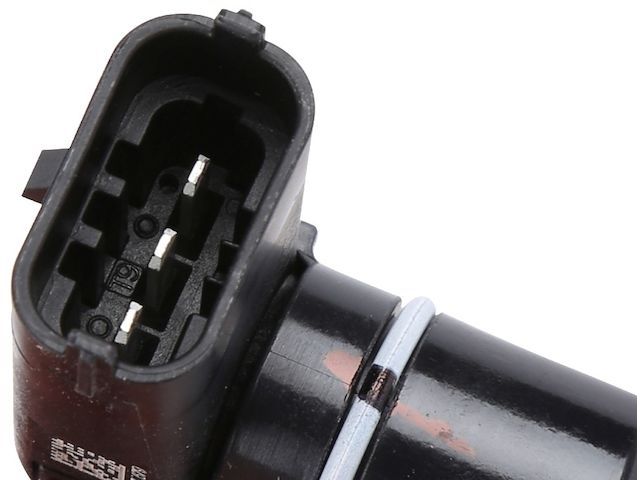
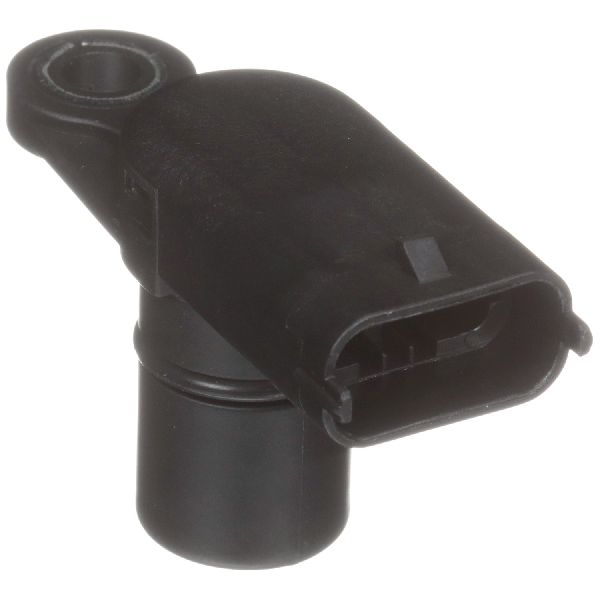
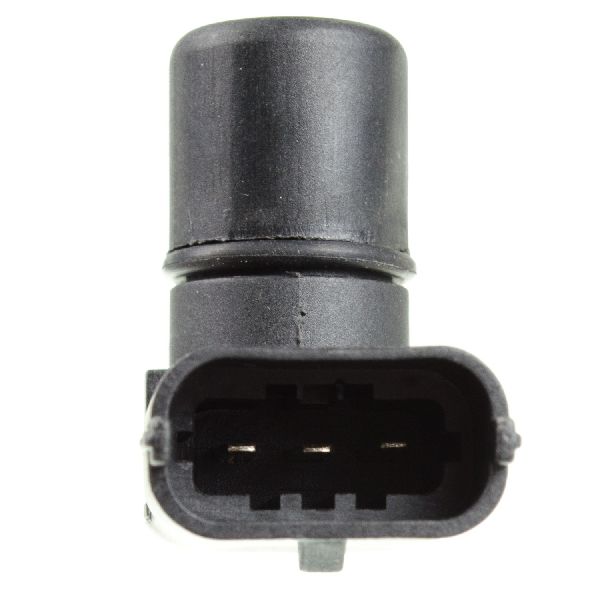
- Camshaft Position Actuator Solenoid (Exhaust)
(OEM #12655421)— This is the most common cause of P0014. It gets clogged or fails electronically, preventing correct VVT operation. This part number supersedes older versions like 12628348 and 12646784.
Trusted brands: ACDelco (GM Genuine)
OEM price range: $40-$60
Aftermarket price range: $25-$45 - Timing Chain Kit — Required if the timing chain has stretched, a known issue on the 3.6L V6, particularly the 2012 model year. This is a major repair and should include chains, guides, and tensioners.
Trusted brands: ACDelco, Cloyes
OEM price range: $400-$600
Aftermarket price range: $250-$400
Related Codes That Often Appear With This One
- P0011 — Intake Camshaft Position Timing - Over-Advanced (Bank 1). Seeing both together can point to an oil pressure/quality issue affecting the entire bank or a larger timing system problem.
- P0017 — Crankshaft Position - Camshaft Position Correlation (Bank 1 Exhaust). This code indicates a direct conflict between the crank and cam sensors, strongly suggesting a base timing issue like a stretched chain. A Reddit user with a 2012 SRX reported P0011, P0014, and P0017 together, pointing to a likely timing chain issue after solenoids were replaced with no success.
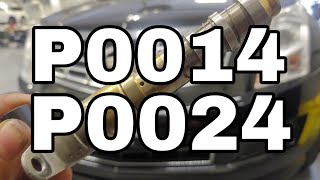
- P0021, P0024 — These are the equivalent intake and exhaust timing codes for Bank 2 (the front bank). If codes for both banks are present (e.g., P0014 and P0024), it strongly points to a systemic problem like low/dirty oil or a stretched timing chain.
Technical Service Bulletins (TSBs) & Recalls
- PIP5096C: Addresses inspection procedures for vehicles with P0011, P0014, P0021, and/or P0024 DTCs. Recommends replacing the solenoid with an updated part if a specific engine identifier is found.
- PIP5162: (Mentioned for other LFX platforms) Instructs to inspect and clean camshaft solenoid screens for debris for P0011/P0014.
- Special Coverage Adjustment 16115: (For LaCrosse/Impala LFX) Extends warranty on exhaust camshaft solenoids for P0014/P0024, showing manufacturer acknowledgement of the part failure.
Platform-Specific Known Issues

- Timing Chain Stretch: The 3.6L LFX V6 engine is known for premature timing chain wear, especially in the 2012 model year which used a less robust chain design. A P0014 code, especially when accompanied by other timing codes like P0011, P0017, or codes for the opposite bank, is a strong indicator of a stretched chain. The NHTSA owner complaint #11244964 for a 2013 model explicitly mentions this scenario, where codes P0011, P0014, P0016, P0018, and P0021 all appeared, pointing to a timing chain problem.
- TSB PIP5096C: This Technical Service Bulletin from GM addresses vehicles with a check engine light with codes P0011, P0014, P0021, or P0024 and no other drivability concerns. It instructs technicians to inspect the engine EUN sticker. If an "A" is present, it points towards a known issue with the solenoids from a specific supplier, recommending replacement.
Mechanic-Grade Diagnostic Values
- Camshaft Position Actuator Solenoid Resistance — expected: 8 to 12 Ohms at ~68°F (20°C).. Failure: A reading of infinite resistance (open circuit), near-zero resistance (short circuit), or a value significantly outside the expected range.
- Engine Oil Pressure (LFX V6, warm idle) — expected: Approximately 20-30 PSI.. Failure: Pressure consistently below 20 PSI at warm idle can be insufficient for proper VVT phaser operation and may indicate oil pump wear or other lubrication system issues.
- Camshaft Position Actuator Solenoid Valve Bolt Torque — expected: 10 N.m (89 lb in).. Failure: Improper torque can lead to oil leaks or damage to the solenoid or cylinder head.
Scan Tool Commands That Help
- GDS2 (GM Dealer Scan Tool): Camshaft Position Actuator Test — This bidirectional control allows a technician to manually command the solenoid on and off while monitoring camshaft angle data. If the ECM commands a change but the camshaft angle does not respond, it confirms a fault in the solenoid, oil passage, or phaser, helping to rule out wiring or ECM issues.
- GDS2 (GM Dealer Scan Tool): Camshaft Position Variation Learn — This function should be performed after replacing a camshaft, phaser, or timing chain. It allows the ECM to learn the new baseline positions of the valvetrain components to ensure accurate timing control and prevent false codes.
Wiring & Ground Locations
- Bank 1 Camshaft Position Actuator Solenoids — Bank 1 is the cylinder bank closer to the firewall. The two VVT solenoids are located on the front of that cylinder head (passenger side of the engine). The exhaust solenoid ('B' camshaft) is the lower of the two solenoids.. Correctly identifying Bank 1 and the specific exhaust solenoid is the first step to any physical diagnosis or replacement for code P0014.
- G100 Engine Ground — On similar 3.6L engines, a primary engine ground (G100) is located on the front of the left (Bank 2) cylinder head.. While not on Bank 1, a poor engine ground can introduce electrical noise and voltage drops that may affect sensor and actuator performance across the entire engine, including the Bank 1 VVT system. Checking all major engine grounds for clean, tight connections is a valid step in advanced electrical diagnosis.
Real Owner Repair Stories
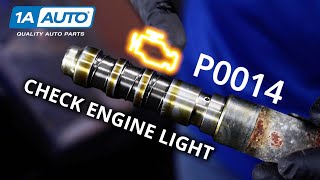
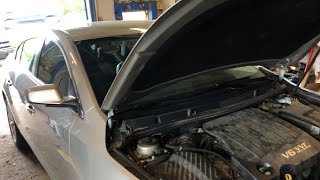
- YouTube channel 1A Auto (2012 Cadillac SRX 3.6L) — Check Engine Light with code P0014, rough running engine.
✅ What actually fixed it The video diagnosis confirmed that low/dirty oil is a primary cause. The fix shown is to first check the oil, then proceed to replace the Bank 1 exhaust camshaft position actuator solenoid and perform an oil change. Inspecting the old solenoid's screens for metal debris is critical to rule out deeper engine damage. - CAMARO6 forum user (Chevrolet Camaro 3.6L V6 (LFX/LGX)) — Check Engine Light with code P0014.
❌ Tried (didn't work) A mechanic replaced the timing chain to fix the code.
✅ What actually fixed it The P0014 code returned approximately 2,000 miles after the timing chain replacement. This indicates the root cause was not solely the chain itself. The final fix was not posted, but the experience serves as a critical warning that P0014 can be caused by underlying oil flow/pressure issues or faulty solenoids/phasers that are not always resolved by a chain replacement alone. - YouTube channel Carl's Garage (2015 Buick LaCrosse 3.6L V6 (LFX)) — Check Engine Light with code P0014 at only 46,000 miles, with no noticeable performance issues.
✅ What actually fixed it Replacing the Bank 1 exhaust VVT solenoid resolved the code. This story highlights that solenoid failure can occur at relatively low mileage and is not strictly a wear-and-tear issue on high-mileage engines.
"I Checked Everything" — The Actual Cause
- In a documented case on a similar GM 3.6L engine, a vehicle continued to set a P0014 code even after a complete timing chain replacement. The code returned after just 2,000 miles. This suggests that while a stretched chain is a common trigger, the actual root cause can be a persistent oil pressure or oil flow problem to the phaser, which a new chain does not fix. The problem may lie with a faulty phaser, a clogged oil gallery, or an issue with the oil pump that wasn't addressed during the timing chain service.
When the Usual Fixes Don't Work
- While a stretched timing chain is a significant concern for P0014 on this engine, it is not a guaranteed fix. A documented case exists where a full timing chain replacement was performed, only for the P0014 code to reappear 2,000 miles later. This strongly suggests that technicians should thoroughly investigate the VVT solenoids and verify proper oil pressure *before* committing to a timing chain replacement, as the code can persist if the underlying cause is a faulty solenoid or an oil delivery issue that wasn't addressed.
OEM Part Supersession History
12628348, 12646784→12655421— Part improvement to address reliability issues noted in TSBs like PIP5096C.12655421→12679100— Standard part lifecycle update by GM.
Heads up: When ordering, it is critical to use the latest part number (12679100 for exhaust) to ensure you receive the most current revision.
Model Year Variations Within This Range
- 2012: The 2012 model year LFX engine is noted for using an earlier, less robust timing chain design carried over from the previous LLT engine. This makes the 2012 SRX more susceptible to premature timing chain stretch compared to the 2013-2015 models, which received an updated chain design. GM issued a bulletin in late 2012 announcing new timing chain service kits, confirming this transition period.
Helpful Videos


We Have This Part in Stock


The information in this article is provided for general reference and educational purposes only. Vehicle specifications, procedures, and part compatibility can vary by production date, trim level, and region. Always consult your vehicle's factory service manual and verify part numbers before purchasing or performing repairs. Safety-critical components such as airbags, seat belts, and braking systems should be installed by a qualified professional.
- Cadillac SRX:
- 🎬 Helpful Videos
- 🛍️ Shop This Part
- What's Unique About the 2012-2015 Cadillac SRX
- Diagnostic Flowchart
- Symptoms You May Notice
- Most Likely Causes
- Rare But Worth Checking
- Diagnosis Steps
- Parts You'll Likely Need
- Related Codes That Often Appear With This One
- Technical Service Bulletins (TSBs) & Recalls
- Platform-Specific Known Issues
- Mechanic-Grade Diagnostic Values
- Scan Tool Commands That Help
- Wiring & Ground Locations
- Real Owner Repair Stories
- "I Checked Everything" — The Actual Cause
- When the Usual Fixes Don't Work
- OEM Part Supersession History
- Model Year Variations Within This Range
- 🎟️ Get 5% Off