

P0014 on 2012-2019 Cadillac CTS: Causes and Fixes for Over-Advanced Cam Timing
On a 2012-2019 Cadillac CTS, code P0014 is most often caused by a faulty or dirty Bank 1 exhaust camshaft position actuator solenoid. This is a relatively inexpensive part (~$30-$75) and is easy to replace for most DIYers. Low or dirty oil is a primary contributor to this failure.
- P0014 on your CTS most likely means the Bank 1 exhaust camshaft actuator solenoid is failing or clogged.
- Before buying parts, always check your engine oil level and condition. A simple oil change can sometimes fix the problem.
- A simple and effective diagnostic step is to swap the exhaust and intake solenoids on Bank 1 to see if the trouble code follows the part.
- Replacing the solenoid is a beginner-friendly DIY job that requires basic tools and can save you hundreds in labor costs.
- Always use the correct, manufacturer-specified engine oil to prevent VVT system problems.
What's Unique About the 2012-2019 Cadillac CTS

GM engines of this era, specifically the 3.6L LFX/LGX and 2.0T LTG, are known to be sensitive to oil quality and level, which directly impacts the hydraulic VVT system. Several Technical Service Bulletins (TSBs) have been issued for P0014 and related codes, specifically pointing technicians to inspect the camshaft actuator solenoid screens for debris or to replace the solenoids with updated parts from a different supplier. This indicates a known pattern of solenoid issues on these engines, making it the most likely culprit rather than a more serious timing chain problem.
Diagnostic Flowchart
Tap your situation to follow the diagnostic path that matches what you're seeing on this vehicle.
Generation note: This range covers the end of the second generation (2012-2013/14) and the entire third generation (2014-2019) of the Cadillac CTS. Both generations used engines with VVT systems (like the 3.6L LFX V6 and 2.0T LTG I4) that are susceptible to this code, and the primary causes are consistent across these powerplants.
Symptoms You May Notice
- Check Engine Light is on
- Rough idle or stalling at low speeds
- Poor acceleration and loss of power
- Decreased fuel economy
- Hard starting
- Rattling, ticking, or clattering noise from the engine
- Replacing the camshaft position *sensor* instead of the camshaft position actuator *solenoid*. The sensor's job is to read the camshaft's position, while the solenoid's job is to control it. P0014 is a control/performance code, almost always related to the solenoid, oil pressure, or a mechanical timing issue.
Most Likely Causes

- Dirty or Failed Camshaft Position Actuator Solenoid (Exhaust, Bank 1) 🔴 High Probability This is a well-documented issue. TSB #PIP5162 directly instructs technicians to inspect and clean the solenoid screens for debris. TSB #PIP5096C suggests that for certain engines (identifiable by a sticker), a replacement solenoid from a different supplier is required to correct a clearance issue causing the code. These solenoids get clogged by oil sludge or fail electrically.
How to confirm: First, check oil level and quality. Then, swap the Bank 1 exhaust solenoid (passenger side, lower position on V6) with the Bank 1 intake solenoid (passenger side, upper position). If the code changes to P0011 (Intake Cam Position), the solenoid is faulty. You can also test the solenoid's resistance with a multimeter; it should be between 8-12 ohms. A reading outside this range indicates failure. Visually inspect the screens for sludge or metallic debris upon removal.
Typical fix: Replace the Bank 1 exhaust camshaft position actuator solenoid. Many owners choose to replace all four solenoids (on V6 models) at once as a preventative measure, since if one has failed, the others may be nearing the end of their service life.
Est. part cost: $30-$75 - Low or Dirty Engine Oil 🔴 High Probability The VVT system is entirely dependent on oil pressure to function. GM's own TSBs point to debris in oil clogging the fine mesh screens on the actuator solenoids as a primary cause. Neglected oil changes or using the wrong viscosity oil leads to sludge and blockages.
How to confirm: Check the oil level on the dipstick. If it's low, top it off, clear the code, and see if it returns. A Reddit user noted their P0014 code was triggered when the oil level was so low it didn't register on the dipstick. Inspect the oil's color and consistency. If it is dark, thick, or sludgy, it's overdue for a change.
Typical fix: Perform an engine oil and filter change using a high-quality, full-synthetic oil that meets GM's dexos specification (e.g., 5W-30 for most 3.6L and 2.0T engines).
Est. part cost: $50-$100 - Stretched Timing Chain ⚪ Low Probability While the timing chain issues of the earlier 3.6L LLT engine were largely corrected in the LFX, stretching can still occur with very high mileage or severe maintenance neglect. It is a much less common cause for P0014 on these later engines compared to solenoids.
How to confirm: This is an advanced diagnosis. A key symptom is a rattling noise on startup that goes away after a few seconds. A mechanic can use a scan tool to view camshaft position deviation data to see if the actual and desired positions are out of sync beyond what a solenoid could cause. Physical inspection is the ultimate confirmation but is very labor-intensive.
Typical fix: Replace the timing chains, tensioners, and guides. This is a major and expensive repair, often costing over $2,000.
Est. part cost: $400-$800
Rare But Worth Checking
- Faulty Camshaft Phaser (Actuator): The phaser is the gear at the end of the camshaft that is hydraulically adjusted by the solenoid. It can fail mechanically (e.g., get stuck) but this is far less common than a solenoid or oil issue. TSB #PIP5162 mentions replacing the actuator if cleaning passages and replacing the solenoid doesn't resolve the code.
- Wiring or Connector Issue: Damage to the wiring harness or a loose/corroded connector at the solenoid can interrupt the signal from the ECM. A user on the ScannerDanner forum noted a case where commanding the exhaust cam actually moved the intake cam, suggesting crossed connectors or a wiring fault.
Diagnosis Steps

- Check the engine oil level and condition. If it is low or dirty, perform an oil and filter change with the correct spec oil, clear the code, and drive to see if it returns.
- Scan for any other DTCs. Codes for other camshafts (P0011, P0021, P0024) can point to a systemic oil issue.
- Inspect the wiring and connector for the Bank 1 exhaust camshaft actuator solenoid for any visible damage, corrosion, or oil contamination.
- Locate the Bank 1 (passenger side) exhaust solenoid. On the 3.6L V6, it is the lower of the two solenoids on the front of the passenger-side cylinder head.
- A common and effective diagnostic trick is to swap the exhaust solenoid with the intake solenoid (the one above it). Clear the codes and drive the vehicle. If the code changes to P0011 ('A' Camshaft Position), the solenoid you moved is confirmed faulty and needs to be replaced.
- If the code does not change, remove the exhaust solenoid again. You can test its resistance with a multimeter; the spec is typically 8-12 ohms. Carefully inspect the small mesh screens for sludge or metallic debris, as recommended by TSB #PIP5162. You can try cleaning it with brake cleaner, but replacement is often the more reliable fix.
- If a new solenoid and clean oil do not fix the issue, the problem is likely more complex, such as a faulty camshaft phaser or a stretched timing chain, which typically requires professional diagnosis with advanced scan tools or physical inspection.
Parts You'll Likely Need

- Exhaust Camshaft Position Actuator Solenoid (Bank 1)
(OEM #12655421 (often superseded by 12679100 or similar))— This is the most frequent failure point for code P0014 on these engines, as confirmed by TSBs and countless owner experiences. It gets clogged with debris or fails electrically.
Trusted brands: ACDelco (OEM), Delphi
OEM price range: $40-$75
Aftermarket price range: $25-$50
Related Codes That Often Appear With This One
- P0011 — Intake camshaft timing code for the same bank (Bank 1). If both appear, it could point to a more significant issue like low oil pressure or a timing chain problem affecting the entire bank. TSB #PIP5568E notes these codes can set in pairs.
- P0024 — Exhaust camshaft timing code for Bank 2 (driver's side on V6). If P0014 and P0024 appear together, it suggests a systemic problem like oil pressure/quality affecting both banks. GM issued Special Coverage Adjustment 16115 for some 3.6L LFX vehicles for this exact pair of codes.
Technical Service Bulletins (TSBs) & Recalls
- PIP5568E: Investigation into DTCs P0011, P0014, P0021, P0024 setting together.
- PIP5162: Instructs to inspect and clean camshaft solenoid screens for debris for P0011/P0014.
- PIP5096C: Recommends replacing the solenoid with a specific service part from a different supplier if certain engine identifiers are present.
- Special Coverage Adjustment
Platform-Specific Known Issues
- TSB #PIP5162: Specifically mentions DTC P0014 on 2.0T and 2.5L engines (including CTS) and advises technicians to remove the camshaft solenoids, inspect the screens for debris, and clean them with brake cleaner. If that fails, it suggests blowing out oil passages and potentially replacing the actuator (phaser).
- TSB #PIP5096C: Notes that for codes P0011, P0014, P0021, or P0024 on 3.0L and 3.6L LFX engines with no drivability issues, technicians should inspect the engine's EUN sticker. If it has an 'A' prefix, the solenoid should be replaced with a specific 'service' valve from a different supplier to resolve a potential clearance issue. It explicitly warns 'DO NOT JUST SWAP FROM ANOTHER LOCATION' in this specific case.
- TSB #PIP5568E: Acknowledges an investigation into these codes setting together or in pairs (e.g., P0011 and P0014) and causing drivability concerns, confirming this is a known pattern for GM.
- Special Coverage Adjustment 16115: GM issued this for some 2014 3.6L LFX vehicles (Buick LaCrosse, Chevy Impala), extending the warranty to 10 years/120,000 miles for sticking exhaust camshaft solenoids causing P0014/P0024. While not explicitly for the CTS, it demonstrates GM's acknowledgement of this exact failure on the same engine family.
Mechanic-Grade Diagnostic Values
- Camshaft Position Actuator Solenoid Resistance (3.6L V6) — expected: Exhaust (Bank 1 or 2): ~9 Ohms; Intake (Bank 1 or 2): ~12 Ohms. Failure: A reading significantly outside this range, or an open/short circuit, indicates a failed solenoid.
Scan Tool Commands That Help
- GDS2 / Professional Scan Tool: Camshaft Position Actuator / Active Test — Use this bidirectional control to command a specific camshaft phaser (e.g., Exhaust Bank 1) to advance or retard. This verifies if the ECM, wiring, and solenoid are functioning correctly. A technician on a forum noted that when commanding the exhaust cam, the intake cam responded, pointing to swapped connectors or a wiring fault.
- GDS2 / Professional Scan Tool: Observe Camshaft Control State — On some GM vehicles, if the ECM detects a significant correlation issue between camshafts, it may lock the VVT system and disable bidirectional control until the DTCs are cleared. Observing that the actuators cannot be commanded can be a diagnostic clue in itself.
Wiring & Ground Locations
- ECM Connector C1, Pin 13 — On the main Engine Control Module (ECM). For a 2006 model, this was a Light Green wire.. This is the specific control circuit (5282) for the Bank 1 Exhaust Camshaft Actuator Solenoid. Testing for signal and continuity at this pin can isolate a wiring fault between the ECM and the solenoid.
- Engine Ground Straps — On the 3.6L V6, there are ground straps attached to the front of the passenger-side cylinder head via 10mm bolts, near the VVT solenoids and ECU mounting bracket.. A poor engine block ground can cause widespread electrical issues and erratic sensor readings. Ensuring these specific grounds near the VVT system are clean and tight is a critical step in diagnosing electrical faults.
Real Owner Repair Stories
- ScannerDanner Forum (2011 Cadillac CTS 3.6L V6) — P0014 code, vehicle missing and entering 'Reduced Power' mode at wide-open throttle.
❌ Tried (didn't work) Visual inspection of oil and solenoids showed no issues.
✅ What actually fixed it The root cause was identified during a bidirectional scan tool test. When commanding the Bank 1 exhaust camshaft to change position, the scan tool data showed the Bank 1 *intake* camshaft was moving instead. The final diagnosis was either the intake and exhaust solenoid connectors on Bank 1 were swapped, or there was a wiring fault between the ECM and the connectors. - YouTube video by 'Easily Fix' (2014 Cadillac CTS 3.6L V6 with 80,000 miles) — P0011 and P0014 codes present.
❌ Tried (didn't work) The user did not report trying other fixes first.
✅ What actually fixed it The owner replaced all four camshaft position actuator solenoids as a preventative measure, stating that if one has failed, the others are likely near the end of their service life. This resolved the codes.
OEM Part Supersession History
12655421→12679100— Part revision and update by the manufacturer. This is a common pattern for parts with known failure modes.
Heads up: The new part number (12679100) is the correct service replacement for the old one (12655421) and also replaces prior numbers like 12628348 and 12646784.
Model Year Variations Within This Range
- 2012-2019: The 3.6L LFX engine in the RWD CTS has different external components than the same LFX engine used in FWD/AWD applications like the Cadillac SRX. Key differences include the intake manifold (throttle body location), water outlet housing, and oil filter housing. This is critical information if sourcing a used engine for a swap, as accessories will need to be transferred from the original RWD engine.
Helpful Videos
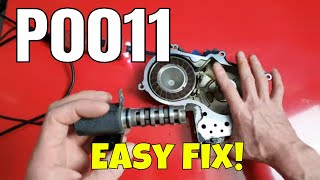
![How to Fix P0014 Engine Code in 4 Minutes [2 DIY Methods / Only $6.74]](https://img.youtube.com/vi/olrC8UYw9cQ/mqdefault.jpg)

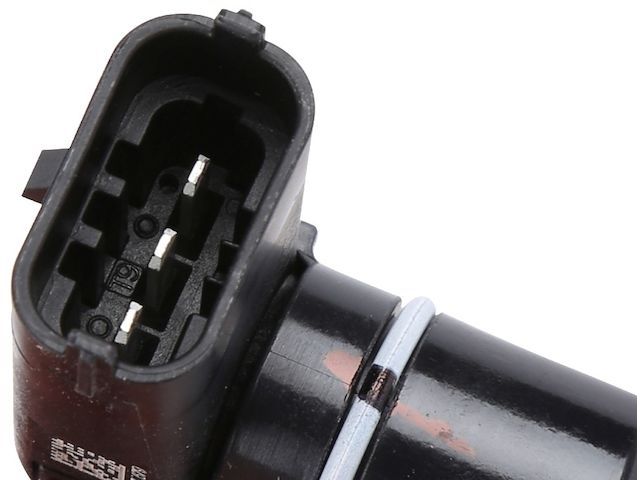
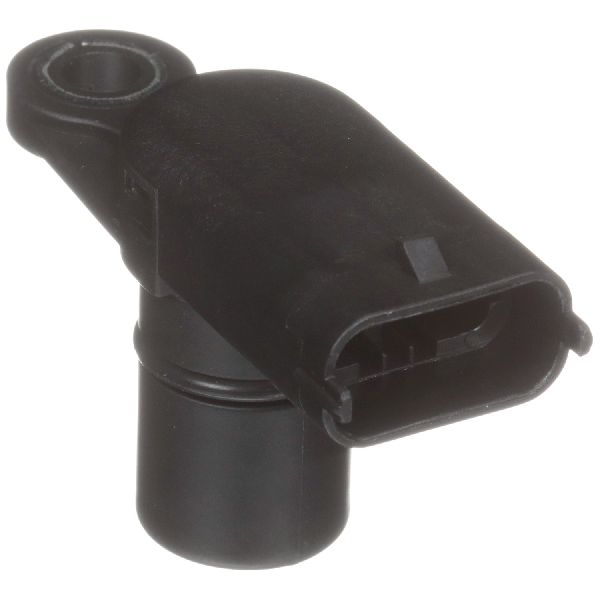
We Have This Part in Stock


The information in this article is provided for general reference and educational purposes only. Vehicle specifications, procedures, and part compatibility can vary by production date, trim level, and region. Always consult your vehicle's factory service manual and verify part numbers before purchasing or performing repairs. Safety-critical components such as airbags, seat belts, and braking systems should be installed by a qualified professional.
- Cadillac CTS:
- 🎬 Helpful Videos
- 🛍️ Shop This Part
- What's Unique About the 2012-2019 Cadillac CTS
- Diagnostic Flowchart
- Symptoms You May Notice
- Most Likely Causes
- Rare But Worth Checking
- Diagnosis Steps
- Parts You'll Likely Need
- Related Codes That Often Appear With This One
- Technical Service Bulletins (TSBs) & Recalls
- Platform-Specific Known Issues
- Mechanic-Grade Diagnostic Values
- Scan Tool Commands That Help
- Wiring & Ground Locations
- Real Owner Repair Stories
- OEM Part Supersession History
- Model Year Variations Within This Range
- 🎟️ Get 5% Off