

P0012 on 2009-2011 Mitsubishi Lancer Ralliart: Causes for Over-Retarded Cam Timing
For a 2009-2011 Lancer Ralliart, P0012 is most often caused by low or dirty engine oil, a faulty MIVEC oil control valve (solenoid), or a stretched timing chain. A known TSB also indicates the code can be set falsely due to an ECM software error, which requires a dealer reprogram.
- Before performing any repairs for P0012, check your engine oil level and condition. An oil change is a simple and often effective first step.
- Be aware of TSB-12-13-006. A false code due to a software glitch is a known issue on these cars and the fix is a dealer reprogram.
- A stretched timing chain is a very common mechanical failure leading to P0012 on the Lancer Ralliart.
- The MIVEC oil control valve (solenoid) is another frequent culprit; it can often be cleaned, but may require replacement.
What's Unique About the 2009-2011 Mitsubishi LANCER SPORTBACK RALLIART
The Lancer Ralliart uses Mitsubishi's MIVEC (Mitsubishi Innovative Valve timing Electronic Control) system, which is highly dependent on oil pressure and cleanliness. A key issue for this specific vehicle range is a Technical Service Bulletin (TSB-12-13-006) issued by Mitsubishi for models built before January 27, 2011. It states that an incorrect parameter in the ECM's software can cause a false P0012 code to be set, often showing an "ENGINE SYSTEM SERVICE REQUIRED" message without the main Check Engine Light. Additionally, the 4B11T engine in these cars, particularly pre-2011 models with the original 'v1' chain, is known to be susceptible to timing chain stretch, which is a primary mechanical cause for this code.
Diagnostic Flowchart
Tap your situation to follow the diagnostic path that matches what you're seeing on this vehicle.
Symptoms You May Notice
- "ENGINE SYSTEM SERVICE REQUIRED" message on the multi-information display (MID), often without the main Check Engine Light being on
- Check Engine Light is on
- Rough or unstable idle, especially when coming to a stop
- Engine stalling when coming to a stop
- Poor acceleration and reduced engine power
- Decreased fuel economy
- Hard starting
- Rattling or clattering noise from the engine, especially on startup, indicating a loose timing chain
- Replacing the camshaft position sensor when the actual problem is a clogged oil control valve solenoid or low engine oil.
- Replacing the timing chain without first checking for the ECM software update outlined in TSB-12-13-006, which can cause a false code.
- Replacing a stretched timing chain but failing to reset the 'Timing Chain Learned Value' in the ECM, causing the P0012 code to return immediately.
Most Likely Causes
- Incorrect ECM Software Parameter 🔴 High Probability TSB-12-13-006 was issued for 2009-2011 models built before Jan 27, 2011. The ECM's judgment criteria for timing chain elongation is too sensitive, causing a false P0012 code even when the chain is within spec.
How to confirm: A Mitsubishi dealer can check your VIN to see if the TSB applies and if the reprogram has been performed. The TSB notes this fault often occurs without a Check Engine Light, only the MID warning.
Typical fix: The ECM must be reprogrammed by a Mitsubishi dealer or a qualified shop with a MUT-III tool to install the updated software. This is often the first step before any mechanical repairs.
Est. part cost: $0 - Low or Dirty Engine Oil 🔴 High Probability The MIVEC (VVT) system is hydraulic. Low, dirty, or incorrect viscosity oil can clog passages in the Oil Control Valve (OCV) and cam phaser, preventing them from operating correctly and causing the cam to be retarded.
How to confirm: Check the engine oil dipstick for level and inspect the oil's condition. If it's dark, gritty, below the 'low' mark, or past its change interval, this is a likely and easy-to-fix cause.
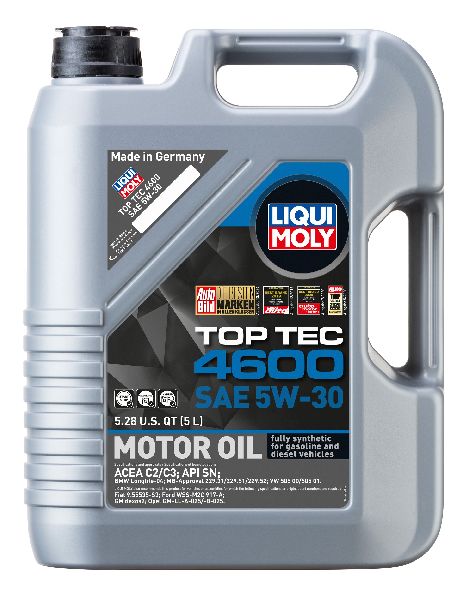
Typical fix: Perform an oil and filter change using a high-quality full synthetic oil of the manufacturer-recommended viscosity (e.g., 5W-30).
Est. part cost: $40-$80 - Stretched Timing Chain 🟡 Medium Probability The 4B11T engine, especially in pre-2011 models, is known for timing chain elongation. Hard driving and infrequent oil changes accelerate wear. A stretched chain alters base timing beyond what the MIVEC system can compensate for.
How to confirm: A visual inspection of the timing chain tensioner is the primary method; if the tensioner piston is fully extended, the chain is stretched. A rattling noise on cold starts is also a common symptom. The service manual provides a specific visual check procedure. 🎬 Watch: Expert tips and traps for Mitsubishi cam chain service
Typical fix: Replace the timing chain, guides, and tensioner. Per TSB-12-13-006, the oil pump chain should also be replaced. CRITICAL: After replacement, the ECM's learned value for chain elongation MUST be reset using a MUT-III scan tool.
Est. part cost: $200-$500 - Faulty MIVEC Oil Control Valve (OCV) / Solenoid 🟡 Medium Probability This solenoid controls oil flow to the cam phaser. It can become clogged with sludge from dirty oil or fail electrically, getting stuck and preventing the cam from advancing.
How to confirm: Remove the valve (located on the cylinder head) and inspect its filter screen for debris. You can test its operation by applying 12V to its terminals to see if the internal plunger clicks. Resistance can also be measured with a multimeter (should be 6.9-7.9 ohms at 20°C/68°F).
Typical fix: Clean the valve and its passages with brake cleaner. If cleaning doesn't work, it fails electrical tests, or the filter is full of metal, it must be replaced.
Est. part cost: $150-$300
Rare But Worth Checking
- Faulty Camshaft Position Sensor: While less common than an OCV failure, the sensor that reads the camshaft's position can fail, sending incorrect data to the ECM. This is often a process-of-elimination diagnosis after other causes are ruled out.
- Failed Camshaft Phaser (MIVEC Gear): The actuator gear on the camshaft itself can fail mechanically, getting stuck or developing internal leaks. This is a more involved and expensive repair, often diagnosed after all other potential causes are eliminated.
Diagnosis Steps
- Check the engine oil level and condition. An oil and filter change is the cheapest and easiest first step.
- Scan the ECM for any other stored trouble codes to get a full picture of any issues.
- Contact a Mitsubishi dealer with your VIN to determine if TSB-12-13-006 applies to your vehicle (built before Jan 27, 2011) and if the reprogram has been performed. If not, this is the highest priority action.
- Inspect the wiring and connector for the intake MIVEC oil control valve (OCV) for any damage or corrosion.
- Remove and inspect the intake OCV. 🎬 Watch: How to replace the intake variable valve timing solenoid Check the small filter screens for sludge or metallic debris. Clean if necessary.
- Test the OCV's resistance with a multimeter (should be 6.9-7.9 ohms at 20°C/68°F) and function by applying 12V to see if it actuates.
- If the OCV is functioning and the ECM software is up to date, perform a visual inspection of the timing chain for elongation by checking the tensioner's position.
- If the chain is confirmed to be stretched, it must be replaced along with the oil pump chain.
- After replacing the timing chain, ensure the 'Timing Chain Learned Value' is reset in the ECM using a Mitsubishi-specific scan tool (MUT-III).
Parts You'll Likely Need
- MIVEC Oil Control Valve / VVT Solenoid
(OEM #1028A021)— This solenoid is a common failure point, either by getting clogged with oil sludge or failing electrically, directly causing incorrect cam timing.
Trusted brands: Mitsubishi Genuine, Dorman, Standard Motor Products
OEM price range: $250-$390
Aftermarket price range: $50-$150 - Timing Chain Kit — The timing chain on the 4B11T engine is a known wear item that can stretch, causing this code, especially on pre-2011 models. A kit typically includes the chain, tensioner, and guides.
Trusted brands: Mitsubishi Genuine, MAPerformance (often includes upgraded tensioners), Cloyes
OEM price range: $300-$500
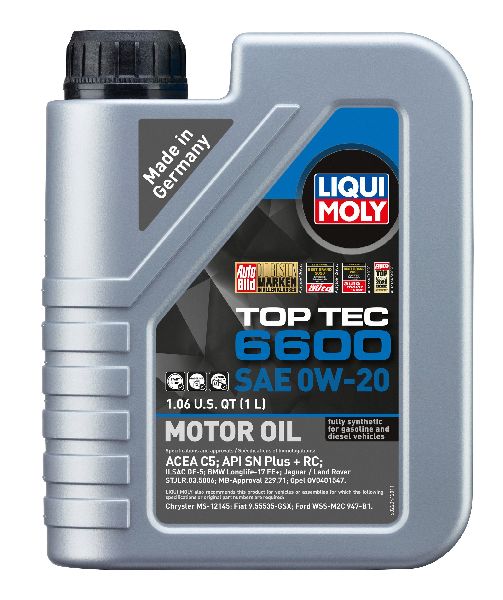
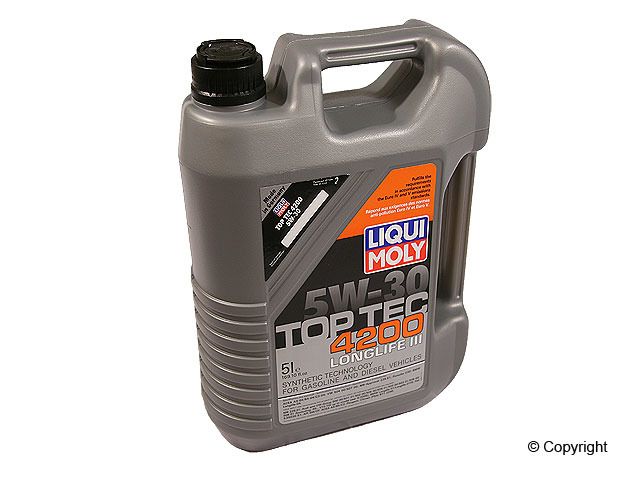
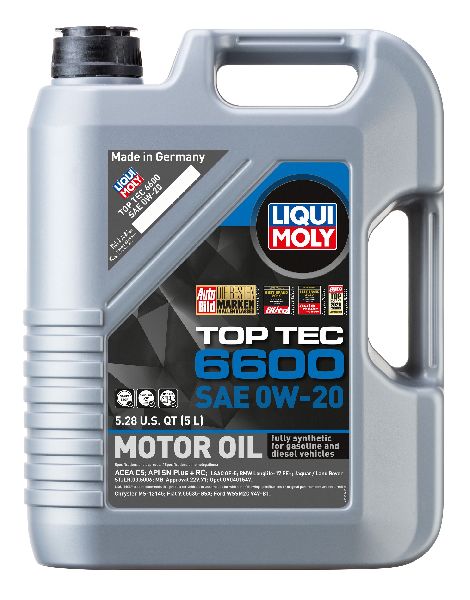
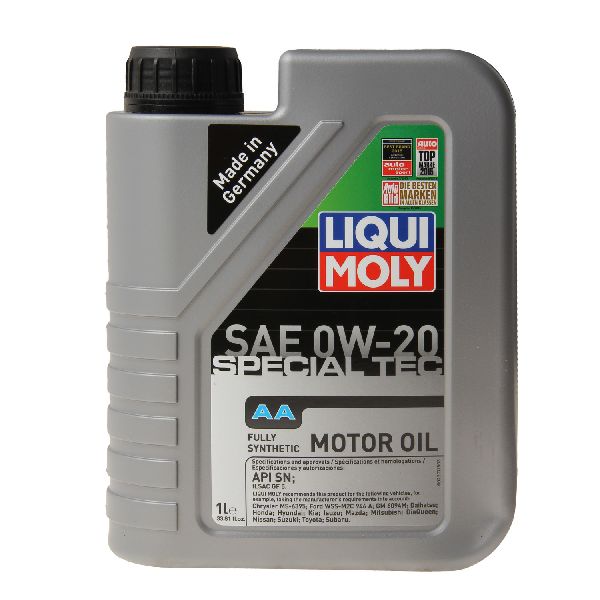
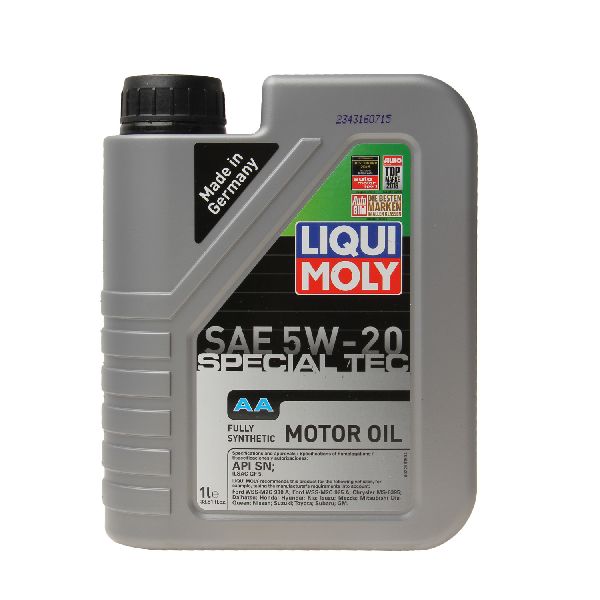
Aftermarket price range: $150-$250 - Engine Oil and Filter — The MIVEC system is highly sensitive to oil quality and level. An oil change is the first and cheapest step in diagnosis and is often the fix.
Trusted brands: Mobil 1, Castrol EDGE, Pennzoil Platinum
OEM price range: $60-$100
Aftermarket price range: $40-$80
Technical Service Bulletins (TSBs) & Recalls
- TSB-12-13-006: States that an incorrect parameter in the ECM can cause a false P0012 code, requiring a software reprogram. It also provides a diagnostic flow: reprogram first, then check mechanical components like the timing chain and OCV if the issue persists.
- TSB-11-13-007: Superseded by TSB-12-13-006, this was an earlier version of the same bulletin
Platform-Specific Known Issues
- TSB-12-13-006: False P0012 Detection: A bulletin was issued for 2009-2011 Lancer Ralliart and Evolution models built before January 27, 2011. The ECM software has overly sensitive judgment criteria for timing chain stretch, causing it to store P0012 and display an "ENGINE SYSTEM SERVICE REQUIRED" message (often without the MIL) even when no mechanical fault exists. The official fix is to reprogram the ECM with updated software.
- Premature Timing Chain Stretch: The original timing chain installed in 4B11T engines in pre-2011 models is known to be more prone to stretching over time compared to later revisions. This is a common mechanical failure leading to P0012 once the stretch exceeds the MIVEC system's ability to compensate.
Mechanic-Grade Diagnostic Values
- Intake MIVEC Oil Feeder Control Valve Resistance — expected: 6.9 - 7.9 Ω (at 20°C / 68°F). Failure: A reading outside this range indicates a faulty solenoid coil.
Scan Tool Commands That Help
- Mitsubishi MUT-IIISE: Timing chain maintenance -> Learned value reset — This function is critical and MUST be performed after replacing the timing chain. The ECM stores a learned value for chain elongation; failing to reset it will cause P0012 to return even with a new chain, as the ECM will still operate based on the old, stretched chain's data.
- Mitsubishi MUT-IIISE: ECU Reprogramming — Used to apply the software update specified in TSB-12-13-006 for vehicles built before Jan 27, 2011. This should be the first step in diagnosis for applicable vehicles, as it may resolve the false P0012 code without mechanical repairs.
Wiring & Ground Locations
- Engine Ground (Timing Cover) — A primary factory ground point is located on the engine block near the timing belt/chain cover.. A poor ground at this location can cause erratic voltage signals for sensors mounted on the engine, including the camshaft and crankshaft position sensors, potentially leading to incorrect readings and timing-related fault codes.
- Intake Manifold Ground — The intake manifold serves as a grounding point for some sensors.. Although the manifold is bolted to the head, relying on these bolts for a ground path can be problematic. A dedicated, clean ground strap to the manifold ensures stable sensor operation. Issues here could affect the MIVEC solenoid's performance.
- Chassis Grounds (Left & Right) — Main grounding points are located on the chassis on both the left and right sides of the engine bay.. These are the primary return paths for the entire engine electrical system, including the ECU. Corrosion or looseness at these points can cause a wide range of intermittent and difficult-to-diagnose electrical issues, including false sensor readings.
Real Owner Repair Stories
- EvolutionM Forum user 'Mitsu_1984' (2009 Ralliart, ~82,000 miles) — Random P0012 code, especially when coming to a stop at a traffic light. The "triangle of death" service light would appear.
❌ Tried (didn't work) The dealer diagnosed a stretched timing chain and replaced it.
✅ What actually fixed it The P0012 code returned a few days after the timing chain replacement. Another user suggested the dealer likely forgot to perform the "Timing Chain Maintenance" monitor reset in the ECU using the MUT-III tool. This failure to reset the learned value is a common cause for the code returning immediately after a chain replacement. - EvolutionM Forum user 'normalkai' (2010 Mitsubishi Ralliart Sportback, 130,000 miles) — Red triangle with '!' warning light on the dash, indicating a timing fault (P0012).
❌ Tried (didn't work) The user went straight for the known common failure.
✅ What actually fixed it The user identified that the pre-2011 models had the older, stretch-prone timing chain. They replaced the timing chain, tensioners, and guides. Upon removing the old chain, they noted it had almost an inch more slack than the new one. The replacement resolved the code and the engine ran smoothly afterward.
OEM Part Supersession History
Unknown (Pre-2011 chain)→1140A073— The original timing chain was prone to premature stretching. The revised part (1140A073) is an updated design to improve durability.
Heads up: Vehicles built before January 27, 2011 likely have the original, stretch-prone chain and should be updated to the new part number if a replacement is needed.
Model Year Variations Within This Range
- 2009-2010 (and early 2011): Vehicles built before January 27, 2011, are subject to TSB-12-13-006 for a false P0012 code and were equipped with an earlier version of the timing chain that is more prone to stretching. Later 2011 models have the updated chain and ECM software from the factory.
Helpful Videos
![How to Fix P0012 Engine Code in 4 Minutes [2 DIY Methods / Only $6.86]](https://img.youtube.com/vi/Pu-PR3uhV5Q/mqdefault.jpg)
We Have This Part in Stock

The information in this article is provided for general reference and educational purposes only. Vehicle specifications, procedures, and part compatibility can vary by production date, trim level, and region. Always consult your vehicle's factory service manual and verify part numbers before purchasing or performing repairs. Safety-critical components such as airbags, seat belts, and braking systems should be installed by a qualified professional.
- Mitsubishi LANCER SPORTBACK RALLIART:
- 🎬 Helpful Videos
- 🛍️ Shop This Part
- What's Unique About the 2009-2011 Mitsubishi LANCER SPORTBACK RALLIART
- Diagnostic Flowchart
- Symptoms You May Notice
- Most Likely Causes
- Rare But Worth Checking
- Diagnosis Steps
- Parts You'll Likely Need
- Technical Service Bulletins (TSBs) & Recalls
- Platform-Specific Known Issues
- Mechanic-Grade Diagnostic Values
- Scan Tool Commands That Help
- Wiring & Ground Locations
- Real Owner Repair Stories
- OEM Part Supersession History
- Model Year Variations Within This Range
- 🎟️ Get 5% Off