

P0011 on 2016 Volkswagen GTI: Causes and Fixes for Over-Advanced Camshaft Timing
On a 2016 VW GTI, code P0011 is most often caused by low/dirty engine oil or a failing camshaft adjuster magnet (solenoid). First, check your oil level and condition. If the oil is fine, the next likely fix is replacing the camshaft adjuster magnet with the updated part (OEM# 06L109259D), which costs about $30-$60. This is a common and simple DIY fix.
- For a P0011 code on your 2016 GTI, the first step is always to check your engine oil. Low or dirty oil is a primary cause.
- The most common failed part is the Camshaft Adjuster Magnet (Part #06L109259D), which is affordable and relatively easy to replace.
- Symptoms include a rough idle, stalling, and poor acceleration. Do not ignore the code, as it can lead to more significant engine problems.
- If an oil change and new adjuster magnet don't fix the issue, the N205 central valve is the next likely culprit, though it requires a special tool to replace.
- While a stretched timing chain is a possible cause, it is less common on this specific engine generation than on older VW 2.0T engines.
What's Unique About the 2016-2016 Volkswagen GTI

The 2016 GTI uses the Gen 3 version of the EA888 2.0T engine. While earlier generations of this engine had notable timing chain tensioner issues, the Gen 3 is less prone to them. For this specific model, P0011 is very frequently linked to the oil-pressure-controlled VVT system, specifically the camshaft adjuster magnet (a solenoid) or the central control valve (N205). The original camshaft adjuster magnet (part # 06L109259A) is a known failure point, and an updated part was released to address this. These components can get clogged with oil sludge or fail electronically, leading to incorrect timing adjustments.
Diagnostic Flowchart
Tap your situation to follow the diagnostic path that matches what you're seeing on this vehicle.
Symptoms You May Notice
- Check Engine Light is on
- Rough or surging idle, sometimes described as a 'lumpy' or 'cammed' idle.
- Engine stalling, especially when coming to a stop.
- Poor acceleration or sluggish performance
- Reduced fuel economy
- Rattling, ticking, or diesel-like noise from the engine, especially during deceleration or at low RPM.
- Juddering or misfiring at idle that may temporarily clear with acceleration.
- Replacing the camshaft position sensor first. While it's part of the system, the oil control solenoids (adjuster magnet and N205 valve) are far more common failure points for this specific code on this engine.
- Immediately assuming a stretched timing chain. On the Gen 3 EA888, the VVT control components should be thoroughly checked before condemning the timing chain, as they are much more common culprits and far easier to fix.
Most Likely Causes

- Low or Dirty Engine Oil 🔴 High Probability The VVT system is hydraulically operated by engine oil. Long oil change intervals or oil consumption can lead to low levels or degraded, sludgy oil that clogs the system's small passages and solenoids.
How to confirm: Check the engine oil level on the dipstick and inspect its color and consistency. If it's low, black, or thick, it needs to be changed.
Typical fix: Top up the oil or perform a complete oil and filter change using a VW-approved synthetic oil (e.g., VW 502 00 or 504 00 spec). Clear codes and re-test.
Est. part cost: $40-$90 - Failed Camshaft Adjuster Magnet (Solenoid) 🔴 High Probability This solenoid controls oil flow to the timing adjuster. The original part (06L109259A) is a very common failure item. Its internal plunger can get stuck from oil debris or simply fail over time. An updated part (06L109259D) was issued to improve reliability.
How to confirm: Remove the magnet (held by three T30 Torx screws). A healthy magnet's center pin should move freely and rattle when shaken. If it's stuck, sluggish, or silent, it has failed. You can also test it with a 12V power source to see if it actuates, or unplug it while the engine is idling roughly; if the idle smooths out, the magnet is likely the culprit.
Typical fix: Replace the camshaft adjuster magnet. It's a simple and accessible part on the front of the engine, typically a 15-minute job.
Est. part cost: $30-$60 - Failed Camshaft Adjustment Central Valve (N205) 🟡 Medium Probability This central valve, located behind the adjuster magnet, directs the oil pressure that physically moves the camshaft phaser. It can become clogged with sludge or fail, preventing proper timing adjustments.
How to confirm: Requires a special tool (T10352/1 or similar) to remove, as it is reverse-threaded (turn clockwise to loosen). Once removed, it can be inspected for sludge and its screen checked for debris. Cleaning may resolve the issue, but replacement is often necessary if cleaning fails.
Typical fix: Clean or replace the N205 valve. Replacement requires the specific reverse-thread VW tool. 🎬 Watch: POV replacement of the camshaft control valves and magnets.
Est. part cost: $100-$150 - Stretched Timing Chain or Failed Tensioner ⚪ Low Probability While more common on earlier EA888 engines, a stretched chain or failing tensioner can still occur on the Gen 3, causing the base mechanical timing to be off.
How to confirm: This is an advanced diagnosis. A mechanic can check timing deviation values with a diagnostic tool (e.g., VCDS Advanced Measuring Value 'Camshaft adaptation intake bank 1: phase position', looking for deviation over 5 degrees). A physical inspection of the tensioner's extension through an inspection port on the lower timing cover can also be performed; more than seven ribs showing indicates excessive wear.
Typical fix: Replace the timing chain, tensioners, and guides. This is a labor-intensive job.
Est. part cost: $400-$800
Rare But Worth Checking
- Failed Camshaft Position Sensor: While possible, this sensor failing is less common than the control solenoids. It would typically be accompanied by other sensor-specific fault codes like P0341.
- Clogged or Broken Camshaft Bridge / Oil Screen: Some earlier EA888 engines had a fine mesh screen on the camshaft bridge that could break apart or clog, starving the VVT system of oil. While many Gen 3 engines reportedly do not have this screen, a blockage in the bridge's oil passages can still occur, causing persistent P0011 codes. This is a serious issue requiring significant disassembly to inspect and clean the bridge and oil passages.
Diagnosis Steps

- Read the fault codes with an OBD-II scanner. Note any other codes present.
- Check the engine oil level and condition. If low, dirty, or not the correct VW 502 00/504 00 spec oil, perform an oil and filter change, clear the code, and see if it returns.
- Inspect the wiring and connector for the camshaft adjuster magnet for any damage or oil contamination.
- Remove the camshaft adjuster magnet (3x T30 screws). Shake it to confirm the internal pin moves freely and rattles. If it's stuck or sluggish, replace it with the updated part (06L109259D).
- Using a VAG-specific scan tool (like VCDS), monitor measuring blocks for camshaft adjustment. Check 'Camshaft adjustment; intake; bank 1; specified value' against the 'actual value'. A significant, persistent deviation points to a control issue.
- If the magnet is good, the next step is to inspect the N205 central valve. This requires a special reverse-thread tool (T10352 or similar) for removal. Check for sludge or debris. Clean thoroughly with brake cleaner or replace.
- If solenoids and oil are good, the issue may be mechanical. Check timing chain stretch via the tensioner inspection port or scan tool phase deviation values.
- If all else fails, suspect a blockage in the camshaft bridge oil passages, which requires professional diagnosis and significant engine disassembly.
Parts You'll Likely Need

- Camshaft Adjuster Magnet
(OEM #06L109259D (supersedes 06L109259A))— This is the most frequent failure point for P0011 on the Gen 3 EA888 engine. Its internal plunger sticks, preventing correct oil flow for timing adjustment. The 'D' version is the updated, more reliable part.
Trusted brands: Genuine VW/Audi, INA, Pierburg
OEM price range: $40-$60
Aftermarket price range: $25-$45 - Camshaft Adjustment Central Valve (N205)
(OEM #06K109257A)— This valve works with the adjuster magnet and is also prone to clogging from oil debris. It's often replaced as a precaution or if replacing the magnet doesn't solve the code. Requires a special reverse-thread tool to replace.
Trusted brands: Genuine VW/Audi
OEM price range: $120-$160
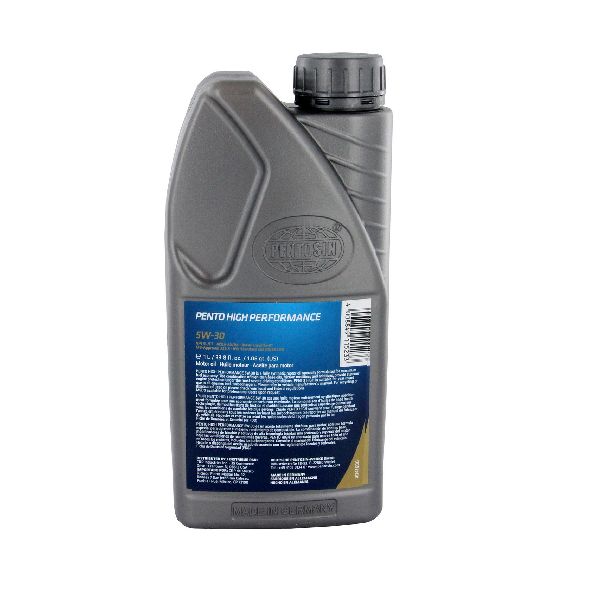
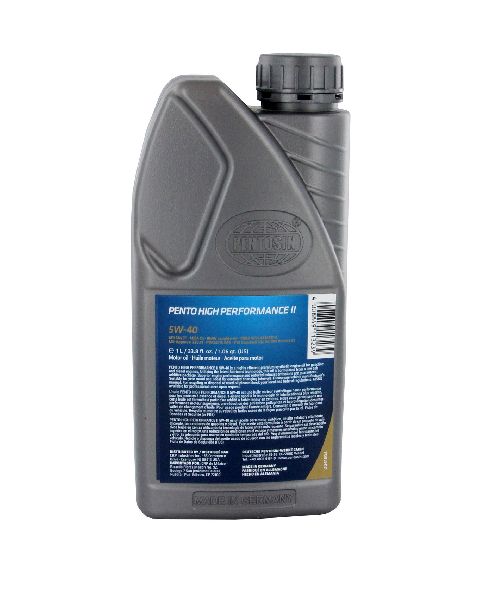
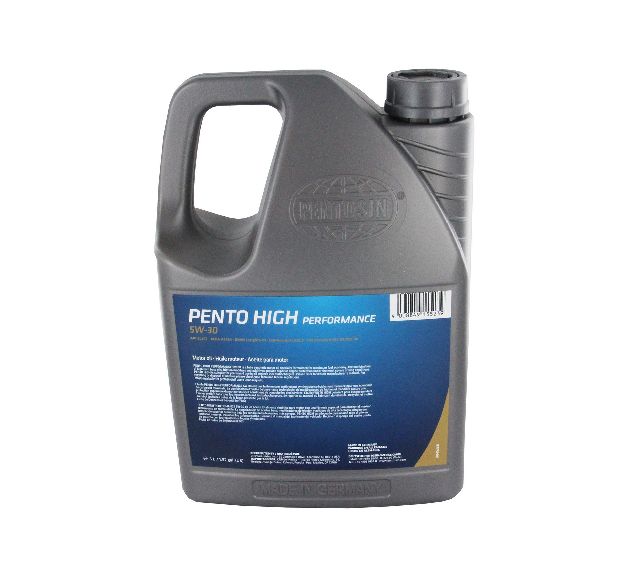
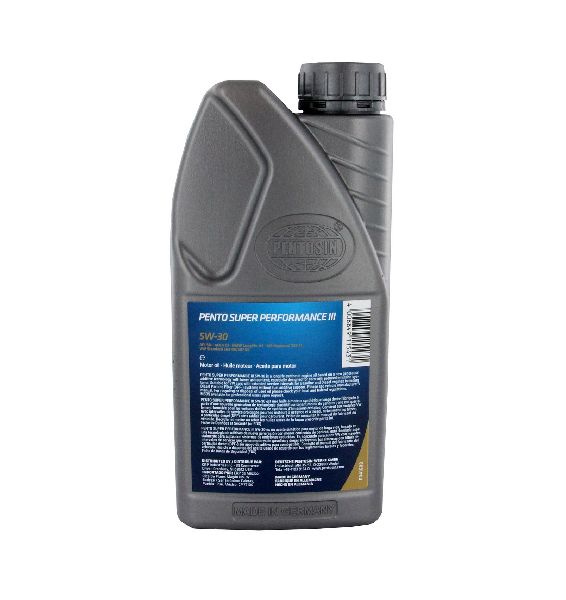
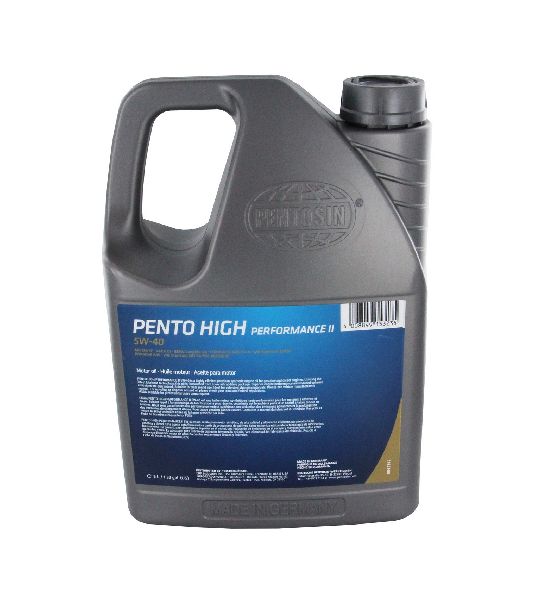
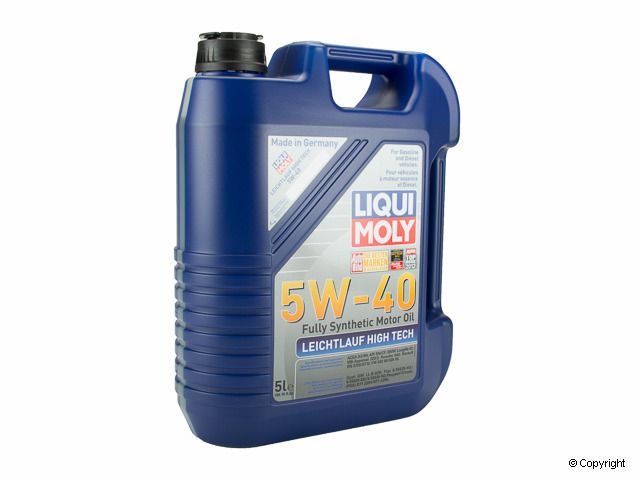
Aftermarket price range: $80-$120 - Engine Oil and Filter — Clean, correct-viscosity oil (VW 502 00 / 504 00) is critical for the VVT system to function. An oil change is the first and most important step in diagnosis and repair.
Trusted brands: Liqui Moly, Motul, Castrol EDGE, Mobil 1
OEM price range: $60-$90
Aftermarket price range: $40-$70
Related Codes That Often Appear With This One
- P0016 — This code indicates a correlation issue between the crankshaft and camshaft position. If the timing chain has jumped or a VVT component is severely malfunctioning, it's common to see both P0011 and P0016 together.
- P0341 — This code points to a performance issue in the camshaft position sensor circuit. It can be triggered along with P0011 if the sensor is providing an erratic signal or if the mechanical timing is incorrect enough to seem implausible to the ECM.
- P000A — This code indicates a slow response from the 'A' (intake) camshaft position adjustment. It often accompanies P0011 and points strongly toward a sluggish or clogged VVT solenoid or N205 valve.
Technical Service Bulletins (TSBs) & Recalls
- VIN-4-A-PIN APRI: Mentions P0011 in a list of potential fault codes that may appear with other symptoms like fuel pump noise or other ECM faults.
- TSB 2045353/4 (also 01-15-08TT): Specifically addresses P0011, P0016, P000A. Suggests checking cam phase deviation (MVB 93) and inspecting for a broken camshaft bridge screen or a damaged N205 spool valve as primary causes.
Platform-Specific Known Issues
- A Volkswagen Technical Service Bulletin (TSB 2045353/4 or 01-15-08TT) addresses rough running and fault codes including P0011. It points to potential issues with a broken screen in the camshaft bridge lodging in the system or a damaged N205 spool valve.
Mechanic-Grade Diagnostic Values
- Camshaft Adaptation Phase Position (Timing Chain Stretch) — expected: 0 to -4 degrees. Failure: A value greater than -5 degrees indicates timing chain stretch that warrants inspection. Values of -7 degrees or more are considered critical.
- N205 Valve Internal Resistance — expected: 5.0 to 8.0 Ohms (at approx. 20°C). Failure: A reading outside of this range indicates a faulty valve that needs replacement.
- N205 Valve Connector Voltage — expected: Battery Voltage (approx. 12.5V+). Failure: If battery voltage is not present at the connector with the ignition on, there is a wiring issue or a problem with the power supply relay (J317).
Scan Tool Commands That Help
- VCDS (VAG-COM): Basic Settings - Test Intake CAM phase adjustment — This function actively commands the VVT system to check its range of motion. It can help determine if the system is mechanically stuck or responding slowly, which helps differentiate between a solenoid/valve failure and a more severe mechanical timing issue.
- VCDS (VAG-COM) or ODIS: Final Control Diagnosis (Output Test) for N205 Valve — This test directly activates the N205 solenoid, causing it to click. An LED test light connected to the harness should flash during the test. If the solenoid doesn't click or the light doesn't flash, it confirms a failure in the solenoid or its wiring circuit.
Wiring & Ground Locations
- Ignition Coil Grounding Point — The ignition coils are grounded via studs on the aluminum cam cover (valve cover).. The soft aluminum threads for the coil ground studs are prone to stripping. A weak or intermittent ground can cause misfires and timing retardation, which may indirectly contribute to or be confused with VVT system faults. Aftermarket kits are available to create a more robust, permanent ground to the chassis to prevent this issue.
- Main Chassis Ground Lug (Passenger Side) — Located behind the passenger-side headlight on the frame rail near the fender.. This is a primary grounding point for various engine components and sensors. A corroded or loose connection here can cause a wide range of difficult-to-diagnose electrical issues, including erratic sensor readings that could potentially trigger timing-related fault codes.
Real Owner Repair Stories
- Ross-Tech Forum User (2012 VW Tiguan 4Motion S, 79k miles (EA888 Engine, similar VVT system)) — Check Engine Light with codes P0011 and P000A (Slow Response).
❌ Tried (didn't work) Replaced the camshaft adjuster magnet (N205 solenoid)., Performed a full synthetic oil change., Replaced the camshaft position sensor (G40).
✅ What actually fixed it The issue was traced to a broken screen inside the camshaft bridge. Debris from the disintegrated screen had clogged oil passages, leading to the timing faults. The fix required removing the camshaft bridge to clean out the debris. - Reddit user r/MechanicAdvice (2016 VW Golf, 115,000km) — Pending P0011 code, cruise control would shut off intermittently.
❌ Tried (didn't work) An early oil change temporarily cleared the code, but it returned as pending after 500km.
✅ What actually fixed it The user did not post a final resolution, but other mechanics in the thread pointed towards a sticking camshaft adjuster solenoid (N205) or the spool valve as the most likely causes, given the intermittent nature and temporary resolution after an oil change.
OEM Part Supersession History
06L109259A→06L109259D— The original 'A' version of the camshaft adjuster magnet was a common failure point. The 'D' version is an updated design for improved reliability and resistance to sticking.
Helpful Videos
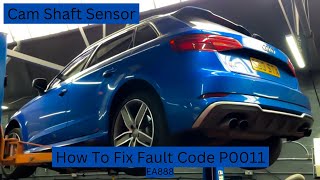
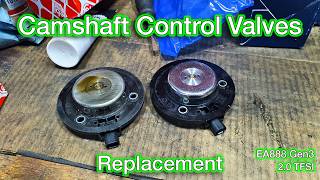
We Have This Part in Stock

The information in this article is provided for general reference and educational purposes only. Vehicle specifications, procedures, and part compatibility can vary by production date, trim level, and region. Always consult your vehicle's factory service manual and verify part numbers before purchasing or performing repairs. Safety-critical components such as airbags, seat belts, and braking systems should be installed by a qualified professional.
- Volkswagen GTI:
- 🎬 Helpful Videos
- 🛍️ Shop This Part
- What's Unique About the 2016-2016 Volkswagen GTI
- Diagnostic Flowchart
- Symptoms You May Notice
- Most Likely Causes
- Rare But Worth Checking
- Diagnosis Steps
- Parts You'll Likely Need
- Related Codes That Often Appear With This One
- Technical Service Bulletins (TSBs) & Recalls
- Platform-Specific Known Issues
- Mechanic-Grade Diagnostic Values
- Scan Tool Commands That Help
- Wiring & Ground Locations
- Real Owner Repair Stories
- OEM Part Supersession History
- 🎟️ Get 5% Off