

P0011 on 2015 Volkswagen Beetle TDI: Causes and Fixes for Over-Advanced Camshaft Timing
On a 2015 VW Beetle TDI, code P0011 is most often caused by low/dirty engine oil or a failing camshaft adjuster magnet (solenoid). Start by checking your oil; if that's not the issue, the adjuster magnet is the next likely culprit, costing around $40-$100 for the part. This is a very common failure on the EA288 diesel engine.
- P0011 on your Beetle TDI means the intake camshaft timing is too far advanced.
- The most likely cause is NOT a major engine failure, but rather a simple issue with oil quality or a clogged VVT solenoid (camshaft adjuster magnet).
- Always start diagnosis by checking the engine oil level and condition. An oil change is the cheapest first step.
- The camshaft adjuster magnet is a known weak point and is relatively easy and inexpensive to replace.
- If you also have code P0016, the possibility of a mechanical timing belt issue is higher and should be investigated.
What's Unique About the 2015-2015 Volkswagen BEETLE CONVERTIBLE TDI
The 2015 Beetle TDI uses the EA288 family engine (specifically, the CVCA code). While P0011 is a generic code, on these VW engines it is very frequently linked to the camshaft adjuster magnet (a solenoid) becoming clogged with oil sludge or failing electrically. This is often exacerbated by extended oil change intervals or using incorrect oil. A key VW Technical Service Bulletin (TSB 01-15-15) confirms that a sticking camshaft adjuster control valve (N205) is a known issue on this engine causing P0011 and P0016. The diagnostic path for this specific engine almost always starts with oil quality, then moves to the adjuster magnet and N205 valve before considering more complex mechanical timing issues.
Diagnostic Flowchart
Tap your situation to follow the diagnostic path that matches what you're seeing on this vehicle.
Symptoms You May Notice
- Check Engine Light (MIL) is on
- Rough or unstable idle
- Engine stalling, especially when coming to a stop
- Poor acceleration or sluggish performance
- Reduced fuel economy
- Engine rattling or ticking noise, especially on a cold start
- Replacing the camshaft position sensor when the issue is actually oil-related or caused by the control solenoid.
- Assuming a major timing belt failure before checking the much more common and cheaper VVT solenoid and oil condition.
Most Likely Causes
- Low, Dirty, or Incorrect Viscosity Engine Oil 🔴 High Probability The variable valve timing (VVT) system is hydraulically operated by engine oil. These TDI engines require a specific oil specification (VW 507.00). Using the wrong oil or extending change intervals leads to sludge that clogs the system's small passages and the fine mesh screens on the VVT components.
How to confirm: Check the oil level on the dipstick and examine its condition. If it's low, black, or thick, it needs to be changed. Ensure the oil used meets 🎬 See why you should check your oil before replacing parts. VW 507.00 specification.
Typical fix: Perform an engine oil and filter change using the correct VW-specified oil. Clear codes and see if P0011 returns.
Est. part cost: $50-$100 - Faulty Camshaft Adjuster Magnet (VVT Solenoid) 🔴 High Probability This solenoid is a very common failure point on VW engines. It gets clogged with debris from the oil or fails electrically, causing its internal piston to stick. A new magnet will rattle freely when shaken, while a failing one will be sluggish or silent.
How to confirm: Remove the magnet (held by three T30 Torx bolts) and inspect it. Shake it; the central pin should move and rattle freely. If it's stuck, sluggish, or silent, it's faulty. You can also try unplugging it while the engine is running roughly; if the idle smooths out, the magnet/solenoid system is the likely culprit. 🎬 Watch: How to diagnose and repair the camshaft adjuster magnet.
Typical fix: Replace the camshaft adjuster magnet. It is highly recommended to perform an engine oil and filter change at the same time.
Est. part cost: $40-$120 - Faulty Camshaft Control Valve (N205 Valve) 🟡 Medium Probability This valve, located inside the camshaft and controlled by the adjuster magnet, is the component specifically mentioned in VW's TSB. It can become clogged with sludge and stick, preventing proper camshaft adjustment.
How to confirm: This requires a special tool (e.g., T10352/1A) for removal due to its reverse threading. Once removed, it can be inspected for sludge and tested for movement. It is often replaced as a precaution when replacing the adjuster magnet.
Typical fix: Clean or replace the N205 control valve. This requires the special reverse-thread tool. VW's official repair for this issue under TSB 2040171 is to replace this valve and change the oil and filter.
Est. part cost: $50-$120 - Stretched Timing Belt or Timing Issue ⚪ Low Probability While the EA288 has a robust timing belt system, it is still a wear item. A belt that has stretched or jumped a tooth will cause a correlation error between the crank and cam, triggering P0011, often along with P0016. This is much less common than oil-related VVT component failure.
How to confirm: Requires removal of engine covers to physically inspect the timing belt, tensioner, and alignment marks. This is a labor-intensive job best left to a professional.
Typical fix: Replace the timing belt, tensioner, and associated pulleys/rollers.
Est. part cost: $200-$500
Rare But Worth Checking
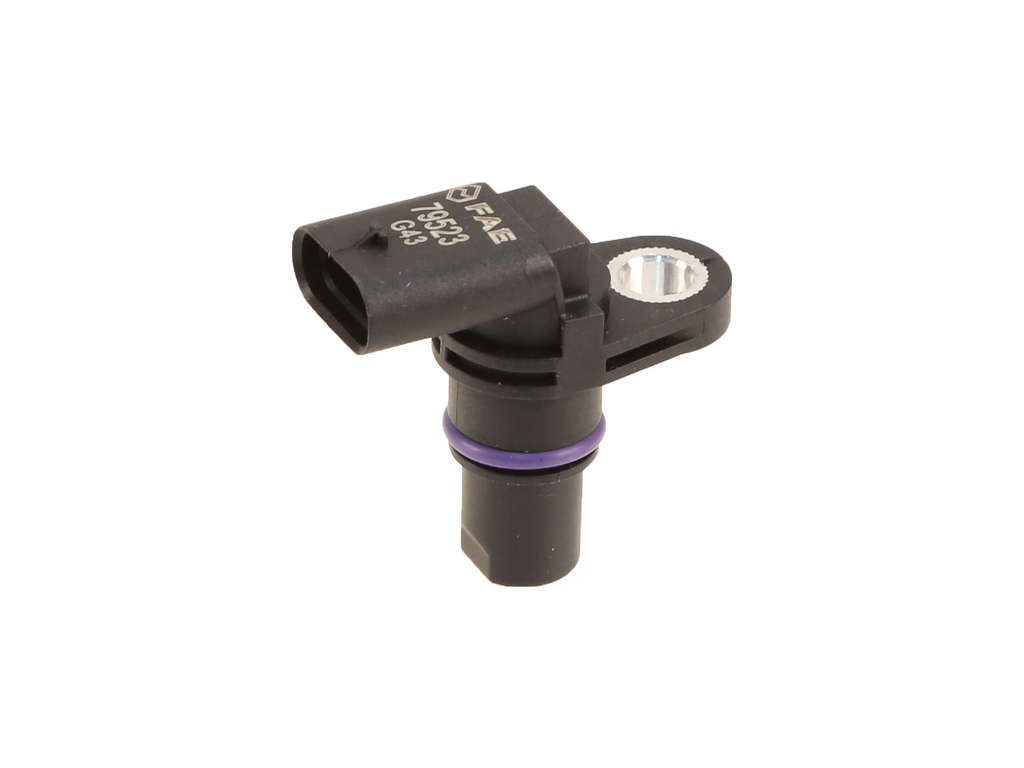
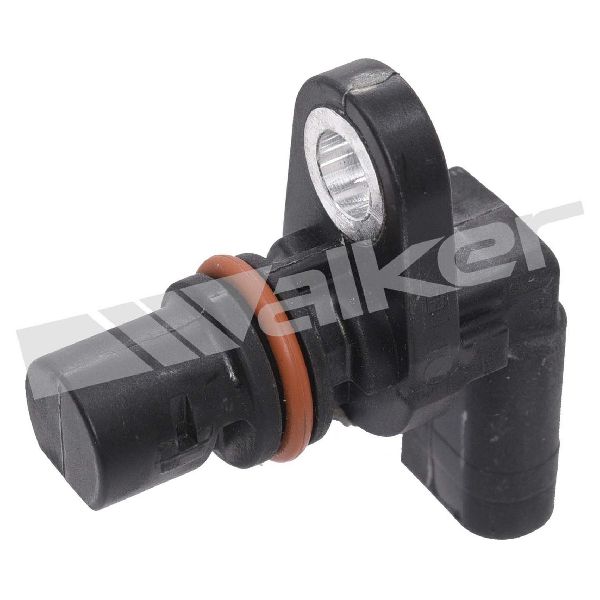
- Faulty Camshaft Position Sensor: This is rare, as a failing sensor usually triggers its own specific fault code (e.g., P0341), but it can sometimes send incorrect data that leads to a P0011.
- Worn Camshaft Phaser: The mechanical phaser gear itself can fail, but this is much less common than the control solenoid/valve failing. This is a more complex and expensive repair.
- Worn Camshaft Bearing Bridge: A different VW TSB (for later model years with a similar engine) notes that wear on the camshaft bearing bridge can cause axial movement of the camshaft, leading to P0011 and P0016. While less likely on this specific model, it is a known failure mode in the engine family.
Diagnosis Steps
- Check the engine oil level and condition. Ensure it is the correct VW 507.00 specification. If in doubt, perform an oil and filter change, clear the code, and see if it returns.
- Scan for any other fault codes. Codes like P0016 or P0010 are crucial clues.
- Inspect the wiring and connector for the camshaft adjuster magnet (VVT solenoid) for any visible damage, corrosion, or oil contamination.
- With the engine running at a rough idle, try unplugging the electrical connector to the camshaft adjuster magnet. If the idle stabilizes, this strongly indicates a fault in the VVT control system (magnet or N205 valve).
- Remove the camshaft adjuster magnet (3x T30 Torx bolts). Shake the magnet vigorously. A good magnet will have a distinct rattle from the internal pin moving freely. A bad one will be silent or feel sluggish.
- If the magnet seems faulty, replace it. If the magnet seems okay, the next step is to inspect the N205 control valve inside the camshaft, as per VW TSB 2040171.
- Using a special tool (like VW tool T10352/1A), remove the N205 valve. Remember it is reverse-threaded (righty-loosey). Inspect it for sludge or sticking. The official VW procedure is to replace it if P0011 is present and timing is verified to be correct.
- If all VVT components seem to be working, the final step is to verify the engine's mechanical timing by inspecting the timing belt and its alignment marks. This is best left to a professional if you are not experienced. 🎬 Watch: A full walkthrough of a timing belt and correlation fix.
Parts You'll Likely Need
- Camshaft Adjuster Magnet (VVT Solenoid)
(OEM #06L109259D)— This is the most common failure point for P0011 on this engine. It gets clogged with oil sludge and stops functioning correctly. The internal piston sticks, preventing it from controlling the N205 valve. Note: This part has been superseded multiple times from older versions like 06L109259A. The latest version is recommended.
Trusted brands: Genuine VW/Audi, INA, Pierburg
OEM price range: $70-$120
Aftermarket price range: $40-$80 - Camshaft Control Valve (N205 Valve)
(OEM #03L906455)— This is the valve specifically called out in VW TSB 2040171 as the cause for P0011/P0016. It is controlled by the magnet and is the second most likely part to get stuck due to oil contamination.
Trusted brands: Genuine VW/Audi
OEM price range: $80-$150
Aftermarket price range: $50-$100 - N205 Valve Removal Tool
(OEM #T10352/1A)— This special tool is required to remove and install the N205 valve, which is reverse-threaded. Aftermarket versions are available.
Trusted brands: Schwaben, CTA Tools
OEM price range: $40-$60
Aftermarket price range: $20-$40
Related Codes That Often Appear With This One
- P0016 — P0016 indicates a Crankshaft/Camshaft Position Correlation error. VW TSB 01-15-15 (2040171) explicitly groups P0011 and P0016, stating they are caused by a sticking camshaft adjuster control valve. Seeing them together strongly points to a mechanical timing or VVT control issue.
- P0010 — This code points to an electrical circuit fault for the 'A' Camshaft Position Actuator. If you see this with P0011, it strongly suggests an issue with the solenoid's wiring, connector, or an internal electrical failure of the solenoid itself.
Technical Service Bulletins (TSBs) & Recalls
- VIN-4-A-PIN APRI: Mentions P0011 and/or P0016 in the ECM, grouping it with other potential faults.
- VW TSB 01-15-15 / 2040171: Directly addresses P0011 and P0016 on the CVCA and CRUA TDI engines, identifying a sticking camshaft adjuster control valve (N205) as the likely cause and providing a specific part number for the fix.
Platform-Specific Known Issues
- A Technical Service Bulletin (TSB #VIN-4-A-PIN APRI) for the 2015 VW Beetle notes that fault code P0011 can appear in conjunction with other codes like P0016, P013E, P164B, and P2407, and may be related to broader issues including fuel pump noises. This suggests that diagnosis should consider potential shared electrical or ECM problems.
- VW TSB 01-15-15 (also numbered 2040171) is highly relevant. It states that for a MIL on with P0011 and/or P0016, the cause is likely a sticking camshaft adjuster control valve (N205) and advises to replace it and perform an oil change if mechanical timing is confirmed to be correct.
Mechanic-Grade Diagnostic Values
- Camshaft Control Valve (N205) Resistance — expected: 5.0 to 8.0 Ohms (at approx. 20°C). Failure: A reading outside this range indicates a faulty valve.
- Camshaft Control Valve (N205) Voltage Supply — expected: Battery Voltage. Failure: No voltage indicates a wiring or fuse issue upstream of the valve.
- VCDS Measuring Block 093, Field 3 (Phase Position Bank 1 Intake) — expected: Value should be less than +/- 4.0 degrees at idle.. Failure: A value exceeding +/- 5.0 degrees is considered a danger zone, indicating significant timing chain stretch or a phaser issue.
- VCDS Measuring Block 091 (Camshaft Adjustment Actual vs. Specified) — expected: The 'Actual' value should closely track the 'Specified' value at idle and under load.. Failure: A significant deviation between the actual and specified values points to a problem with the VVT control system (oil pressure, solenoid, or phaser).
Scan Tool Commands That Help
- VCDS (VAG-COM): Basic Settings - Group 094 — This function runs a test on the camshaft adjuster. To activate it, the engine must be running, and you must hold the brake while pressing the accelerator pedal to the floor, which will bring the RPM to ~2000. The test will report 'System OK' or 'Not OK', indicating the functionality of the VVT system.
- VCDS (VAG-COM) or ODIS: Output Test (DTM) for Camshaft Adjustment Valve (N205) — This command directly activates the N205 solenoid. A technician should be able to hear or feel an audible 'click' from the valve. If no click is heard, it indicates a failure in the solenoid itself, its wiring, or the ECM's driver circuit.
Wiring & Ground Locations
- N205 Connector — On the upper timing belt cover, passenger side of the engine. It is a two-pin plug connected to the camshaft adjuster magnet.. This is the primary electrical connection for the VVT system. One pin should have battery voltage with the ignition on, and the other is a duty-cycled ground controlled by the ECM. Checking for voltage and signal here is a key diagnostic step.
Real Owner Repair Stories
- YouTube channel 'DiagnoseDan' (2014 Volkswagen Golf with EA288 TDI engine) — Extended crank time (long crank) of about 3 seconds on the first start of the day, sometimes accompanied by P0011, P0016, and P0341.
❌ Tried (didn't work) Initial scan showed no fault codes, ruling out simple sensor failures., Fuel pressure was checked and confirmed to be holding steady, ruling out a fuel delivery issue.
✅ What actually fixed it The root cause was determined to be the VVT (Variable Valve Timing) system losing oil pressure when the engine was off. This caused the camshaft to be in the wrong position on startup. The fix was to replace the camshaft control valve (N205) and the camshaft adjuster magnet, which restored the system's ability to hold oil pressure and correct the cam timing.
OEM Part Supersession History
06J109259A→06L109259A, then 06L109259D— Revisions to improve reliability and prevent sticking.
Heads up: When replacing the very old 06J109259A part with a newer version, the electrical connector may also need to be updated to part number 4H0973702A.03L906455→03L906455C— Updated design to improve resistance to sludging and sticking.
Helpful Videos
We Have This Part in Stock


The information in this article is provided for general reference and educational purposes only. Vehicle specifications, procedures, and part compatibility can vary by production date, trim level, and region. Always consult your vehicle's factory service manual and verify part numbers before purchasing or performing repairs. Safety-critical components such as airbags, seat belts, and braking systems should be installed by a qualified professional.
- Volkswagen BEETLE CONVERTIBLE TDI:
- 🎬 Helpful Videos
- 🛍️ Shop This Part
- What's Unique About the 2015-2015 Volkswagen BEETLE CONVERTIBLE TDI
- Diagnostic Flowchart
- Symptoms You May Notice
- Most Likely Causes
- Rare But Worth Checking
- Diagnosis Steps
- Parts You'll Likely Need
- Related Codes That Often Appear With This One
- Technical Service Bulletins (TSBs) & Recalls
- Platform-Specific Known Issues
- Mechanic-Grade Diagnostic Values
- Scan Tool Commands That Help
- Wiring & Ground Locations
- Real Owner Repair Stories
- OEM Part Supersession History
- 🎟️ Get 5% Off