

P0011 on 2010-2014 Subaru Legacy 2.5L: Causes and Fixes for Over-Advanced Camshaft Timing
On a 2010-2014 Subaru Legacy with the 2.5L non-turbo engine, code P0011 is most often caused by low or dirty engine oil, or a failing passenger-side Oil Control Valve (OCV). Always check your oil level and condition first. If the oil is fine, the OCV is the next likely culprit, costing between $70 and $150 for the part (OEM Part #10921AA080).
- P0011 on your Legacy means the passenger-side intake camshaft timing is too far advanced.
- Before buying any parts, check your engine oil level and condition. Low or dirty oil is the #1 cause.
- The most likely failed part is the passenger-side Oil Control Valve (OCV). A simple diagnostic is to swap it with the driver's side and see if the code changes to P0021.
- Ignoring this code can lead to poor performance, bad fuel economy, and potential engine damage.
- This is a very DIY-friendly repair if the cause is the oil or the OCV.
What's Unique About the 2010-2014 Subaru Legacy
The EJ25 engine's AVCS is highly sensitive to oil level and cleanliness. Neglecting oil changes or using the wrong viscosity oil is a very common trigger for this code. Unlike some earlier turbocharged Subaru models that had issues with banjo bolt filters clogging and starving the turbo of oil, the primary failure points on this non-turbo engine are typically the Oil Control Valve (OCV) itself or general oil condition issues.
Symptoms You May Notice
- Check Engine Light is on (often with a flashing cruise control light and solid traction control light)
- Rough or unstable idle
- Poor acceleration and reduced engine power
- Engine stalling, especially when coming to a stop
- Decreased fuel economy
- Engine may have trouble starting
- Audible engine noise or rattling from the timing cover area
- Replacing the camshaft position sensor before testing the Oil Control Valve (OCV). The OCV is a much more common failure point for this code.
- Assuming a timing belt issue before checking the oil and swapping the OCVs. The timing service is expensive and may not be necessary.
Most Likely Causes
- Low or Dirty Engine Oil 🔴 High Probability The AVCS system is hydraulic and extremely sensitive to oil pressure and cleanliness. Old, sludgy, or low oil prevents the system from operating correctly. This is the most common cause cited in owner forums.
How to confirm: Check the oil dipstick for proper level and inspect the oil's color and consistency. If it's dark, thick, or below the 'low' mark, it needs to be changed. This should always be the first step. 🎬 Watch: A mechanic's guide to fixing P0011 and P0021 codes.
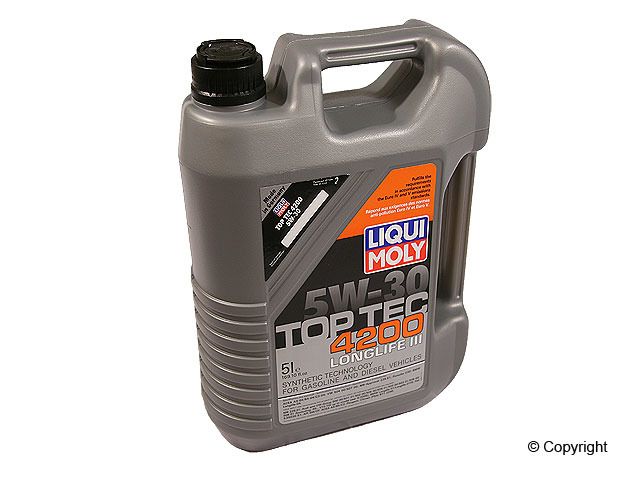
Typical fix: Perform an engine oil and filter change using the manufacturer-recommended oil viscosity (typically 5W-30). Clear the codes and drive to see if they return.
Est. part cost: $40-$80 - Failing Oil Control Valve (OCV) / VVT Solenoid 🔴 High Probability The OCV for Bank 1 (passenger side) can become clogged with sludge or fail electrically, causing it to stick and not properly regulate oil flow to the cam phaser. Debris from other engine issues can also clog the solenoid.
How to confirm: You can test the solenoid with a multimeter for correct resistance (typically 6-12 ohms). A common and effective diagnostic trick is to swap the passenger-side (Bank 1) and driver-side (Bank 2) intake OCVs. They are identical parts. Clear the codes and drive. If the code changes to P0021 (Bank 2), the OCV is confirmed to be faulty.
Typical fix: Replace the Bank 1 (passenger side) intake Oil Control Valve. 🎬 See this walkthrough on how to replace the intake solenoid. It is recommended to use an OEM part.
Est. part cost: $70-$150 - Incorrect Camshaft Timing ⚪ Low Probability The EJ25 engine uses a timing belt. If the belt has stretched, a tensioner has failed, or the belt was recently replaced incorrectly, the physical timing can be off, triggering the code. A jump of even one tooth can be enough to set the code.
How to confirm: Requires removing the timing belt covers and visually inspecting the timing marks on the camshaft and crankshaft sprockets to ensure they align perfectly. This is labor-intensive and usually done after ruling out oil and OCV issues.
Typical fix: Perform a full timing belt service, replacing the belt, tensioner, and idler pulleys. Ensure all timing marks are correctly aligned.
Est. part cost: $200-$400
Rare But Worth Checking
- Faulty Camshaft Position Sensor: While less common than an OCV failure, the sensor that reads the camshaft's position can fail, sending incorrect data to the ECM. This is worth considering if an OCV swap doesn't solve the issue, but it is often misdiagnosed as the primary culprit.
- Clogged AVCS Oil Passages or Banjo Bolt Filter: Sludge or metallic debris can clog the small oil passages in the cylinder head or the tiny filter screen inside the banjo bolt that feeds the AVCS system, restricting oil flow. On some older or turbocharged Subarus, removing these filters was a common fix, but on this engine, it's more indicative of a larger oil contamination problem.
- Failing AVCS Cam Sprocket (Phaser): The actual gear mechanism on the end of the camshaft can fail internally and get stuck. This is the most complex and expensive repair for this code and is often the last resort after all other components have been tested. A dealership may recommend this if an oil flush and OCV replacement do not resolve the code.
Diagnosis Steps
- Check the engine oil level and condition. If low or dirty, perform an oil and filter change with 5W-30 oil, clear the code, and see if it returns. This solves the problem in many cases.
- If the oil is fine, locate the intake Oil Control Valves (OCVs) on both the passenger (Bank 1) and driver (Bank 2) sides of the engine. They are on the front of the engine, below the intake snorkel.
- Inspect the wiring and connectors to the Bank 1 OCV for any damage or oil contamination.
- Swap the Bank 1 and Bank 2 OCVs. They are identical parts held in by a single bolt. Clear the codes and drive the vehicle.
- If the trouble code changes to P0021 (Bank 2), the OCV you moved is faulty and needs to be replaced. This is a very reliable diagnostic step. 🎬 Watch: Two simple DIY methods to fix the P0011 code.
- If the code P0011 returns, the problem is not the OCV. The next step is to check for any clogged banjo bolt filters, though this is less common on the non-turbo EJ25.
- If passages are clear and the code persists, the next logical step is to inspect the timing belt and its components for proper alignment and condition. This is a more involved job.
- If timing is correct, further diagnosis of the camshaft position sensor, wiring harness, or the AVCS cam sprocket may be required. At this stage, professional diagnosis is recommended.
Parts You'll Likely Need
- Intake Oil Control Valve (VVT Solenoid)
(OEM #10921AA080)— This solenoid is the most common mechanical part to fail, either by getting stuck or failing electrically, directly causing the P0011 code. This part is used across many Subaru models including the Impreza, Forester, and WRX.
Trusted brands: Subaru (OEM), Denso, Dorman
OEM price range: $120-$160
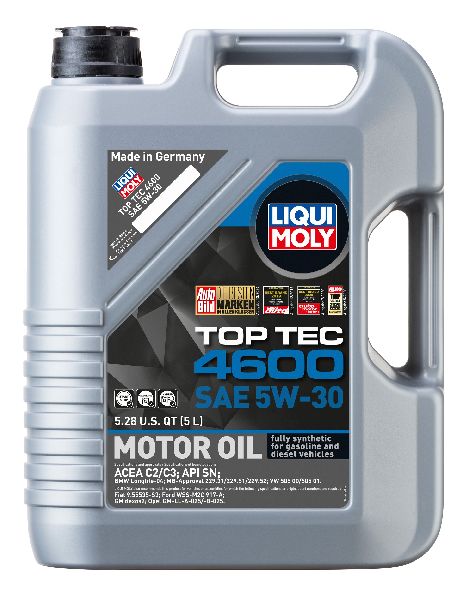
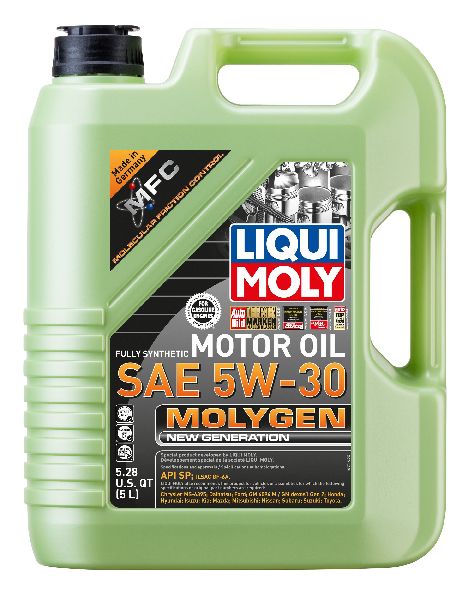
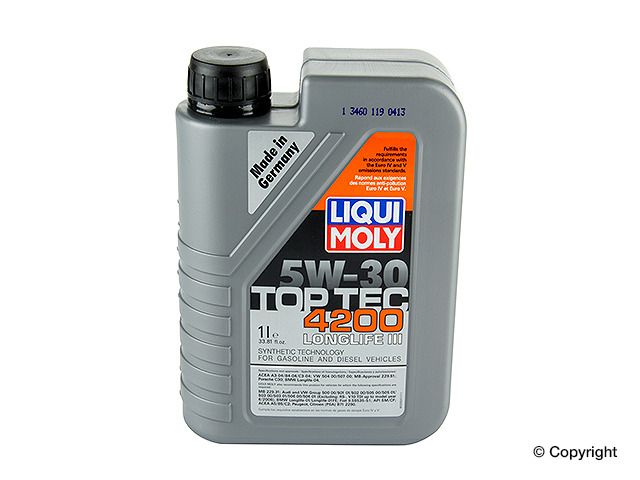
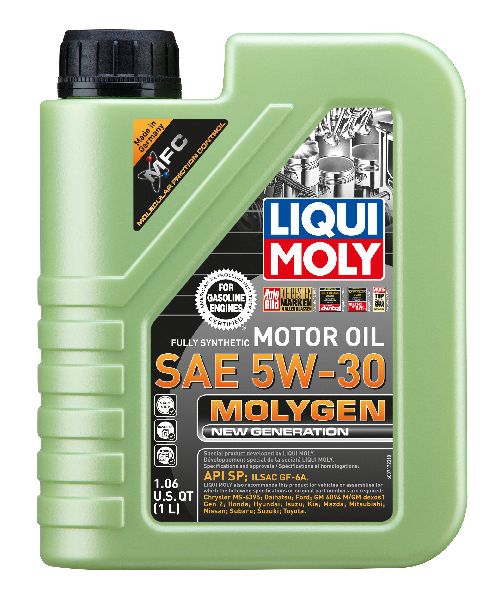
Aftermarket price range: $70-$110 - Engine Oil and Filter — Low or incorrect viscosity oil is a primary cause of AVCS-related faults. Using the correct OEM-specified 5W-30 oil is critical.
Trusted brands: Idemitsu (OEM supplier for Subaru), Mobil 1, Pennzoil
OEM price range: $50-$90
Aftermarket price range: $40-$70
Related Codes That Often Appear With This One
- P0021 — This is the equivalent code for Bank 2 (driver's side). If both P0011 and P0021 appear together, it strongly suggests a systemic issue like very low/dirty oil or low oil pressure affecting the entire AVCS system, rather than a single failed component.
- P000A — This code for "'A' Camshaft Position Slow Response Bank 1" often appears with P0011. It indicates the camshaft is not moving to the commanded position as quickly as expected, which points to the same underlying causes of oil flow or OCV malfunction.
Technical Service Bulletins (TSBs) & Recalls
- 02-163-16R: Inspection and Repair Procedures for AVCS-Related DTCs - This TSB provides a factory-approved diagnostic flowchart for codes including P0011. It emphasizes checking oil quality, testing OCVs, and even checking mechanical timing by observing cam angle deviation with the OCVs unplugged.
- Bulletin #02-132-12R: Provides specific diagnosis and repair procedures for AVCS-related DTCs including P0011, P000A, and P0021.
- Bulletin #09-104-23R: While for different models, this bulletin notes that Subaru has released ECM reprogramming files to address rare cases of P0011 and P0021.
- Bulletin #09-128-24R: Lists P0011 as a timing over-advanced or system performance fault requiring specific diagnostic attention.
Platform-Specific Known Issues
- A Subaru Technical Service Bulletin (TSB 02-163-16R) exists for AVCS-related DTCs on similar engines, outlining a detailed diagnostic procedure that prioritizes checking oil condition and OCV function. While this TSB is officially for newer FA/FB engines, the diagnostic logic is highly relevant.
- Owners on forums frequently report that the combination of the Check Engine Light, a flashing cruise control light, and a solid traction control light is the typical dashboard display for this code.
Mechanic-Grade Diagnostic Values
- Oil Control Valve (OCV) / VVT Solenoid Resistance — expected: 6 to 12 Ohms. Failure: A reading outside of this range (either open-circuit/infinite or shorted/zero) indicates a failed solenoid coil.
- Live Data - AVCS Advance Angle (Bank 1) — expected: Should be near 0 degrees at idle and increase as RPMs rise under load. The commanded angle and actual angle should closely match.. Failure: If the actual angle is significantly different from the commanded angle, or if it is stuck at a high value even at idle, it points to a problem with the OCV, oil flow, or the phaser itself.
Scan Tool Commands That Help
- Subaru Select Monitor (SSM) or equivalent professional scan tool: AVCS Actuation Test / Duty Cycle Control — This function allows a technician to manually command the OCV solenoid to operate at a specific duty cycle (e.g., 10%, 50%, 90%). While monitoring the live cam angle data, the technician can verify if the solenoid is responding to commands and if the cam phaser is physically moving. A lack of change in cam angle despite commanding the solenoid indicates a stuck OCV, a blockage in an oil passage, or a failed cam phaser.
Wiring & Ground Locations
- GE (Engine Ground) — Typically located on the right rear of the engine block for the 2.5L engine. Another critical grounding point is on the top of the intake manifold, which is a primary ground reference for the ECU.. A poor engine ground can cause erratic sensor readings and improper solenoid operation. The ECU relies on a stable ground reference to accurately measure sensor inputs and control outputs like the OCV. While not a primary cause, a corroded or loose ground can create symptoms that mimic a failed component.
- ECM (Engine Control Module) — Located on the right side of the dash, typically behind the glove box or in the passenger-side kick panel area.. This is the source of the command signal to the OCV and where the camshaft position sensor data is interpreted. All wiring for the AVCS system originates from or terminates at the ECM.
- Bank 1 Oil Control Valve Connector — On the front of the engine, on the passenger side (Bank 1), typically below the intake snorkel. It's a two-wire connector leading to the OCV solenoid which is bolted into the cylinder head.. This connector is the point of electrical control. It should be inspected for oil contamination (which can indicate a leaking OCV), corrosion, or loose pins. The two pins are for the power supply and the ground-side control signal from the ECM.
Real Owner Repair Stories
- LegacyGT.com user (2005 Legacy Outback XT (OBXT) - Turbo model, but same OCV principle) — P0011 code appeared.
❌ Tried (didn't work) Initial diagnosis without immediate part replacement.
✅ What actually fixed it The owner removed both Oil Control Valves, cleaned them thoroughly with WD-40, and manually actuated the internal mechanism. After reinstalling the cleaned OCVs and performing an oil change, the code did not return after 1,400 miles. - Reddit user Zestyclose-Habit-150 (Subaru (model not specified, but boxer engine)) — P0011 and P0021 codes.
❌ Tried (didn't work) Initially suspected turbo failure.
✅ What actually fixed it The final diagnosis was that the timing belt was off by two teeth, causing the advanced timing codes. This highlights the importance of checking mechanical timing if oil and OCV issues are ruled out.
Documented NHTSA Reports
- NHTSA ODI #11428911 describes an owner who experienced a flashing cruise control light and codes P0011 and P0021; despite taking it to a dealership, they were initially told no problem could be found.
- An owner reported in NHTSA ODI #11683546 that their vehicle had P0011 and that the ECM was not loaded with current software, noting there are several Subaru bulletins regarding the ECM and these specific codes.
OEM Part Supersession History
10921AA080→10921AA230, 10921AA231, 10921AA23B (for later models)— Part revisions and updates for reliability. The core function is the same, but newer versions may have improved internal components or materials.
Heads up: While the solenoids may look physically similar, using a part number not specified for the exact year and model can lead to incorrect operation. Always verify the correct part number by VIN. For the 2010-2014 Legacy EJ25, 10921AA080 is the correct part.
Model Year Variations Within This Range
- 2013-2014: For the 2013 model year, Subaru began phasing in the new FB25 engine in some Legacy models, while others retained the EJ25. The FB25 uses a timing chain instead of a timing belt and has a different OCV part number (e.g., 10921AA231). It is critical to correctly identify the engine (EJ vs. FB) before ordering parts, as they are not interchangeable. The EJ25 was the primary non-turbo engine from 2010-2012.
Diagnostic Flowchart
Other Known Issues on This Vehicle
Issues unrelated to this code that are worth knowing about as an owner of this generation:
- Excessive Oil Consumption 🔴 High — Common across many 2.5L engines of this era. Some owners report consuming a quart of oil every 1,000-2,000 miles. The issue can be caused by worn piston rings or valve seals. (Ref: Subaru addressed this with a class-action lawsuit settlement and extended warranties for some affected vehicles. TSBs like 02-157 series were issued for related engine components.)
- CVT Torque Converter Lock-Up Failure 🟠 Medium — Affects models with the TR690 CVT. Owners report a shudder or a sensation like stalling when coming to a stop, similar to not pressing the clutch in a manual car. (Ref: Subaru issued TSB 16-90-13R, which details replacing the original torque converter with an updated part containing a needle bearing instead of a solid bushing to resolve the issue. Subaru also extended the CVT warranty for many vehicles to 10 years/100,000 miles.)
- Frequently Burnt-Out Headlights 🟡 Low — Particularly noted on 2010-2011 models. Owners report having to replace low-beam headlight bulbs much more frequently than expected, sometimes every few months.
Used vs. New Parts: Buying Guide for This Vehicle
When a used part is the smart pick: A used Oil Control Valve (OCV) from a reputable salvage yard can be a cost-effective option, especially if it's from a low-mileage, rear-ended vehicle. Since the diagnostic test involves swapping valves, a known-good used part can serve as a cheap test component before buying a new one.
Donor-vehicle mileage cap: roughly under 80000 miles for the part to have meaningful remaining life.
What to inspect on the donor part:
- Check the electrical connector for cracks or damage.
- Inspect the mesh screens on the solenoid; they should be intact, clean, and free of metallic debris.
- Ask for the VIN of the donor car to verify its mileage and check for a history of regular maintenance if possible.
- Avoid parts from engines that show signs of heavy oil sludge or overheating.
OEM-only on this vehicle (don't cheap out):
- AVCS Cam Sprocket (Phaser) - Due to the complexity and precision required, aftermarket phasers are not recommended. A failed aftermarket phaser can cause catastrophic engine damage. Stick with OEM if this part needs replacement.
Aftermarket brands forum-validated for this vehicle:
- Denso (Often the OEM supplier to Subaru)
- Dorman (Offers a direct replacement that is widely available and often has a good warranty)
Brands owners have reported issues with on this vehicle:
- Unnamed, no-brand 'white box' parts from online marketplaces. These often have high failure rates, incorrect resistance values, or poor internal construction, leading to the code returning shortly after repair.
Real Owner Stories
Aggregated from forums and TSBs cited above. Mileages and costs reflect what owners reported in those sources.
2014 Subaru Legacy (Non-turbo)
Symptoms: The CEL, traction control, and cruise control lights kept blinking. The lights occasionally turned off after a restart, but the car eventually threw a P0011 code.
What fixed it: The diagnostic process for this code typically begins with an oil and filter change or OCV inspection/swap.
Source hint: LegacyGT.com thread titled 'P0011 Code for a non-turbo2'
2010 Subaru Legacy (Non-turbo)
Symptoms: Check Engine Light (P0011) appearing alongside concerns about oil pressure and system performance.
What fixed it: Ensuring proper oil pressure and cleanliness, as the AVCS system is hydraulically operated and sensitive to sludge.
Source hint: LegacyGT.com thread titled 'CEL: P0011 A Camshaft Position System Performance (Bank 1)'
Related OBD-II Codes
Frequently Asked Questions
My 2014 Legacy is showing a Check Engine Light along with a flashing cruise control and solid traction control light. Is this normal for a P0011 code?
Is there a TSB for AVCS issues like P0011 that applies to my Subaru?
Can I test if the Oil Control Valve (OCV) is the problem without buying a new part?
What oil viscosity should I use to prevent P0011 issues on my 2.5L Legacy?
Could my P0011 code be related to the timing belt?
Is the P0011 code only a problem for the Turbo (GT) models?
Helpful Videos
![How to Fix P0011 Engine Code in 4 Minutes [2 DIY Methods / Only $6.95]](https://img.youtube.com/vi/Il4J5NOlYPg/mqdefault.jpg)
We Have This Part in Stock


The information in this article is provided for general reference and educational purposes only. Vehicle specifications, procedures, and part compatibility can vary by production date, trim level, and region. Always consult your vehicle's factory service manual and verify part numbers before purchasing or performing repairs. Safety-critical components such as airbags, seat belts, and braking systems should be installed by a qualified professional.
- Subaru Legacy:
- 🎬 Helpful Videos
- 🛍️ Shop This Part
- What's Unique About the 2010-2014 Subaru Legacy
- Symptoms You May Notice
- Most Likely Causes
- Rare But Worth Checking
- Diagnosis Steps
- Parts You'll Likely Need
- Related Codes That Often Appear With This One
- Technical Service Bulletins (TSBs) & Recalls
- Platform-Specific Known Issues
- Mechanic-Grade Diagnostic Values
- Scan Tool Commands That Help
- Wiring & Ground Locations
- Real Owner Repair Stories
- Documented NHTSA Reports
- OEM Part Supersession History
- Model Year Variations Within This Range
- Diagnostic Flowchart
- Other Known Issues on This Vehicle
- Used vs. New Parts: Buying Guide for This Vehicle
- Real Owner Stories
- 2014 Subaru Legacy (Non-turbo)
- 2010 Subaru Legacy (Non-turbo)
- Related OBD-II Codes
- Frequently Asked Questions
- 🎟️ Get 5% Off