

P0011 on 2014-2021 Subaru Forester: Causes and Fixes for Camshaft Over-Advanced
On a 2014-2021 Subaru Forester, code P0011 is most often caused by low or dirty engine oil, or a failing oil control valve (OCV) for Bank 1. Start by checking your oil. If the oil is fine, the next logical step is to swap the passenger and driver side OCVs to confirm the failure; if the code moves to P0021, the valve is bad. Replacing the passenger-side OCV is a common fix, costing around $70-$150 for the part. For turbo (XT) models, this code can be a warning of oil starvation that could damage
- P0011 on a Forester almost always relates to the oil-operated AVCS system.
- ALWAYS check your engine oil level and condition first. This is the most common and cheapest fix.
- If oil is not the issue, the passenger side Oil Control Valve (OCV) is the next most likely culprit.
- On Forester XT models, address this code immediately to prevent potential oil starvation and catastrophic failure of the turbocharger.
- Do not immediately assume a costly timing chain issue; the problem is usually much simpler.
What's Unique About the 2014-2021 Subaru FORESTER

The Subaru Forester's FB25 and FA20F engines use the AVCS (variable valve timing) which is highly dependent on oil pressure and cleanliness. Unlike some other manufacturers, issues with P0011 on these engines are very frequently traced back to basic oil maintenance. Additionally, Subaru has issued technical service bulletins (TSBs) that address this specific code. 🎬 See this breakdown of why Subaru engines trigger VVT codes. TSB 02-132-12R specifically points to contamination within the camshaft sprocket or oil control valve as a likely cause. For the turbo Forester XT models with the FA20F engine, clogged banjo bolt filters in the turbo oil supply line are a known failure point that can trigger P0011 and lead to catastrophic turbo failure if ignored.
Diagnostic Flowchart

Tap your situation to follow the diagnostic path that matches what you're seeing on this vehicle.
Generation note: This range covers the end of the SJ generation (2014-2018) and the start of the SK generation (2019-2021). The SJ generation uses the FB25 engine, while the SK generation introduced the direct-injection FB25D. The Forester XT models (2014-2018) use the FA20F 2.0L turbo engine. The causes and fixes for P0011 are largely consistent across these generations due to the similar AVCS design, which is shared with other Subaru models like the Outback, Crosstrek, and WRX.
Symptoms You May Notice

- Check Engine Light is on
- Flashing cruise control light and disabled traction control (a standard Subaru response to any CEL)
- Rough or unstable idle
- Engine stalling
- Reduced engine power and acceleration
- Decreased fuel economy
- Engine misfires or unusual noises
- A whining or crunching noise from the turbocharger on XT models, indicating imminent failure.
- Replacing the camshaft position sensor first. While related, the sensor is usually reporting the problem correctly; the cause is more often hydraulic (oil) or mechanical (OCV).
- Replacing the timing chain immediately. Always rule out the much simpler and cheaper oil and OCV issues before assuming a major mechanical failure.
Most Likely Causes

- Low or Dirty Engine Oil 🔴 High Probability The AVCS system is hydraulic and uses engine oil pressure to actuate the camshaft phasers. If the oil is low, old, the wrong viscosity, or sludgy, it cannot operate the system correctly. This is the most common cause across all Subaru platforms with AVCS.
How to confirm: Check the oil level on the dipstick and inspect its condition. If it's below the 'low' mark or appears dark and sludgy, this is the likely cause. Many owners report the code appearing when an oil change is overdue.
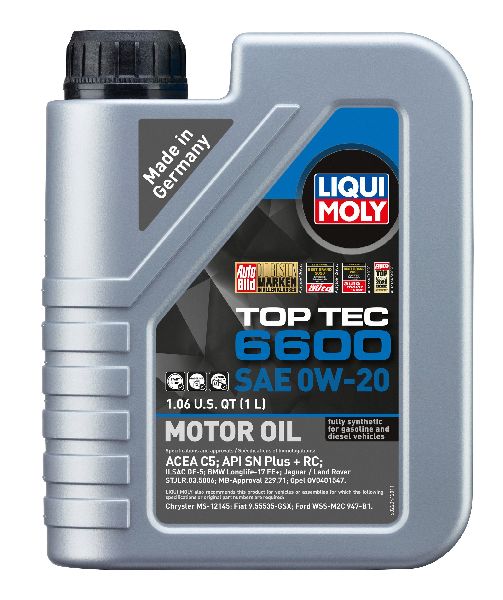
Typical fix: Perform an oil and filter change using the manufacturer-recommended oil viscosity (e.g., 0W-20 for non-turbo models). Clear the codes and drive the vehicle.
Est. part cost: $40-$80 - Failing Oil Control Valve (OCV) / VVT Solenoid 🔴 High Probability The OCV for Bank 1 (passenger side) can get stuck or clogged with sludge from the engine oil, preventing it from correctly regulating oil flow to the cam phaser. The internal screen can also break down.
How to confirm: The most definitive DIY test is to swap the Bank 1 (passenger side) and Bank 2 (driver side) intake OCVs, which are identical. Clear the codes and drive. If the code changes to P0021 (the Bank 2 equivalent), the OCV is confirmed to be faulty. You can also test the solenoid's resistance with a multimeter (typically 6-12 ohms).
Typical fix: Replace the Bank 1 (intake) Oil Control Valve. It is located on the front of the engine on the passenger side, typically held in by two 10mm bolts. Ensure you get the correct part number for your VIN.
Est. part cost: $70-$150 - Clogged AVCS Banjo Bolt Filters 🟡 Medium Probability Subaru models, particularly turbo variants, have small mesh filters inside the oil feed banjo bolts that can clog with debris and starve components of oil. On the Forester XT, a clogged filter on the turbo oil feed line is a known cause of P0011 and subsequent turbo failure.
How to confirm: Locate and remove the banjo bolt for the Bank 1 AVCS oil line and/or the turbo oil feed line (on XT models). Inspect the bolt for a small mesh filter and see if it is clogged with debris. Their locations can be difficult to access.
Typical fix: Remove the filter screen from the banjo bolt, discard it, and reinstall the bolt with new copper crush washers. This was a common dealer procedure to prevent future clogging, with the trade-off being that any debris now flows directly to the component.
Est. part cost: $5-$20 (for new crush washers) - Engine Control Module (ECM) Software Update Needed ⚪ Low Probability Subaru has issued TSB #09-104-23R indicating that in some cases, the ECM logic is too sensitive and may falsely trigger P0011 or P0021. This is considered a rare cause.
How to confirm: A Subaru dealership or a properly equipped independent shop can check if your vehicle's ECM has the latest software version by referencing the TSB.
Typical fix: Reprogram the ECM with the updated software file provided by Subaru.
Est. part cost: $0-$200
Rare But Worth Checking
- Stretched Timing Chain or Faulty Cam Phaser: While less common than oil-related issues, a stretched timing chain or a mechanically failed camshaft phaser (sprocket) can cause the timing to be physically out of sync with the ECM's commands. One owner on a forum reported a P0011 and P0016 together required a new cam phaser because the lock pin mechanism failed. This is a more complex and expensive repair.
- Faulty Camshaft Position Sensor: It's rare for the sensor itself to cause an 'over-advanced' code without also throwing a sensor-specific circuit code (like P0340), but it's not impossible. The sensor is usually just reporting the timing issue correctly.
Diagnosis Steps
- Check the engine oil level and condition. If low or dirty, perform an oil and filter change with the correct viscosity oil, clear the code, and drive to see if it returns.
- If the oil is fine, scan for other trouble codes to get more context.
- Inspect the electrical connector for the Bank 1 intake OCV (passenger side) for oil contamination or damage.
- Perform an OCV swap. Switch the Bank 1 (passenger side) and Bank 2 (driver side) intake OCVs. They are identical. Clear the codes and drive the vehicle. If the code returns as P0021, the OCV you moved to the Bank 2 is faulty and needs replacement. This is a highly reliable test. 🎬 Watch: How to fix P0011 by swapping your oil control valves.
- If the code remains P0011 after the swap, the problem is not the OCV. The next step is to inspect the banjo bolt filters for clogs, especially on Forester XT models.
- If all of the above check out, the issue may be more complex, such as a faulty camshaft phaser, a stretched timing chain, or an ECM software issue that requires a dealer visit.
Parts You'll Likely Need
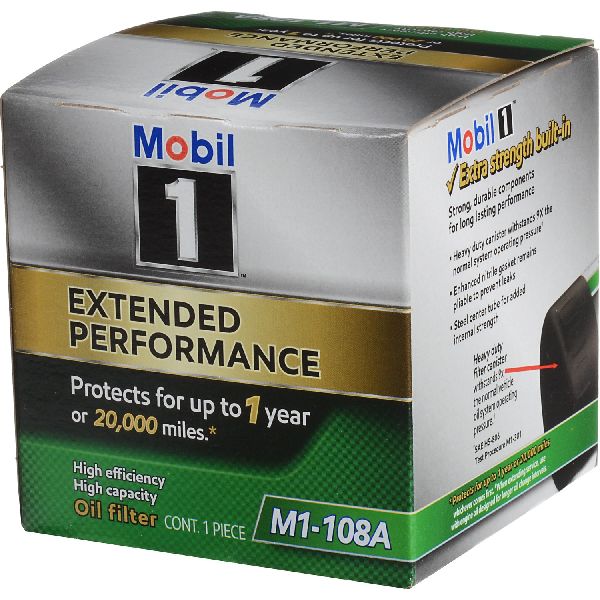
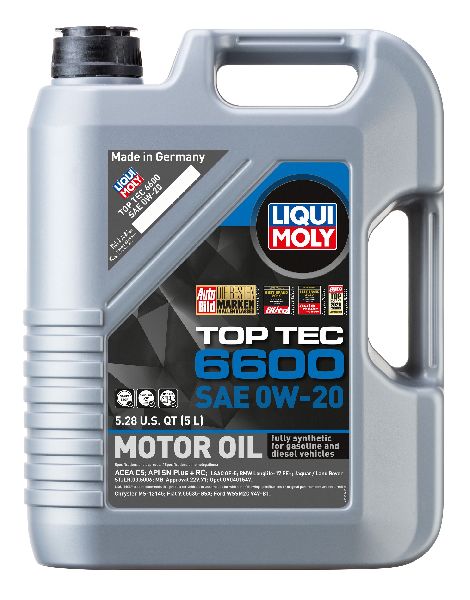
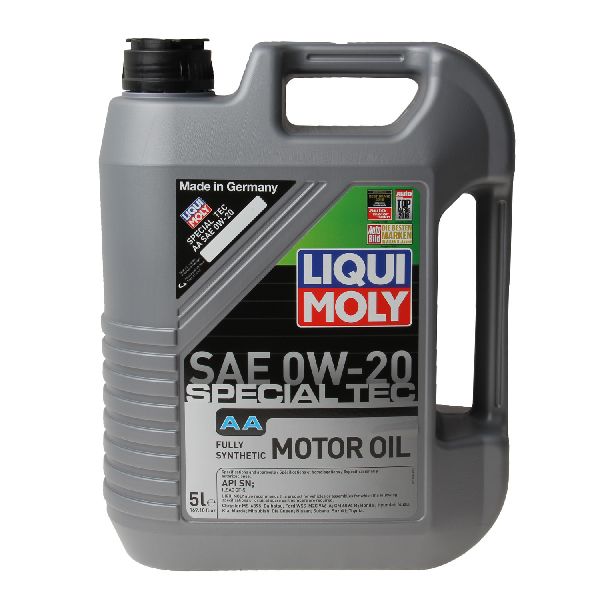
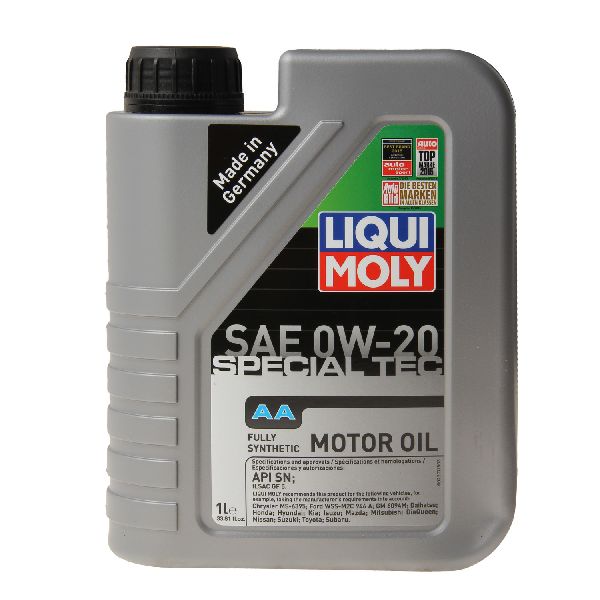
- Engine Oil and Filter — The most common cause of P0011 is low or dirty oil, which impedes the function of the AVCS system.
Trusted brands: Subaru Genuine, Mobil 1, Castrol
OEM price range: $50-$90
Aftermarket price range: $40-$80 - Oil Control Valve (VVT Solenoid)
(OEM #10921AA23B (Verify by VIN))— This solenoid is the second most common failure point. It gets stuck or clogged, preventing correct camshaft timing adjustments. This part number supersedes the older 10921AA23A.
Trusted brands: Subaru Genuine, Denso, Dorman
OEM price range: $120-$180
Aftermarket price range: $70-$130
Related Codes That Often Appear With This One
- P0021 — This is the equivalent code for Bank 2 (driver's side). Seeing P0011 and P0021 together strongly points to a systemic oil issue, like very low oil level, severe sludge, or multiple clogged banjo filters affecting both banks simultaneously.
- P0014 — This code is for the 'B' (exhaust) camshaft timing on Bank 1. If seen with P0011, it could indicate a more widespread oil delivery problem on that side of the engine or issues with both the intake and exhaust OCVs on Bank 1.
- P000A — This code is for a slow response in the Bank 1 intake camshaft position. It often appears with P0011 and points to the same root causes: oil viscosity/sludge issues or a failing OCV.
Technical Service Bulletins (TSBs) & Recalls
- 09-104-23R: Announcing availability of ECM reprogramming files to address DTCs P0011 and P0021.
- 02-132-12R: Outlining diagnosis and repair procedures for various AVCS-related DTCs, including P0011. It identifies contamination in the OCV or cam sprocket as a potential cause and provides VIN ranges for production countermeasures.
Platform-Specific Known Issues
- Turbo Failure on XT Models: On Forester XT (turbo) models, an unresolved P0011 can be a precursor to turbo failure. A clogged banjo bolt filter in the turbo's oil supply line restricts oil flow, triggering the timing code and starving the turbo bearings of lubrication, leading to rapid failure. One owner reported this exact sequence: P0011 code, followed by a whining noise, then a blown turbo.
- TSB Guidance for AVCS-Related DTCs: Subaru has released TSB #02-163-16R, which provides detailed inspection and repair procedures for a range of AVCS-related codes, including P0011. The bulletin emphasizes checking oil condition first, then provides steps for testing the OCV, and finally checking mechanical chain timing.
Mechanic-Grade Diagnostic Values
- Oil Control Valve (VVT Solenoid) Resistance — expected: 6.9 - 7.9 Ohms (A general range of 6-12 Ohms is also cited). Failure: A reading significantly outside this range (open circuit or short) indicates a failed solenoid coil. However, a solenoid can pass this test and still be mechanically stuck.
- Live Data: AVCS Intake Cam Angle (Bank 1) — expected: At idle, the 'Desired' angle should be ~0 degrees and the 'Actual' angle should match closely. Under load, the ECM will command an advance, and the 'Actual' should follow the 'Desired' value.. Failure: A significant and persistent deviation between the 'Desired' and 'Actual' cam angle degrees. For P0011, the 'Actual' angle will be higher (more advanced) than the 'Desired' angle.
- Live Data: Camshaft Position with OCV unplugged — expected: Close to 0 degrees.. Failure: A value of +/- 10 degrees or more suggests the base mechanical timing is off (e.g., skipped tooth on timing chain).
Scan Tool Commands That Help
- Subaru Select Monitor (SSM) or equivalent (e.g., Autel, Foxwell): AVCS Intake VVT System Test / Active Test — This bidirectional command allows a technician to manually activate the Bank 1 intake OCV in set increments (e.g., 10%, 20%). While monitoring live data, you should see the actual cam angle change in response. If the angle doesn't change, it points to a stuck OCV, clogged oil passage, or a failed cam phaser. If the engine hesitates or stalls during activation, it confirms the solenoid is functioning.
Wiring & Ground Locations
- Engine Harness Grounds — Main engine grounds are typically located on the intake manifold and on the engine block near the starter motor.. A poor engine ground can cause erratic behavior in sensors and solenoids, including the OCV and camshaft position sensor. While not a primary cause, ensuring clean, tight grounds is a fundamental step in diagnosing any electrical engine code.
- Bank 1 Intake OCV Connector (E24 on some diagrams) — On the front of the engine, passenger side, connecting to the Oil Control Valve.. This is the direct electrical connection for the component. It should be inspected for corrosion, damage, or oil saturation from a leaking valve, which can disrupt the signal from the ECM. Pin 1 is typically the control signal from the ECM and Pin 2 is the power supply.
Real Owner Repair Stories
- subaruforester.org forum user (2017 Subaru Forester 2.5i (Non-turbo)) — Check Engine Light with code P0011.
❌ Tried (didn't work) Performing an oil change.
✅ What actually fixed it The owner swapped the passenger side (Bank 1) and driver side (Bank 2) Oil Control Valves. The code then changed to P0021, confirming the original Bank 1 OCV was faulty. Replacing the bad OCV with a new part resolved the issue. - YouTube user 'Smeedia' (2005 Subaru STI (similar EJ engine architecture)) — Persistent P0011 code, especially on cold starts.
❌ Tried (didn't work) Replacing Oil Control Valves.
✅ What actually fixed it The root cause was an incorrectly installed intake camshaft gear (phaser) during a previous repair. The keyway on the phaser was not properly aligned with the camshaft, causing a mechanical timing error that the AVCS system could not correct. Replacing the cam gear and setting the timing correctly fixed the code. - Reddit user r/subaru (2009 WRX (similar turbo engine AVCS)) — P0011 code, rattling sound under boost.
❌ Tried (didn't work) Oil and filter change., Checking for clogged banjo bolt filters.
✅ What actually fixed it The AVCS solenoid (OCV) for Bank 1 was found to be broken into two pieces upon removal. Replacing the physically broken solenoid resolved the code and symptoms. This highlights that the part can fail mechanically even if it passes a simple resistance test.
OEM Part Supersession History
10921AA23A→10921AA23B— Likely an internal design improvement to increase reliability and prevent the solenoid from sticking, which is a common failure mode.
Heads up: No known incompatibility. 10921AA23B is the correct service replacement for 10921AA23A. Always confirm the part number with the vehicle's VIN.
Model Year Variations Within This Range
- 2019-2021 (SK Generation): These models use the direct-injected FB25D engine. While the AVCS system is fundamentally similar, Subaru issued TSB #09-104-23R for 2019-2023 models, which provides a software update to fix rare cases of false P0011/P0021 codes. This suggests the ECM logic on newer models may be a potential cause, whereas it's less likely on earlier SJ generation models.
Helpful Videos
We Have This Part in Stock


The information in this article is provided for general reference and educational purposes only. Vehicle specifications, procedures, and part compatibility can vary by production date, trim level, and region. Always consult your vehicle's factory service manual and verify part numbers before purchasing or performing repairs. Safety-critical components such as airbags, seat belts, and braking systems should be installed by a qualified professional.
- Subaru FORESTER:
- 🎬 Helpful Videos
- 🛍️ Shop This Part
- What's Unique About the 2014-2021 Subaru FORESTER
- Diagnostic Flowchart
- Symptoms You May Notice
- Most Likely Causes
- Rare But Worth Checking
- Diagnosis Steps
- Parts You'll Likely Need
- Related Codes That Often Appear With This One
- Technical Service Bulletins (TSBs) & Recalls
- Platform-Specific Known Issues
- Mechanic-Grade Diagnostic Values
- Scan Tool Commands That Help
- Wiring & Ground Locations
- Real Owner Repair Stories
- OEM Part Supersession History
- Model Year Variations Within This Range
- 🎟️ Get 5% Off