

P0011 on 2008-2009 Saturn Astra: Causes and Fixes for Camshaft Timing Over-Advanced
On a 2008-2009 Saturn Astra, code P0011 is most often caused by low or dirty engine oil, or a failing intake camshaft position actuator solenoid (VVT solenoid). Always check your oil level and condition first; if the oil is fine, replacing the solenoid is the next logical step. The solenoids are known to fail by getting clogged or leaking oil into the electrical connector. The part costs around $25-$60 and is an easy DIY replacement.
- First, check your engine oil. Low or dirty oil is the most common cause for P0011 on this car.
- The second most likely culprit is a faulty intake VVT solenoid, which is relatively inexpensive and easy to replace.
- If the check engine light appeared right after an engine repair, be aware of the specific TSB (PIP4543D) regarding an incorrectly installed oil sleeve.
- Do not immediately assume a major timing chain issue; diagnose the simpler and more common causes first to save time and money.
What's Unique About the 2008-2009 Saturn ASTRA

The 2008-2009 Saturn Astra is a rebadged European Opel Astra H, powered by a 1.8L Ecotec (Z18XER) engine with Variable Valve Timing (VVT). While the common causes for P0011 are typical for VVT systems, GM issued a specific Technical Service Bulletin (TSB #PIP4543D) for this platform and its relatives. It warns that after engine repairs, a unique black plastic oil sleeve located between the camshaft and the actuator can be damaged or installed incorrectly, leading directly to codes like P0011. This makes post-repair verification a critical diagnostic step unique to this vehicle family. Owners also note the Astra can be sensitive to non-OEM electronic parts, so using GM/ACDelco components is often recommended.
Diagnostic Flowchart
Tap your situation to follow the diagnostic path that matches what you're seeing on this vehicle.
Symptoms You May Notice
- Check Engine Light is on
- Rough or erratic idle
- Engine stalling, especially at low speeds
- Reduced engine power and poor acceleration
- Worse-than-usual fuel economy
- Difficulty starting the engine
- Rattling or ticking noise from the top of the engine on startup
- Replacing the camshaft position sensor when the actual problem is the VVT solenoid (actuator).
- Replacing timing components when the root cause is simply low or dirty engine oil, or a clogged VVT solenoid.
- Replacing the ECM when the issue is a mechanical component like the camshaft phaser.
Most Likely Causes

- Low or Dirty Engine Oil 🔴 High Probability The VVT system is hydraulically operated by engine oil. The 1.8L Ecotec is known to be sensitive to oil condition. Incorrect oil viscosity, low levels, or sludge from infrequent changes can clog the small passages in the VVT solenoids and phasers, preventing them from operating correctly.
How to confirm: Check the oil dipstick for level and examine the oil's color and consistency. If it's low, dark, or sludgy, it needs to be changed. Using only full synthetic oil (Dexos rated) and changing it every 5,000 miles is recommended to prevent this issue.
Typical fix: Perform an oil and filter change using the manufacturer-specified full synthetic oil (typically 5W-30).
Est. part cost: $30-$60 - Faulty Intake Camshaft Position Actuator Solenoid (VVT Solenoid) 🔴 High Probability This solenoid controls oil flow to the camshaft phaser. It's a very common failure point on this engine family. It can get clogged with debris from dirty oil, fail electrically, or the internal seal can fail, causing oil to leak into the electrical connector and shorting it out.
How to confirm: Visually inspect the solenoid's electrical connector for oil contamination. You can test the solenoid's resistance with a multimeter (should be 7-12 ohms). A definitive test is to swap the intake and exhaust solenoids (they are identical) and see if the code changes to P0014 🎬 Watch: How to swap and test these solenoids yourself. (exhaust side). If it does, the solenoid is bad.
Typical fix: Replace the intake camshaft position actuator solenoid. It is highly recommended to replace both intake and exhaust solenoids at the same time.
Est. part cost: $25-$60 - Incorrectly Installed Camshaft Actuator Oil Sleeve 🟡 Medium Probability As noted in TSB #PIP4543D, a specific black plastic oil sleeve between the camshaft and actuator can cause this DTC if missing or damaged after a repair involving the camshaft actuators. This part is not sold separately and comes with a new actuator assembly.
How to confirm: This typically requires inspection by someone familiar with the engine, especially if the code appeared immediately after engine work (like cylinder head or cam actuator replacement) was performed.
Typical fix: Inspect and correctly install or replace the camshaft actuator assembly to get a new sleeve.
Est. part cost: $10-$20 - Faulty Camshaft Position Sensor ⚪ Low Probability The sensor provides the camshaft's position data to the ECM. While less common to fail than the solenoid, it can send incorrect signals, tricking the ECM into setting a P0011 code.
How to confirm: Diagnose by checking for other related sensor codes (like P0016) or by swapping with a known good sensor if possible. Testing may require an oscilloscope.
Typical fix: Replace the Bank 1 intake camshaft position sensor.
Est. part cost: $20-$50
Rare But Worth Checking
- Failed Camshaft Phaser (Actuator): The phaser itself, which is the gear that actually rotates the camshaft, can fail internally. This is a more complex and expensive repair than replacing the solenoid. A rattling noise on startup that quickly disappears is a key symptom of a failing phaser. A real-world repair on a related Chevy Cruze involved replacing the phaser after solenoids and timing components did not fix the issue.
- Stretched Timing Belt or Worn Timing Components: This is a more serious mechanical issue. The 1.8L Ecotec uses a timing belt, not a chain. If the belt has stretched or jumped a tooth, it will cause correlation codes. The recommended service interval is 10 years or 100,000 miles. This is usually accompanied by other timing correlation codes like P0016.
Diagnosis Steps

- Check Engine Oil: Verify the oil level is correct and the oil is clean and of the proper viscosity (full synthetic 5W-30 recommended). If low or dirty, perform an oil and filter change, clear the code, and see if it returns. This is the most common and cheapest fix.
- Inspect VVT Solenoid and Connector: Visually inspect the wiring harness and connector for the intake VVT solenoid. A common failure is oil leaking through the solenoid into the connector, causing a bad connection. If oil is present, both the solenoid and connector will need to be cleaned or replaced.
- Swap the VVT Solenoids: The intake and exhaust VVT solenoids are identical and located on top of the valve cover. Label them, then swap their positions. Clear the codes and drive the vehicle. If the code changes to P0014 (exhaust side), the solenoid you moved is faulty and needs to be replaced. This is a definitive and easy test.
- Replace the VVT Solenoid(s): If the test confirms a bad solenoid, replace it. It is held in by a single 10mm bolt. It is best practice to replace both solenoids at the same time. The OEM part number is 55567050.
- Check TSB #PIP4543D: If the vehicle was recently serviced (e.g., cylinder head work), investigate the possibility of an incorrectly installed camshaft actuator oil sleeve as mentioned in the TSB.
- Test the Camshaft Position Sensor: If the code persists, the camshaft position sensor could be at fault, though this is less likely. Testing it may require a scan tool that can read live data or an oscilloscope.
- Seek Professional Diagnosis: If all the above steps fail, the problem may be mechanical (timing belt, tensioner, or the camshaft phaser/actuator itself). This requires a more in-depth diagnosis by a professional mechanic.
Parts You'll Likely Need
- Intake Camshaft Position Actuator Solenoid (VVT Solenoid)
(OEM #55567050)— This is the most common part to fail that causes P0011, often due to clogging, electrical failure, or internal oil leaks into the connector.
Trusted brands: ACDelco, Delphi, GM Genuine
OEM price range: $40-$70
Aftermarket price range: $25-$50 - Engine Oil and Filter — Low, dirty, or incorrect viscosity oil is a primary cause of VVT system faults. An oil change with full synthetic 5W-30 oil is a crucial first diagnostic step.
Trusted brands: Mobil 1, Castrol, Valvoline
OEM price range: $50-$80
Aftermarket price range: $30-$60
Related Codes That Often Appear With This One
- P0014 — This code is for the exhaust camshaft ('B') timing being over-advanced. These codes often appear together if there is a systemic oil pressure problem or if both VVT solenoids are failing or clogged. It is common practice to replace both solenoids at the same time.
- P0016 / P0017 — These codes indicate a correlation issue between the crankshaft and camshaft positions. They often point towards a more serious mechanical timing problem, like a stretched timing belt or a failing camshaft phaser, rather than just a solenoid issue.
- P0010 — This code indicates an electrical circuit fault for the intake VVT solenoid. It often appears with P0011 if the solenoid has failed electrically or if oil has contaminated the connector.
Technical Service Bulletins (TSBs) & Recalls

- PIP4543D: Mentions that DTCs P0011, P0014, P0016, or P0017 can set after engine repairs due to an issue with a 'unique black plastic oil sleeve' related to the camshaft actuators. This TSB applies to the Astra and its platform mates.
Platform-Specific Known Issues
- A known issue documented in TSB #PIP4543D involves a unique black plastic oil sleeve for the camshaft actuators. If this sleeve is damaged or installed incorrectly during a repair, it can cause oil pressure p
Mechanic-Grade Diagnostic Values
- VVT Solenoid Resistance — expected: 8 to 12 Ohms. A known-good OEM solenoid for the Z18XER engine measures approximately 9 Ohms.. Failure: A reading of 0 Ohms (shorted), infinite/O.L. (open), or a significantly different value. Some aftermarket parts have been reported with a low resistance of ~4.5 Ohms, which may not work correctly and could risk ECU damage.
- Camshaft Position Sensor Voltage (back-probed at connector, key on/engine cranking) — expected: This is a 3-wire sensor. Expect to find: a 5V reference wire, a ground wire reading near 0V (under 100mV), and a signal wire that toggles between 0V and 12V as the engine is cranked.. Failure: Missing 5V reference, high resistance on the ground circuit, or a signal wire that is stuck high or low and does not toggle during cranking.
Scan Tool Commands That Help
- Tech2 / GDS2 (or equivalent professional scanner): Camshaft Position Actuator Control / VVT Solenoid Test — This bidirectional command allows the technician to manually activate the VVT solenoid while the engine is running to verify its mechanical operation. The scan tool can command the solenoid to a specific duty cycle, and the technician can observe the change in camshaft timing angle on the live data screen to confirm the solenoid and phaser are responding.
- Tech2 / GDS2 (or equivalent professional scanner): Reset Adaptive Parameters / Reset Fuel Trims — After replacing major timing components like the phasers or timing belt, the ECU may retain old learned values. Resetting these adaptations forces the ECU to relearn the new component characteristics, which can be necessary to clear a persistent P0011 code even after the mechanical fault is fixed.
Wiring & Ground Locations
- Underhood Fuse Box Ground — Near the left (driver's side) headlight assembly.. This ground point is critical for the entire underhood fuse box, which supplies power to the ECM and its related sensors and actuators, including the VVT solenoids. A poor connection at this location can cause intermittent and difficult-to-diagnose voltage drops, leading to various engine codes, including P0011.
- ECM Power Fuses — In the engine compartment fuse box.. The ECM, which controls the VVT system, is powered by multiple fuses. Specifically, fuses F22 (Battery), F30 (Ignition), and F26 (Sensors and Actuators) are critical for ECM operation. Verifying these fuses is a basic but essential step in diagnosing any electronic engine control fault.
Real Owner Repair Stories
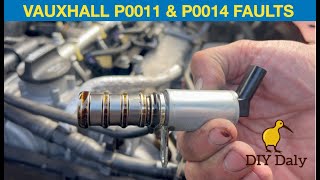
- YouTube channel 'DIY Daily' (Vauxhall Astra (European equivalent) with P0011 and P0014 codes.) — Intermittent check engine light that would turn on and off randomly.
❌ Tried (didn't work) The owner went straight to the most likely cause.
✅ What actually fixed it Both the intake and exhaust VVT solenoids were replaced. The root cause was a failure of the internal seals in the solenoids, which allowed engine oil to leak into the electrical connectors, causing an electrical short. The video clearly shows oil contamination inside both connectors upon removal. - Elektroda forum user with Opel Astra H Z16XER (2009 Opel Astra H with 1.6L Z16XER engine (similar Ecotec family).) — Persistent P0011 error and rattling noise from the engine.
❌ Tried (didn't work) Replacing the camshaft timing gear (phaser) fixed the rattling noise but the P0011 code remained.
✅ What actually fixed it The suggested fix from other forum members, which the user was pursuing, was to clean the VVT solenoid valves and, critically, to use a diagnostic tool to reset the adaptive parameters in the engine control unit. This indicates the ECU may need a software reset to recognize the new mechanical parts.
OEM Part Supersession History
12992408→55567050— Standard part update/revision by GM.
Heads up: While the new OEM part is a direct replacement, be cautious with aftermarket alternatives. Some have been reported to have incorrect internal resistance (e.g., ~4.5 Ohms instead of the OEM ~9 Ohms), which can lead to improper function and potentially damage the ECM driver circuit.
Model Year Variations Within This Range
- 2008-2009: There are no significant mechanical or engine control differences between the 2008 and 2009 Saturn Astra models that would affect the diagnosis or repair of a P0011 code. The powertrain was carried over unchanged for its short two-year run in the US market.
Helpful Videos
![How to Fix P0011 Engine Code in 4 Minutes [2 DIY Methods / Only $6.95]](https://img.youtube.com/vi/Il4J5NOlYPg/mqdefault.jpg)
We Have This Part in Stock


The information in this article is provided for general reference and educational purposes only. Vehicle specifications, procedures, and part compatibility can vary by production date, trim level, and region. Always consult your vehicle's factory service manual and verify part numbers before purchasing or performing repairs. Safety-critical components such as airbags, seat belts, and braking systems should be installed by a qualified professional.
- Saturn ASTRA:
- 🎬 Helpful Videos
- 🛍️ Shop This Part
- What's Unique About the 2008-2009 Saturn ASTRA
- Diagnostic Flowchart
- Symptoms You May Notice
- Most Likely Causes
- Rare But Worth Checking
- Diagnosis Steps
- Parts You'll Likely Need
- Related Codes That Often Appear With This One
- Technical Service Bulletins (TSBs) & Recalls
- Platform-Specific Known Issues
- Mechanic-Grade Diagnostic Values
- Scan Tool Commands That Help
- Wiring & Ground Locations
- Real Owner Repair Stories
- OEM Part Supersession History
- Model Year Variations Within This Range
- 🎟️ Get 5% Off