

P0011 on 2015-2019 Lincoln MKT: Causes and Fixes for Camshaft Timing Issues
On a 2015-2019 Lincoln MKT, code P0011 is most often caused by a faulty Variable Camshaft Timing (VCT) solenoid or low/dirty engine oil. This is a well-documented issue across many Ford and Lincoln vehicles with these engines. Replacing a VCT solenoid is a common fix, with parts costing between $40 and $120, though labor can be significant as they are under the valve covers.
- P0011 on a Lincoln MKT points to the intake camshaft on Bank 1 (firewall side) being timed incorrectly.
- The most likely cause is either low/dirty engine oil or a failing VCT solenoid, a known issue for this vehicle confirmed by TSBs.
- Always start diagnosis by checking the engine oil level and condition. A simple oil change can sometimes fix the problem.
- Replacing the VCT solenoids requires removing the valve cover, so it's wise to replace the valve cover gasket at the same time.
- If you have the 3.5L EcoBoost engine and hear a rattling noise on startup, the problem may also involve the cam phasers, which is a more complex repair.
What's Unique About the 2015-2019 Lincoln MKT
For this generation of Lincoln MKT with either the 3.5L or 3.7L V6 engine, the VCT system is a known point of failure. Manufacturer Technical Service Bulletins (TSBs) specifically mention that debris in the engine oil can cause the VCT solenoids to stick, leading directly to this code. 🎬 Watch this before replacing parts to avoid unnecessary costs. [SSM 48423] This highlights the extreme importance of regular, high-quality oil changes using the specified oil viscosity for these particular engines to prevent performance issues and costly repairs. The issue is shared across numerous Ford and Lincoln models using these engines, including the Ford Flex, Explorer, and F-150.
Diagnostic Flowchart
Tap your situation to follow the diagnostic path that matches what you're seeing on this vehicle.
Symptoms You May Notice
- Check Engine Light is on
- Rough or erratic idle
- Engine stalling, especially when coming to a stop
- Difficulty starting the engine
- Sluggish acceleration and reduced engine power
- Decreased fuel economy
- Rattling noise from the engine, especially on startup (more common with the 3.5L EcoBoost and can indicate a cam phaser issue)
- Jerky acceleration
- Replacing the camshaft position sensor when the actual problem is a sticking VCT solenoid or low oil level.
- Replacing the cam phaser when only the VCT solenoid is faulty. The solenoid should always be diagnosed first due to its higher failure rate and lower replacement cost.
- Assuming the timing chain is the cause without first ruling out the much more common VCT solenoid failure.
Most Likely Causes
- Dirty or Low Engine Oil 🔴 High Probability The VCT system is operated by oil pressure. Contaminated, old, or low oil can clog the small passages and screens in the VCT solenoids, causing them to stick in an advanced position. TSBs for these vehicles confirm debris in oil is a known cause. [SSM 48423, SSM 47170]
How to confirm: Check the engine oil level on the dipstick and inspect its condition. If the oil is dark, gritty, below the 'add' line, or if the service interval has been exceeded, it is the most likely starting point for diagnosis.
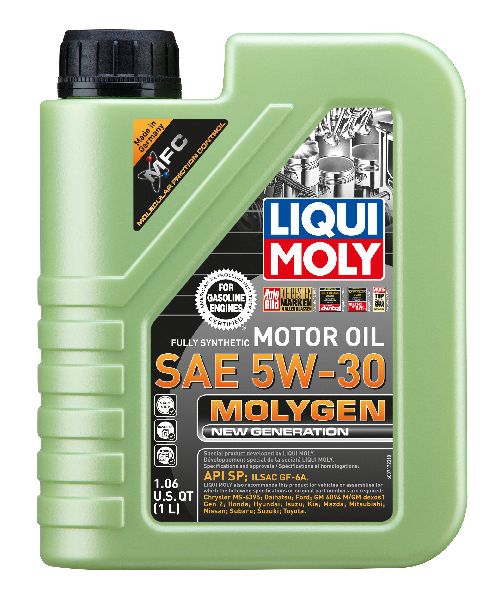
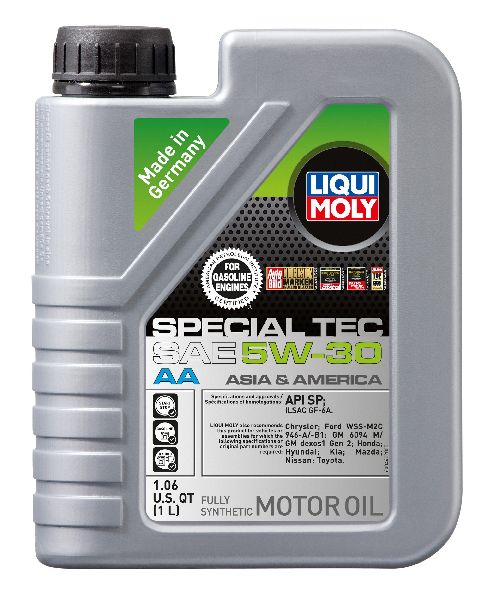
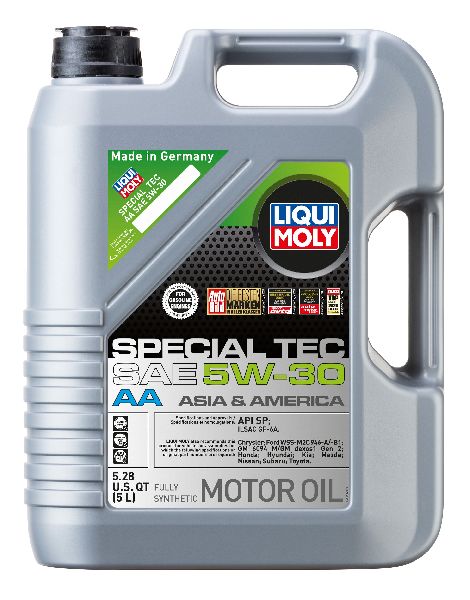
Typical fix: Perform an oil and filter change using the manufacturer-specified grade of oil (e.g., Motorcraft SAE 5W-30 Synthetic Blend) and a high-quality filter (e.g., Motorcraft FL-500S). Clear the code and see if it returns.
Est. part cost: $50-$100 - Failing Variable Camshaft Timing (VCT) Solenoid 🔴 High Probability As stated in manufacturer TSBs SSM 48423 and SSM 47170, the VCT solenoids on these engines are susceptible to sticking due to small debris in the oil. They are a very common failure point. TSB 16-0093 also points to replacing the solenoid for this code on low-mileage vehicles.
How to confirm: A mechanic can use a scan tool to command the solenoid to activate and monitor its response. A common DIY method is to swap the Bank 1 intake solenoid with the Bank 2 intake solenoid to see if the code changes to P0021 (Bank 2). This confirms the solenoid is the faulty component. You can also test the solenoid's internal resistance with a multimeter; it should be between 6.9 and 7.9 ohms at 68°F. Other sources state a general range of 5-14 ohms is acceptable.
Typical fix: Replace the faulty VCT solenoid for Bank 1. Since accessing them requires removing the valve cover, it's often recommended to replace all solenoids (intake and exhaust) on that bank at the same time to save on future labor costs.
Est. part cost: $40-$120 per solenoid - Faulty Camshaft Position Sensor ⚪ Low Probability
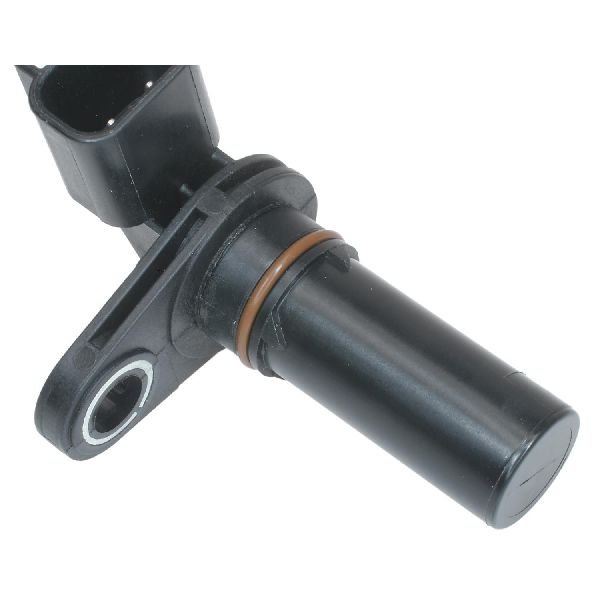
How to confirm: The sensor provides the timing data to the PCM. If it sends incorrect signals, it can trigger the code. Testing involves checking its signal with an oscilloscope or swapping it with the sensor from the other bank.
Typical fix: Replace the Bank 1 intake camshaft position sensor.
Est. part cost: $30-$80 - Stretched Timing Chain or Worn Cam Phaser ⚪ Low Probability While less common than solenoid failure, timing chain stretch can occur over time, particularly on the 3.5L EcoBoost engine. This engine can also experience cam phaser issues, often identified by a distinct 2-5 second rattle on cold startup before oil pressure builds. A severely stretched chain can cause multiple timing codes and even a no-start condition.
How to confirm: This is an involved diagnosis. A mechanic would use a scan tool to compare desired vs. actual cam angles and listen for the characteristic startup rattle. Physical inspection requires removing the engine's front timing cover, which is a labor-intensive job.
Typical fix: Replace the timing chain, tensioners, guides, and cam phasers. This is a major, labor-intensive job often costing thousands of dollars. It is recommended to use updated cam phaser parts during this repair.
Est. part cost: $500-$1500+
Diagnosis Steps
- Check the engine oil level and condition. If low or dirty, perform an oil and filter change with the correct viscosity oil (e.g., Motorcraft 5W-30) and a quality filter. Clear the code and drive to see if it returns.
- Scan for any other OBD-II codes that could provide more clues. Codes like P0016 or P0021 can point towards a more specific issue.
- Inspect the wiring and connector for the Bank 1 intake VCT solenoid and camshaft position sensor for any damage, corrosion, or loose connections.
- Using a capable scan tool, monitor the desired vs. actual camshaft position for Bank 1. Command the VCT solenoid on and off to check for a response. A slow or non-existent response points to a faulty solenoid.
- If accessible, swap the Bank 1 intake VCT solenoid with the Bank 2 intake VCT solenoid. Clear the codes and drive the vehicle. If the code returns as P0021, the solenoid is confirmed to be faulty. This is a very reliable DIY diagnostic step.
- If the solenoid appears to be working, test its resistance with a multimeter. A reading outside the 5-14 ohm range indicates a potential failure. A more precise measurement is 6.9-7.9 ohms at 68°F/20°C.
- If all electronic components and solenoids test good, the issue is likely mechanical. Listen for a startup rattle which strongly suggests a cam phaser or timing chain issue. A professional should perform a full timing system inspection.
Parts You'll Likely Need
- Engine Variable Camshaft Timing (VCT) Solenoid
(OEM #AT4Z-6M280-A)— This is the most common point of failure for code P0011 on this platform, often due to sticking from oil debris as noted in TSBs. [SSM 48423] This part number fits a wide range of Ford/Lincoln 3.3L, 3.5L, and 3.7L engines.
Trusted brands: Motorcraft, Dorman
OEM price range: $70-$120
Aftermarket price range: $40-$80 - Engine Oil and Filter
(OEM #XO-5W30-QSP (Oil), FL-500S (Filter))— Low or contaminated oil is a primary cause of VCT system problems and can trigger this code. Using the correct viscosity oil and a quality filter is critical for prevention and as a first-step fix.
Trusted brands: Motorcraft, Mobil 1, Valvoline
OEM price range: $60-$100
Aftermarket price range: $50-$80 - Valve Cover Gasket Kit
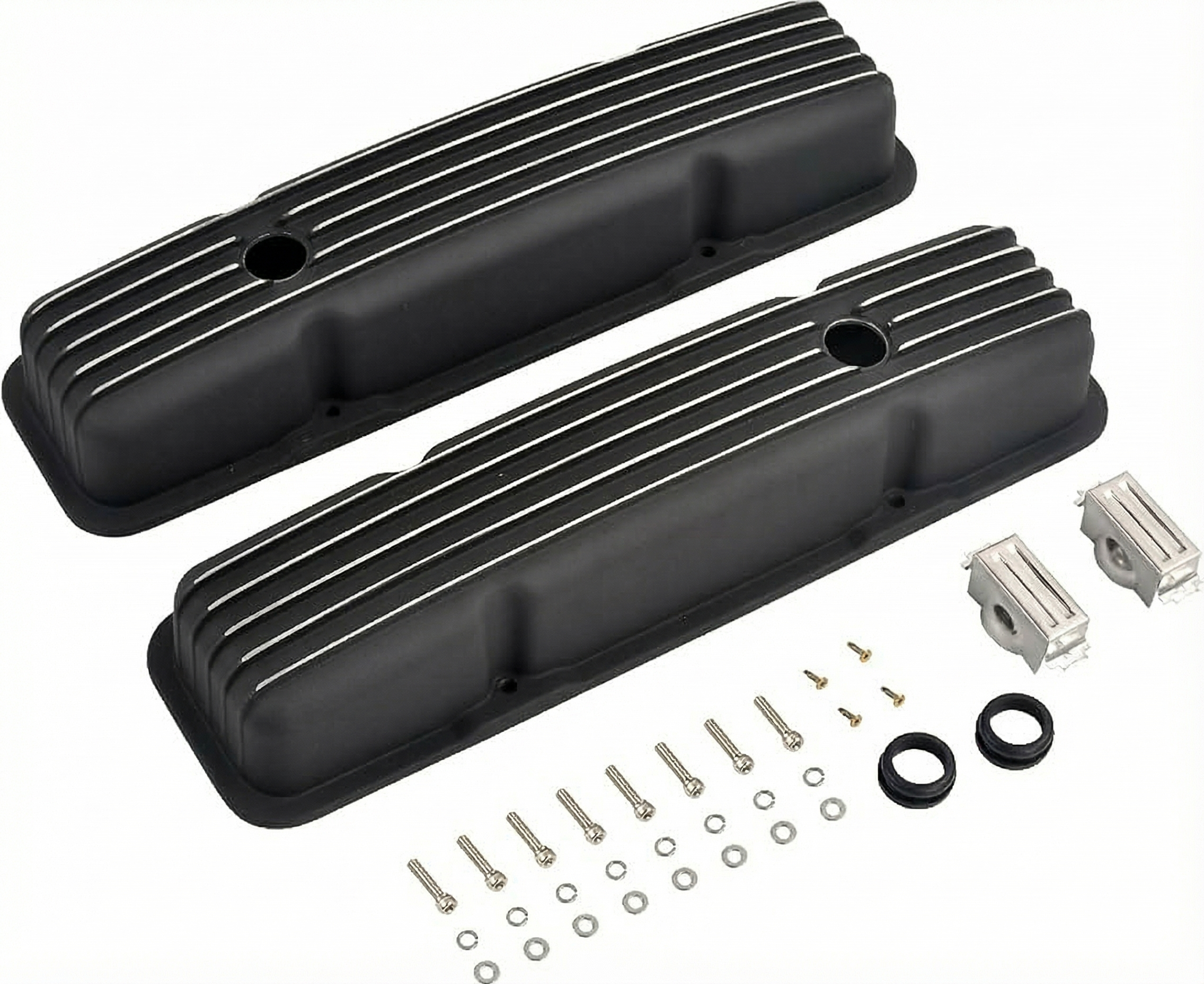
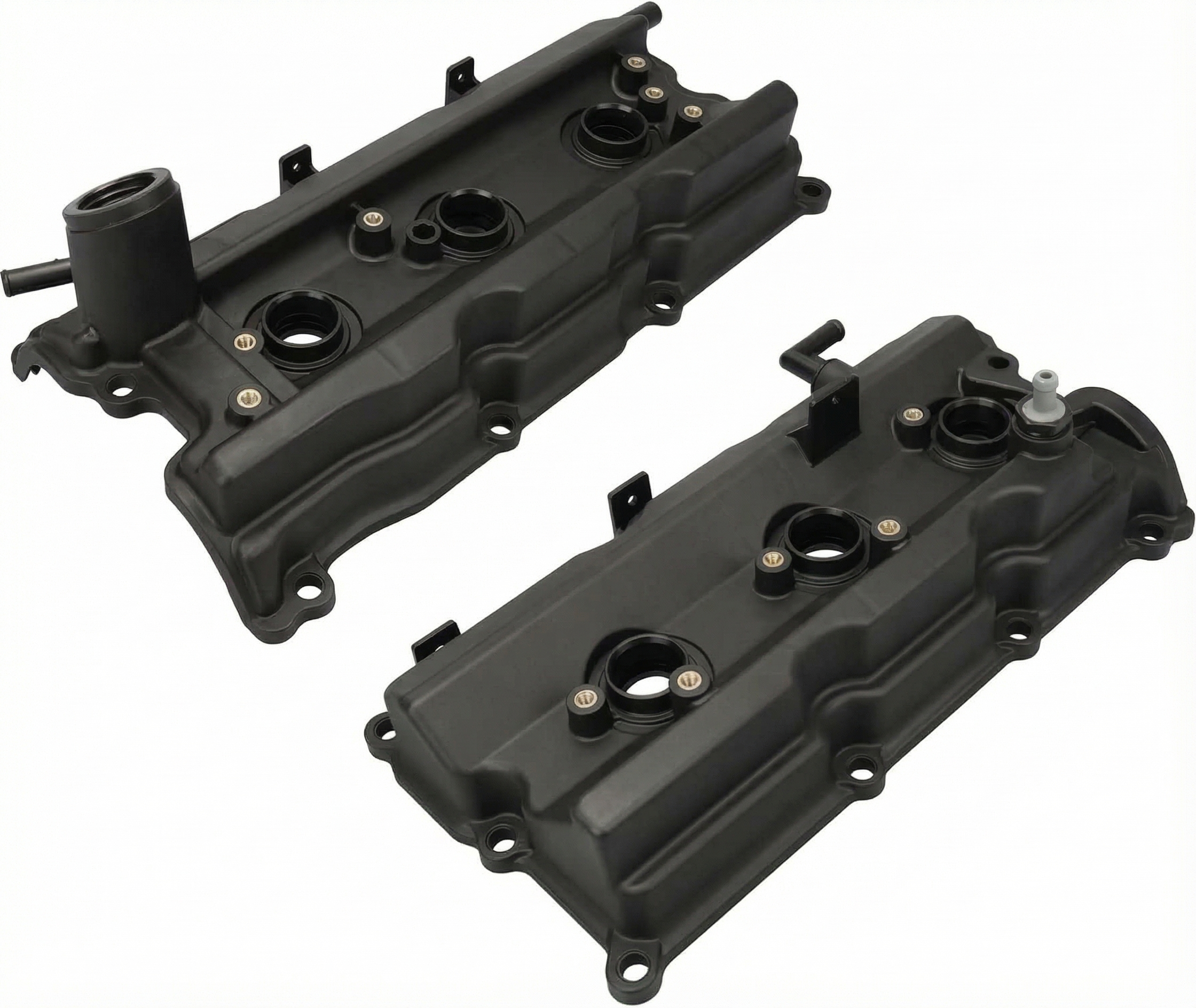
(OEM #BR3Z-6584-C (Bank 1/Firewall side))— The VCT solenoids are located under the valve cover. The gasket must be replaced anytime the valve cover is removed to prevent oil leaks. Some owners choose to replace the entire valve cover if the solenoid seals appear worn.
Trusted brands: Fel-Pro, Mahle, Motorcraft
OEM price range: $50-$90
Aftermarket price range: $30-$60
Related Codes That Often Appear With This One
- P0010 — This code indicates a circuit malfunction for the VCT solenoid, suggesting an electrical problem (wiring, connector, or the solenoid itself) rather than a purely mechanical one like sticking.
- P0021 — This is the equivalent code for Bank 2. Seeing both P0011 and P0021 together could point to a systemic issue like low oil pressure or dirty oil affecting both banks.
- P0016 / P0017 — These codes indicate a correlation issue between the crankshaft and camshaft positions. They often appear when there is a more serious mechanical timing problem, like a stretched timing chain or a failed cam phaser.
Technical Service Bulletins (TSBs) & Recalls
- SSM 48423: Notes that P0011 (and other VCT codes) may be caused by small debris causing the VCT solenoid to stick.
- SSM 54366: Mentions P0011 and refers to specific diagnostic pinpoint tests in the service manual.
- SSM 47170: Also states that debris causing a VCT solenoid to stick is a potential cause for P0011.
- TSB 16-0093: For some 2016 models with the 3.5L engine, advises replacing the affected VCT solenoid if P0011 is present with less than 2000 miles on the odometer.
Platform-Specific Known Issues
- Technical Service Bulletin SSM 48423 and SSM 47170 note that P0011 can be caused by small debris causing the VCT solenoid to stick. This points to a known sensitivity to oil quality and cleanliness. [SSM 48423, SSM 47170]
- On the 3.5L EcoBoost engine, P0011 can sometimes be accompanied by a startup rattle, which may indicate a more serious issue with the cam phasers, not just the solenoids. This is a widely discussed problem that can lead to a full timing job if not addressed.
Mechanic-Grade Diagnostic Values
- VCT Solenoid Internal Resistance — expected: 6.9 to 7.9 Ω at 68°F (20°C). Failure: A reading outside this range, especially an open or short circuit.
- VCT Solenoid General Resistance — expected: 5 to 14 Ω. Failure: A reading outside this broader range.
- Live Data VCT Advance Error (PID: VCT_ADV_ERR) — expected: Close to 0 degrees at idle and under steady load.. Failure: A consistent non-zero value, or a value that does not change when the solenoid is commanded on/off, indicates a system performance issue.
Hidden / Shadow Codes Worth Checking
- Mode $06, TID $82, CID $01: This refers to Mode $06 test results for the Variable Camshaft Timing system. It provides raw test data from the PCM's last self-test cycle, which can show if the system is borderline failing even before a DTC is set. (see via A professional scan tool with Mode $06 capabilities, such as the Ford IDS.)
Scan Tool Commands That Help
- Ford IDS (or Forscan): VCT Solenoid On/Off Command (Bi-Directional Control) — Used to manually activate the VCT solenoid while monitoring engine RPM and cam angle PIDs (RCAM, VCT_ADV_ERR). A lack of change in RPM or cam angle when the solenoid is commanded indicates a stuck solenoid or a clogged oil passage.
- Ford IDS: Datalogger with Histogram Mode — Used to record VCT error PIDs (VCT_ADV_ERR) during a test drive, especially through a wide-open throttle cycle. The histogram can reveal intermittent anomalies that aren't obvious during static testing.
- Ford IDS: Pinpoint Test HK — This is the specific, guided diagnostic procedure referenced in TSB SSM 54366 for a range of VCT-related codes, including P0011. It provides step-by-step circuit tests.
Wiring & Ground Locations
- PCM Connector C175E — This is one of the main connectors at the Powertrain Control Module (PCM), typically located in the engine bay near the firewall or battery.. This connector contains the pins for the VCT solenoid control circuit. Pinpoint Test HK requires testing for continuity and resistance from this connector to the VCT solenoid itself to rule out wiring faults.
- Main Engine Ground Strap — Typically located on the transmission case below the brake booster, connecting the engine/transmission assembly to the vehicle chassis.. A poor engine ground can cause a variety of electrical issues and erratic sensor readings. While not a primary cause, ensuring this ground is clean and tight is a crucial step in diagnosing any electronic engine control code.
Real Owner Repair Stories
- Reddit user on r/f150 (2018 Ford F-150 Limited 3.5L EcoBoost, ~70,000 miles) — Intermittent hesitation, rough idle, and a P0011 code.
❌ Tried (didn't work) The owner was concerned it was a repeat failure of the cam phasers, which had been replaced under warranty at 40k miles.
✅ What actually fixed it The owner replaced the two VVT solenoids on the passenger side (Bank 1) and also replaced the valve cover as a preventative measure against leaks. This resolved the hesitation and the code did not return. The parts used were Solenoid P/N HL3Z-6M280-A and Valve Cover P/N HL3Z-6582-F.
OEM Part Supersession History
AT4Z-6M280-A→AT4Z-6M280-B— Standard part revision by the manufacturer, likely for improved durability or material changes.
Heads up: These parts are interchangeable for the specified applications (Gen 1 3.5L EcoBoost / 3.7L V6).
Model Year Variations Within This Range
- 2015-2019: The Lincoln MKT retained the first-generation 3.5L EcoBoost V6 throughout its life. Other Ford models, like the F-150, transitioned to a second-generation 3.5L EcoBoost in 2017. This is important because the Gen 2 engine uses different VCT solenoids (P/N HL3Z-6M280-A) and has a different fuel system (port and direct injection). Therefore, parts and some repair stories from a 2017+ F-150 3.5L may not apply to the MKT.
Helpful Videos

Used OEM Parts in Stock
New Aftermarket Parts Available


The information in this article is provided for general reference and educational purposes only. Vehicle specifications, procedures, and part compatibility can vary by production date, trim level, and region. Always consult your vehicle's factory service manual and verify part numbers before purchasing or performing repairs. Safety-critical components such as airbags, seat belts, and braking systems should be installed by a qualified professional.
- Lincoln MKT:
- 🎬 Helpful Videos
- 🛍️ Shop This Part
- What's Unique About the 2015-2019 Lincoln MKT
- Diagnostic Flowchart
- Symptoms You May Notice
- Most Likely Causes
- Diagnosis Steps
- Parts You'll Likely Need
- Related Codes That Often Appear With This One
- Technical Service Bulletins (TSBs) & Recalls
- Platform-Specific Known Issues
- Mechanic-Grade Diagnostic Values
- Hidden / Shadow Codes Worth Checking
- Scan Tool Commands That Help
- Wiring & Ground Locations
- Real Owner Repair Stories
- OEM Part Supersession History
- Model Year Variations Within This Range
- 🎟️ Get 5% Off