

P0011 on 2014-2021 Dodge Durango: Causes and Fixes for Camshaft Over-Advanced Timing
Code P0011 on a Dodge Durango most often points to a problem with the Variable Valve Timing (VVT) system, usually caused by low or dirty engine oil, or a failing VVT solenoid (oil control valve). An oil change using the correct viscosity oil and/or replacing the Bank 1 VVT solenoid is the most common fix, costing around $50-$250 for parts.
- Always check your engine oil level and condition first; it's the easiest and most common fix.
- The P0011 code refers to Bank 1, which is the passenger side of the engine.
- If an oil change doesn't fix it, the VVT solenoid for the Bank 1 intake camshaft is the next most likely part to fail.
- A simple diagnostic trick is to swap the VVT solenoid from Bank 1 to Bank 2 and see if the trouble code follows (changing to P0021).
- Persistent issues after replacing the solenoid could indicate a more serious mechanical problem like a bad cam phaser or timing chain.
What's Unique About the 2014-2021 Dodge DURANGO
The Dodge Durango from this era uses either the 3.6L Pentastar V6 or a 5.7L/6.4L Hemi V8, both of which have Variable Valve Timing (VVT). These systems are highly dependent on clean engine oil of the correct viscosity (e.g., 5W-20 for the 5.7L, 5W-30 for the 3.6L). While the causes for P0011 are common across many vehicles with VVT, Durango owners frequently find the issue is resolved with a simple oil and filter change or by replacing an accessible VVT solenoid. However, on the 3.6L V6, issues with rocker arms and the oil filter/cooler housing are also known weak points that can lead to oil pressure problems and trigger this code. On the 5.7L Hemi, the VVT solenoid is located under the intake manifold, making replacement more involved than on the 3.6L.
Diagnostic Flowchart
Tap your situation to follow the diagnostic path that matches what you're seeing on this vehicle.
Symptoms You May Notice
- Check Engine Light is on
- Rough or erratic idle
- Engine stalling, especially at low RPMs
- Reduced engine power and poor acceleration
- Decreased fuel economy
- Ticking or rattling noise from the engine, especially on startup or at idle.
- Hard starting or difficulty cranking.
- Replacing the camshaft position sensor before checking the oil level, condition, and viscosity.
- Replacing the cam phaser before thoroughly testing the much cheaper and easier to replace VVT solenoid.
- Assuming an immediate major mechanical failure before performing an oil and filter change, which resolves the issue in a high percentage of cases.
Most Likely Causes
- Low, Dirty, or Incorrect Viscosity Engine Oil 🔴 High Probability The VVT system uses hydraulic pressure to operate. Old, sludgy, low, or incorrect weight oil cannot provide the necessary pressure and flow for the cam phasers to adjust timing correctly. This is the most common and easiest-to-fix cause.
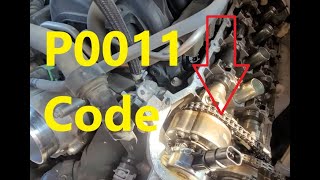
How to confirm: Check the oil level on the dipstick and inspect its color and consistency. If the level is low, the oil is dark and thick, or an oil change is overdue, this is the likely cause. 🎬 Watch: A breakdown of common P0011 causes and fixes. Many owners report the code appearing shortly after an oil change if the wrong viscosity was used.
Typical fix: Perform an engine oil and filter change using the manufacturer-specified oil weight (e.g., SAE 5W-20 for the 5.7L Hemi, 5W-30 for the 3.6L V6). Ensure a quality oil filter is used, as a poor filter can also restrict flow.
Est. part cost: $40-$80 - Faulty VVT Solenoid (Oil Control Valve) 🔴 High Probability The solenoid controls oil flow to the cam phaser. It contains small passages and a screen that can become clogged with sludge or debris from the oil, causing it to stick open or closed and fail to regulate oil flow properly.
How to confirm: After checking the oil, swap the Bank 1 intake VVT solenoid with the Bank 2 intake solenoid. Clear the codes and drive the vehicle. If the code changes to P0021 (Bank 2), the solenoid is faulty. You can also test the solenoid's resistance with a multimeter (typically 6.9-7.9 ohms).
Typical fix: Replace the Bank 1 intake VVT solenoid. On the 3.6L, it is easily accessible on the front of the valve cover. 🎬 See this walkthrough for replacing the 3.6L VVT solenoid. On the 5.7L, it is located under the intake manifold.
Est. part cost: $45-$235 - Faulty Camshaft Position Sensor 🟡 Medium Probability This sensor reports the camshaft's position to the PCM. If it provides inaccurate data, the PCM may set a P0011 code even if the mechanical timing is correct.
How to confirm: Swap the Bank 1 intake camshaft position sensor with the Bank 2 sensor. If the code moves to P0021, the sensor is bad. This is a common diagnostic step after confirming the oil and solenoid are good.
Typical fix: Replace the faulty camshaft position sensor.
Est. part cost: $25-$70
Rare But Worth Checking
- Failed Cam Phaser: The mechanical gear on the end of the camshaft can fail internally, getting stuck in the advanced position. This is a more complex and expensive repair. Symptoms often include a distinct rattling or knocking noise from the top of the engine, especially at hot idle.
- Stretched Timing Chain or Worn Guides: On higher-mileage vehicles, a stretched timing chain can cause the correlation between the crankshaft and camshaft to be off, triggering timing codes. This is a significant mechanical failure.
- Wiring Issues: A damaged wire or loose/corroded connection to the VVT solenoid or camshaft position sensor can interrupt the signal. Check for chafing on the engine harness, particularly where it might rub against brackets or the cylinder head.
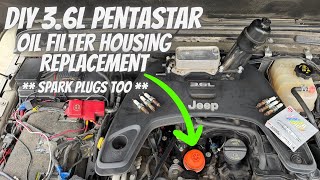
- Cracked Oil Filter Housing (3.6L V6): The plastic oil filter/cooler housing on the 3.6L Pentastar is a known failure point. A crack in the housing can cause an oil leak, leading to low oil pressure that can trigger VVT codes like P0011. If you see oil pooled in the engine valley, this is a likely suspect. 🎬 Watch: How to replace a leaking 3.6L oil filter housing.
Diagnosis Steps
- Check Engine Oil: Verify the oil level is correct and the oil is clean and of the proper viscosity (check owner's manual). If low, top it off. If old, sludgy, or the wrong type, perform a complete oil and filter change.
- Scan for Other Codes: Use an OBD-II scanner to check for any other related codes that could provide more clues, such as P0010 (solenoid circuit) or misfire codes.
- Inspect Wiring: Visually inspect the wiring harness and connectors for the Bank 1 (passenger side) intake VVT solenoid and camshaft position sensor. Look for any signs of damage, corrosion, oil contamination, or loose connections.
- Swap Solenoids: Swap the Bank 1 intake VVT solenoid with the Bank 2 intake VVT solenoid. Clear the codes and test drive. If the code returns as P0021, the solenoid you moved is faulty.
- Swap Sensors: If the code remains P0011, swap the camshaft position sensors between Bank 1 and Bank 2. If the code changes to P0021, the sensor is the problem.
- Advanced Mechanical Checks: If the code persists after swapping components, the issue is likely mechanical. This points towards a faulty cam phaser, a problem with the timing chain, or an internal oil pressure issue (like from a cracked oil filter housing on the 3.6L), which typically requires professional diagnosis.
Parts You'll Likely Need
- Engine Oil and Filter — Incorrect oil level, viscosity, or quality is the most frequent cause of VVT system faults.
Trusted brands: Mopar, Pennzoil, Mobil 1
OEM price range: $50-$90
Aftermarket price range: $40-$80 - Variable Valve Timing (VVT) Solenoid
(OEM #5047897AC)— This solenoid is the second most common failure point. It gets clogged with debris and fails to direct oil pressure correctly. This part is used across a wide range of Chrysler, Dodge, Jeep, and Ram vehicles with the 3.6L engine.
Trusted brands: Mopar, Dorman, Standard Motor Products
OEM price range: $100-$150
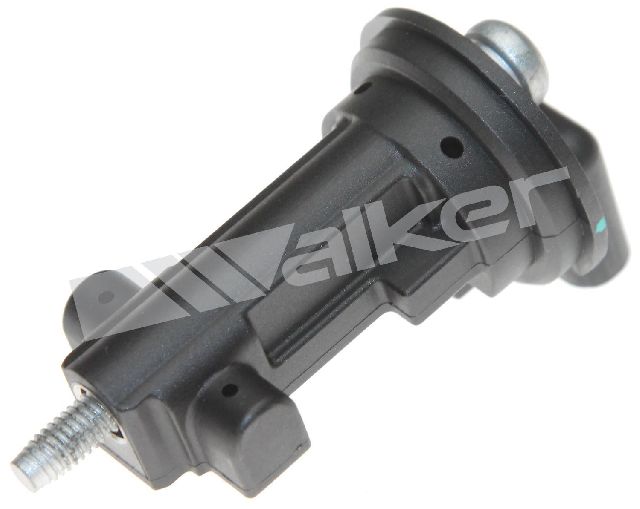
Aftermarket price range: $45-$120 - Camshaft Position Sensor
(OEM #5149141AF)— A less common but possible cause, this sensor can send faulty data to the PCM, leading to a misdiagnosis of the cam timing.
Trusted brands: Mopar, Bosch, Delphi
OEM price range: $40-$70
Aftermarket price range: $25-$50
Related Codes That Often Appear With This One
- P0010 — This code indicates a circuit malfunction for the VVT solenoid on Bank 1, pointing directly to an electrical issue with the solenoid or its wiring, rather than a flow/mechanical problem.
- P0300 — A random/multiple cylinder misfire code can occur because incorrect cam timing disrupts the engine's combustion process, leading to misfires across multiple cylinders.
- P0301, P0303, P0305 — Misfire codes for specific cylinders on Bank 1 can be triggered by the incorrect valve timing on that bank affecting its specific cylinders.
Technical Service Bulletins (TSBs) & Recalls
- 18-044-26: Mentions P0011-00 - Bank 1 Camshaft 1 Position Timing Over Advanced as a potential stored code in relation to other sensor circuit faults.
- 09-002-17 REV. A: While not directly for P0011, this TSB for similar engines involves cylinder head replacement due to valvetrain issues that can be related to timing codes.
Platform-Specific Known Issues
- On the 3.6L Pentastar V6, this code can sometimes be an early indicator of a failing rocker arm or cam phaser, which are known issues for this engine. This may be accompanied by a ticking noise often called the 'Pentastar tick'.
- The NHTSA Technical Service Bulletin #18-044-26 lists P0011 as one of several codes that may appear together, suggesting a potential for a complex diagnostic path or a required PCM software update in some cases.
- The plastic oil filter/cooler housing on the 3.6L V6 is a notorious failure point. It can crack and leak oil into the engine valley, causing a loss of oil pressure that can trigger P0011.
Mechanic-Grade Diagnostic Values
- VVT Solenoid (Oil Control Valve) Resistance — expected: 6.9-7.9 Ohms (per Pass 2), with a broader acceptable range cited as 5-15 Ohms.. Failure: A reading outside the specified range (open circuit/infinity or short circuit/zero ohms) indicates a faulty solenoid coil.
- Camshaft Position Sensor Power Supply Voltage — expected: 4.5 to 5.0 Volts DC at the sensor connector with key on, engine off (KOEO).. Failure: No voltage indicates a wiring issue or a problem with the PCM's 5V reference circuit.
- Camshaft Position Sensor Signal Voltage (Back-probed) — expected: A steady 4.8V-5.0V with KOEO. When the engine is cranked or running, the voltage should rapidly switch between ~5V and 0V.. Failure: Voltage that does not switch, is stuck high or low, or shows an erratic pattern indicates a failed sensor.
- VVT Solenoid Connector Voltage — expected: Should show battery voltage (approx. 12V) at the connector with key on, engine off (KOEO).. Failure: No voltage indicates a problem in the power supply wiring to the solenoid.
Scan Tool Commands That Help
- wiTECH (or equivalent professional scanner): VVT Solenoid Activation Test / Actuator Test — This bidirectional command allows a technician to manually command the VVT solenoid on and off while monitoring engine RPM and timing data. It's used to confirm if the solenoid is physically responding to electrical commands and if the cam phaser is mechanically able to move.
- wiTECH (or equivalent professional scanner): Camshaft Position Sensor Relearn — After replacing a camshaft, crankshaft, or PCM, this function may be required to synchronize the components and ensure the PCM has an accurate baseline for timing correlation.
Wiring & Ground Locations
- G907a (3.6L) — Located on the lower right front of the engine compartment.. A poor ground at this location can cause erratic behavior or failure of engine sensors and actuators, including the VVT and camshaft position sensor circuits.
- G904 / G905 (5.7L) — Located on the lower left side of the engine.. These are primary engine ground points. Corrosion or looseness here can affect the entire engine management system, leading to incorrect sensor readings and timing codes.
- VVT Solenoid Connector — A 2-wire connector plugging directly into the top of the VVT solenoid.. This connector is a common point of failure due to engine heat and vibration. Check for broken locking tabs, oil contamination, or spread pins that could cause an intermittent connection.
Real Owner Repair Stories
- YouTube user comment (Vehicle with P0011 code, likely Dodge/Chrysler/Jeep platform) — P0011 code present.
❌ Tried (didn't work) Not specified, but implies other diagnostics were considered before the final fix.
✅ What actually fixed it The owner removed and cleaned the VVT solenoids with carburetor cleaner, performed an engine flush, and changed the oil. The code did not return after 1,000 miles of driving, and the engine idled smoothly.
OEM Part Supersession History
05047897AC→5047897AC— Part number update or minor revision.
Heads up: Part listings for 5047897AC on the 3.6L engine mention specific date ranges like 'Use For 03/13/2017 And After' and 'Use Up To 07/09/2018', suggesting there may be different solenoids for different production runs within the 2014-2021 range. Always verify with VIN.5149141AE→5149141AF— Part number update or revision for the camshaft position sensor.
Model Year Variations Within This Range
- 2014+: On 3.6L Pentastar engines from 2014 onward, the oil filter bypass valve was relocated from the main housing to the oil filter cap itself. Pre-2014 models had the valve in the housing base. This is a critical distinction, as a bypass valve failure on a 2014+ Durango is related to the cap, not the more expensive housing assembly.
Helpful Videos
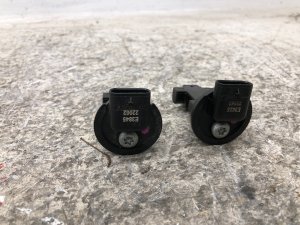
Used OEM Parts in Stock
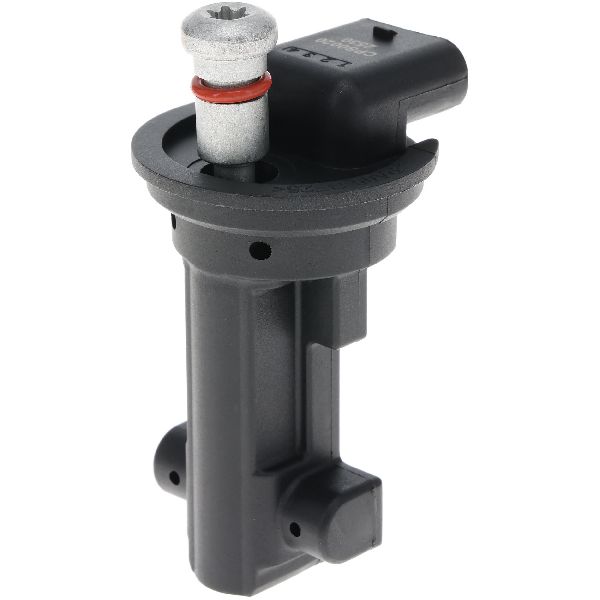
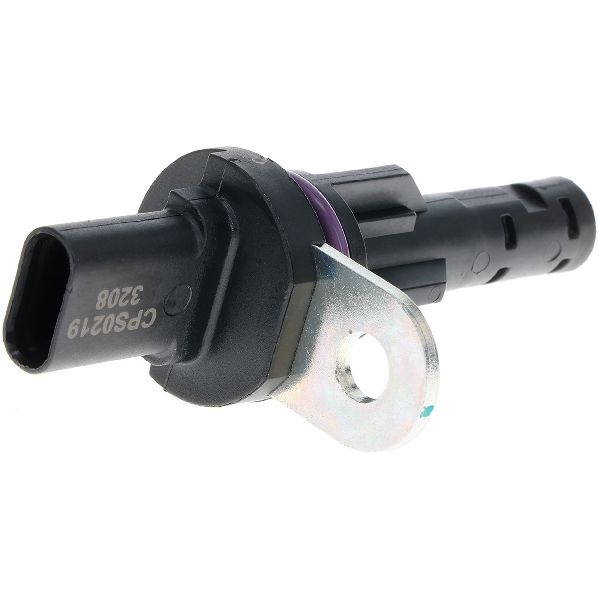
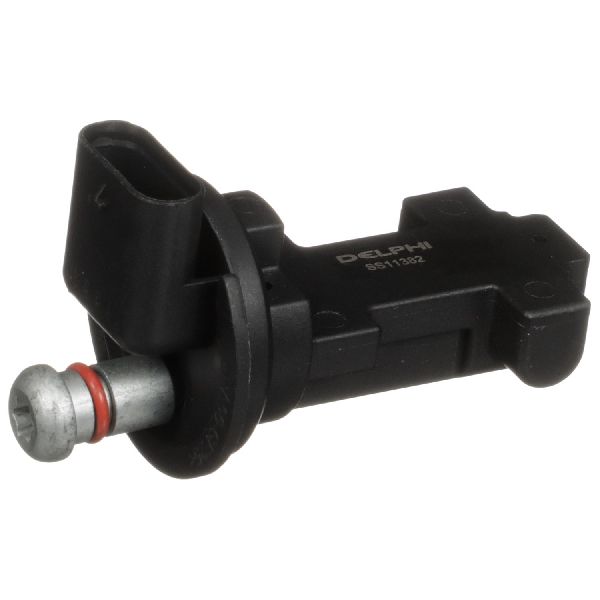
New Aftermarket Parts Available


The information in this article is provided for general reference and educational purposes only. Vehicle specifications, procedures, and part compatibility can vary by production date, trim level, and region. Always consult your vehicle's factory service manual and verify part numbers before purchasing or performing repairs. Safety-critical components such as airbags, seat belts, and braking systems should be installed by a qualified professional.
- Dodge DURANGO:
- 🎬 Helpful Videos
- 🛍️ Shop This Part
- What's Unique About the 2014-2021 Dodge DURANGO
- Diagnostic Flowchart
- Symptoms You May Notice
- Most Likely Causes
- Rare But Worth Checking
- Diagnosis Steps
- Parts You'll Likely Need
- Related Codes That Often Appear With This One
- Technical Service Bulletins (TSBs) & Recalls
- Platform-Specific Known Issues
- Mechanic-Grade Diagnostic Values
- Scan Tool Commands That Help
- Wiring & Ground Locations
- Real Owner Repair Stories
- OEM Part Supersession History
- Model Year Variations Within This Range
- 🎟️ Get 5% Off